
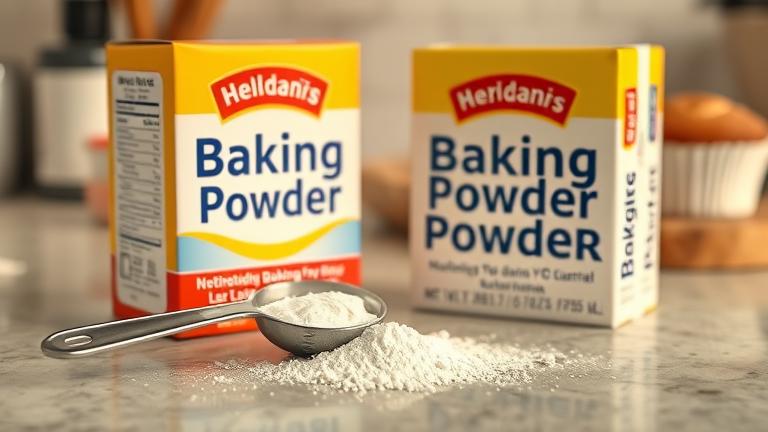
Does Expired Baking Powder Still Leaven?
If you’ve found an old jar of baking powder in the back of your pantry, you might wonder if it’s still good for baking. Baking powder is a common leavening agent that helps cakes, muffins, and quick breads rise. But like most baking ingredients, it has a shelf life. So, does baking powder lose its ability to leaven once it’s expired? The answer depends on how old it is and how it has been stored.
Understanding the science behind baking powder can help you decide if it’s still useful. Baking powder is usually a mix of baking soda (sodium bicarbonate) and an acid, like cream of tartar. When it’s mixed with moisture and heat during baking, it produces carbon dioxide gas. This gas forms bubbles in the batter or dough, making your baked goods light and fluffy.
Over time, the chemical ingredients in baking powder can degrade. The acid and base might lose their ability to react efficiently, resulting in less rise. Typically, baking powder stays effective for about 6 months to a year when stored in a cool, dry place. After that, its potency can diminish, but it doesn’t necessarily become harmful to use.
How to Test if Your Baking Powder is Still Active
Luckily, testing baking powder’s freshness is simple. Here’s what you can do:
- Fill a small bowl or cup with about half a cup of hot water.
- Add a teaspoon of baking powder to the water.
- Observe what happens.
If the baking powder is still good, you should see it immediately start to fizz and bubble vigorously. This reaction indicates that there’s still enough acid and baking soda available to produce carbon dioxide. If it only fizzes slightly or not at all, it’s time to replace it.
Practical Tips for Storage and Usage
- Store baking powder in a tightly sealed container in a cool, dry place.
- Keep the original container or transfer it to an airtight jar to avoid moisture exposure.
- Always check your baking powder’s freshness before using it in recipes.
- If you’re unsure about the date or how long it’s been sitting, it’s best to do the test above.
Using expired baking powder may not pose safety issues, but it can lead to less effective leavening, resulting in flat or dense baked goods. When in doubt, it’s safer and tastier to use fresh baking powder. After all, a little fresh baking science can make a big difference in your baked treats!
How to Test Baking Powder Effectiveness
Knowing whether your baking powder is still active is important for baking success. If the baking powder has lost its potency, baked goods may not rise properly, resulting in flat or dense textures. Fortunately, testing it at home is quick and easy using common ingredients like vinegar or hot water.
Why Test Baking Powder?
Over time, baking powder can lose its ability to produce carbon dioxide, which creates the rise in cakes, muffins, and cookies. Testing helps you determine if it’s still good to use. If it’s expired or inactive, your baked treats could turn out flat or heavy, even if you followed the recipe perfectly.
How to Test Baking Powder
- Gather your ingredients: You will need a small bowl, baking powder, vinegar, and hot water.
- Check the date: Before testing, look at the expiration date printed on the package. If it’s expired by months or years, it’s best to test or replace it.
- Test with vinegar: Place about 1 teaspoon of baking powder in the bowl. Add 2-3 tablespoons of vinegar. If the baking powder is active, it will fizz and bubble vigorously. This reaction indicates it’s still good to produce the necessary rise in baking.
- Test with hot water: Alternatively, place 1 teaspoon of baking powder into a cup or small bowl. Add 1/4 cup of hot water. If it bubbles immediately and vigorously, your baking powder is active. If there is little or no reaction, it’s time to refresh your supply.
Additional Tips
- Perform the test right before baking. Baking powder can lose its potency over time even if stored properly.
- Store baking powder in an airtight container in a cool, dry place. Humidity and heat speed up the loss of effectiveness.
- If your baking powder is inactive, replace it with a fresh container. For most recipes, a standard pantry size can last several months to a year.
- Remember: using old or inactive baking powder can lead to disappointing baked goods, so it’s always a good idea to test it if you’re unsure.
Common Mistakes to Avoid
- Using too much vinegar in the test, which might produce an overly vigorous reaction that’s not representative of baking conditions.
- Not timing the reaction — wait just a few seconds to see if bubbles form.
- Ignoring the expiration date; always check it first.
- Assuming that a small amount of baking powder reacts the same way in baking as it does in the test — the test is a quick indicator, not a precise measurement of potency.
By regularly testing your baking powder with these simple methods, you’ll ensure your baked goods turn out light, fluffy, and delicious every time. It’s a small step that makes a big difference in your baking success!
Signs Your Baking Powder Has Expired
Baking powder is a common leavening agent in many recipes, helping baked goods rise and become fluffy. However, like all ingredients, it doesn’t last forever. Knowing how to tell if your baking powder is still good can save you from flat cakes or failed bread. In this section, we’ll explore the visual and smell cues that indicate your baking powder has gone past its prime.
The first sign to watch for is changes in appearance. Fresh baking powder usually looks dry and powdery with a uniform white color. If you notice clumps, discoloration, or moisture buildup, it’s a red flag. Clumps might mean it has absorbed humidity, which can compromise its effectiveness. Discoloration, such as yellowing or brown spots, signals it might be old or contaminated.
Next, give your baking powder a sniff test. Fresh baking powder typically has a faint, almost odorless or slightly alkaline smell. If it emits a strong, stale, or sour odor, it’s likely expired. A funky smell can mean bacteria or mold has developed, especially if it’s been stored improperly. Smell is a quick, simple way to gauge its freshness without any mess.
Another important test is the baking soda reaction. Take a small teaspoon of baking powder and add it to a cup of hot water. If it fizzes vigorously, it’s still active and good to use. If there’s little to no fizz, then it’s expired or ineffective. This simple test helps you avoid disappointing results when baking.
Visual Cues to Watch For
- Clumping or lumps in the powder
- Discoloration or yellowing
- Moisture or caked texture
Smell Indicators
- Stale or musty odor
- Sour or off smell
Reaction Test
- Place one teaspoon of baking powder in a cup of hot water.
- Observe if it fizzes vigorously.
- If yes, it’s still fresh; if not, it’s time to replace it.
To get the most out of your baking powder, store it in a cool, dry place in a tightly sealed container. Proper storage helps preserve its leavening power and extends its shelf life. Keep in mind that baking powder usually lasts about six months to a year after opening, but always do these simple tests to be sure. Remember, using expired baking powder can lead to dense, flat baked goods—so it’s worth checking before you start baking.
Best Practices for Storing Baking Powder
Proper storage of baking powder is essential to keep it fresh and effective for your baking recipes. Baking powder usually lasts several months if stored correctly, but exposure to moisture, heat, or air can reduce its leavening power. Knowing how to store it properly helps ensure your baked goods turn out perfect every time.
First, always keep baking powder in a cool, dry place. A pantry or cupboard away from the stove, oven, or any heat source is ideal. Warm temperatures can cause the baking powder to react prematurely, which means it won’t work as well when you need it. Moisture is another enemy, as it can cause clumping or activate the leavening agents inside. To prevent this, always store baking powder in an airtight container.
If your original packaging isn’t resealable, transfer your baking powder to a sealed jar or container with a tight-fitting lid. This helps keep out moisture and air, preserving its shelf life. Some people even use small plastic or glass containers with secure lids to organize their baking supplies better.
How to Check If Baking Powder Is Still Good
Before using baking powder, it’s helpful to test whether it’s still effective. Here’s a simple method:
- Place 1 teaspoon of baking powder in a small bowl.
- Add about 1/4 cup of hot water.
- If it bubbles vigorously, it’s still good. If there’s little or no fizzing, it’s time to replace it.
This quick test helps prevent buying new baking powder unnecessarily or using ineffective baking powder in your recipes.
Storage Tips to Extend Shelf Life
- Always close the container tightly after each use to prevent moisture from entering.
- Keep baking powder away from humidity, such as near the sink or window.
- Avoid storing baking powder near strong-smelling items, since it can absorb odors.
- Label your container with the purchase or expiration date, so you know when it might be time to replace it.
- If you notice your baking powder has developed a strange smell or color, it’s best to discard it.
Common Mistakes to Avoid
One of the biggest mistakes is storing baking powder in the fridge or freezer, which can introduce moisture inside the container. While it might seem cold and dry, condensation can form when you take it out, ruining the powder’s effectiveness.
Another common error is using baking powder past its expiration date. Even if it looks and smells fine, it might not perform properly in your recipes. Always check the date on the packaging before using it.
By following these simple storage practices, you can keep your baking powder fresh and ready whenever you need it. This helps you achieve the best rise in your baked treats and enjoy consistent results every time. Remember, a little care in storage goes a long way in baking success!
Substitutes for Expired Baking Powder
If you find that your baking powder has expired, don’t worry. There are several effective substitutes you can use to make your baked goods rise and stay light. The key is to understand how these alternatives work and when to use them.
One of the most common substitutes is baking soda. Baking soda is a strong leavening agent that requires an acid to activate its rising power. So, if you are using baking soda as a replacement, you’ll need to add an acid to your recipe to produce carbon dioxide bubbles that help the batter or dough rise. Typical acids include lemon juice, vinegar, or buttermilk.
For every teaspoon of baking powder you need, you can use about one-fourth teaspoon of baking soda plus one-half teaspoon of an acid like vinegar or lemon juice. Mix the baking soda with the dry ingredients first, and then add the acid when mixing the wet ingredients. This combo produces the leavening action right when your batter is ready to go into the oven.
Another good alternative is cream of tartar, which is an acid itself. When combined with baking soda, it creates a homemade baking powder. To make this, mix one part baking soda with two parts cream of tartar. For example, if your recipe calls for one teaspoon of baking powder, mix in ¼ teaspoon of baking soda and ½ teaspoon of cream of tartar.
This homemade leavening agent works well in most recipes like cakes, cookies, and pancakes. Keep in mind that since cream of tartar is acid, it can affect the flavor slightly, making baked goods a little tangy if you use too much. So, stick to the recommended ratios for best results.
Some recipes can also benefit from other natural leaveners. For example, club soda or sparkling water contains carbon dioxide, which can help baked items like pancakes or bread rise when added to the batter. Simply replace part of the liquid in your recipe with these bubbly waters.
Additionally, yeast can be a substitute in bread recipes if you want a traditional rise. Keep in mind that using yeast involves longer preparation times and different techniques, so this works best when you plan ahead.
Here are some quick tips to remember:
- Always measure carefully to maintain the right chemical balance.
- Adjust acidity in recipes when using baking soda to ensure proper rising.
- Test small batches first if you are trying a new substitute.
- Be aware that substitutes can subtly change the taste and texture.
In summary, baking soda, combined with acid, is your best go-to substitute for expired baking powder. Cream of tartar is another reliable option to make homemade baking powder. With a little adjustment, your baked goods can still turn out perfect even if your original leavening agent has expired.
Common Baking Myths About Expiration Dates
Many home bakers worry about whether their baking powder is still good to use just because the expiration date has passed. There are quite a few myths surrounding expiration dates on baking ingredients, especially baking powder, that can lead to unnecessary waste or, on the other hand, messy kitchen mistakes. Let’s clear up some confusion and focus on facts so you can bake confidently every time.
First, it’s important to understand that expiration dates on baking powder are not always exact indicators of safety. Instead, they usually suggest the period when the product is at its best quality. Baking powder is a chemical leavening agent, which means it helps your baked goods rise. Over time, it can lose its potency, so even if it’s not technically “spoiled,” it might not work as well after the expiration date.
Myth 1: Baking Powder Is Dangerous After the Expiration Date
This is a common misconception. Expired baking powder isn’t harmful or dangerous to eat, but it may not produce the lift you need. You might end up with dense muffins or flat pancakes. It’s more of a quality concern than a safety issue.
Myth 2: Expired Baking Powder Will Make Your Baked Goods Unsafe
No need to worry about food poisoning or health risks from using expired baking powder. The main concern is that the leavening power diminishes over time. Your baked goods may just be less fluffy or tender than expected.
Myth 3: You Can Never Use Baking Powder Past Its Expiration Date
Not true at all. You can often test whether baking powder still works with a simple water test (more on that below). If it passes, you can usually use it, but keep in mind it might not be as effective.
Test for Freshness: How to Check if Baking Powder Is Still Good
To see if your baking powder is still active, do a quick test:
- Place a teaspoon of baking powder in a small bowl.
- Add about 1/4 cup of hot water.
- If it bubbles vigorously, it’s still good to use.
If the mixture barely reacts or doesn’t bubble at all, it’s time to buy a new container for best results.
Tips for Using Expired Baking Powder
- If only slightly past the date and it passes the test, use it in recipes that don’t rely heavily on leavening, like cookies or certain muffins.
- For recipes that depend on strong rising power, always test first or opt for fresh baking powder.
- If in doubt, it’s better to replace expired baking powder to ensure your baked goods come out perfect each time.
Understanding these facts can help you avoid common baking mistakes. Don’t get caught up in the myth that expired ingredients are useless or dangerous. Instead, test, observe, and adapt your baking practices for the best results every time.
Tips for Baking with Old Baking Powder
Baking with old baking powder can be tricky. Over time, its leavening power decreases, which can affect how well your baked goods rise. If you’re unsure whether your baking powder is still good, don’t worry. There are simple ways to test it and ensure your baked treats turn out perfect.
First, always check the expiration date on your baking powder container. If it’s past that date, it’s a good idea to test its effectiveness before using it in your recipe. Using expired baking powder might lead to flat cakes or cookies that don’t rise properly.
How to test if your baking powder is still active
- Pour about a half teaspoon of baking powder into a small bowl.
- Add a few drops of hot water or vinegar to it.
- If the mixture bubbles vigorously, your baking powder is still good. If it shows little to no fizz, it’s time to replace it.
When using old baking powder, keep in mind that it’s best to replace it if it’s past its prime. Even if it still reacts during the test, its leavening strength might be weaker, leading to less fluffy baked goods.
Here are some practical tips for baking with baking powder that has lost some of its potency:
- Add a little extra baking powder compared to the recipe’s amount if you know it’s old, but do so sparingly. Too much can cause a bitter taste or undesirable texture.
- Mix your dry ingredients thoroughly so the baking powder is evenly distributed. This ensures consistent rising throughout your batter or dough.
- Combine wet ingredients gently with dry ones. Overmixing can deflate the batter, especially if the baking powder isn’t as strong as it was.
When to discard baking powder
If your testing shows minimal reaction, it’s best to discard the old baking powder and buy fresh. Using fresh baking powder guarantees your baked goods will rise well and have the right texture.
Storing baking powder properly also helps maintain its effectiveness. Keep it in a cool, dry place, tightly sealed, away from humidity and air. Exposure to moisture can cause it to lose potency even before its expiration date.
Remember, experimenting with small batches is a good way to see how your baking powder performs. Always taste or test when in doubt to avoid flat or dense baked goods. With these simple steps and tips, you’ll be baking with confidence, whether your baking powder is new or a little aged.