
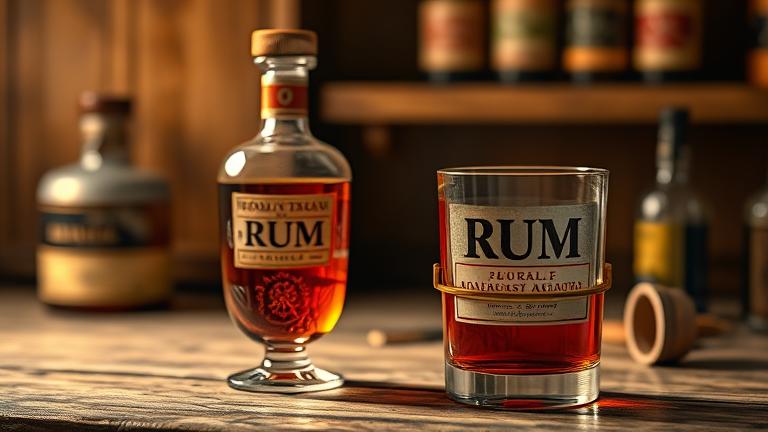
How Long Does Rum Last? Storage Tips
When it comes to rum, many people wonder how long it stays good once they’ve opened the bottle. The good news is that, if stored properly, rum can last for many years without going bad. Whether you enjoy a splash of dark rum in your cocktails or keep a bottle for special occasions, understanding its shelf life and storage tips can help you keep it fresh and tasty.
Unopened bottles of rum generally have an indefinite shelf life. Since rum contains a high alcohol content, it acts as a natural preservative. This means that, as long as the bottle remains sealed, it won’t spoil or lose quality over time. You can expect unopened rum to last for many years, sometimes even decades, if stored in a cool, dark place.
Once you open a bottle, the story is a bit different. Exposure to air begins to gradually change the flavors and aroma. Typically, opened rum will stay in good condition for about 1 to 2 years if stored properly. After that, the quality might slowly decline, but the rum will usually remain safe to drink for quite a while longer. It’s very unlikely to become unsafe, but it might not taste as fresh.
To maximize the shelf life of your rum, proper storage is key. Here are some friendly tips:
- Keep it upright. Storing rum bottles standing up helps prevent the cork or cap from degrading and reduces evaporation.
- Store in a cool place. Aim for a temperature between 15 and 20 degrees Celsius (59-68 degrees Fahrenheit). Avoid storing rum in direct sunlight or near heat sources, which can break down the alcohol and alter the flavor.
- Seal the bottle tightly. Make sure the cap or cork is secure after each use to prevent air from entering.
- Avoid temperature fluctuations. Sudden changes can negatively affect the rum’s quality, so choose a stable spot in your pantry or cabinet.
If you notice the flavor or aroma of your rum changing, or if it develops an unusual odor or appearance, it’s safest to discard it. Usually, slight changes in taste are normal over time, especially once opened, but any signs of cloudiness, sediment, or off smell mean it’s better to be safe and throw it out.
Recognizing Spoiled Rum: Signs to Watch For
Rum is a popular spirit that many enjoy responsibly. However, like any food or drink, it can spoil over time if not stored properly. Knowing how to spot spoiled rum helps you stay safe and enjoy your drinks at their best. In this section, we’ll go over the main signs to watch for by examining its smell, appearance, and taste.
Smell Changes
The first thing to check when assessing if rum has gone bad is its smell. Fresh rum has a warm, sweet aroma with hints of vanilla, caramel, or spices, depending on the type. If your rum develops a sour, musty, or pungent odor, it’s a clear sign that it may be spoiled.
Sometimes, a chemical or off-odor can develop if the rum has been exposed to air or light for too long. Trust your nose if it smells unpleasant or different from when you first opened it, it’s best to avoid drinking it.
Appearance and Clarity
Next, take a look at the rum’s appearance. Properly stored rum should be clear and free of particles. If you notice any cloudiness, sediment, or floating bits that weren’t there before, it could indicate spoilage or contamination.
Color changes are also important. If your rum was a clear, transparent liquid and now appears cloudy or has turned a darker hue unexpectedly, that’s a warning sign. Sometimes, exposure to sunlight or heat can change the color or create sediments, so always compare with the original look.
Taste Test
If the smell and appearance seem fine but you’re still unsure, a small taste can help. Spoiled rum may taste sour, bitter, or off compared to the smooth, sweet flavor you expect. Do not swallow if the flavor seems strange or unpleasant it’s better to be cautious.
Remember, always sip a tiny amount first. If anything tastes off, spit it out and discard the drink. Drinking spoiled rum can cause upset stomachs or other health issues.
Additional Tips for Safe Storage
- Keep your rum in a cool, dark place away from direct sunlight.
- Ensure the bottle cap is tightly sealed after each use.
- Avoid leaving rum exposed to temperature fluctuations.
By paying attention to smell, appearance, and taste, you can easily tell if your rum has gone bad. When in doubt, it’s safer to discard questionable spirits. Proper storage and regular checks will help you enjoy your rum safely for longer.
Does Age and Exposure Affect Rum Quality?
When it comes to rum, many enthusiasts wonder if aging, exposure to light, and environmental factors truly influence its flavor and aroma. The short answer is yes. These elements play a significant role in shaping the overall quality of rum, making each bottle unique.
Understanding how aging affects rum helps you appreciate its complexity. Generally, rum is aged in wooden barrels, which allows it to develop richer flavors over time. Younger rums, often aged for a few months to a year, tend to be lighter and more straightforward. In contrast, rums that age for several years can acquire deep, complex notes like vanilla, caramel, and spices. It’s similar to how wine or whiskey ages, with the barrel imparting flavors and smoothing out harsh edges.
But aging isn’t the only thing that matters. Exposure to light, especially sunlight, can impact rum’s flavor negatively. Light causes a chemical reaction in the alcohol, which can lead to a loss of aroma and, over time, a stale or off-taste. That’s why many bottles are stored in dark places or in amber bottles that block out harmful rays.
Environmental factors also influence rum’s quality. Temperature is a big one. Fluctuating temperatures cause the liquid to expand and contract within the barrel, which can accelerate aging and develop flavors faster. However, high heat can also dull the rum or cause unwanted chemical reactions. Ideally, rum should be stored in a cool, consistent environment, away from direct sunlight and extreme heat.
Humidity plays a lesser role but is still important. Too much moisture can affect the bottle seal, leading to oxidation or evaporation, while very dry conditions might cause the cork to dry out. Proper storage keeps the rum’s quality intact and ensures it tastes just as the distiller intended.
Knowing how exposure impacts rum quality can help you store your bottles better. For example, keep your rum in a cabinet or a cellar to shield it from light and temperature swings. If you have older bottles, avoid frequent temperature fluctuations by storing them in a stable environment. Also, always store bottles upright to minimize contact between the liquid and the cork this helps prevent any unwanted chemical reactions.
To sum up, aging can deepen and enrich rum flavors, while exposure to light and environmental conditions can either enhance or harm its quality. Proper storage becomes a key part of preserving your rum’s unique characteristics and ensuring every sip is as enjoyable as possible.
Best Practices for Storing Rum at Home
Storing rum properly is essential to keep its flavors vibrant and ensure it stays safe to enjoy over time. Whether you have a special aged rum or just a bottle for mixing cocktails, knowing how to store it correctly can make a big difference. In this guide, you’ll find friendly, practical tips on choosing the right containers, setting the ideal temperature, and positioning your rum to maintain its quality for years to come.
Choose the Right Storage Containers
The best way to store rum is in a container that keeps it protected from light and air. Original glass bottles are usually perfect because they don’t react with the spirit and prevent oxidation. If you transfer your rum to another bottle, make sure it is clean, airtight, and made of dark glass if possible. Dark or opaque containers block light that can degrade the rum’s flavor over time. Avoid plastic bottles or containers, as they can sometimes impart unwanted flavors and are more permeable to air.
Seal the bottle tightly after each use to prevent evaporation and exposure to air, which can cause oxidation and alter the taste. If you have a large amount of rum and only use it occasionally, consider using smaller bottles to minimize air contact once opened.
Optimal Temperature Conditions
Rum should be stored at a consistent, cool temperature think between 15 to 20 degrees Celsius (about 60 to 68 degrees Fahrenheit). Avoid places where temperatures fluctuate frequently, such as near heat sources, windows with direct sunlight, or near appliances that generate heat. Fluctuations can cause the liquid to expand and contract, affecting its quality and possibly leading to leaks or spoilage.
Putting your rum in a cellar, cool pantry, or a cupboard away from direct sunlight is ideal. Additionally, high temperatures can speed up chemical changes, possibly dulling flavors and aromas over time. If you live in a very hot climate, consider storing your rum in the refrigerator or a wine cooler set to a low temperature, but bring it back to room temperature before drinking for the best experience.
Positioning and Storage Tips
To preserve its flavor profile, store rum upright. This keeps the liquid away from the cap or cork, reducing the risk of corrosion or flavor contamination. Laying bottles on their side is unnecessary and can sometimes expose corks to excess moisture, which may lead to mold or spoilage.
Keep your rum away from strong odors, such as cleaning supplies or spices, as spirits can absorb these smells over time. Designing a dedicated spot for your bottles, perhaps on a high shelf or in a cabinet away from light, ensures they stay protected and are easily accessible when you want to enjoy a cocktail or neat pour.
Extra Tips for Perfect Storage
- Check the bottle seal regularly to prevent spills or evaporation.
- Avoid storing rum in containers exposed to moisture or humidity, which can affect labels and bottle integrity.
- If you buy large quantities, consider decanting into smaller bottles once opened to minimize air exposure.
- Label opened bottles with the date of opening to keep track of freshness, especially if you store multiple bottles.
Common Myths About Rum Expiration
Rum is a popular spirit enjoyed around the world, but there are many misconceptions about how long it lasts and whether it expires. If you’ve ever wondered if your bottle of rum can go bad or how to tell if it’s still good, you’re not alone. Many people believe that all spirits, including rum, have an expiration date that must be strictly followed. Let’s clear up some of the most common myths so you can enjoy your rum safely and confidently.
Myth 1: Rum Expired and Is Unsafe to Drink
This is one of the biggest misconceptions. Unlike perishable foods, spirits like rum do not spoil or become unsafe to consume over time. Alcohol acts as a natural preservative, which means it can last indefinitely if stored properly. If your rum smells normal, has no strange discoloration, and tastes good, it’s still good to use. You won’t usually get sick from drinking old rum, but the flavor may deteriorate over time.
Myth 2: Once Opened, Rum Goes Bad Quickly
Many assume that once a bottle is opened, it must be consumed quickly to avoid spoilage. Actually, opened rum can last for years. The key is to store it properly keep the bottle tightly sealed and away from direct sunlight and temperature fluctuations. Over many years, some flavor loss might occur, but the rum itself remains safe to drink.
Myth 3: Clear Rum and Dark Rum Have Different Shelf Lives
Some believe that dark rums, which contain added caramel and extra flavorings, spoil faster than clear rums. However, both types of rum have similar shelf lives when stored correctly. The dark varieties might develop a slightly different taste over time, but they will not turn bad or become harmful to drink.
Myth 4: Homemade or Flavored Rums Are Less Stable
People might think that flavored or homemade rums spoil more easily. While certain additions like fruits or spices can influence shelf life, properly stored flavored rums usually last a long time often several years if kept in a cool, dark place. Just watch out for any signs of mold or off smells, which suggest spoilage.
Practical Tips for Storing Rum
- Keep bottles tightly sealed when not in use to prevent evaporation and oxidation.
- Store in a cool, dark place away from direct sunlight and temperature swings.
- Toast to your favorite drink without worry your rum can last for many years unopened and for a long time after opening.
- If the flavor or aroma changes significantly, or if you notice cloudiness or sediment, it’s best to discard it.
Understanding that most types of rum do not expire quickly can save you from unnecessary waste. As long as you store your rum properly, it remains safe and enjoyable, even years after purchase. So go ahead, enjoy a glass of that aged rum you’ve been holding onto they’re more resilient than you might think!
Creative Uses for Old or Leftover Rum
Don’t toss that half-used bottle of rum just yet. Old or leftover rum can be a wonderful ingredient in the kitchen and bar, adding depth and flavor to many dishes and drinks. Whether your rum has been sitting in the back of the cabinet or you’re simply looking to get more mileage out of it, there are plenty of creative ways to enjoy it.
1. Enhance Your Baking
Rum is a classic addition to baked goods. It adds moisture, flavor, and a bit of tropical flair. Use leftover rum in recipes like rum cakes, muffins, or banana bread. Just replace part of the liquid in your recipe with rum, typically about 2-4 tablespoons, depending on your taste. Rum also pairs perfectly with chocolate, so consider adding a splash to brownies or chocolate chip cookies for a rich, boozy twist.
2. Make Flavored Syrups
Create a versatile syrup for pancakes, waffles, or cocktails. Combine equal parts sugar and water in a saucepan, bring to a gentle simmer, then stir in two to three tablespoons of rum. Add a cinnamon stick or vanilla pod if you like. Once cooled, this syrup can be stored in the fridge for up to two weeks. Pour it over breakfast or use it to sweeten tea and cocktails.
3. Craft Signature Cocktails
Leftover rum is perfect for mixing up cocktail classics or inventing your own drinks. Use it in drinks like a Rum Punch, Mojito, or a Piña Colada. If you don’t have fresh ingredients, even a simple rum and cola can be elevated with a squeeze of lime and a splash of rum. Using your leftover rum can inspire creative drink recipes that showcase its unique flavor.
4. Infuse Other Ingredients
Rum can be used to infuse fruits, spices, or even desserts. Soak slices of pineapple, mango, or dried fruit in rum for a few hours or overnight. These infused fruits can be added to desserts, salads, or served as a garnish. Similarly, cinnamon sticks or vanilla beans soaked in rum develop a lovely flavor, perfect for adding to hot drinks or baking.
5. Create a Delicious Rum Glaze or Marinade
Mix rum with ingredients like honey, soy sauce, or mustard to craft a glaze for meats or seafood. Brush the glaze on chicken, pork, or shrimp before grilling for a caramelized, boozy flavor. Rum also works well as a marinade base for tropical or Caribbean-inspired dishes, giving your meats a rich, aromatic kick.
Tips for Using Old Rum Safely and Effectively
- Always check your rum for off smells or odors. If it smells sour or has a strange odor, it’s best to discard it.
- Use leftover rum within six months to a year for the best flavor, especially if it’s been opened for a while.
- Remember that even aged or leftover rum retains alcohol content. Use it responsibly in cooking and drinks.
FAQs: Is It Safe to Drink Old Rum?
Many people wonder if drinking rum that has been stored for a long time is safe. The good news is that in most cases, yes, old rum is safe to drink. However, there are a few important factors to consider regarding its safety, taste, and quality. In this section, we will explore common questions to help you decide whether your aged rum is still good to enjoy.
Does Rum Go Bad Over Time?
Unlike perishable foods, alcohol like rum doesn’t spoil easily. If stored properly, it can last indefinitely. The high alcohol content acts as a preservative, preventing harmful bacteria or mold from developing. However, over time, the quality and flavor of rum may change. Exposure to light and air can alter its taste, making it less enjoyable, but it remains safe to drink unless contaminated.
Can Old Rum Become Harmful or Unsafe?
If your rum has been stored in a sealed bottle, and the seal hasn’t broken, it is typically safe to consume, even after many years. However, if the bottle has been opened for a long time, it’s wise to check for signs of spoilage. Look for cloudiness, sediment, or off smells. If it smells foul or strange, it’s best to avoid drinking it to prevent any risk of illness.
How Do I Tell If My Old Rum Is Still Good?
There are a few simple ways to assess the quality of your aged rum:
- Look at the color: It should have a clear, consistent color. If it appears cloudy, dull, or has sediment, it might be time to discard it.
- Smell it: Fresh rum will have a pleasant aroma. Off-putting smells like sourness, mustiness, or chemical odors indicate spoilage.
- Taste a small amount: If it tastes strange or harsh, do not drink more.
Does the Aging Process Affect the Safety of Rum?
Rum, especially bottled commercial varieties, doesn’t typically age further once bottled. It remains safe as long as the bottle stays sealed and stored away from light and heat. Some types, like barrel-aged dark rums, may change flavor and aroma over time, but that does not mean they become unsafe. The aging process mainly influences taste and complexity, not safety.
What Storage Tips Keep Rum Safe and Fresh?
To maintain the safety and quality of your rum, always store it in a cool, dark place, away from direct sunlight. Keep the bottle tightly sealed when not in use. Avoid storing it near heat sources or in humid areas, as temperature fluctuations can impact its taste. Proper storage helps preserve its intended flavor and prevents spoilage.
Are There Any Risks of Drinking Old or Stored Rum?
Risks are minimal if the bottle is sealed and stored properly. The main concern is potential contamination if the bottle has been opened for a long time and not stored well. If you notice any signs of spoilage or if the rum has an unusual smell or appearance, it’s safest to discard it. Drinking spoiled alcohol can cause stomach upset or other minor illnesses, so it’s better to be cautious.
In summary, old rum stored correctly is generally safe to drink, and many enjoy aged spirits for their richer flavors. Just check for signs of spoilage and use your senses to decide if it’s still good to enjoy. When in doubt, it’s always safest to err on the side of caution and avoid consuming questionable bottles.