
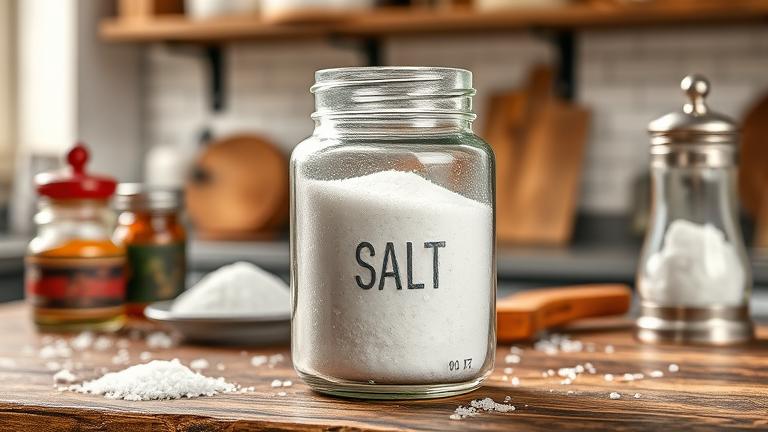
Does Salt Actually Expire?
Many home cooks wonder if salt really has an expiration date or if it can go bad over time. The good news is that salt is a mineral, and unlike many other foods, it doesn’t spoil or become unsafe to eat. But there are some important things to know about storing salt and maintaining its quality.
Salt is naturally resistant to bacteria and mold because of its chemical properties. This means that, in most cases, salt can last indefinitely if stored properly. You can often find very old salt still safe to use in your spice drawer or pantry. However, while salt itself does not expire, its quality can change if it is exposed to certain conditions.
Most common table salts and sea salts contain additives like anti-caking agents, which help prevent clumping. These additives can sometimes lose effectiveness over time, but they rarely cause the salt to become unsafe. If the salt has absorbed moisture or has been stored in a humid environment, it might clump, become hard, or develop a rough texture.
Another factor to consider is whether the salt has been contaminated. If it’s stored near chemicals or strong odors, it might absorb those smells, which can affect its flavor. But in terms of safety, the salt itself remains stable.
Signs That Salt Has Gone Bad
- Clumping or hardening: This usually happens if moisture gets into the container. You can often break up hardened salt or use a moisture absorber, but if it’s very damp, it’s best to discard it.
- Unpleasant smell: Salt should not have any smell. If it smells off or chemical-like, it might be contaminated or exposed to odors that it has absorbed.
- Change in color or texture: If the salt develops discoloration or unusual textures, it’s safer to replace it.
How you store your salt can significantly affect its shelf life. Keep it in an airtight container in a cool, dry place away from heat sources and sunlight. Avoid storing salt near strong-smelling foods or chemicals. Proper storage minimizes moisture absorption and prevents contamination, helping your salt remain fresh for the longest possible time.
Types of Salt You Should Know
When it comes to cooking and seasoning, salt is a kitchen essential. But did you know there are many different types of salt, each with its own flavor, texture, and best uses? Understanding these distinctions can help you choose the right salt for your dishes and even improve your cooking game.
Table Salt
Table salt is the most common salt you’ll find in most kitchens. It’s finely ground, processed to remove impurities, and often contains added anti-caking agents to prevent clumping. Many brands also include iodine, which helps prevent thyroid problems.
Use table salt primarily for recipes where salt dissolves quickly, like baking or boiling water. Because it’s fine and consistent, it’s easy to measure and mix into doughs and batters.
Sea Salt
Sea salt is produced through the evaporation of seawater. It often retains trace minerals from the water, giving it a different flavor profile and sometimes a slightly grisly or flaky appearance. Sea salt can be either coarse or fine depending on how it’s processed.
This type of salt is great for finishing dishes sprinkling over salads, roasted vegetables, or grilled meats. The crunchy texture and richer flavor can enhance many recipes. Remember, because sea salt has larger crystals, a pinch might weigh more than the same size of table salt.
Himalayan Pink Salt
This beautiful pink salt comes from ancient seabeds buried under mountain ranges. It contains minerals like magnesium, potassium, and calcium, which give it a distinctive color and a subtle mineral flavor.
Himalayan salt is versatile. You can use it in cooking or as a finishing salt. Some people even use it for salt blocks, which can be heated or chilled for grilling or serving cold dishes. Keep in mind, its mineral content doesn’t make it significantly healthier, but it does add a unique flavor to foods.
Specialty Salts
There are many other types of salt made for specific purposes. These include:
- Kosher Salt: Large, flaky grains ideal for seasoning meat and for koshering procedures. It dissolves easily and is less salty by volume than fine salts.
- Fleur de Sel: A delicate, flaky sea salt harvested by hand from the top layer of salt ponds. Used as a finishing salt for a touch of crunch and subtle saltiness.
- Black Salt (Kala Namak): A dark, sulfurous salt popular in Indian cuisine, valued for its unique flavor and used in vegan dishes as an egg substitute.
- Sel Gris: A moist, gray sea salt from France with a mineral-rich taste, often used in fine cooking or as a finishing salt.
How to Choose the Right Salt
Select your salt based on what you’re cooking. For baking, standard table salt or fine sea salt works best because of their consistency.
For finishing touches and adding crunch, go for flaky salts like fleur de sel or Himalayan pink salt. Remember, when replacing one type of salt with another, consider the grain size and saltiness because they might measure differently by volume.
Finally, store your salts in a cool, dry place to keep them fresh and free-flowing. Whether you prefer the simplicity of table salt or the visual appeal of Himalayan pink, knowing your options helps you cook smarter and tastier.
How to Tell If Salt Has Gone Bad
Salt is a kitchen essential that usually lasts a very long time, but it can sometimes change in ways that affect its quality. Knowing how to tell if salt has gone bad or become contaminated can help you avoid using it and ensure your dishes stay tasty and safe.
Most of the time, salt keeps well because it’s naturally resistant to bacteria and mold. However, improper storage or exposure to moisture can cause some changes. So, how can you tell if your salt is still good to use? Keep reading for simple tips and signs to watch out for.
Changes in Texture
Fresh salt should feel dry and free-flowing. If you notice that it has become clumpy or sticky, it might have absorbed moisture from the air. Moisture can cause salt to harden into lumps, making it difficult to measure and use properly.
To check, try scooping some salt with your fingers or a spoon. If it feels clumpy or damp, it’s best to break apart the lumps and let it air dry. You can spread it out on a baking sheet for a few hours, then stir it to restore its texture.
Changes in Color
Pure salt is typically white or translucent, but some types, like sea salt or Himalayan salt, have natural color variations. If you notice discoloration, such as yellow, brown, or any unusual spots, it could be a sign of contamination or the presence of impurities.
A change in color might also indicate it has been stored for a long time or exposed to dirt or other substances. If the salt looks different from when you first bought it, inspect it closely and consider replacing it if needed.
Unpleasant Smell or Off-Putting Odor
Although pure salt usually has no smell, contaminated or spoiled salt can develop an unpleasant odor. If your salt smells musty, pungent, or there’s any strange scent, it’s a good idea to discard it.
This is especially true if the salt has been stored in a humid environment or near strong-smelling foods. Keep your salt in an airtight container to prevent odors from seeping in and affecting its quality.
Other Signs to Watch For
- Presence of foreign particles: Look for any dirt or debris mixed in with your salt. If you find any, discard it.
- Change in taste: If the salt tastes different or off, it might be contaminated. Trust your senses and replace it if necessary.
Storage Tips to Keep Your Salt Fresh
- Store salt in an airtight container away from moisture and humidity.
- Keep it in a cool, dry place, such as a pantry or cupboard.
- Avoid storing salt near the stove or sink where it may get splashed or exposed to steam.
By staying attentive to texture, color, and smell, you can ensure that your salt remains fresh and safe to use. Remember, even if salt looks different or smells a bit odd, it’s better to be cautious and replace it when in doubt. Proper storage helps prolong its shelf life and keeps your cooking flavorful!
Best Ways to Store Salt Properly
Storing salt the right way is important to keep it fresh, free from moisture, and safe from contamination. Salt is a household essential that shouldn’t lose its flavor or clump together over time. By following some simple tips, you can ensure your salt stays in top condition for all your cooking needs.
First, choose the right container. A tightly sealed jar or container made of glass, plastic, or ceramic is ideal. These materials prevent air and moisture from reaching the salt. Avoid containers that are porous or have loose-fitting lids, as they can let humidity in and cause your salt to clump or become hard to use. If you prefer a more traditional look, a small vintage salt box with a lid can work well too, as long as it seals tightly.
Next, consider where you store your salt. Keep it in a cool, dry place away from heat sources like stovetops, ovens, or direct sunlight. Excess heat and moisture are the main enemies of good salt storage, making it clump or become contaminated. Pantries or cupboards away from the stove are perfect spots. Avoid storing salt near spices or cleaning products, which can sometimes contain strong scents or chemicals that might transfer to your salt.
Another useful tip is to keep salt away from humidity. If you live in a humid climate, or if your kitchen tends to be moist, add a small moisture absorber to your storage container. Silica gel packets, often found in packaged foods, can help absorb excess moisture. Just make sure they don’t come into direct contact with your salt.
Furthermore, avoid salt containers that were previously used for other substances. Always use a clean, dedicated container for salt. This prevents cross-contamination and keeps the salt tasting pure. If you notice your salt has become damp or has started to form lumps, you can break it up with a fork or give it a quick dry in a low oven. But prevention is better, so store it properly from the start.
For long-term storage, consider transferring granulated salt to an airtight container and keeping it in a cool, dark place. This helps preserve its flavor and texture over months or even years. Remember, although salt doesn’t spoil, old or contaminated salt can affect the taste of your dishes and might harbor bacteria if moisture gets in.
- Use a tightly sealed, non-porous container.
- Store in a cool, dry, and dark place.
- Avoid exposure to heat, sunlight, and humidity.
- Maintain cleanliness don’t reuse salt containers that held other ingredients.
- Add moisture absorbers if needed in humid environments.
By following these simple guidelines, you’ll keep your salt fresh, free-flowing, and ready to enhance your cooking whenever you need it. Proper storage is a small step that makes a big difference in the quality of your meals!
Common Uses of Salt in Cooking
Salt is one of the most versatile and essential ingredients in the kitchen. It enhances flavor, helps preserve foods, and even influences the texture of dishes. Understanding the common ways to use salt can make your cooking more delicious and efficient.
One of the main uses of salt is as a seasoning. It brings out the natural flavors of ingredients and balances sweetness or bitterness. For example, a pinch of salt in baked goods like cookies or cakes can improve their overall taste. When cooking vegetables or meats, sprinkle some salt during cooking to help develop a richer flavor.
Salt is also important for the process of brining and marinating. When you soak meat or poultry in a saltwater solution, it helps keep the meat juicy and tender. This method is popular for making dishes like roasted chicken or pork chops. Marinating with salt, along with herbs and spices, adds depth to the flavor profile of your dish.
Another key use of salt is in preserving foods. Before the invention of refrigeration, salt was used to cure meats, fish, and vegetables. Salting slows down bacterial growth, extending the shelf life of perishable items. For instance, salted cod or ham are traditional preserved foods enjoyed in many cultures.
Salt also plays a role in baking. It not only enhances flavor but also regulates yeast activity, helping bread rise properly. Without enough salt, baked goods can taste flat or bland, while too much can make them tough. For that reason, following recipe salt measurements is important.
In addition, salt can influence the texture of foods. For example, sprinkling salt on tomatoes or cucumbers before eating can improve their firmness and flavor. In some recipes, a sprinkle of salt on fruits like berries can bring out their natural sweetness.
When using salt, it’s helpful to understand the different types available. Table salt is refined and contains additives to prevent clumping. Sea salt and Himalayan pink salt are less processed and may add a different flavor or texture to your dishes. Coarse salts are great for finishing foods or for seasoning during cooking.
To avoid over-salting, always start with a small amount and taste as you go. It’s easier to add more than to fix an overly salty dish. Remember that salt can be a flavor enhancer, but too much can overpower other ingredients. Use it wisely to bring out the best in your cooking.
- Tip: Salt can be added at different stages during cooking or as a finishing touch. Experiment to see what works best for each dish.
- Tip: When trying new recipes, note how much salt is used and adjust to your taste, especially if your salt differs in type or grain size.
Debunking Myths About Salt Shelf Life
Many people believe that salt, like other food items, can expire or go bad over time. If you’ve ever wondered whether your salt can spoil or become unsafe to use, you’re not alone. There are quite a few myths floating around about salt shelf life, so let’s clear up the confusion and understand what is true and what is just misinformation.
First, it’s important to recognize that pure salt, whether table salt or sea salt, is naturally resistant to bacteria, mold, and spoilage. This means that, in most cases, salt does not spoil or go bad in the traditional sense. Unlike dairy or fresh produce, salt doesn’t provide a conducive environment for bacteria to grow. As a result, it has an essentially indefinite shelf life, as long as it is stored properly.
One common myth is that salty products can become unsafe or toxic after a certain date. This is not true. Salt cannot become toxic or dangerous simply due to age. However, some flavored or seasoned salts may contain additives or moisture that can degrade or spoil over time. For example, salts mixed with herbs or spices can lose flavor or develop clumping, but they generally remain safe to use unless they have become contaminated or if moisture leads to mold growth.
Another misconception is that salt should be discarded after its “expiration date.” In reality, that date is often a best-by or sell-by date set by manufacturers mainly for texture and flavor preservation, not safety. Salt can last many years beyond that date if kept in a dry, airtight container.
Proper storage is key to maintaining salt quality. Keep it in a cool, dry place away from moisture, heat, and strong smells, which it can absorb. An airtight container prevents moisture and contaminants from getting in. When salt gets damp, it can clump or even develop mold, especially if it contains added ingredients like herbs or spices. If this happens, it’s best to discard the affected salt rather than try to dry it out again.
Here are some tips to keep salt at its best:
- Store in a sealed container in a cool, dry place.
- Avoid exposing it to moisture or humidity.
- Keep flavored salts separate from plain salts to avoid cross-contamination.
In summary, pure salt does not expire in the traditional sense, and it remains safe indefinitely under proper storage conditions. The main concern is moisture or contamination that can affect salt’s appearance or flavor, especially for seasoned varieties. So next time you find an old jar of salt in your pantry, rest assured that it is probably still good to use just check for any signs of moisture or mold, and give it a quick stir before seasoning your dishes.
Healthy and Safe Salt Usage Tips
Using salt in your cooking can enhance flavors and make meals more enjoyable. However, it’s important to use salt responsibly to stay healthy and avoid health problems. Too much salt is linked to high blood pressure and other health issues. The key is to find a good balance that gives your food taste without overdoing it.
Start by being aware of how much salt you consume regularly. Most people eat more salt than they realize, often because processed foods and snacks are high in sodium. Reading food labels can help you choose lower-sodium options and better control your intake.
Know the Recommended Limits
The general guideline suggests that adults should aim for less than 2,300 milligrams of sodium per day. That’s about one teaspoon of table salt. If you have health conditions like high blood pressure, your doctor might recommend even less, often around 1,500 milligrams daily.
To keep track, consider keeping a food journal or using apps that monitor your daily salt intake. It’s easy to underestimate how much salt is in homemade dishes too, especially if you use stock cubes, soy sauce, or packaged seasonings.
Tips for Using Salt Wisely
- Use herbs and spices: Experiment with herbs like basil, thyme, and rosemary or spices such as pepper, paprika, or cumin. They add flavor without extra sodium.
- Make gradual changes: Reduce the amount of salt you add to your food over time. Your taste buds will adapt, and you’ll start to enjoy less salty flavors.
- Be cautious with processed foods: Canned soups, ready-made meals, and snacks often contain a lot of sodium. Try to choose low-sodium options or make your own versions at home.
- Use salt sparingly in cooking: Add a pinch of salt during cooking and taste before adding more. Remember, you can always add more, but you can’t take it out once it’s in.
- Read labels: Check the sodium content on food labels and avoid products with high levels. A good tip is to choose products with less than 140 milligrams of sodium per serving.
Safe Salt Storage and Handling
Store salt in a cool, dry place, away from moisture, to prevent clumping. Keep it in an airtight container if possible. Be careful when measuring salt; using teaspoons or measuring spoons ensures you don’t add too much by mistake.
Additionally, consider using sea salt or Himalayan salt in moderation if you prefer natural options. These salts contain trace minerals and can be used as finishing salts to add flavor and texture to dishes.
Common Mistakes to Avoid
- Over-salting during cooking: It’s tempting to add salt generously but try to use less. Remember, you can always add more later if needed.
- Relying on salt for flavor: Instead, focus on using herbs, lemon juice, or vinegar to brighten up dishes without extra sodium.
- Ignoring labels: Always read labels on packaged foods. Many contain hidden salt, contributing to daily intake without you realizing it.
Healthy salt habits help you enjoy delicious food while keeping your health in check. Small changes can make a big difference over time. Being aware and cautious about salt use ensures you stay safe and feel good about your cooking choices.