
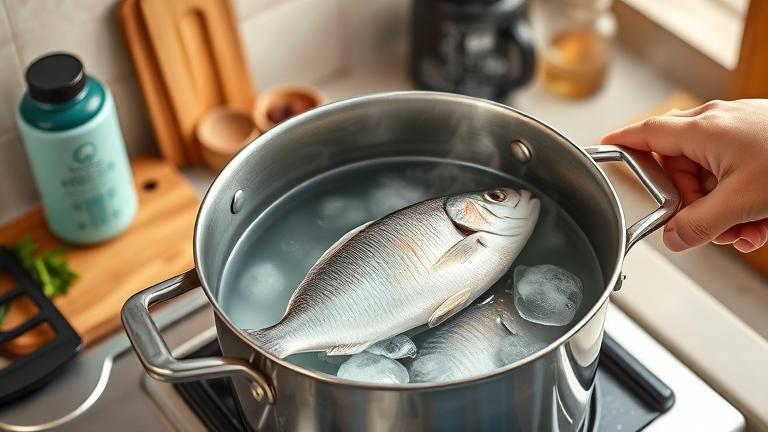
Tips for Perfect Boiled Fish
Boiling fish can be a simple and healthy way to prepare this versatile ingredient. The key to getting tender, flavorful fish lies in selecting the right type and preparing it properly before boiling. Here are some practical tips to help you master the art of boiling fish and enjoy delicious results every time.
Choose the Right Fish
Not all fish are ideal for boiling. Soft, flaky fish like cod, haddock, tilapia, or snapper work best because they hold together well in hot water while remaining moist. Avoid greasy or oily fish such as mackerel or sardines for boiling, as they tend to break apart or become very strong in flavor.
When shopping, opt for fresh or properly thawed fish. Fresh fish should have clear, bright eyes and a clean, mild smell. If buying fillets, look for flesh that is firm and bounces back when pressed.
Preparation Is Key
Before boiling, rinse the fish gently under cold water to remove any slime or impurities. Pat it dry with paper towels for even cooking. If your fish has skin or bones, decide whether to remove or keep them based on your recipe. Usually, removing bones makes eating easier, but bones add flavor during boiling.
For extra flavor, consider adding herbs, lemon slices, garlic, or onion to the water. These ingredients infuse the fish with subtle tastes and make the dish more appealing.
Use the Right Equipment and Technique
Choose a pot that comfortably fits the fish you’re cooking. Add enough water to cover the fish completely. Bring the water to a gentle simmer, not a rolling boil, to prevent the fish from breaking apart. A gentle simmer ensures the fish cooks evenly and stays tender.
Adding a pinch of salt to the water enhances the flavor. For added aroma, include herbs like bay leaves or dill. Once the water is simmering, carefully lower the fish into the pot using a slotted spoon or gently place it in so it doesn’t break apart.
Cooking time varies depending on the thickness of the fish. As a general rule, cook fish for about 10 minutes per inch of thickness. Thin fillets may take just 5-7 minutes, while larger pieces could need up to 15 minutes. To check if it’s done, insert a fork into the thickest part and see if it flakes easily.
Tips for Success
- Don’t overcook the fish, as it can become rubbery and lose flavor.
- Maintain a gentle simmer to keep the fish intact and moist.
- Use fresh or high-quality fish to ensure the best taste and texture.
- If your fish is particularly thick, consider cutting it into smaller pieces for more even cooking.
- Always let the cooked fish rest for a minute before serving; this helps preserve its moisture.
Boiling fish may seem simple, but attention to detail makes a big difference. By choosing the right fish, preparing it properly, and cooking it gently, you’ll achieve tender, flavorful results that elevate your meal. With these tips, you can confidently perfect your boiled fish every time.
Step-by-Step Boiling Method
Boiling fish is a simple and effective way to cook it gently, helping to keep the meat tender and flavorful. Whether you’re making a soup, stew, or preparing fish for other dishes, following these steps ensures your fish turns out perfect every time. Let’s walk through the process together.
1. Choose Fresh Fish
Start with fresh fish for the best flavor and texture. Look for clear eyes, firm flesh, and a fresh ocean smell. If you’re using fillets or whole fish, rinse them under cold water and pat dry with paper towels.
2. Prepare Your Cooking Liquid
Fill a large pot with enough water to fully submerge the fish. You can enhance the flavor by adding aromatics such as sliced onions, garlic, lemon slices, herbs like dill or parsley, and a pinch of salt. Bring this mixture to a gentle boil over medium-high heat.
3. Gently Add the Fish
Once the water is boiling lightly, carefully add the fish. To prevent breaking apart, lower the fish gently with a slotted spoon or a fish spatula. Make sure the water covers the fish completely.
4. Adjust the Heat and Monitor
Reduce the heat to low so the water remains at a gentle simmer. Avoid a rolling boil, as vigorous boiling can break apart delicate fish fillets or scraps. Use a timer to keep track of cooking time.
5. Cook Until Done
The cooking time depends on the size and thickness of your fish. As a general rule, 10 minutes per inch of thickness is a good guide. The fish is ready when it becomes opaque and flakes easily with a fork. You can test this by gently inserting a fork into the thickest part and twisting slightly.
6. Remove and Serve Carefully
Once cooked, turn off the heat and carefully lift the fish out of the water with a slotted spoon or tongs. Let it drain briefly, then serve immediately. For extra flavor, you can drizzle lemon juice or add a sprinkle of fresh herbs on top.
Tips and Common Mistakes to Avoid
- Don’t overcook the fish, or it will become dry and tough.
- Always start with cold or room temperature fish to ensure even cooking.
- This method works well for whole fish, fillets, or chunks. Adjust cooking times accordingly.
- If you want to retain the fish’s moisture, consider adding a splash of white wine or broth to the boiling water.
- Be gentle when handling fish to keep the delicate texture intact.
By following these steps, you’ll be able to boil fish perfectly, resulting in tender, flavorful pieces that are ready to enjoy in many dishes. Practice makes perfect, so don’t worry if your first attempt isn’t flawless — each time will get better!
Choosing Fresh Fish for Boiling
Finding the right fish for boiling is key to making a tasty and safe meal. Fresh fish will give you better flavor and ensure that your dish is enjoyed without worries. Whether you’re preparing a simple fish boil or a more elaborate recipe, selecting the freshest fish is the first step.
When shopping for fish, look for fish that smells clean and ocean-like, not overly fishy or sour. Fresh fish should have clear, bright eyes that are slightly bulging, not sunken or cloudy. The gills should be vibrant red or pink, not brown or slimy. The skin should look moist and shiny, with firm flesh that springs back when pressed lightly. Avoid fish with dull color, dry patches, or sticky feel, as these are signs of age or poor handling.
It’s a good idea to buy fish from a reputable fishmonger or a store that keeps seafood properly chilled on crushed ice. Do not buy fish if it has been sitting out for too long or if the packaging seems damaged. If you’re buying fish from a market, ask the clerk how fresh the fish is and when it was brought in. Fresh fish is best used within one or two days of purchase, so plan your cooking accordingly.
Types of Fish Ideal for Boiling
- Cod
- Haddock
- Hake
- Pollock
- Cusk
These types are popular because they hold up well during boiling and have a mild, appealing flavor. They also tend to be widely available, making it easier to pick a fresh option.
Tips for Picking the Best Fish
- Check the fish’s eyes: They should be clear and shiny. Cloudy or sunken eyes indicate age.
- Smell the fish: It should have a fresh, ocean-like smell. Avoid fish that smells strongly or sour.
- Inspect the skin: It should look moist and shiny, with no discoloration or dryness.
- Look at the gills: They should be vibrant red or pink. Avoid brown, dull, or slimy-looking gills.
- Press the flesh: It should feel firm and bounce back when touched.
Storage Tips
Keep your fish cold until you’re ready to cook. Store it in the coldest part of your fridge, ideally on a plate covered with plastic wrap or in a sealed container. If you don’t plan to cook it within a day or two, freezing is a good option. Wrap the fish tightly to prevent freezer burn and label it with the date.
Remember, fresh fish makes all the difference for taste and safety when boiling. Taking a moment to select good-quality fish will pay off in a flavorful, comforting meal.
Flavoring and Seasoning Ideas
Boiled fish is a simple and healthy dish, but the right seasonings can elevate its flavor and make it truly exciting. Whether you prefer a subtle touch or bold spices, there are many ways to enhance boiled fish without overpowering its delicate taste. Here are some creative ideas to season and flavor your boiled fish effectively.
Start with a good base of salt and pepper. These basic seasonings help bring out the natural flavors of the fish. A pinch of salt and a few cracks of black pepper are the first step. From there, you can build layers of flavor with herbs and seasonings.
Herbs and Aromatics
- Lemon or Lime: Add fresh citrus slices or a squeeze of juice after boiling for a bright, tangy flavor.
- Fresh Herbs: Dill, parsley, cilantro, or basil work beautifully with fish. Toss chopped herbs over the fish just before serving or add them to the cooking water for subtle infusions.
- Garlic and Onion: Sliced garlic cloves or onion rings can be added to the boiling water for a gentle garlic aroma or onion flavor.
Spice Blends and Seasonings
- Old Bay or Cajun Seasoning: These spice blends offer a mix of paprika, cayenne, and herbs that give your fish a flavorful kick.
- Smoked Paprika: Adds a smoky depth without requiring actual smoking. Sprinkle over the fish after boiling or mix into seasonings.
- Curry Powder or Turmeric: For an exotic twist, incorporate a pinch of curry powder or turmeric into your seasoning mix.
Flavorful Liquids and Sauces
- Olive Oil and Vinegar: Drizzle with high-quality olive oil and a splash of vinegar or lemon juice for a fresh, tangy finish.
- Soy Sauce or Fish Sauce: For an umami boost, add a few drops of soy or fish sauce. Use sparingly to avoid overpowering the fish.
- Hot Sauce or Chili Flakes: If you enjoy a little heat, sprinkle chili flakes or hot sauce over the fish after boiling.
Additional Tips for Flavoring
- Experiment with combining herbs and spices based on your personal taste. For example, thyme, lemon zest, and garlic make a lovely classic pairing.
- Avoid over-seasoning, especially if you plan to serve the fish with a flavorful sauce or condiment.
- Remember that ingredients like lemon and herbs are best added after boiling to keep their fresh flavor and aroma intact.
- Stick to light seasonings if you plan to serve the fish in a sauce or with seasoning-rich sides to avoid overwhelming the dish.
Easy Tips for Beginners
Boiling fish is a healthy and simple way to prepare a delicious meal, perfect for those just starting out in the kitchen. If you’re new to cooking fish, don’t worry — with a few helpful tips, you’ll be boiling fish like a pro in no time. Here are some practical and friendly tips to guide you through the process.
Choose Fresh Fish
Start with fresh fish for the best flavor and texture. Freshness makes a big difference in how your boiled fish turns out. Look for fish with clear eyes, firm flesh, and a clean smell. If buying fillets, ensure they’re moist but not slimy. Fresh fish cooks evenly and tastes much better than fish that’s gone past its prime.
Use the Right Pot
Select a pot large enough to hold the fish comfortably. Fill it with enough water to fully submerge the fish, but don’t overload it. Adding a few aromatics like lemon slices, bay leaves, or herbs to the water can enhance the flavor. Keep the water at a gentle simmer, not a rolling boil, to prevent the fish from breaking apart.
Cooking Time Is Key
Overcooking fish can make it dry and tough, so aim for the right cooking time. As a general rule, boil fish for about 10 minutes per inch of thickness. For example, a fillet that’s 1 inch thick should be done in around 10 minutes. Check for doneness by seeing if the fish flakes easily with a fork. Keep in mind that fish continues to cook slightly after removing from water, so slightly undercooking is better than overdoing it.
Monitor the Water Temperature
Keep the water at a gentle simmer, around 180 to 190 degrees Fahrenheit. If the water is boiling too vigorously, it can cause the fish to fall apart. Use a thermometer if needed, or adjust the heat to maintain a gentle bubbling. This steady temperature ensures that the fish cooks evenly and stays tender.
Handle the Fish Gently
Use a slotted spoon or a spatula to gently lift the fish out of the water. Be careful not to break the delicate flesh. If you’re cooking multiple pieces, give them enough space in the pot so they don’t stick together. Once cooked, let the fish rest for a minute or two before serving, allowing the flavors to settle.
Adding Flavor and Serving Ideas
After boiling, you can season the fish with a squeeze of lemon, a drizzle of olive oil, or a sprinkle of herbs like parsley or dill. Boiled fish pairs well with vegetables, rice, or a simple salad. For extra flair, try adding a splash of soy sauce or a dash of hot sauce for some heat.
- Don’t overcook the fish — it will become dry and lose its delicate texture.
- Use fresh ingredients for the best results.
- Keep the water at a gentle simmer for even cooking.
- Be gentle when handling the fish to prevent breaking it apart.
Boiling fish is an easy, straightforward method for a nutritious meal. With these friendly tips, even beginners can enjoy a perfectly cooked fish every time. Just remember to keep an eye on the timing, temperature, and gentle handling — and soon you’ll be boiling fish like a seasoned pro!
Nutritional Benefits and Serving Ideas
Boiled fish is a fantastic addition to a healthy diet, offering many essential nutrients with minimal fat. It is rich in high-quality protein, which helps build and repair body tissues, making it especially good for active individuals and those recovering from illness. Additionally, boiled fish is a great source of omega-3 fatty acids, which support heart health, boost brain function, and reduce inflammation.
Eating fish regularly can also provide important vitamins and minerals. These include vitamin D, which is vital for bone health and immune support, and B vitamins like B12, necessary for energy production and nervous system health. Minerals such as selenium, magnesium, and iodine are also abundant in fish, supporting different bodily functions.
One of the main advantages of boiling fish is that it preserves nutrients well since there’s no need for added fats or oils. This cooking method makes it a healthy choice for those managing their weight or aiming to improve their overall diet. Plus, boiled fish is easy to digest, making it suitable for people of all ages, including young children and older adults.
To enjoy boiled fish to the fullest, consider how you serve it. It pairs wonderfully with a variety of dishes and flavors. For a complete meal, try pairing it with fresh vegetables such as steamed broccoli, green beans, or a colorful mixed salad. A squeeze of lemon or a drizzle of olive oil can enhance the natural flavors. You might also serve boiled fish alongside whole grains like brown rice, quinoa, or couscous, which add fiber and make the meal more satisfying.
Here are some serving ideas to inspire your meals:
- Top boiled fish with a tomato and cucumber salsa for a light, refreshing dish.
- Use shredded boiled fish to make fish tacos, with some fresh avocado and salsa inside soft tortillas.
- Add boiled fish chunks into a warm vegetable stir-fry for extra protein.
- Make a flavorful fish chowder or soup, combining the fish with vegetables and herbs.
- Serve boiled fish with roasted sweet potatoes and a side of sautéed greens for a nutritious dinner.
For a quick and easy way to enjoy boiled fish, simply sprinkle it with herbs like parsley, dill, or cilantro, and serve with a wedge of lemon. This keeps the dish light and full of flavor. For more richness, you can also prepare a simple homemade sauce, like a yogurt-based dressing or a mild mustard sauce.
Keep in mind that overcooking fish can make it dry and less flavorful. Usually, boiling should take about 8 to 10 minutes depending on the size and type of fish. It’s ready when the flesh turns opaque and flakes easily with a fork.
In summary, incorporating boiled fish into your meal plan offers numerous health benefits and is versatile enough for many tasty dishes. By pairing it with colorful vegetables, grains, and light seasonings, you can enjoy nutritious, balanced meals that support your overall well-being.
Troubleshooting Common Issues
Boiling fish can seem simple, but sometimes things don’t go as planned. You might find your fish is overcooked, undercooked, or lacking flavor. Don’t worry—most problems have straightforward solutions. Here are some common issues and how to fix them to help you boil fish perfectly every time.
Fish Is Overcooked and Dry
This is one of the most common mistakes. Overcooking fish makes it dry and flaky in an unpleasant way. To avoid this, keep a close eye on the cooking time. Typically, fish needs only about 10 minutes of boiling per inch of thickness. Once the flesh turns opaque and flakes easily with a fork, it’s done.
If you find your fish is already dry, try adding a simple sauce or a squeeze of lemon to enhance moisture and flavor. To prevent overcooking in the future, set a timer, and consider removing the fish from boiling water as soon as it reaches the right doneness.
Fish Is Undercooked or Raw
If your fish is still translucent and raw in the middle, give it a few more minutes in boiling water. Sometimes, thicker cuts need extra time. Always check the thickest part of the fish first.
To ensure even cooking, place the fish in boiling water gently, avoid overcrowding the pot, and keep the temperature steady. If you’re in a hurry, cut the fish into smaller pieces before boiling, which helps it cook faster and more evenly.
Fish Falls Apart or Breaks Apart
While some fish are naturally flaky, too much breakage usually means it’s overcooked or handled roughly. To keep your fish intact, gently lower it into boiling water without stirring or agitating too much. Use a slotted spoon to lift out the fish carefully.
When serving, wait a few seconds before transferring the fish to a plate. This minimizes breaking apart and keeps your presentation looking nice.
Fish Has a Strong, Unpleasant Odor
If your fish smells strong or fishy even after cooking, it might not be fresh. Always choose fresh fish from a reliable source, and store it in the fridge for no more than one to two days before cooking.
For a milder flavor, add a splash of lemon juice or vinegar to the boiling water. You can also add herbs like bay leaves, dill, or parsley to help mask any lingering odors.
Water Becomes Cloudy or Stays Stinky
If the boiling water becomes cloudy or develops a strong smell, it’s best to discard it and start with fresh water for the next batch. To reduce cloudiness, rinse the fish well before boiling and avoid overcooking.
Using a clean pot and fresh water helps keep the cooking process clean and pleasant.
Additional Tips for Perfect Boiled Fish
- Always bring water to a gentle boil before adding the fish. A vigorous boil can cause the fish to toughen or break apart.
- Add aromatics like lemon slices, garlic, or herbs to the water for extra flavor.
- If you want very tender fish, try cooking it at a lower temperature, around a gentle simmer, instead of a rolling boil.
- To check doneness, insert a fork into the thickest part. It should flake easily and be opaque.
Having a few troubleshooting tricks up your sleeve makes boiling fish easier and more successful. With these tips, you’ll avoid common pitfalls and enjoy perfectly cooked, flavorful fish every time.