
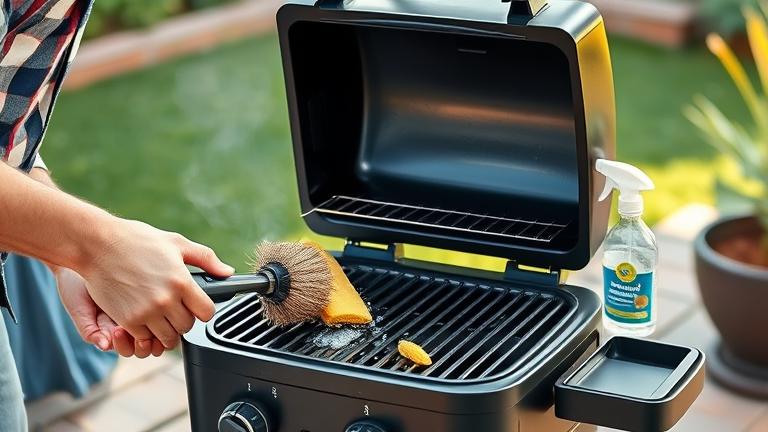
Tools You Need for Small Grill Cleaning
Cleaning a small grill can be straightforward when you have the right tools at hand. The key is to choose equipment that helps remove grease, food residues, and rust without damaging your grill’s surface. With a few essential items, you’ll find the cleaning process quicker and more effective.
First on your list should be a good grill brush. Look for one with sturdy bristles that can handle tough grime and food bits. Many brushes have stiff wire bristles or heat-resistant nylon that won’t melt during use. A brush with a long handle helps keep your hands safe from heat and allows for easier reach into tight spots.
Next, a scraper can be very handy for stubborn residue stuck on the grates or inside the grill box. Silicone or plastic scrapers work well without scratching delicate surfaces. For really stubborn spots, a metal scraper designed specifically for grills can be used, but always be gentle to avoid damaging the coating or enamel.
Cleaning tools don’t stop at brushes and scrapers. A bundle of microfiber cloths or soft rags makes wiping down surfaces after brushing easier and streak-free. These cloths are gentle but effective at removing grease and leftover debris without scratching your grill.
For those deeper cleanings, having some specialized cleaning agents can make a big difference. A degreaser formulated for grills helps cut through built-up grease. You can also use a mixture of warm water and mild dish soap for routine cleaning. Avoid harsh chemicals that may leave residues or damage the finish.
Finally, consider a spray bottle for applying cleaning solutions evenly. A small container or bowl with a mixture of vinegar and water can serve as a natural cleaner, especially for removing rust or mineral deposits. For convenience, some grill owners keep a dedicated cleaning kit with all these tools in one place, making it quick to grab when it’s time to clean your grill.
Here is a quick overview of recommended tools:
| Tool | Purpose | Tips |
|---|---|---|
| Grill Brush | Scrubs grates and surfaces | Choose one with sturdy, safe bristles and a long handle |
| Scraper | Removes stuck-on residue | Use plastic or silicone for delicate finishes, metal for tough spots |
| Microfiber Cloths | Wipe down and polish surfaces | Soft and non-abrasive, ideal for final cleaning |
| Cleaning Agents | Breaks down grease and grime | Use grill-safe degreasers or natural solutions like vinegar and water |
| Spray Bottle | Apply cleaning solutions evenly | Ideal for natural cleaners and vinegar mixtures |
With the right tools, small grill cleaning becomes a quick and easy task. Discover your favorites and set up your cleaning kit so you are always ready to keep your grill in top shape.
Step-by-Step Guide to Cleaning Your Grill
Cleaning your small grill might seem like a big job, but with the right steps, it becomes simple and quick. Regular cleanings help your grill stay in good shape and ensure your food tastes great every time. Let’s go through a friendly, practical guide to make your cleaning process smooth and effective.
First, always make sure your grill is turned off and cool. If you just finished grilling, wait until the grill has cooled down completely. Safety is important, and hot surfaces can cause burns. Once cooled, unplug any electric parts if available.
Next, remove the grates and any removable parts like drip trays or warming racks. Use a sturdy grill brush or a scraper to loosen and sweep off any loose debris and grease. For stubborn grime, you can use a putty knife or a wire brush. Be gentle but thorough, especially around tricky corners.
Now, it’s time to soak the removable parts. Fill a bucket or sink with warm, soapy water—dish soap works well. Submerge the grates and other parts, letting them soak for about 15 to 20 minutes. This helps loosen any grease stuck on the surfaces, making cleaning easier.
While the parts soak, clean the inside of your grill. Use the brush or scraper to remove built-up grease and residue from the walls and bottom. Be careful not to damage any paint or coating. For crannies and hard-to-reach spots, use an old toothbrush or small cleaning tool. If your grill has grease build-up, a mixture of baking soda and water can act as a gentle scrubber. Spread the paste on stubborn spots, then scrub lightly.
After soaking, scrub the removable parts with a scrub brush or steel wool if needed. Rinse them thoroughly with clean water to remove any soap or debris. Dry everything well with a towel or let them air dry to prevent rust.
Don’t forget to clean the exterior of your grill. Use a damp cloth with a mild soap solution to wipe down the outer surfaces. If there are stubborn stains, a little vinegar or a specialized grill cleaner can help. Dry all surfaces afterwards to keep your grill looking good and functioning properly.
Once all parts are clean and dry, reassemble your grill. Place the grates and removable parts back in their proper spots. Check that everything is secure and in the right place. Now your small grill is ready for its next barbecue session or for storage.
Here are some extra tips to keep in mind:
– Clean your grill regularly, ideally after every few uses, to prevent heavy build-up.
– Use a grill cover when not in use to keep it clean and protected from weather.
– Always follow safety instructions, especially around hot surfaces and cleaning chemicals.
With these friendly steps, cleaning your small grill turns into a quick routine instead of a chore. Keep your grill in top shape, and it will reward you with delicious meals for many seasons to come.
Best Practices for a Sparkling Small Grill
Keeping your small grill clean and shiny doesn’t have to be difficult. With a few simple habits and regular maintenance, your grill can stay looking great and working efficiently for many cookouts to come. Proper care also helps prevent rust, keeps flavors fresh, and makes grilling safer and more enjoyable.
Establish a Regular Cleaning Schedule
The most important step to maintaining a sparkling grill is cleaning it regularly. After each use, let the grill cool slightly, then brush off leftover debris with a wire brush or grill brush. This prevents grease and food buildup that can lead to unpleasant smells or even fires.
For a deeper clean, plan a more thorough cleaning every 1 to 2 months, especially if you use it often. Remove grates and soak them in warm, soapy water to loosen any stubborn residue. Clean the interior of the grill with a brush or cloth, and wipe down the exterior to keep it looking shiny.
Right Techniques for Cleaning Your Grill
- Preheat and scrape: Before cleaning, preheat the grill for about 10 minutes. The heat will loosen stuck-on food, making it easier to brush away.
- Use the right tools: A stiff wire brush or a specialty grill brush works best for removing charred bits. For stubborn spots, turn off the heat, then scrub gently but firmly.
- Clean the grates: After brushing, wipe down grates with a damp cloth. For shiny, like-new results, rub a little cooking oil on the grates after cleaning. This also helps prevent rust.
- Don’t forget the vents and interior: Dust the vents and other internal parts with a brush to ensure good airflow and prevent buildup.
Keep Your Small Grill Shiny and Functional
Beyond routine cleaning, some extra tips help maintain your grill’s appearance and performance. Cover your grill with a weatherproof cover when not in use to protect it from rain, dust, and sun damage. Store accessories like tools and propane tanks in a dry place.
If you notice rust or corrosion starting, gently scrub it with a steel wool pad or rust remover. Applying a thin layer of cooking oil on the exterior can also help maintain its shine and prevent rust.
Be mindful of food choices—marinades and sauces can stain surfaces if not cleaned promptly. Wipe down surfaces after cooking to keep your grill looking polished.
Watch Out for Common Mistakes
- Using excessive water or harsh cleaners can damage the grill’s coating. Always stick to mild soap and water or specialized grill cleaners.
- Neglecting to clean after each use can lead to stubborn buildup and rust. Establish a simple cleaning routine to stay on top of things.
- Forgetting to close the lid during cooking can cause grease to splatter, making cleanup messier later.
Keeping your small grill clean and shiny is straightforward with consistent effort. Follow these best practices, stay vigilant with regular cleaning, and your grill will stay looking great and ready for your next barbecue adventure.
Common Mistakes to Avoid During Cleaning
Cleaning your small grill might seem simple, but there are some common mistakes that can lead to damage or less effective results. Knowing what to avoid can help you keep your grill in top shape and ready for your next cookout.
One of the biggest errors is using harsh or metal scrub brushes on the grill grates. While it might seem like an easy fix, metal brushes can scratch the surface of the grates or even leave behind metal bristles that could end up in your food. Instead, opt for a softer brush or a scrubbing pad designed for grills. You can also use a mixture of baking soda and water to loosen stuck-on grime gently.
Another mistake is neglecting to clean the grease trap or drip tray regularly. Grease buildup can cause flare-ups during grilling and even pose a fire hazard. Always remove and clean these parts after each use, using warm soapy water. Take care to dry them thoroughly before reinstalling to prevent rust.
Many people make the mistake of cleaning the grill when it is still hot. Hot surfaces can cause splatters or burns, especially if you’re using cleaning products that aren’t safe at high temperatures. It’s best to wait until the grill cools down completely before starting your cleaning routine.
Overusing cleaning sprays or detergents is another common mistake. While a spray might seem convenient, too much soap can leave residues that transfer to your food the next time you cook. Use minimal amounts and rinse thoroughly to ensure no harmful chemicals remain behind.
Some folks forget to check the burners and ventilation system. Blocked or dirty burners can cause uneven heating or even damage the grill’s internal parts. Before cleaning, inspect the burners and clean out any debris or spider webs that might have accumulated. Make sure air vents are clear for optimal airflow.
- Always unplug or disconnect the grill from the power source if applicable before cleaning.
- Don’t forget to remove and clean the grease tray frequently.
- Allow the grill to cool completely before starting your cleaning process.
- Use gentle cleaning tools and natural cleaning solutions when possible.
- Inspect the burners and air vents regularly for blockages.
Avoiding these common mistakes can extend the life of your small grill and improve the quality of your cooking. Regular, careful cleaning ensures your grill stays safe, efficient, and ready for your next meal.
Eco-Friendly Cleaning Options and Products
Cleaning your small grill doesn’t have to involve harsh chemicals that can harm the environment. There are plenty of eco-friendly solutions that are safe, effective, and gentle on the planet. Using natural cleaning methods helps reduce your carbon footprint while keeping your grill in top shape for your next cookout.
One of the simplest and most effective eco-friendly cleaning options is a mixture of vinegar and water. White vinegar is a natural disinfectant that breaks down grease and grime without leaving harmful residues. To create a cleaning spray, mix equal parts of vinegar and water in a spray bottle. Spray it on your grill grates and other parts, then scrub with a brush or cloth. This method works well for routine cleaning after grilling.
Baking soda is another versatile and eco-friendly cleaning ingredient. It absorbs odors, lifts grease, and can be used to scrub stubborn spots. Sprinkle baking soda directly onto greasy areas or make a paste by mixing it with a little water. Use a soft brush or sponge to clean the surfaces. Rinse with water and wipe dry. Baking soda is safe for most grill parts and helps maintain the grill’s shine without harsh chemicals.
For deeper cleaning, consider combining baking soda with vinegar. Pour vinegar over greasy spots and then sprinkle baking soda on top. The fizzing action helps loosen grime. After waiting a few minutes, scrub and rinse thoroughly. This natural reaction is a powerful way to tackle tough buildup while remaining eco-friendly.
Aside from homemade solutions, many brands now offer environmentally friendly cleaning products designed specifically for grills. Look for products labeled as biodegradable, non-toxic, or made from plant-based ingredients. Always check the labels to avoid those with harsh chemicals like bleach or ammonia, which can harm the environment.
When choosing cleaning tools, opt for biodegradable scrub brushes or those made from recycled materials. Avoid plastic brushes with non-recyclable parts. Using sustainable tools reduces waste and supports eco-conscious practices.
- Remember to clean your grill regularly. Regular maintenance reduces the need for heavy-duty cleaning and conserves water and energy.
- Always verify that your cleaning products are safe for the grill surfaces and the environment.
- Dispose of used cleaning solutions responsibly. Many natural cleaners can be safely poured down the drain, but check local guidelines for disposal instructions.
Cleaning your small grill with eco-friendly options not only protects the environment but also prolongs the life of your grill. With simple ingredients like vinegar and baking soda, plus thoughtful product choices, you can keep your grill spotless and sustainable. Plus, using natural cleaners ensures your food remains free of chemical residues, making every meal safer and healthier.
FAQs About Small Grill Maintenance
Keeping your small grill in good shape is key to enjoying tasty meals every time you fire it up. Regular maintenance helps prevent problems, extends the life of your grill, and ensures your food cooks evenly. Here are some common questions and helpful tips to keep your small grill running smoothly.
How often should I clean my small grill?
It’s best to clean your grill after every few uses, especially if you use it frequently. A quick scrub of the grates after each cook prevents buildup of grease and food debris. Deep cleaning, including removing parts and cleaning the inside, should be done at least once a month or when you notice the grill isn’t heating evenly. Regular cleaning keeps your grill safe, efficient, and ready to use whenever you want.
What’s the best way to clean the grill grates?
For best results, clean the grates while they are still warm. Use a grill brush or a sturdy scraper to remove loose food and grease. For stubborn residue, you can dip a paper towel in vegetable oil and rub it over the grates with tongs. Alternatively, soak grates in hot soapy water for an hour, then scrub with a brush. Regular cleaning prevents rust and keeps your food from sticking.
How do I prevent rust on my small grill?
Rust can be a common problem, especially if your grill is exposed to outdoor weather. To prevent rust, always dry your grill thoroughly after cleaning or rain. Apply a light coat of vegetable or cooking oil to the metal parts to create a barrier against moisture. Cover your grill with a weatherproof cover when not in use. Storing it in a dry, sheltered spot also helps prolong its lifespan.
When should I replace parts like the grill grate or burners?
Inspect your grill regularly for signs of wear and tear. If the grill grate has deep rust spots, cracks, or is warped, it’s time to replace it. Burners showing corrosion, uneven flames, or holes should also be swapped out to maintain safety and performance. Replacing worn parts prevents inefficiency and possible safety issues. Many parts are available online or at hardware stores, and some are easy to install yourself.
What’s the safest way to store my small grill during the off-season?
If you won’t be using your grill for several months, give it a thorough cleaning first. Remove all leftover charcoal, ash, or debris. Cover the grill with a weatherproof cover, ensuring it’s secure. Store it in a dry, sheltered place such as a garage or shed. This prevents rust and damage from elements like rain or snow. For added protection, you can also detach and store parts inside your home.
Are there any quick tips for maintaining my small grill’s performance?
- Preheat the grill before cooking to burn off residue and season the grates.
- Use a two-zone setup: keep one side hot and the other cooler for versatile cooking.
- Clean grease trays regularly to prevent flare-ups during grilling.
- Check gas lines or fuel supply if your grill isn’t heating properly.
- Perform a deep clean and inspection at least once a year, or more often if needed.
Following these simple maintenance tips will keep your small grill in top shape for many grilling seasons to come. Regular care not only improves performance but also ensures safe, tasty cooking every time you light it up.
Tips for Keeping Your Grill in Top Shape
Regular maintenance is key to ensuring your grill stays in great condition and performs well every time you use it. Taking a little time to care for your grill can extend its lifespan and make your cooking sessions more enjoyable.
Start by cleaning your grill after each use. Once it’s cooled down, remove any leftover food and ash. Use a grill brush or a scraper to clean the grates thoroughly. This prevents buildup that can cause rust or affect the flavor of your food.
Periodically, give your whole grill a deeper clean. Remove the cooking grate and clean the interior with warm soapy water. Rinse well and dry fully before putting everything back together. This helps prevent rust and keeps your grill looking its best.
Check the vents and air intakes regularly. These need to be clear so the fire gets enough oxygen. Blocked vents can cause uneven heating or make it hard to control the temperature. Use a brush or a small tool to clear any debris that may block the airflow.
Don’t forget about the exterior. Wipe down the outside of your grill with a damp cloth. For stainless steel models, a special cleaner can keep it shiny and protected. Keeping the outside clean also prevents rust from forming on the surface.
Store your grill properly, especially during off-season months. If you can, keep it in a covered area or use a weatherproof cover. This shields it from rain, snow, and sun, which can all damage the metal over time. Just make sure the cover is breathable to prevent moisture buildup.
Inspect your grill regularly. Look for signs of rust, loose parts, or damage. Tighten any loose screws or bolts. If you notice rust, gently scrub it away with steel wool and treat the area with a rust-resistant spray or paint. Addressing small issues early prevents bigger problems later.
Check the propane tank or charcoal supply. For gas grills, ensure the connections are tight and leak-free. A simple soap and water test can reveal leaks—bubbles will form if gas escapes. For charcoal grills, keep extra briquettes stored in a dry place and make sure the airflow vents are clean for easy lighting.
Lastly, perform a safety check before each cookout. Make sure all parts are secure and functioning correctly. Never use a grill that has significant damage or rust that might compromise its safety.
- Always clean the grates after each use.
- Store your grill covered and protected from weather.
- Regularly inspect and tighten loose parts.
- Address rust spots immediately to prevent spreading.
- Check for gas leaks before using a propane grill.
With these simple maintenance tips, your small grill will last longer and serve up delicious meals for years to come. A little regular care goes a long way in keeping your grilling experience safe and fun.