
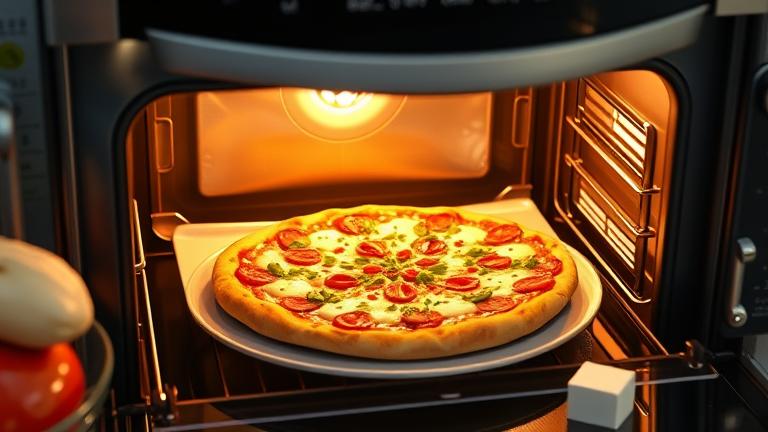
Tips for Preparing Pizza Dough
Making great pizza starts with a good dough. Whether you’re new to baking or have some experience, these tips will help you prepare and shape your pizza dough for the best results. A well-made dough gives your pizza a perfect foundation, crispy edges, and a tender inside.
First, always measure your ingredients carefully. Bread flour or pizza flour with high gluten content is ideal because it creates a chewy, airy crust. Use a kitchen scale if possible to get accurate measurements. Too much flour can make the dough tough, while too little may make it sticky and hard to work with.
When mixing your dough, combine the ingredients until just merged, then knead thoroughly. Kneading develops the gluten, which gives your pizza structure. You can knead the dough by hand—press, fold, and turn it until smooth and elastic. This usually takes about 8-10 minutes. If you’re using a stand mixer, knead on medium speed for about 5 minutes.
Temperature matters, especially when activating yeast. Warm water (around 100-110°F or 38-43°C) helps yeast ferment and makes the dough rise better. If your water is too hot, it can kill the yeast, so use a thermometer for accuracy. Add a pinch of sugar or honey to feed the yeast and jump-start fermentation.
Let your dough rest and rise in a warm, draft-free spot. Cover it with a damp cloth or plastic wrap. Resting time can vary: a quick 30-minute rise will give a slightly softer crust, while a longer rise of 1 to 2 hours develops more flavor and better texture. If you have time, refrigerate the dough overnight for extra flavor and easier handling.
When it comes to shaping the dough, start by punching down the risen dough to remove air bubbles. Divide it into portions if you want smaller pizzas. Flatten each portion gently with your hands or a rolling pin. For a classic round pizza, press from the center outward, leaving a slightly thicker edge for the crust. Don’t overwork the dough, or it can become tough.
To achieve a good crust, aim for even thickness. If using a rolling pin, keep turning the dough to prevent sticking and to ensure a round shape. Lightly flour your surface and rolling pin to prevent sticking, but avoid adding too much flour, which can dry out the dough.
Finally, before adding toppings, let the shaped dough rest for a few minutes. This short rest helps the gluten relax, making it easier to handle and preventing bubbling during baking. Now your dough is ready for sauce, cheese, and toppings, giving you a delicious homemade pizza every time.
- Use high-quality flour for better texture.
- Be precise with measurements to avoid tough or sticky dough.
- Allow the dough to rise in a warm, draft-free area for optimal fermentation.
- Handle the dough gently while shaping to keep the air bubbles intact.
Best Toppings for Homemade Pizza
When making homemade pizza, choosing the right toppings can turn a simple base into a delicious masterpiece. Whether you like classic flavors or want to get creative, there are plenty of popular and tasty options to customize your pizza to suit your taste buds.
Popular Classic Toppings
Some toppings never go out of style. These classics are loved worldwide for a reason and are easy to find in most grocery stores.
- Pepperoni: A favorite for many, pepperoni adds a spicy, savory flavor. It melts well and becomes crispy when baked.
- Sausage: Whether sausage links or crumbled, it offers a hearty touch. Try spicy Italian or sweet Italian for different flavors.
- Cheese: A blend of mozzarella, cheddar, or provolone provides rich, gooey goodness. Don’t hold back on the cheese—it’s the hero of many pizzas.
- Olives: Black or green, olives add a salty tang that complements other toppings nicely.
- Onions: Thinly sliced onions give a sweet or sharp flavor, especially when caramelized before adding.
Vegetable Toppings to Brighten Your Pizza
If you prefer a lighter, more colorful pie, vegetables are your friends. They add crunch, flavor, and nutrition.
- Bell Peppers: Red, green, yellow, or orange—bell peppers are sweet and crisp, perfect for adding some color.
- Mushrooms: Sliced mushrooms bring earthy flavor. Use fresh or sauté them first for extra depth.
- Spinach: Fresh or cooked, spinach adds a leafy, slightly bitter taste that pairs well with cheese.
- Tomatoes: Sliced or sun-dried, tomatoes provide juiciness and a touch of acidity.
- Pineapple: For those who love sweet and savory combinations, pineapple chunks are a tropical twist.
Unique and Gourmet Toppings
If you want to elevate your homemade pizza, try experimenting with gourmet toppings. These can make your pizza stand out and impress guests.
- Prosciutto: Thin slices of cured ham add a delicate, salty flavor.
- Feta or Goat Cheese: Instead of or alongside mozzarella, these cheeses add tang and creaminess.
- Arugula: Add fresh arugula after baking for a peppery bite and vibrant color.
- Balsamic Glaze: A drizzle of balsamic adds sweetness and sophistication.
- Fig Jam: Spread a thin layer for a sweet, fruity surprise that pairs beautifully with salty toppings.
Tips for Choosing Your Toppings
- Try to balance flavors—combine savory, sweet, and bitter for a well-rounded taste.
- Don’t overload your pizza; too many toppings can make it soggy or difficult to eat.
- Pre-cook dense or high-water-content toppings like sausage or mushrooms to prevent excess moisture.
- Feel free to experiment with different combinations—pizza is all about personal taste!
Setting Up Your Oven for Perfect Pizza
Creating delicious, restaurant-quality pizza at home starts with setting up your oven just right. The key is to preheat it properly so that your pizza bakes evenly and develops that perfect crispy crust and bubbly toppings you love. Let’s walk through the best steps to prepare your oven for pizza perfection.
Choose the Right Temperature
Most pizzerias bake their pizzas at very high temperatures, often between 475°F and 500°F (245°C – 260°C). To get that same fiery effect, set your home oven to the highest temperature it allows. If you have a convection oven with a fan, use the convection setting since it helps circulate hot air evenly. Keep in mind that some home ovens may not reach these temperatures, but setting them as high as possible will still produce great results.
Preheat Your Oven Thoroughly
Allow your oven enough time to reach the target temperature. It’s recommended to preheat for at least 30 minutes, especially if you’re using a pizza stone or steel. These materials absorb and retain heat well, mimicking brick oven conditions for a crisp bottom. If you don’t use a stone, simple preheating ensures the oven environment is hot enough to cook your pizza evenly from top to bottom.
Use a Pizza Stone or Steel for Best Results
If you want a crispy crust, consider placing a pizza stone or steel in the oven during preheating. Position it on the middle or lower rack. These baking surfaces absorb heat and provide a hot, even base for your pizza. Remember to put the stone or steel in while preheating, as adding it cold won’t give you that crispy finish. Be cautious when handling hot stones or steels—use oven mitts and place them on a heatproof surface when removing.
Arrange Your Oven Racks Properly
Place your oven rack in the middle or a little lower if using a stone or steel. This position allows the heat to circulate freely and helps achieve an evenly cooked pizza. If baking multiple pizzas, swap racks halfway through baking for uniform results. Avoid overcrowding the oven, as too much heat competition can lead to uneven cooking.
Preheat with the Baking Surface
If you’re not using a stone, preheating an empty baking sheet in the oven can also help. Place the sheet in during preheat, then carefully transfer your assembled pizza onto it. This method generates a hot surface that helps crisp the crust and prevents sogginess.
Tips to Remember
- Always preheat the oven at the highest setting for at least 30 minutes.
- Use a pizza stone or steel for the best crust but ensure they are heated before baking.
- Position your rack in the middle or lower part of the oven.
- Avoid opening the oven door frequently during preheating or baking to maintain consistent heat.
- If your oven has a pizza mode or special bake setting, use it for extra heat and crispiness.
With the right setup and patience, your oven will create the perfect baking environment for an irresistibly tasty pizza. Happy baking!
Baking Techniques for a Crispy Crust
Getting that perfect, crispy pizza crust can make all the difference in your homemade pie. The key is in the right baking techniques and a few handy tips. Whether you prefer a thin, cracker-like crust or a thicker, crunchier one, these methods will help you achieve a beautifully crisp edge every time.
Use a Hot Oven and a Pizza Stone
One of the best ways to get a crispy crust is baking your pizza at a high temperature. Many home ovens can reach 500°F (260°C), which is ideal. To really boost crispiness, use a pizza stone or baking steel. These tools absorb and distribute heat evenly, mimicking a brick oven.
Place the stone or steel in the oven while it preheats. Let it heat for at least 30 minutes. When ready, slide your prepared pizza onto the hot surface. The intense heat works to evaporate moisture in the dough quickly, resulting in a crispy bottom.
Preheat Properly and Use a Thin Layer of Toppings
Preheating your oven and baking surface is crucial. A cold oven will make your crust soggy. Similarly, avoid overloading toppings, especially watery ones like fresh tomatoes or extra cheese. Too much moisture can prevent the crust from crisping up properly.
If you want a crisper crust, consider lightly brushing the dough with olive oil before adding toppings. This creates a barrier that helps moisture escape and promotes browning.
Adjust Baking Time and Placement
Position your oven rack closer to the top for a nicely browned crust. Keep an eye on your pizza, especially during the last few minutes. Usually, baking for 10-15 minutes at high heat works well. For an even crisp, rotate the pizza halfway through baking.
If using a baking sheet, consider baking on the lower rack to help develop that crispy bottom, or flip the sheet upside down if possible. Also, resist the temptation to open the oven too often, as sudden temperature drops can affect crispiness.
Finish with Broil or Use a Turbo Setting
If your oven has a broil feature, turn it on for the last 1-2 minutes. This directs intense heat at the top to crisp the crust further and melt your cheese perfectly. Keep a close eye to prevent burning.
Some ovens have turbo or convection settings. These circulate hot air around the pizza, promoting even baking and a crispier finish. Just remember to reduce the baking time slightly when using these settings.
Tips to Maintain Crispness
- Allow the pizza to cool briefly before slicing. Slicing too early can cause the crust to become limp from trapped steam.
- Serve immediately to enjoy the crust at its crispiest. The longer it sits, the more moisture seeps in.
- If reheating, do so in a hot oven or on a skillet to help restore some of the original crispiness. Avoid microwaving, which can make the crust soggy.
By combining these baking techniques, you can create a pizza with that irresistible crispy crust. Remember, experimentation is part of the fun—adjust temperatures, baking times, or tools based on your oven and preferences.
How to Check If Your Pizza Is Done
Baked pizza can look tempting from the outside, but it’s important to make sure it’s fully cooked inside before serving. Checking if your pizza is done helps you avoid undercooked dough or raw toppings, and ensures every bite is delicious and safe to eat. Luckily, there are a few simple tricks you can use to know when your pizza has reached perfection.
First, examine the crust. A well-baked pizza will have a golden-brown crust that looks crispy and firm. If the edges are very light or pale, it might need a few more minutes. You can gently lift an edge with tongs or a spatula to see if the bottom is evenly colored, which indicates proper baking.
Next, look at the cheese. When your pizza is ready, the cheese should be bubbly and melted all the way to the edges. It might also have some brown spots, especially on higher heat. If the cheese is still pale or dull, give the pizza some additional minutes and check again. Be cautious not to overcook, as cheese can burn quickly at high temperatures.
A practical way to tell if the pizza is done is to use a kitchen thermometer. Insert the probe into the center of the pizza, being careful not to touch the pan or stone. The internal temperature should reach around 200°F to 210°F (93°C to 99°C). This confirms that the dough is cooked through and the toppings are heated properly.
Another sign that your pizza is ready is the sound it makes. When the crust is properly baked, you might hear a slight browning crackle or a gentle crisp when you tap the crust with a spatula or finger. This sound indicates a crispy crust, typical of a finished pizza.
Remember, different pizza styles require different baking times and visual cues. Thin-crust pizzas turn golden quickly, while thick or deep-dish pies may need longer. If you are unsure, check the recipe’s recommended baking time as a guide, but always rely on visual and tactile cues as well.
Here are some quick tips to keep in mind:
- Use a pizza stone or a dark baking sheet for a crisper crust. Preheat it properly for best results.
- Keep an eye on the cheese and crust during the last few minutes of baking.
- If using a microwave or toaster oven, remember they bake differently from a regular oven and may need less time.
- Don’t forget to let your pizza rest for a couple of minutes after baking. This helps the cheese set and makes slicing easier.
Quick Tips for Troubleshooting Pizza Issues
Baking the perfect pizza can sometimes come with a few hiccups. Whether the crust isn’t crispy enough, the toppings are overcooked, or your pizza doesn’t rise as expected, don’t worry. Here are some friendly, practical tips to help you troubleshoot common pizza problems and create a delicious pie every time.
1. Crust Not Crispy Enough
If your pizza crust feels soft or doughy, it usually means it needs a hotter oven or a different baking method. Make sure your oven is fully preheated before baking. Many home ovens take at least 20 minutes to reach the right temperature. Aim for 475°F to 500°F (245°C to 260°C) if your oven allows, as higher heat helps achieve that ideal crunch.
Using a pizza stone or steel can also make a big difference. Place it in the oven while it preheats so it becomes very hot. When you put the pizza on the stone or steel, it starts cooking immediately from underneath, improving crispiness. If you don’t have these tools, try baking your pizza on the bottom rack instead of the middle for a crispier crust.
2. Toppings Are Overcooked or Under cooked
If toppings like vegetables or meats are not cooked evenly, it might be because they were added at the wrong time or the oven temperature isn’t right. To prevent overcooking, pre-cook dense toppings such as sausage, onions, or mushrooms before putting them on your pizza. Thinly sliced toppings cook faster, so use smaller pieces for quicker cooking.
Adding delicate toppings like fresh basil or sliced tomatoes closer to the end of baking helps keep them fresh and vibrant. Keep an eye on your pizza during the last few minutes of baking to prevent overdoing the toppings.
3. Pizza Doesn’t Rise or Looks Dense
If your pizza dough doesn’t rise well or looks flat, it might be due to old or inactive yeast. Always use fresh yeast and check that it’s bubbly after mixing with warm water and a little sugar. If the yeast doesn’t proof (bubble and rise), discard it and start over with new yeast.
Another tip is to give your dough enough time to rise. Typically, a good rise takes about one to two hours at room temperature. If it’s too cold, the dough won’t expand properly. Cover the dough with a clean towel and place it in a warm spot to encourage rising.
4. Sauces and Cheese Are Not Melting Properly
If your cheese isn’t melting or spreading evenly, check your oven temperature. Low heat can prevent cheese from melting beautifully. Use a cheese with good melting qualities like mozzarella, and consider shredding it finely for faster melting.
For the sauce, avoid using too much—thick layers can hinder the cheese from melting properly. Using a light coat of sauce and spreading it evenly helps the cheese melt beautifully and avoid sogginess.
5. Preventing Common Baking Mistakes
- Use the right flour: Bread flour or 00 flour gives a better texture for pizza dough than all-purpose flour.
- Avoid overloading toppings: Too many toppings can make the crust soggy and prevent even baking.
- Don’t forget to preheat: A hot oven makes all the difference for crisp, evenly baked pizza.
Remember, every oven is different, so it might take a few tries to get your perfect pizza. Keep experimenting, and soon you’ll be solving problems quickly and making pizza that’s both beautiful and delicious!
Serving and Presentation Tips
Presenting your homemade pizza in an appealing way can make the meal even more enjoyable. Good presentation not only enhances the visual appeal but also adds to the overall dining experience. Whether you’re serving pizza for a casual family dinner or entertaining guests, a little attention to how you serve can go a long way.
Start by letting your pizza rest for a few minutes after removing it from the oven. This helps the toppings set a little and makes slicing easier. Use a sharp pizza cutter or a large knife to cut even slices. For a neat look, wipe your cutter with a damp towel between slices to prevent cheese and toppings from sticking.
When it comes to plating, try to serve slices on a clean, attractive plate or wooden board. If you want to add a nice touch, place the pizza on a parchment paper-lined tray or serve on a rustic pizza peel. This adds an inviting, homey vibe to your presentation.
Garnishing and Final Touches
- Fresh herbs: Sprinkle chopped basil, parsley, or oregano over the pizza just before serving for a burst of color and flavor.
- Extra seasonings: Offer crushed red pepper flakes, grated Parmesan, or a drizzle of olive oil on the side, so everyone can customize their slice.
- Color contrast: Serve your pizza with a side of vibrant greens like arugula or mixed salad. This contrast can make the entire plate look more inviting.
Serving Suggestions
- Cutting and portioning: Cut your pizza into even slices that suit your guests. Smaller slices are great for tasting, while larger slices work for hearty appetites.
- Timing: Serve hot pizza shortly after baking for the best flavor and texture. If needed, keep it warm in a low oven (around 200°F or 90°C) covered with foil until ready to serve.
- Presentation aids: Add a sprinkle of grated cheese or herbs right before serving for a fresh finish. Using colorful serving dishes can also brighten up your table.
Creative Presentation Ideas
- Individual mini-pizzas: Slice your larger pizza into smaller, snack-sized pieces for a fun, shareable presentation.
- Meal accompaniments: Serve pizza with dipping sauces like marinara, garlic butter, or ranch dressing in small bowls. This adds a gourmet touch and enhances flavor options.
- Layered presentation: For parties, create a pizza platter with a variety of toppings, cheeses, and dips, giving your guests a customizable experience.
Overall, good presentation combines practicality with visual appeal. Keep your serving area clean and organized, and don’t be afraid to add simple finishing touches. These small details can turn a regular pizza night into a delightful dining event that everyone remembers.