
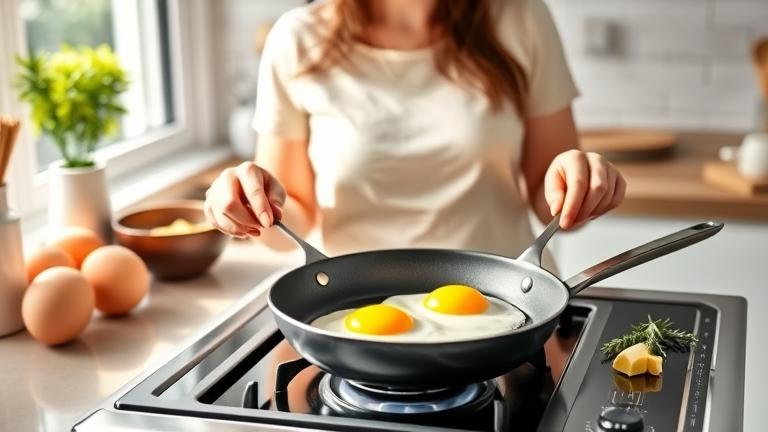
Easy Egg Cooking: Quick Tips for Beginners
Cooking eggs is a great skill to have, and it’s easier than you might think. Whether you like them scrambled, fried, boiled, or poached, there are simple tips to help you succeed every time. Starting with eggs is perfect for beginners because they cook quickly and are very forgiving, giving you room to experiment and learn.
Here are some friendly and practical tips to get you started with confidence. These easy techniques will help you make delicious eggs without stress or confusion.
1. Use Fresh Eggs
For the best results, choose fresh eggs. Fresh eggs are less likely to break when cooking and give you better texture and taste. To test freshness, place an egg in a glass of water. If it sinks and lies flat on the bottom, it’s fresh. If it floats, it might be older and not ideal for all recipes.
2. Keep It Simple with The Right Tool
A non-stick skillet is your best friend for easy eggs. It helps prevent sticking and makes cleanup easier. Use a spatula to gently flip or scramble eggs. For boiling eggs, a pot with a lid and a slotted spoon are all you need.
3. Basic Techniques for Perfect Eggs
- Scrambled Eggs: Beat eggs with a little salt and pepper. Melt some butter or oil in your pan over medium heat. Pour eggs in, let set for a few seconds, then gently stir with a spatula until just cooked.
- Fried Eggs: Heat a small amount of butter or oil in a skillet. Crack the egg into the pan. Cook until the whites are set. For sunny-side-up eggs, don’t flip. For over-easy, flip carefully and cook a bit more.
- Boiled Eggs: Place eggs in a pot and cover with cold water. Bring to a boil, then turn off heat and cover. Let sit for 9-12 minutes for hard-boiled eggs. Cool in ice water to stop cooking and make peeling easier.
- Poached Eggs: Fill a saucepan with water and bring to a gentle simmer. Add a splash of vinegar to help eggs hold their shape. Crack an egg into a small cup, then gently slide it into the water. Cook for about 3 minutes until the white is firm but yolk stays runny.
4. Quick Tips to Make Cooking Easier
- Use medium heat to prevent eggs from burning or sticking.
- Don’t rush flipping or stirring eggs—patience results in better texture.
- Always use fresh eggs for poaching or boiling. Fresh eggs hold their shape better.
- Keep your utensils clean to avoid sticking or breaking eggs during cooking.
- If eggs stick to the pan, add a bit more butter or oil, and let the pan heat up properly before adding eggs.
5. Safety First
Eggs should be cooked thoroughly, especially to avoid any risk of Salmonella. For scrambled or fried eggs, look for fully cooked whites and yolks. Hard-boiled eggs are cooked through if the yolk is firm. Store eggs in the fridge and use within their expiration date for best safety and freshness.
By keeping these simple tips in mind, you’ll find cooking eggs easy and enjoyable. Practice makes perfect, and soon you’ll be making breakfast favorites confidently. Enjoy experimenting with different styles and flavors to find your perfect egg dish!
Simple Methods for Perfect Eggs Every Time
Cooking eggs might seem simple, but achieving that perfect texture every time can be tricky. Whether you like them fluffy, runny, or firm, using proven methods can make your egg dishes turn out just right. Here are some easy, reliable ways to cook eggs, suitable for beginners and experienced home cooks alike.
Scrambled Eggs
Scrambled eggs are a breakfast favorite that can be made quickly and easily. To get fluffy, creamy eggs, follow these steps:
- Crack eggs into a bowl and whisk them thoroughly until the yolks and whites are combined. Add a pinch of salt and pepper for flavor.
- For extra creaminess, whisk in a splash of milk or cream. This makes the eggs softer and more tender.
- Heat a non-stick skillet over medium-low heat. Add a small amount of butter or oil to prevent sticking.
- Pour the beaten eggs into the skillet. Let them sit for a few seconds until the edges begin to set.
- Gently stir the eggs with a spatula, pushing them from the edges toward the center. Keep the heat low and stir gently to prevent them from becoming dry or rubbery.
- Cook until the eggs are mostly set but still slightly runny. Remove from heat; they will finish cooking with residual heat.
Tip: For extra flavor, add herbs, cheese, or cooked vegetables. Avoid high heat, as it can make scrambled eggs tough.
Poached Eggs
Poached eggs are perfect for breakfast sandwiches or atop salads. Here’s how to make them beautifully runny and neat:
- Fill a wide saucepan with about 3 inches of water. Add a teaspoon of vinegar (this helps the egg whites stay together).
- Bring the water to a gentle simmer over medium heat. You want small bubbles, not a roaring boil.
- Crack an egg into a small cup or ramekin. Create a gentle whirlpool in the water with a spoon.
- Slide the egg gently into the water’s center. The swirling water helps shape the egg white around the yolk.
- Cook for about 3-4 minutes for a runny yolk, or longer if you prefer firmer eggs.
- Use a slotted spoon to lift the egg out of the water. Pat dry with a paper towel before serving.
Tip: Use fresh eggs for the best shape. Overcrowding the pan can cause eggs to stick or break.
Fried Eggs
Fried eggs are quick to make and adaptable to many dishes. Here’s how for sunny side up and over easy:
- Heat a small amount of butter or oil in a non-stick skillet over medium heat.
- Crack an egg into the pan. For sunny side up, cook until the whites are set but the yolk remains runny, about 2-3 minutes.
- If you want over easy, gently flip the egg using a spatula after about 2 minutes. Cook for another 30 seconds for a soft, runny yolk.
- Season with salt and pepper. Serve immediately.
Tip: Use a lid to help the whites set if needed, and avoid overcrowding the pan for even cooking.
Boiled Eggs
Boiled eggs are versatile for snacks or salads. Here’s how to get perfect hard or soft-boiled eggs:
- Place eggs in a single layer at the bottom of a pot. Cover with cold water so that the water is an inch above the eggs.
- Bring the water to a boil over high heat.
- Once boiling, turn off the heat, cover the pot, and set a timer:
- For soft-boiled eggs with runny yolks, cook for 4-6 minutes.
- For medium, about 7-9 minutes.
- For fully hard-boiled eggs, 10-12 minutes.
- Drain the eggs and place them in an ice bath for a few minutes to stop the cooking process and make peeling easier.
Tip: Use older eggs if possible, as they peel more easily than fresh eggs.
Best Tools and Tips for Cooking Eggs Easily
Cooking eggs is one of the simplest and most satisfying kitchen tasks. Whether you prefer scrambled, boiled, or fried eggs, having the right tools and techniques can make the process much easier. Using the proper equipment helps prevent accidents, improves consistency, and saves time, especially for beginners.
One essential tool for cooking eggs is a good non-stick skillet. A non-stick surface allows you to cook eggs with less oil or butter, making your dishes healthier and cleanup quicker. Opt for a skillet that heats evenly and has a comfortable handle. For boiling eggs, a rigid, high-quality pot with a tight-fitting lid is ideal. It ensures even boiling and prevents water from splashing out.
A slotted spoon is very handy when removing eggs from boiling water. It helps lift eggs without breaking the shell or dropping them into the sink. For preparing scrambled eggs, a silicone or rubber spatula works best. It gets into the corners of the pan and makes gentle folding easy.
To measure ingredients precisely, keep some standard measuring cups and spoons nearby. For example, adding a touch of milk or butter can make scrambled eggs fluffier, so accurate measurement helps achieve the best texture.
When it comes to tips for making cooking eggs easier, start with fresh eggs. Fresh eggs tend to peel more cleanly after boiling and hold their shape better when fried. Before cracking eggs, tap them gently on a flat surface to avoid shell fragments slipping into your dish.
Temperature control is key—medium or medium-low heat prevents eggs from burning or becoming rubbery. If you are frying eggs, adding a little butter or oil to the pan will help prevent sticking and give your eggs a better flavor. For scrambled eggs, low and slow cooking results in creamier, fluffier eggs.
For boiling eggs, timing is everything. Typically, place eggs in boiling water and cook for about 9-12 minutes depending on your preferred doneness. Once cooked, transfer eggs to an ice bath. This cools them quickly and makes peeling easier.
Here are some quick tips to enhance your egg cooking process:
- Use a lid on the pan to help eggs cook evenly or when poaching eggs.
- Add a pinch of salt or pepper before or after cooking for better flavor.
- For soft-boiled eggs, cook for around 6 minutes for that perfect runny yolk.
- Store eggs in the main body of the fridge, not the door, to keep them fresh longer.
Remember, practice makes perfect. With the right tools and some simple tips, you can make your egg-cooking experience more efficient and enjoyable. Whether you’re making a quick breakfast or a fancy brunch dish, these essentials will help you get better results every time.
Delicious Egg Recipes for Every Meal
Eggs are one of the most versatile and nutritious ingredients you can keep in your kitchen. Whether you’re starting your day with a hearty breakfast, enjoying a quick snack, or preparing a satisfying dinner, eggs can be adapted to suit any meal. In this section, we’ll explore some easy-to-make egg recipes that will inspire your cooking and boost your confidence in the kitchen.
Breakfast Ideas with Eggs
Starting your morning with eggs is always a good idea. They’re quick, filling, and packed with protein. Here are some popular breakfast options:
- Scrambled Eggs: Beat eggs in a bowl, add a splash of milk, salt, and pepper. Pour into a hot, greased pan and stir gently until cooked. For extra flavor, mix in cheese, herbs, or cooked veggies.
- Eggs Benedict: Poach eggs until the whites are set but the yolks remain runny. Place on toasted English muffins topped with ham or smoked salmon, then drizzle with hollandaise sauce for a delicious treat.
- Omelette: Whisk eggs with salt and pepper. Pour into a hot skillet, add your favorite fillings like cheese, spinach, mushrooms, or ham. Fold in half and serve hot.
Lunch and Dinner Egg Recipes
Eggs can also shine during lunch and dinner. They add richness and texture to many dishes. Try these ideas:
- Shakshuka: A Middle Eastern dish where eggs are poached in a spicy tomato sauce. Serve with crusty bread for dipping. It’s perfect for a flavorful lunch or dinner.
- Egg Fried Rice: Use leftover rice and stir-fry with eggs, vegetables, soy sauce, and sesame oil. It’s a quick, satisfying meal that comes together in minutes.
- Quiche: Make a simple pie crust, fill it with beaten eggs, cream, cheese, and vegetables or meat. Bake until golden. Quiche is great hot or cold and works well for brunch or a light dinner.
Snacks and Light Bites with Eggs
Feeling snacky? Eggs can be turned into easy, protein-packed bites:
- Egg Salad: Mix chopped hard-boiled eggs with mayonnaise, mustard, chopped pickles or herbs. Spread on bread, crackers, or use as a dip.
- Deviled Eggs: Halve boiled eggs, remove yolks and mix with mayonnaise, mustard, and seasonings. Spoon or pipe the mixture back into the whites and sprinkle with paprika or chopped herbs.
- Mini Frittatas: Whisk eggs, add cheese and chopped vegetables, then bake in muffin tins. Perfect for a quick breakfast or snack on the go.
Tips for Cooking Perfect Eggs
To get the best results, remember these practical tips:
- Use fresh eggs for poached or soft-boiled dishes—they hold their shape better.
- For scrambled eggs, cook over medium-low heat and stir gently to keep them creamy.
- If you want fluffy eggs, add a splash of milk or water before beating.
- Don’t overcook eggs; they can turn rubbery quickly. Take them off the heat just before they reach your desired consistency.
- Experiment with herbs, spices, and fillings to customize your dishes.
With these simple, tasty egg recipes, you can enjoy a variety of meals throughout the day. Eggs are inexpensive, nutritious, and always ready to transform into a satisfying dish when you need it most. Get creative, try new flavors, and enjoy cooking with eggs every day!
Troubleshooting Common Egg Cooking Mistakes
Eggs are versatile and delicious, but they can be tricky to cook perfectly every time. Whether you’re making scrambled eggs, boiled eggs, or an omelette, some common mistakes can throw off your results. Don’t worry— with a few simple tricks, you can avoid these errors and improve your egg-cooking skills quickly.
Overcooking or Undercooking Eggs
One of the most frequent worries is eggs that are either too runny or too firm. Overcooked eggs can become rubbery, while undercooked eggs might be watery or unsafe to eat. The key to perfect eggs is timing and temperature.
- Boiled eggs: for soft boiled, simmer for 4-6 minutes. For hard boiled, 9-12 minutes works well. To prevent overcooking, transfer eggs to an ice bath immediately after cooking to stop the process.
- Scrambled eggs: cook on low to medium heat, stirring gently. Remove from heat when they are still slightly creamy, since they will continue to cook with residual heat.
- Omelettes: cook over medium heat. When eggs are mostly set but still slightly runny on top, fold and serve.
Tip: Use a kitchen timer or watch carefully to prevent overcooking. Eggs cook quickly, so stay nearby and monitor closely.
Using Too High or Too Low Heat
Heat control is crucial. Too high heat can burn eggs on the outside while leaving the inside raw. Too low can lead to uneven cooking or eggs that turn out watery. Find the right balance for the type of eggs you are making.
- For boiling eggs: start with cold water and bring to a gentle boil. Once boiling, reduce heat to a simmer.
- For scrambling or frying: cook on medium or lower heat. Patience yields better texture and flavor.
- Omelettes: use medium heat, and avoid rushing the process.
Tip: Using a heavy-bottomed pan helps distribute heat evenly, reducing the risk of hot spots that cause uneven cooking or burning.
Cracking Eggs Incorrectly
An unpleasant surprise in egg cooking is shell fragments or cracked eggshells falling into the dish. To crack eggs smoothly:
- Tap the egg on a flat surface rather than the edge of a bowl. This creates a cleaner break.
- Hold the egg over your hand and gently break the shell, opening it into a bowl or pan.
- Avoid applying too much force, which can cause shell shards to shatter into the egg.
Pro tip: If you do get shell pieces in your eggs, use a larger piece of eggshell to scoop them out easily instead of using your fingers or a spoon.
Not Using Enough or Too Much Oil or Butter
Eggs cooked without enough fat may stick to the pan or turn out dry, while too much can make them greasy and heavy. To get the right consistency and flavor:
- Use a non-stick skillet or properly seasoned pan for scrambled eggs and omelets.
- For scrambled eggs, a teaspoon of butter or oil per two eggs is usually enough. Add more if needed, but avoid excess.
- For fried eggs, a small amount of butter or oil prevents sticking and adds flavor.
Tip: Preheat your pan before adding eggs for even cooking and less sticking.
Storing Eggs Improperly
Even with perfect cooking techniques, eggs can lose quality if stored badly. Keep eggs in their original carton in the refrigerator, ideally on a shelf rather than the door, where temperatures fluctuate more. Use eggs within their expiration date for the best taste and safety.
| Egg Storage Time | Notes |
|---|---|
| Raw eggs in shell | 3-5 weeks in fridge |
| Cooked eggs (boiled, peeled) | 1 week in fridge |
| Leftover egg dishes (quiche, frittata) | 3-4 days in fridge |
By paying attention to these common mistakes and following these tips, you will cook eggs more confidently and enjoy perfect results every time. Remember, practice makes perfect — and eggs are forgiving once you get used to their cooking cues.
FAQs About Cooking Eggs You Should Know
Cooking eggs is a staple in many kitchens, but it can sometimes come with questions. Whether you like your eggs scrambled, fried, boiled, or baked, understanding the basics can help you cook them perfectly every time. Here are some common questions and helpful answers to guide you in your egg-cooking adventures.
1. How do I know when my boiled eggs are cooked properly?
Many home cooks wonder how to tell when boiled eggs are just right. Usually, the cooking time depends on how soft or hard you like your eggs. For soft-boiled eggs with runny yolks, cook for about 4 to 6 minutes. For medium eggs with slightly firm yolks, aim for 7 to 9 minutes. Hard-boiled eggs, with fully firm yolks, take about 10 to 12 minutes.
Once cooked, transfer the eggs to a bowl of ice water. This stops the cooking process and makes peeling easier. If you’re unsure, try a small test egg first to find your preferred cooking time.
2. What’s the best way to scramble eggs without burning or sticking?
Scrambling eggs is quick and easy, but they can stick to the pan or turn out rubbery if not careful. Use a non-stick skillet or well-seasoned pan, and add a small amount of butter or oil before cooking.
Cook on medium-low heat to avoid burning. Gently stir the eggs with a spatula, pulling them from the edges toward the center as they cook. Remove the pan from heat when they are still slightly creamy, since they will continue to cook with residual heat. This results in tender, fluffy scrambled eggs.
3. Can I cook eggs ahead of time and keep them fresh?
Yes, most cooked eggs can be stored safely in the fridge for a few days. Hard-boiled eggs are particularly easy to prepare ahead—just keep their shells on and store in a covered container. They will last about a week.
Cooked scrambled or fried eggs are best eaten within 2 days for freshness, but you can refrigerate leftovers in an airtight container. To reheat, microwave on low power or enjoy cold in salads or sandwiches.
4. Why are my eggs turning out rubbery or tough?
This is a common issue, especially with overcooking or cooking at too high a temperature. Eggs contain proteins that tighten up when heated too quickly, resulting in a rubbery texture.
To avoid this, cook eggs gently and remove them from heat as soon as they look done. For scrambling, remove from heat a little before they are fully set. For boiling, don’t overcook, and shock them in cold water after cooking. Practice and patience go a long way!
5. Are there tips for making perfectly fried eggs?
Absolutely. Use a non-stick skillet and enough butter or oil to prevent sticking. For sunny-side-up eggs, cook on low or medium-low heat so the whites set gently without browning too quickly. Cover the pan briefly to help the whites cook evenly through.
For over-easy or over-hard eggs, gently flip them with a spatula and cook for another 30 seconds to a minute, depending on your preference. Fresh eggs tend to fry better because their whites hold together well.
- Tip: Always crack eggs into a small bowl first. This helps catch shells and check for freshness.
- Tip: Fresh eggs are best for frying and poaching, as they hold their shape better.
Cooking eggs is forgiving once you know the basics. Remember, practice makes perfect, and don’t be afraid to tweak cooking times to suit your taste. With these tips, you’ll be cooking eggs like a pro in no time!
Tips to Make Egg Cooking Faster and Easier
Cooking eggs quickly and effortlessly can save you time during busy mornings or when you’re short on prep time. Whether you prefer scrambled, boiled, or fried eggs, there are some helpful tricks to speed up the process while still getting tasty results.
First, use the right equipment. A non-stick skillet heats evenly and makes scrambling or frying faster. A microwave can be a quick alternative for certain egg recipes. For hard-boiled eggs, a steamer basket can speed up cooking compared to boiling on the stove.
Preparation also matters. Crack your eggs into a bowl before cooking. This allows you to beat or season them right away, saving steps later. Keep your eggs at room temperature if possible, especially for boiling, since they cook more evenly and faster.
If you often make scrambled eggs, try whisking them with a splash of milk or water before cooking. This helps them cook uniformly and makes them fluffier. Cover the skillet with a lid when cooking eggs in the pan. This traps heat and shortens cooking time.
When boiling eggs, add a pinch of salt or vinegar to the water. This helps prevent cracking and makes peeling easier afterward. Using older eggs for boiling can also help; fresh eggs tend to stick more to their shells.
For busy mornings, consider batch cooking eggs in advance. You can prepare a big batch of scrambled eggs, store them in the fridge, and reheat quickly. For hard-boiled eggs, store them in a sealed container and peel just before eating to save time.
Another handy tip is to use a Microwave Egg Cooker if you frequently prepare eggs in the morning. These devices allow you to cook eggs in a matter of minutes with minimal cleanup. Just crack an egg into the container, follow the instructions, and you’re set.
To reduce mess and cleanup, line your pan with parchment or use a microwave-safe cover. Cleaning fewer dishes saves valuable time.
Finally, be mindful not to overcook your eggs. Overcooked eggs can become rubbery or dry, which can ruin the quick meal. Keep an eye on the clock or your microwave timer, and check for doneness a minute or two early.
Here are some quick tips summarized:
- Use non-stick cookware for faster cooking and easy cleaning.
- Prepare eggs in advance and store for quick reheating.
- Use microwave egg cookers or microwave-safe covers for speed.
- Add a splash of water or milk to scrambled eggs for fluffiness.
- Cook eggs at room temperature for even, faster results.
With these simple tricks, you can cut down your egg-cooking time and enjoy breakfast or a quick snack without the hassle.