
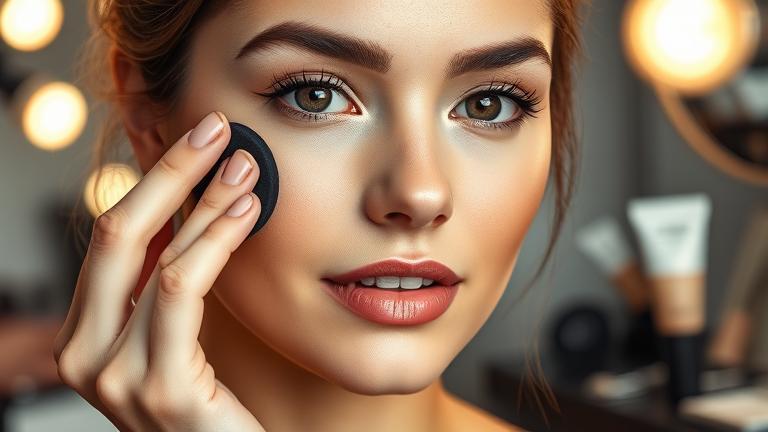
Introduction to Face Baking
Face baking is a makeup technique that has gained popularity for helping achieve a smooth, luminous, and long-lasting look. It involves applying a generous amount of setting powder to specific areas of the face, then letting it sit for a few minutes before dusting off the excess. This method may sound simple, but the secret lies in the technique and timing.
The main purpose of face baking is to set your makeup in a way that prevents creasing and enhances your facial features. It is especially useful for special occasions, long days, or photoshoots where you want your makeup to stay flawless. By creating a matte finish and highlighting the high points of your face, baking helps give a professional, airbrushed appearance.
Why Do People Bake Their Face?
- Long-lasting makeup: Baking locks in foundation and concealer, preventing them from settling into fine lines or melting off throughout the day.
- Flawless finish: It helps blur imperfections, making your skin look smoother and more even.
- Brightens specific areas: When done correctly, baking can lift the under-eye area and add a subtle glow to the cheekbones.
- Prepares the skin for contouring: Baking provides a clean, matte base that makes contour and blush application easier and more precise.
Benefits of Proper Baking Techniques
Using the right tools and method can significantly improve your makeup results. Proper face baking can help you avoid common mistakes such as a cakey look or uneven finish. It also ensures that your makeup stays fresh for hours, even in humid conditions or during active days.
While baking is fantastic for some makeup styles, it’s not necessary for everyone or every occasion. If you prefer a more natural, dewy look, you might choose less heavy techniques. However, understanding baking gives you the flexibility to create a variety of looks and adapt your routine.
Getting Started with Face Baking
To start baking your face, you’ll need a translucent setting powder—preferably one with a fine, lightweight texture. You also need a fluffy makeup brush or a sponge to apply the powder evenly. The process involves applying a generous layer of powder over your concealer, especially under the eyes and around the nose, and then letting it sit for about 5 to 10 minutes.
During this time, do your eye makeup or other steps that might require a clean workspace. After the waiting period, gently sweep away the excess baking powder with a clean brush, revealing a bright, matte finish. With practice, face baking can become a quick and effective part of your makeup routine, helping you look polished and confident whenever you want a flawless glow.
Tools and Products Needed
Getting a flawless face bake starts with having the right tools and products. Whether you’re new to baking your face or looking to upgrade your kit, using quality items makes a big difference. With the right supplies, you’ll achieve a more natural, long-lasting finish that boosts your confidence.
Essential Tools for Face Baking
- Beauty Blender or Makeup Sponge: A damp beauty sponge helps blend powders smoothly into your skin, creating a seamless look. Choose a soft, latex-free sponge that fits comfortably in your hand.
- Fluffy Powder Brush: A large, fluffy brush is great for sweeping translucent powder onto your face. It helps set your makeup lightly without caking or settling into fine lines.
- Detail Brush: A smaller, dense brush is useful for precise baking under the eyes or sides of the nose. It gives control and helps target specific areas.
- Fan Brush: A fan brush is perfect for sweeping away excess powder after baking, leaving a natural finish without disturbing your base makeup.
- Mirror with Good Lighting: Always use a clear mirror in natural or bright light so you can see every detail. Good lighting helps avoid uneven patches of powder or missed spots.
Key Cosmetic Products for Baking Your Face
- Translucent Setting Powder: Choose a fine, translucent powder to set your makeup without adding extra color. Look for one that’s suitable for your skin type—matte for oily skin or hydrating for dry skin.
- Contour or Highlight Powder (optional): For extra dimension, pick a contour powder to shape your face or a highlighter to add glow after baking.
- Primer: A good primer helps create a smooth base and enhances the longevity of your makeup. Focus on a mattifying primer if you have oily skin or a hydrating one for dry skin.
- Foundation and Concealer: Use a foundation that matches your skin tone for an even canvas. Concealer should be slightly lighter to brighten areas like under the eyes.
Tips for Selecting the Right Tools and Products
- Know Your Skin Type: If you have oily skin, opt for powders that control shine and mattify. Dry skin benefits from hydrating formulas and less powder.
- Choose Quality Over Price: Investment in good brushes and powders pays off in how your makeup applies and lasts. Affordable options can work well too if properly maintained.
- Test Shades Before Buying: When selecting powders, test shades on your jawline to find the perfect match. Transparent powders are usually safe for all skin tones.
- Clean Your Tools Regularly: Clean brushes and sponges weekly to prevent bacteria buildup, which can cause breakouts or irritation.
Additional Products to Consider
- Setting Spray: Finish your baking with a setting spray to lock everything in place and add a fresh glow.
- Brightening Powders: For extra pop, use a brightening powder in your baking routine to lift dull areas.
Preparing Your Skin for Baking
Getting your skin ready before applying makeup or anything else is a key step to achieving that smooth, flawless finish. Whether you’re doing a full face of makeup or just perfecting your look, proper skincare sets the foundation for the best results. Preparing your skin for baking involves cleansing, moisturizing, and priming — simple steps that help your skin look fresh and stay put all day.
Start with a Clean Canvas
First, it’s important to cleanse your skin thoroughly. Dirt, oil, and leftover makeup can interfere with how your skin reacts to products and can cause uneven application. Use a gentle cleanser suited for your skin type — whether you have oily, dry, or sensitive skin. Massage it into your face in circular motions, then rinse with lukewarm water. Pat dry with a soft towel. Clean skin not only helps makeup look better but also reduces the risk of breakouts caused by clogged pores.
Hydrate and Moisturize
Next, apply a good moisturizer to keep your skin hydrated. Well-moisturized skin creates a smooth surface, making it easier for products to glide on evenly. Choose a moisturizer that matches your skin type — lightweight for oily skin, richer for dry skin. Wait a few minutes after moisturizing so it can absorb fully into your skin. This prevents your makeup from caking or settling into dry patches, giving you that smooth, even finish.
Prime Your Skin
The last step before baking is applying a primer. Primer acts like a barrier that helps your makeup stay in place longer, especially during hot or busy days. There are different types of primers for specific needs:
- Mattifying primers are great for oily skin and control shine.
- Hydrating primers work well for dry skin, adding an extra layer of moisture.
- Smoothing primers fill in fine lines and create an even surface.
Apply a small amount of primer all over your face or focus on areas where makeup tends to slip or crease. Allow it to sit for a minute or two so it can set and create a perfect base for baking.
Extra Tips for Best Results
- Use lukewarm water when cleansing — hot water can strip away natural oils, while cold water may not clean as well.
- Wait at least 5 minutes after moisturizing before applying primer; this ensures your skin is hydrated but not greasy.
- Choose a primer specifically designed for baking if you want to maximize longevity and a smoother appearance.
- Always patch test new products to avoid reactions that might affect your final look.
By following these simple steps to cleanse, hydrate, and prime, your skin will be perfectly prepared. This creates a flawless base for baking and helps your makeup stay fresh and beautiful all day long. Think of it as laying a solid foundation before building your masterpiece.
Applying and Baking Face Makeup
Getting your face makeup to look flawless starts with the right techniques for applying foundation, concealer, and baking powders. Whether you’re preparing for a special event or just want everyday perfection, knowing how to use these products properly can make a big difference. Let’s walk through some simple steps to help you achieve a smooth, long-lasting makeup look.
Step 1: Preparing Your Skin
Start with a clean, moisturized face. Applying a primer can also help your makeup stay put and create a smooth surface. Choose a primer suited to your skin type — matte for oily skin or hydrating for dry skin. Gently spread it over your face and let it settle for a minute before moving on to foundation.
Step 2: Applying Foundation
Pick a foundation that matches your skin tone. You can use a brush, sponge, or your fingers—whichever feels best. For a natural finish, dab small amounts of foundation around your face, focusing on areas that need coverage, like redness or uneven tone. Then, blend outward in circular motions, ensuring there are no harsh lines.
Remember to blend well into your jawline and hairline to prevent visible edges. If you like a fuller coverage, add another thin layer instead of piling on thick. Always check in natural light to make sure the color matches your neck and chest.
Step 3: Using Concealer
Concealer is your best friend for hiding blemishes, dark circles, or spots. Use a shade slightly lighter than your foundation for brightening under your eyes, and a matching or slightly darker tone for blemishes or spots. Using a small brush or your finger, dab the concealer directly onto the problem areas.
Gently pat with your finger or a clean sponge to blend. For best results, set the concealer with a light layer of translucent setting powder to prevent creasing and to keep it in place all day.
Step 4: Baking Your Makeup
Baking is a technique used to set makeup and create a flawless finish. It involves applying a generous amount of translucent powder over areas where you want a bright, matte look, such as under the eyes or the T-zone.
Using a damp sponge, press the powder into your skin. Allow it to sit for 5 to 10 minutes; this process helps absorb any excess oil and smooths out fine lines. While the powder sits, you can continue with other makeup steps like filling in your brows or applying eye shadow.
Once the time is up, gently sweep away the excess powder with a fluffy brush. Be careful not to disturb the foundation underneath. This technique is especially helpful for long-lasting makeup or photoshoots but can be skipped if you prefer a softer finish.
Helpful Tips for Precise Application and Baking
- Always use clean brushes and sponges to avoid spreading bacteria and ensure an even application.
- Pick the right tools; a dense brush is great for foundation, while a fluffy brush works well for setting powders.
- Apply foundation in good lighting to see if you need to blend more in certain areas.
- Don’t rush the baking process—waiting a few minutes makes a noticeable difference in how matte and perfected your skin looks.
- Use a lighter hand when applying baking powder—you can always add more but removing excess can be tricky.
With these simple steps, you’ll have a fresh, flawless look that lasts all day. Practice makes perfect, so take your time to experiment with application techniques to find what works best for your skin and style.
Setting Your Makeup for All-Day Look
Creating a makeup look that lasts all day can sometimes feel challenging, but with the right setting techniques, you can enjoy a fresh, flawless appearance from morning to night. Baked makeup, known for its smooth finish and long-lasting hold, benefits greatly from proper setting methods. The key is to use the right products, like setting sprays and powders, to lock in your look and reduce shine or smudging.
First, after completing your makeup, allow your skin to settle for a minute or two. This helps all the products to meld together properly. Then, start with a good setting powder if you want a matte finish or to control excess oil. Lightly dust the powder over your face using a fluffy brush, focusing on areas that tend to get oily, like the T-zone (forehead, nose, and chin). This step helps absorb any shine and sets your makeup in place without looking cakey.
A common mistake is using too much powder, which can make your skin look dry or heavy. Instead, apply a thin, even layer and build up only where necessary. For baked makeup, this helps prevent it from settling into fine lines or creases, keeping your look smooth and natural all day.
Next, enhance your makeup’s longevity with a good setting spray. Hold the bottle about arm’s length away from your face and spray in an “X” motion across your face. This ensures an even application without disturbing your makeup underneath. Setting sprays act as a moisture lock, helping your face stay fresh and vibrant, particularly in hot or humid weather.
For extra staying power, some people like to use a two-step approach: a light powder first, then a setting spray. This combo can make a noticeable difference, especially if you have oily skin or are going to be out for many hours. If you have dry skin, look for a hydrating setting spray to add a dewy glow while setting your look.
Additional Tips for Long-Lasting Makeup
- Use a primer before applying baked makeup to create a smooth base that grips the products better.
- Choose waterproof or long-wear formulations for your foundation and eye makeup to prevent smudging or fading.
- Blot your face with a tissue during the day if you notice shine building up, then re-spray or lightly powder as needed.
- Carry a small setting spray or powder for touch-ups when you’re on the go.
Remember, the goal is to make your makeup look fresh without feeling heavy or tight. Practice these setting techniques to find what works best for your skin type and routine, and you’ll enjoy a beautiful, all-day confident look.
Common Mistakes and Tips
Face baking is a popular makeup technique used to achieve a flawless, sculpted look. However, beginners often make mistakes that can affect the final result. Don’t worry – with a few practical tips, you can avoid common pitfalls and master face baking with confidence.
One frequent error is using too much powder. Applying an excessive amount can create a cakey appearance or settle into fine lines, making your skin look uneven. To prevent this, start with a small amount of translucent setting powder and build up gradually if needed. Use a fluffy, large brush to distribute the powder evenly across your face.
Another common mistake is choosing the wrong shade of powder. Using a powder that’s too light or too dark can distort your natural skin tone and result in an unnatural look. Always select a shade that matches or is slightly lighter than your foundation. Test the color on your jawline or wrist before applying it to your face to ensure it blends seamlessly.
Timing also plays a key role in successful face baking. Many people forget to let the powder sit for a few minutes before brushing it off. This allows the heat from your skin to set the makeup and create that highlighted effect. A good tip is to let the powder sit for 3-5 minutes, then gently dust off any excess with a soft brush.
Application technique is essential. Pressing the powder too harshly or using the wrong tools can result in uneven patches or streaks. Use a damp sponge or a soft beauty blender to press the powder into the areas you want to highlight, like under the eyes, the bridge of your nose, and your cheekbones. This helps create a bright, lifted look.
Another mistake to avoid is overbaking. Overbaking involves leaving the powder on your skin for too long, which can lead to dryness or an overly matte finish. Set a timer for 3 to 5 minutes and then remove the excess powder carefully. If your skin feels dry after baking, consider using a hydrating spray or a damp sponge to press a bit of moisturizer into your skin afterward.
Helpful Tips for Better Face Baking
- Always prep your skin with a good moisturizer before baking. Proper hydration helps your makeup sit smoothly.
- Use high-quality brushes and tools designed for baking to get even coverage.
- Apply highlighter after baking for an extra glow without disturbing your setting work.
- Practice makes perfect – experiment with different amounts of product and timing to find what works best for your skin type and tone.
By avoiding these common mistakes and applying these practical tips, you’ll improve your face baking skills and achieve a beautifully sculpted, natural finish. Remember, every face is unique, so feel free to adapt these suggestions to suit your personal style.
Final Look and Maintenance
After applying your makeup, it’s important to check your finished look to ensure everything appears flawless. This step helps you catch any areas that need a quick touch-up and keeps your makeup looking fresh throughout the day. A few simple checks can make a big difference in how confident and polished you feel.
Start by examining your face in natural light, if possible. Natural lighting shows true colors and details better than indoor lamps. Look at your makeup from all angles, especially your cheeks, jawline, and around your eyes. Verify that your foundation matches your skin tone evenly, and that blush, eyeshadow, and lipstick are well blended. If you notice any spots where makeup has shifted or smudged, it’s easy to fix with some quick touch-ups.
Making Touch-ups
- Carry a small makeup bag or pouch with essentials like a pressed powder, a backup lipstick, and a small brush or sponge. These help you refresh your look without needing to redo everything.
- Blot your face with a tissue or blotting paper to remove excess oil and shine. This prevents your makeup from looking greasy and keeps your skin looking matte and fresh.
- Use a small amount of powder on a brush or sponge to set your makeup. Applying a light dusting can reduce shine and help your makeup stay put longer.
- If your lipstick has faded or smudged, reapply it carefully. To keep edges neat, use a lip brush or a tissue to outline before filling in more product.
- For smudges or uneven eyeshadow, gently blend with a clean brush. Touch up eyeliner or mascara if needed, but try to avoid piling on too much product, which can look cakey.
Maintaining a Fresh Look Throughout the Day
To keep your makeup looking fresh, try these practical tips:
- Reapply a light layer of powder or a setting spray midday. Setting sprays help to lock in your makeup and reduce the need for touch-ups.
- If you’re outdoors or in humid weather, carry oil-blotting papers. Gently pressing them on your face can remove excess oil without disturbing your makeup.
- Drink plenty of water. Staying hydrated helps your skin stay plump and healthy, which enhances your overall appearance.
- Be mindful of rubbing or touching your face. This can cause makeup to shift or smudge and can also spread bacteria.
Common Mistakes to Avoid
- Waiting too long to fix small issues. Regular checks help you catch problems early, before they become noticeable.
- Over-powdering. Excess powder can make your skin look dull or cakey. Use just enough to mattify your skin.
- Using dirty brushes or applicators. Clean tools prevent bacteria buildup and help your makeup go on smoothly.
With these simple steps, you can enjoy a flawless look from morning to night. Checking your makeup, making quick touch-ups, and following maintenance tips help ensure you always look fresh and polished, no matter where your day takes you.