
Common Methods of Cooking Eggs Outdoors
Cooking eggs outside can be a fun and rewarding experience, whether you’re camping, picnicking, or enjoying a backyard barbecue. There are several popular methods to prepare eggs outdoors, each offering a different flavor and texture. From direct fire techniques to more creative approaches, you’ll find that eggs are versatile and forgiving, making them a great choice for outdoor cooking adventures.
1. Cooking Eggs Over an Open Flame
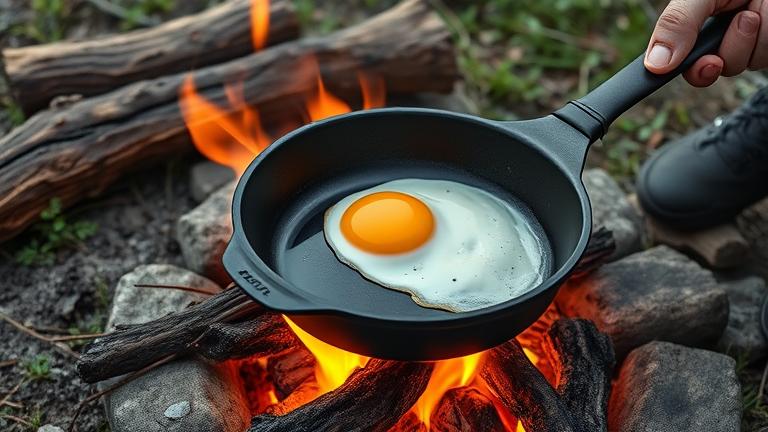
This classic method involves using a campfire or charcoal grill. You can cook eggs directly over the flames or hot coals, but using a pan is usually safer and easier. A cast-iron skillet or sturdy camping pan works best as it can withstand high heat. Simply grease the pan, add your eggs, and cook until the whites are firm and the yolk reaches your desired consistency. Stirring occasionally creates scrambled eggs, while keeping the yolk whole results in fried eggs.
Make sure to control the heat by adjusting the distance between the pan and the fire. Too hot, and the eggs can burn quickly, while too cool, and they may take longer to cook. Using a lid can help cook the eggs evenly. Remember to safety handle hot pans and place them on a stable surface.
2. Foil Packet Eggs
This is a simple, mess-free way to cook eggs outdoors. Take some aluminum foil, roughly large enough to hold your eggs, and lightly grease it. Crack your eggs directly onto the foil, season as desired, and fold the foil into a packet. You can add toppings like cheese, vegetables, or cooked meats for extra flavor.
Place the foil packets on hot coals or a grill. Cook for about 10-15 minutes, depending on heat. Check periodically. Once the eggs are set and cooked through, carefully remove the packets and enjoy a delicious, self-contained breakfast. This method is great for camping since it requires minimal equipment and cleanup.
3. Boiling Eggs
Boiling eggs outdoors is simple and very portable. Just place eggs in a pot or a durable container with enough water to cover them. Bring the water to a boil over the fire, then reduce heat to a simmer. Cook large eggs for about 10 minutes for hard-boiled, or shorter if you prefer softer yolks.
Use tongs or a slotted spoon to remove the eggs, and cool them quickly in cold water or snow to stop the cooking process. Remember, boiling is a reliable method that doesn’t require special equipment other than a pot and fuel.
4. Making Eggs on a Portable Stove or Duffel
If you have a portable camping stove, it offers a convenient surface for frying, scrambling, or poaching eggs. Simply turn on the stove, heat your pan, and follow your preferred recipe. This method provides more control over cooking temperature and is good for cooking multiple eggs at once.
Always follow safety guidelines, ensuring your stove is secure and used in a well-ventilated area. Carry the necessary utensils, like spatulas and bowls, to make cooking easier and cleaner.
Tips for Outdoor Egg Cooking
- Use a good quality pan that can handle high heat and is easy to clean.
- Protect eggs from direct flames if you want more control, using a grill holder or casting a shield from foil.
- Carry basic seasonings like salt, pepper, and hot sauce for added flavor.
- Avoid leaving eggs exposed to the sun or high heat for too long to prevent spoilage.
- Have fun experimenting with different methods and toppings!
Setting Up the Perfect Fire for Eggs
Cooking eggs over an open flame can add a delicious smoky flavor and a fun element to your breakfast. To do this safely and successfully, it’s important to build a reliable fire that delivers the right amount of heat. A well-set fire not only cooks your eggs evenly but also keeps you safe while enjoying your outdoor meal.
Start by choosing a good spot for your fire. It should be on flat, non-flammable ground, away from trees, bushes, or any flammable materials. Make sure you have all your tools handy, such as matches or a lighter, a fire starter if needed, and some firewood or charcoal. Preparing the area beforehand helps keep things safe and efficient.
Gathering and Preparing Your Fuel
Use dry, seasoned wood or high-quality charcoal for a clean, steady fire. Wet or green wood produces too much smoke and uneven heat. If you’re using wood, split it into manageable pieces about the size of your hand. This makes it easier to control the burn and get the fire going faster.
Arrange your fuel in a way that encourages good airflow. The most common methods are the teepee or log cabin style. The teepee involves stacking smaller sticks in a cone shape, allowing air to circulate easily. The log cabin stacks larger logs in a square, with smaller cross pieces above and below. Both are effective for building a hot, steady fire.
Building the Fire
- Start by placing some crumpled paper or a fire starter in the center of your chosen fire layout.
- Arrange your small sticks or kindling around the fire starter, leaving space for air to flow.
- Light the paper or fire starter from multiple points to ensure even ignition.
- Gently blow on the base of the fire to help it get established if needed. Avoid blowing too hard, which can blow out the flames.
- Gradually add larger logs or chunks of charcoal as the fire grows strong. Be careful not to smother it, and add fuel in stages to maintain control.
Maintaining the Right Temperature
For cooking eggs, you want a moderate, steady heat. Too hot and the eggs might burn or cook unevenly; too cool and they won’t cook properly. To gauge your fire’s heat, look at the color and activity of the flames. Bright orange flames indicate high heat, while glowing embers suggest a lower, more manageable temperature.
If you are using charcoal, wait until the coals are covered in gray ash before cooking. This usually takes around 15-20 minutes. Spread the embers evenly to create a uniform cooking surface.
Safety Tips
- Keep a bucket of water, a fire extinguisher, or a shovel nearby to quickly put out sparks or control the fire if needed.
- Never leave your fire unattended. Always stay nearby until it’s completely extinguished.
- Make sure the fire is completely out before leaving your cooking area. Douse it with water and stir the ashes to ensure no hot spots remain.
- Wear heat-resistant gloves and use long-handled tools to handle burning wood and cooking utensils safely.
With a little preparation and attention, you can build a fire that’s perfect for cooking eggs over open flames. Enjoy the process and your delicious outdoor breakfast!
Tips for Cooking Eggs to Perfection
Cooking eggs just right can seem tricky at first, but with a few helpful tips, you can enjoy consistently delicious results. Whether you prefer scrambled eggs, fried eggs, or poached eggs, understanding the basics and common tricks will make your cooking easier and more enjoyable. Eggs are versatile and nutritious, making them a perfect choice for any meal. Here are some practical tips to help you master egg cooking techniques with confidence.
1. Use Fresh Eggs for the Best Results
Fresh eggs tend to hold their shape better and have a rich flavor. When buying eggs, check the pack date or buy from a trusted source. To test freshness at home, fill a bowl with cold water and gently place an egg in it. If the egg sinks and lies flat on its side, it’s very fresh. If it stands upright or floats, it’s older but still safe to eat. Fresh eggs are especially important for poached or fried eggs, where appearance and texture matter.
2. Keep Eggs at Room Temperature Before Cooking
If you have time, take eggs out of the fridge about 15-20 minutes before cooking. Room temperature eggs cook more evenly and are less likely to crack when heated. If you’re short on time, you can gently warm eggs under warm running water for a few minutes. Avoid hot water, which can partially cook the shell or cause cracking.
3. Use the Right Pan and Heat Settings
Choosing the right cooking surface helps prevent sticking and overcooking. For fried eggs, use a non-stick skillet or well-seasoned cast iron over medium-low heat. Scrambled eggs do best in a slightly larger pan to give you room to stir. For poached eggs, a shallow saucepan filled with about 3 inches of water works well. Play around with heat settings: low to medium usually offers better control, preventing the eggs from burning or becoming rubbery.
4. Add a Pinch of Salt or Vinegar
For poached eggs, adding a splash of vinegar (about a teaspoon) to the water helps the egg whites firm up quickly and stay together. Seasoned water also adds a subtle flavor. For scrambled or fried eggs, a pinch of salt while beating or cooking enhances taste. Salt also helps break down the egg proteins slightly, making them softer.
5. Master the Timing and Don’t Overcook
Timing is key to perfect eggs. For fried eggs, cook until the whites are set but the yolk is still runny, usually 2-3 minutes on medium-low heat. For scrambled eggs, cook gently and stir frequently, removing them from heat when they are slightly softer than desired because they’ll continue to cook after removal. For poached eggs, cook for about 3-4 minutes until the white is opaque but the yolk remains runny.
Overcooking eggs leads to dryness and a rubbery texture. Keep a close watch and check often. Remember, it’s better to slightly undercook and give a quick reheat if needed.
6. Use Fresh Ingredients and Quality Butter or Oil
Fresh eggs combined with good-quality butter or oil make a noticeable difference in flavor and texture. For fried eggs, a dollop of butter added just before flipping or serving adds richness. When scrambling, a splash of cream or milk can make the eggs extra soft and fluffy.
7. Practice Safe Handling and Storage
Always wash your hands after handling eggs. Store eggs in the coldest part of the fridge and keep them in their original carton to avoid absorbing odors. Consume eggs within 3-5 weeks of purchase for safety and freshness.
By following these simple tips, you’ll find that cooking eggs to perfection becomes much easier. The key is patience, attention to timing, and a bit of practice. Enjoy experimenting with different styles and flavors, and soon you’ll master the art of the perfect egg every time.
Tools and Utensils for Fire Cooking
When it comes to cooking eggs over a fire, having the right tools makes all the difference. These essential utensils help you cook safely and achieve delicious results, whether you are camping, having a backyard cookout, or exploring open-flame cooking. Investing in a few key items will make your fire-cooking adventures more enjoyable and successful.
Fire-Handling Tools
The foundation of any fire cooking setup is having the proper tools to manage the fire safely. A sturdy pair of tongs is invaluable for adjusting logs, flipping food, and handling hot cookware. Choose tongs with heat-resistant handles to protect your hands from burns.
An extra-long fire poker is also helpful for stoking the fire and repositioning fuel without getting too close to the flames. For safety, always wear fire-resistant gloves or mitts when working near the fire, especially when handling hot pots or adjusting the logs.
Cooking Vessels
For cooking eggs over an open fire, the right cookware can make the job easier and more fun. A portable camping skillet or fry pan with a sturdy handle is ideal. It should be made of cast iron or steel, as these materials withstand high heat well and distribute heat evenly.
If you prefer boiling eggs, a lightweight metal pot with a secure lid helps keep eggs submerged and prevents spillage. Consider a small griddle or flat pan if you plan on frying multiple eggs at once. Non-stick surfaces are not as durable over open flames, so look for seasoned or cast iron options for longevity.
Support and Holding Equipment
- Tripods or adjustable cooking stands give you a stable platform for your skillet or pot over the flames.
- Grill grates or wire racks can turn a campfire into a makeshift stove, holding your cookware above the hot coals.
- Heat-resistant trivets are handy for placing hot pans down safely once the eggs are cooked.
Additional Accessories
Another useful item is a silicone or metal spatula for flipping and removing eggs without scratching your cookware. A metal slotted spoon can be helpful for lifting eggs out of boiling water if you’re making boiled eggs.
Finally, a portable lantern or headlamp ensures you have good visibility when cooking during early mornings or late evenings.
Safety Tips
- Always keep a bucket of water, sand, or a fire extinguisher nearby in case of emergencies.
- Ensure your cooking area is clear of dry leaves or other flammable materials.
- Handle hot tools with care and always check the stability of your supports before placing cookware on them.
By gathering these tools and utensils before you start, you’ll be ready to cook eggs over a fire efficiently and safely. Remember, the right equipment not only makes cooking easier but also enhances your overall fire-cooking experience.
Safety Tips When Cooking with Fire
Cooking with fire outdoors can be a fun and rewarding experience, but it also requires some important safety precautions. Whether you’re grilling, using a fire pit, or cooking over an open flame, staying safe helps prevent accidents and keeps everyone happy and healthy. Here are some practical tips to ensure a safe outdoor cooking adventure.
Prepare Your Area
Start by choosing a flat, stable surface away from any overhanging branches, dry leaves, or other flammable materials. Keep a clear zone of at least three feet around your fire area. This gives you room to work and reduces the risk of an accidental fire spreading.
Make sure you have the right tools nearby, such as long-handled tongs, fire-resistant gloves, and a fire extinguisher or a bucket of water. Having these within arm’s reach means you can respond quickly if something unexpected happens.
Light and Maintain Your Fire Safely
Use approved fire starters or charcoal chimneys to ignite your fire. Avoid using flammable liquids like gasoline or lighter fluid, which can cause dangerous flare-ups. Always light your fire in a well-ventilated area and keep a safe distance when doing so.
If you’re using a grill or fire pit, follow the manufacturer’s instructions carefully. Keep the lid on when not actively tending the fire, and never leave it unattended while burning.
Manage the Fire During Cooking
- Adjust the flames to prevent excessive heat, which can cause food to burn or flare-ups. Use a grill thermometer if possible, to monitor temperature.
- Plan your cooking so that grease or fat doesn’t ignite. Trim excess fat from meats to reduce smoke and flare-ups.
- Be patient and attentive. Flames can sometimes jump unexpectedly, especially if wind picks up or if the fire gets too hot.
Handling Food and Fire Safely
Use long tools to turn and handle food to keep a safe distance from the flames. Wear heat-resistant gloves if needed. Always wash raw meat, especially chicken and pork, thoroughly to prevent cross-contamination, and cook food to the appropriate internal temperature.
Never put cooked food back on the raw food plate or cutting board to avoid spreading bacteria. Use separate utensils for raw and cooked foods.
Extinguishing and Cleaning Up
When you’re finished cooking, fully extinguish the fire. Pour water over the ashes or fire pile, stirring until completely cooled. Never leave a fire unattended with hot embers still burning.
Dispose of ashes safely by storing them in a metal container away from any combustible materials. Once everything is cooled and cleaned up, double-check the area for stray sparks or embers.
Additional Tips for a Safe Cooking Experience
- Check local regulations regarding outdoor fires and permits before starting.
- Keep a first aid kit nearby in case of minor burns or other injuries.
- Always supervise children and pets around open flames.
- Wear fitting, non-flammable clothing to reduce fire risk.
Different Styles of Eggs Over Fire
Cooking eggs over a fire is a fun and versatile way to enjoy one of nature’s most perfect foods. Whether you’re camping, having a backyard cookout, or just playing with open flames in your backyard, there are several ways to prepare eggs over fire. Each style offers a unique flavor and texture, so you can choose what suits your mood or available gear.
Fried Eggs Over Fire
Fried eggs are one of the simplest and most popular ways to cook eggs over a fire. To get started, you’ll need a sturdy pan or cast iron skillet. Place the pan directly on some hot coals or over a grate. For best results, let the fire burn down until you have a bed of glowing embers—this reduces the risk of burning the eggs too quickly.
Crack the eggs into the pan carefully to avoid breaking the yolks. Cook over medium heat until the whites are set and the yolks reach your preferred doneness. For sunny-side-up eggs, do not flip them. If you want scrambled eggs, beat the eggs beforehand and pour into the hot pan, stirring gently with a spatula.
Pro tips:
- Use a bit of butter or oil to prevent sticking and add flavor.
- Keep a close eye to avoid burning, especially if flames flare up.
- Consider using an egg ring to keep the shape neat if you’re cooking multiple eggs.
Boiled Eggs Over Fire
Boiling eggs over a fire takes some prep but rewards you with perfectly cooked eggs that are easy to peel and eat. Fill a pot or a heatproof container with water and place it over the fire or coals. Bring the water to a boil, which might take a little longer than on a stove.
Once boiling, gently place extra eggs into the water with a spoon or tongs. Reduce the heat by moving the pot away from direct flames if necessary. Boil for about 10 minutes for hard-boiled eggs, or slightly less if you want soft-centered yolks.
Tip: Use older eggs for easier peeling after boiling. Once done, transfer the eggs to cold water to stop the cooking process and make peeling easier.
Creative Egg Styles Over Fire
If you’re feeling adventurous, try some creative ways to cook eggs over fire. Here are a few ideas:
- Egg Foil Packets: Crack eggs into small pieces of foil, add herbs or seasonings, and fold into a sealed packet. Place on hot coals until cooked through. These are fun for camping and easy to customize.
- Egg in a Hole: Cut a circle out of bread, place it on a hot skillet or grill grate, and crack an egg into the hole. Cook until the whites are set and the yolk is still runny or firm, depending on your taste.
- Cliffhanger Eggs: Crack eggs onto a hot rock or flat stone over the fire. The heat cooks the eggs directly on the surface, giving you a rustic, crispy edge and a slightly smoky flavor.
Every method has its charm, and experimenting with different approaches can make outdoor cooking exciting. Remember always to cook eggs until they are fully set for safety, especially when cooking over open flames. With a little practice, you’ll master tasty eggs over fire in no time!
Mistakes to Avoid When Cooking Eggs
Cooking eggs outdoors can be a fun and rewarding experience, but it’s easy to make some common mistakes that can ruin the dish or make it less enjoyable. Understanding these pitfalls can help you prepare perfectly cooked eggs every time, whether you’re camping, having a picnic, or just cooking outside. Let’s go over some mistakes to watch out for and how to avoid them.
One of the most common mistakes is not timing the eggs correctly. Eggs can go from underdone to overdone quickly. For example, scrambling eggs too long on a hot pan can lead to dry, tough eggs. To prevent this, keep a close eye on your eggs, and use a timer if needed. When boiling eggs outdoors, make sure to set your timer for the right amount of time—about 4-6 minutes for soft-boiled, 9-12 minutes for hard-boiled.
Another typical error is using the wrong heat. Too much heat can cause eggs to cook unevenly or burn easily. If you’re cooking over a campfire or portable stove, try to keep your heat at a moderate level. Use a lid to help trap heat and cook eggs evenly. Remember that outdoor heat sources can fluctuate, so adjusting your flame or heat level regularly is important.
Mistakes also include neglecting proper preparation of your cooking surface. Eggs tend to stick, especially if the pan isn’t well-seasoned or properly oiled. Always preheat the pan and add a small amount of oil or butter before cooking. This simple step stops eggs from sticking and makes cleanup easier, particularly in outdoor conditions where cleaning supplies might be limited.
Many people forget to check the freshness of their eggs beforehand. Old eggs are more likely to crack when boiling and can produce a less appealing texture. To check freshness, place an egg in a bowl of water—if it floats, it may be too old to cook perfectly. Fresh eggs hold their shape better and taste better, so use fresh eggs for all types of outdoor egg cooking.
Sometimes, too many ingredients or seasonings are added at once, which can overpower the eggs or cause messes. For best results, add salt, pepper, or herbs near the end of cooking. This preserves the eggs’ natural flavor and prevents overly greasy or runny dishes.
Lastly, always pay attention to safety. Raw or undercooked eggs can carry bacteria. When outdoors, especially if camping or in areas with limited sanitation, make sure eggs are fully cooked. For boiled eggs, this means firm yolks and whites; for scrambled or fried eggs, ensure they’re cooked until no runny liquid remains.
To sum up, avoid these common mistakes: misjudging cooking time, using too high heat, neglecting proper surface preparation, using old eggs, adding too many seasonings too early, and skipping safety checks. With a little attention, your outdoor eggs will turn out delicious, safe, and perfectly cooked every time.