
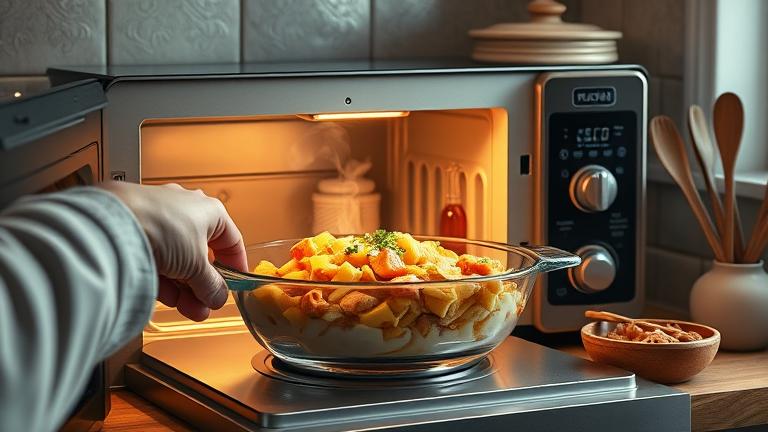
Reheating Tips for Frozen Leftovers
Reheating frozen leftovers is a common part of enjoying home-cooked meals again. The key is to do it properly so your food stays tasty, safe, and fresh. Whether you’re using a microwave, oven, or stove, a few simple tips can make a big difference.
First, always thaw frozen leftovers safely. The best way to do this is in the refrigerator, allowing the food to thaw gradually overnight. This method keeps the leftovers at a safe temperature and prevents bacteria growth. If you’re in a hurry, you can use the microwave’s defrost setting or cook directly from frozen, but be aware that this might affect the texture or heating time.
General Reheating Tips
- Always check the internal temperature to ensure the leftovers are heated thoroughly. Food should reach at least 165°F (74°C) to be safe to eat.
- Cover your leftovers during reheating to retain moisture and heat evenly. Use a microwave-safe lid or plastic wrap, leaving a small vent for steam.
- Stir or flip the food midway through reheating to promote even heat distribution. This is especially important for stews, soups, and rice dishes.
- Avoid reheating leftovers multiple times. Try to take out only what you plan to eat to keep the remaining food safe and fresh.
- Use leftovers within a safe timeframe—generally within 2 to 3 days if stored properly in the fridge after thawing.
Best Methods for Reheating
Microwave
The microwave is quick and convenient. Use a microwave-safe dish and cover it with a vented lid or microwave-safe plastic wrap. Reheat on medium power, checking and stirring the food every few minutes. This prevents hot spots and ensures even heating. For best results, let the food rest for a minute after microwaving to allow the heat to distribute evenly.
Oven
Oven reheating works well for larger portions or baked dishes like casseroles. Preheat your oven to 350°F (175°C). Place leftovers in an oven-safe dish and cover with foil to prevent drying out. Heat for about 20-30 minutes, or until the internal temperature reaches 165°F (74°C). This method takes longer but helps keep the food moist and flavorful.
Stovetop
This method is ideal for soups, stews, and stir-fries. Use a saucepan or skillet on medium heat. Add a splash of water or broth if the food looks dry. Stir frequently to heat evenly. Always check the temperature before serving to ensure safety.
Safety Reminder
Never reheat leftovers more than once. Repeated reheating increases the risk of foodborne illness. Also, always store leftovers in airtight containers and reheat only what you plan to eat to maintain quality and safety.
- Label leftovers with the date they were frozen or stored so you know how long they’ve been kept.
- If you notice any off smells, colors, or textures after reheating, it’s best to discard the leftovers.
By following these reheating tips for frozen leftovers, you can enjoy your meals again with confidence. The right method and attention to safety help maintain both flavor and nutritional quality. Happy reheating!
Best Methods to Cook Frozen Leftovers
Cooking frozen leftovers can be quick and convenient when you choose the right method. Whether you’re reheating a batch of cooked vegetables, pasta, or even meat dishes, there are several ways to bring your leftovers back to delicious life. Each method has benefits and best uses, so knowing which to pick makes your meal prep easier and tastier.
The most common options for reheating frozen leftovers are the stovetop, oven, microwave, and slow cooker. Each method works best depending on the type of food and how much time you have. Let’s explore these options so you can decide how to reheat your leftovers effectively and safely.
Stovetop Method
The stovetop is a versatile way to reheat many types of leftovers, especially pasta, rice, soups, and stews. It allows you to control the heat easily and prevent food from drying out. To do this, transfer the frozen leftovers into a pot or skillet. Add a splash of water, broth, or a little oil if needed to keep the food moist.
Heat over medium or medium-low heat. Stir occasionally to ensure even warming. This method usually takes about 10-15 minutes, but the time can vary based on the amount of food and its initial temperature. Taste and adjust seasonings if needed before serving. It’s a quick, effective way to reheat, and you can add fresh herbs or toppings during the process for extra flavor.
Oven Method
The oven is ideal for heating larger portions, casseroles, and baked dishes. Preheat your oven to 350°F (175°C). Cover the leftovers with foil or a lid to prevent drying out. Place the dish in an oven-safe container and bake for about 20-30 minutes, or until heated through. Thinner foods may need less time, so check periodically.
If you want crispy edges, you can uncover the dish in the last few minutes of baking or broil it briefly. Always verify that the center reaches a safe temperature—165°F (74°C)—to ensure it’s properly reheated. Using the oven takes a little longer but gives dishes a warm, evenly cooked finish.
Microwave Method
The microwave is the fastest way to reheat leftovers. Place your food in a microwave-safe container and cover it with a microwave lid or damp paper towel to trap moisture. Use medium or medium-high power. Reheat in short intervals, about 1-2 minutes at a time, stirring or turning the food between sessions. This helps heat everyone evenly and avoids cold spots.
Be cautious not to overheat, as microwaves can sometimes make food rubbery or dry. Always check the internal temperature with a food thermometer—aim for at least 165°F (74°C)—before serving. Microwaving is perfect for quick snacks or small portions.
Slow Cooker Method
If you have a larger amount of leftovers, a slow cooker can be a convenient option. It’s especially useful for reheating stews, chili, or pulled meats. Set your slow cooker to low or warm. Place the leftovers inside and cover tightly. Reheat for 1-2 hours, stirring occasionally, until hot all the way through.
This method is hands-off and helps keep food moist, but it takes longer, so plan ahead. Make sure to check that the food reaches a safe temperature before serving. It’s great for busy days when you want to set it and forget it.
Tips for Reheating Leftovers Safely and Tasting Great
- Always reheat leftovers to at least 165°F (74°C) to kill bacteria.
- If the food looks, smells, or tastes off, it’s best to discard it.
- Use shallow containers for quicker, more even heating, especially in the microwave.
- Reheat only what you plan to eat to avoid repeated thawing and refreezing.
- Adding a splash of broth or water can improve texture and flavor during reheating.
Choosing the right method depends on the dish, how much time you have, and your equipment. Whether you’re stovetop, oven, microwave, or slow cooker reheating, these techniques help you enjoy your frozen leftovers just as deliciously as when they were fresh.
Safety Tips When Reheating Food
Reheating food, especially leftovers stored in the freezer, can be easy and convenient, but it’s important to do it safely. Proper reheating practices help prevent foodborne illnesses and keep your meals delicious. In this section, you’ll find practical tips on how to reheat food the right way, focusing on temperature, timing, and handling.
First, always start with safe storage. Make sure your leftovers are cooled quickly after cooking and stored in airtight containers. When you’re ready to reheat, check that the food is heated evenly and thoroughly. This means reaching a high enough temperature to kill bacteria that may have grown while it was stored.
The key to safe reheating is temperature. The safe internal temperature for reheated leftovers is at least 165°F (74°C). Use a food thermometer to verify this. If you don’t have a thermometer, ensure that the food is steaming hot all the way through. Avoid reheating food until it’s only lukewarm, as bacteria can survive and cause illness.
Timing is also important. Do not leave leftovers at room temperature for more than two hours. Bacteria grow rapidly in the “danger zone,” which is between 40°F (4°C) and 140°F (60°C). If your leftovers sit out longer than that, it’s safest to discard them. When reheating, aim to do it quickly to preserve quality and safety.
Handle leftovers with care to prevent contamination. Always use clean utensils and containers when transferring or stirring food. Wash your hands thoroughly before and after handling leftovers. Keep raw, cooked, and reheated foods separate to avoid cross-contamination.
Choose the right reheating method for your food. For small portions, a microwave is quick and convenient. When microwaving, cover the food with a microwave-safe lid or wrap to trap steam which helps heat the food evenly. Stir or rotate the food halfway through reheating to avoid cold spots. For larger portions or dishes like casseroles, using an oven at 350°F (175°C) allows more even heating. Cover the dish with foil to keep moisture and heat retention.
If you’re reheating on the stove, use a low to medium heat setting and stir occasionally. This heats the food evenly and prevents burning. It’s best for soups, stews, and sauces. Remember, rapid reheating at very high temperatures can cause the outer layers to burn or dry out before the inside is properly heated.
Watch out for common mistakes that can compromise safety. Never reheat leftovers more than once. Repeated reheating increases the risk of bacteria growth and spoilage. Always discard any leftover food that has been reheated and left out for too long.
To sum up, reheating food safely involves keeping an eye on temperature, timing, and handling. Use a thermometer to ensure food reaches at least 165°F. Reheat quickly and evenly, and handle leftovers with clean hands and utensils. By following these tips, you can enjoy your frozen leftovers without worry, enjoying tasty and safe meals every time.
Quick and Easy Frozen Leftovers Recipes
Frozen leftovers are a home cook’s best friend, especially on busy days when time is tight. They save you from extra trips to the store and reduce food waste, making meal prep faster and more practical. With a little creativity, you can turn frozen leftovers into tasty, satisfying dishes in no time.
When using frozen leftovers, the key is to choose recipes that don’t require much additional effort or ingredients. Think of these leftovers as building blocks for new meals. You can repurpose cooked meats, vegetables, grains, and even soups into fresh and flavorful dishes that come together quickly.
Tips for Using Frozen Leftovers
- Thaw leftovers safely in the refrigerator, a cold water bath, or microwave if you plan to reheat them quickly. Avoid leaving food out at room temperature.
- Reheat leftovers evenly by stirring halfway through the cooking process, especially when using the microwave.
- Add fresh herbs, spices, or a splash of sauce to boost flavor if the leftovers taste a bit bland after freezing.
- Combine leftovers with fresh ingredients like vegetables or grains to create new meals that seem fresh and exciting.
Simple Recipes Using Frozen Leftovers
- Leftover Meat Stir-Fry: Thaw cooked meats like chicken, beef, or pork. Slice them thin and sauté quickly with frozen or fresh vegetables. Add soy sauce, garlic, and ginger for a quick stir-fry served over rice or noodles.
- Leftover Soup Reinvented: Use frozen leftover soups as a base. Warm them up in a pot, then add a handful of fresh vegetables, cooked pasta, or beans. Top with a sprinkle of cheese or herbs for added flavor.
- Fried Rice from Frozen Rice and Leftovers: Combine cooked frozen rice with cooked vegetables and leftover meats. Stir-fry everything in a little oil, add soy sauce, and finish with scrambled eggs or green onions for a fast, satisfying meal.
- Leftover Pasta Bake: Mix thawed cooked pasta with leftover sauce and meats. Pour into a baking dish, top with cheese, and bake at 375°F (190°C) until bubbly and golden. A comforting dish that reheats well.
- Quesadillas with Leftover Chicken or Veggies: Place thawed cooked chicken, cheese, and any leftover vegetables between two tortillas. Cook on a skillet until golden and crispy. Cut into wedges for an easy snack or meal.
Storage Time and Safety
| Leftover Type | Storage Time in Freezer | Best Used By |
|---|---|---|
| Cooked meats | 2-3 months | Within this period for best quality |
| Cooked vegetables | 10-12 months | Use sooner for best texture |
| Soups and stews | 2-3 months | Best within first month |
| Cooked grains (rice, pasta) | 1-2 months | Use earlier to retain texture |
Remember to label your leftovers with the date before freezing. When reheating, make sure the food is heated to at least 165°F (74°C) to ensure safety. With these simple tips and recipes, frozen leftovers transform into quick and delicious meals that keep your busy days stress-free.
Mistakes to Avoid When Cooking from Frozen
Cooking from frozen leftovers can be a real time-saver, but it also comes with some common pitfalls. Making these mistakes can affect the safety and taste of your meal. Knowing what to watch out for helps you enjoy tasty, properly cooked dishes every time.
One of the biggest mistakes is not adjusting cooking times. Frozen foods typically need longer cooking periods than fresh or thawed ingredients. For example, a frozen casserole might take 50% more time to heat through thoroughly. Jumping straight into high heat or rushing can leave the inside cold and undercooked, risking food safety issues. Always check the recommended cooking time on the recipe or packaging, and add extra time when cooking from frozen.
Another common error is not evenly distributing frozen leftovers in your cooking pan or tray. Clumping ingredients or piling them up can create cold spots, especially in baking or roasting. To avoid this, spread out frozen items evenly before cooking and stir or rotate frequently if possible. This helps ensure uniform heat and thorough cooking.
Failing to thaw properly when needed
Many people try to cook frozen leftovers directly without proper thawing when the recipe calls for it. Some dishes, like casseroles or meats, cook better and more evenly when they are thawed first. Thawing in the fridge is safest and best for maintaining food quality, but if you’re in a hurry, use the microwave’s defrost setting or cold water method. Never leave frozen leftovers out at room temperature for long, as this can promote bacteria growth.
Ignoring food safety guidelines
Food safety is crucial when cooking from frozen leftovers. Avoid cooking frozen meats or seafood at very high heat, thinking it will reduce cooking time. Instead, cook at a moderate temperature to ensure the inside reaches a safe temperature. For poultry, beef, and seafood, use a food thermometer to verify that the internal temperature hits the safe zone, such as 165°F for poultry or 145°F for fish.
Overcrowding the pan
When cooking frozen foods like stir-fries or sautés, overcrowding the pan can cause steaming rather than searing. This results in soggy, less flavorful dishes. Use larger pans or cook in batches if needed. If you notice ingredients releasing too much moisture, remove some, cook until browned, then add back when ready to finish the dish.
Poor seasoning or flavor enhancement
Frozen leftovers can sometimes lose some of their original flavor during freezing. Don’t forget to taste and adjust seasonings during cooking. A quick splash of fresh herbs, a squeeze of lemon, or a pinch of spice can revive the dish and make it more enjoyable.
- Always check recommended cooking times for frozen items.
- Spread out frozen ingredients for even cooking.
- Thaw when necessary to promote even cooking and safety.
- Use a thermometer to ensure food reaches safe temperatures.
- Avoid overcrowding the pan to enhance flavor and texture.
By avoiding these common mistakes, you’ll be able to cook frozen leftovers safely and happily—saving time without sacrificing flavor or safety. Happy cooking from frozen!
Tools and Equipment for Perfect Reheating
Reheating frozen leftovers the right way can make a big difference in how they taste and how safe they are to eat. Having the right tools and equipment helps ensure your leftovers are heated evenly and thoroughly, saving you time and energy. Whether you’re using a microwave, oven, or stovetop, the right gear can make the process smoother and more successful.
First, let’s look at some essential tools that are helpful for reheating leftovers. A good microwave is often the most convenient option for quick reheating. Choose one with adjustable power settings so you can control the heat more precisely. Many microwaves come with a turntable, which helps distribute heat evenly and avoids cold spots.
Next, a reputable oven or toaster oven is perfect for reheating larger quantities or dishes that benefit from gentle, even heat. An oven allows you to reheat casseroles, roasted vegetables, and bread without drying them out as much as some other methods. For smaller, individual portions, a toaster oven can be a space-saving choice. Make sure your oven has a temperature control that can be set low, around 300°F (150°C), to heat food gently and prevent burning.
A stovetop setup is also useful, especially for reheating stews, soups, or pasta. Use a medium-sized pot or deep skillet, and keep a lid nearby to help trap heat and moisture. Stirring occasionally can ensure even heating and prevent sticking or burning at the bottom. For delicate or saucy items, a double boiler or a heatproof bowl over simmering water provides gentle, uniform reheating without direct contact with high heat.
Other handy tools include:
- Food thermometer: Clear safety checks and ensures leftovers reach a safe internal temperature of 165°F (74°C).
- Silicone spatulas and ladles: Perfect for stirring, mixing, and serving reheated food without scratching your cookware.
- Cover lids or microwave-safe plastic wraps: Covering your dishes traps heat and moisture, preventing dryness and splatters.
Storage containers also play a role. Use airtight, microwave-safe containers for reheating leftovers to keep food fresh and contain spills. Clear containers make it easy to identify leftovers quickly, saving time in busy kitchens.
For more advanced reheating needs, consider investing in a food steamer or sous-vide cooker. Steamers gently reheat foods with moist heat, making them especially good for rice, dumplings, or steamed vegetables. Sous-vide involves vacuum-sealing food and reheating it in a water bath at a carefully controlled temperature, producing perfectly reheated meals that retain moisture and flavor.
Having the right tools and equipment is essential for efficient reheating. The goal is to heat your leftovers evenly, safely, and without sacrificing quality. Choose items based on the type and quantity of food you frequently reheat, and always prioritize safety by checking internal temperatures. With a little preparation and the right gear, reheating leftovers becomes a simple, stress-free task that makes your meals taste just as good as when they were first cooked.
How to Store Leftovers Properly
Storing leftovers correctly is key to keeping your food fresh, tasty, and safe to eat. Whether you’ve cooked too much dinner or want to save part of a delicious meal for later, following proper storage guidelines helps prevent spoilage and food waste.
Start by cooling leftovers quickly before storing. Hot food can raise the temperature inside your fridge, creating an environment where bacteria thrive. Let the dish sit at room temperature for no more than two hours. Then, transfer it into airtight containers or resealable bags. This keeps moisture in and air out, which helps maintain flavor and prevents odors from spreading.
Choosing the right container matters. Use shallow, airtight containers so leftovers cool evenly and speed up refrigeration. Glass or plastic containers with tight-fitting lids are ideal. If you don’t have these, plastic wrap or aluminum foil can work as a temporary cover, but airtight is best for longer storage.
Freezing Leftovers
Freezing extends the life of leftovers and preserves their quality. For best results, label each container with the date so you know how long it’s been stored. Most leftovers can be frozen for three to six months, but some may lose texture or flavor over time.
Before freezing, try to eliminate excess air to prevent freezer burn. If using resealable bags, squeeze out as much air as possible before sealing. For containers, leave a little space at the top because liquids expand when frozen. For quick freezing, spread leftovers out on a baking sheet first, then transfer them to containers. This helps them freeze faster and keeps their texture better.
Storage Duration Recommendations
| Food Type | Refrigerator (short-term) | Freezer (long-term) |
|---|---|---|
| Cooked meats and poultry | 3–4 days | 2–6 months |
| Soups and stews | 3–4 days | 2–3 months |
| Cooked vegetables | 3–4 days | 8–12 months |
| Pasta or rice dishes | 3–4 days | 1–2 months |
| Fruits and berries | 3–4 days | 8–12 months (frozen) |
Always check leftovers before eating. If they smell funny, look slimy, or have visible mold, it’s safest to toss them. When in doubt, throw it out to avoid foodborne illnesses.
- Cool leftovers quickly to prevent bacteria growth.
- Use airtight containers for best freshness.
- Label and date your frozen leftovers.
- Don’t keep leftovers beyond recommended times.
- When reheating, make sure the food is heated thoroughly to kill bacteria.
Proper storage not only keeps your leftovers safe but also ensures they taste just as good when you’re ready to enjoy them again. With these simple tips, you can reduce waste, save money, and always have a tasty meal waiting in the fridge or freezer.