
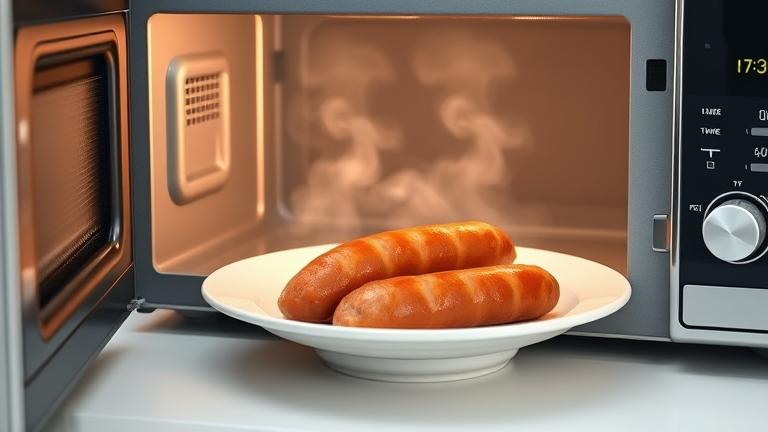
Quick Guide to Microwave Sausage Cooking
Cooking fully cooked sausage in the microwave is a fast and easy way to enjoy a tasty meal or snack. Whether you’re in a hurry or just want to save time, microwave cooking can be a practical solution. This guide walks you through the essential steps to heat your sausage quickly and safely while keeping it flavorful.
Preparation Tips
Before microwaving, start by removing the sausage from any plastic packaging or foam containers. If the sausage is linked, separate the pieces so heat distributes evenly. Use a microwave-safe plate or dish to hold the sausage during cooking. To prevent messes or splattering, you can cover the sausage with a microwave-safe lid, a paper towel, or microwave-safe plastic wrap. Just be sure to leave a small gap to let steam escape.
Timing and Cooking Process
- Place the sausage on the plate in a single row. Make sure they are not crowded so they heat evenly.
- Set your microwave to high power. Usually, fully cooked sausage takes about 30 to 60 seconds to heat through, depending on its size and the quantity being cooked.
- Start by microwaving for 30 seconds. Use a pair of tongs or a fork to turn or flip the sausage so they warm evenly on all sides.
- Check the temperature by touching or gently pressing the sausage. It should feel hot throughout. If needed, microwave in additional 10 to 15-second bursts until thoroughly heated.
Safety and Quality Tips
- Always check that the sausage is heated to at least 165°F (74°C) for safety, especially if it’s pre-cooked but chilled or refrigerated. You can use a food thermometer to confirm.
- Avoid reheating sausage multiple times, as this can affect taste and quality. Reheat only what you plan to eat.
- Let the sausage rest for a minute after microwaving, as the heat will distribute more evenly and prevent burning your mouth.
- If reheating leftovers or multiple sausages, do so in shorter intervals and check frequently to prevent overcooking.
Extra Tips for Best Results
- If you’re reheating sausage with a casing, be gentle to prevent bursting or splitting during cooking.
- For a crispier outside, briefly microwave, then finish with a quick pan-fry or broil in the oven.
- If you notice the sausage is drying out, you can add a splash of water or cover it with a damp paper towel during reheating to keep it moist.
With these simple tips, you can quickly enjoy warm, flavorful sausage straight from the microwave. Just remember to monitor the heat to ensure safety, and you’ll have your snack or meal ready in no time!
Preparing Sausage for Microwave Heating
When you’re heating sausages in the microwave, proper preparation makes a big difference. It helps them cook evenly, stay juicy, and reduces the risk of splatters. Whether you’re working with fresh, cooked, or frozen sausages, a few simple steps can ensure your meal turns out perfectly.
First, if you’re using raw or fresh sausages, consider piercing them a few times with a fork. This technique allows steam to escape during cooking, which helps prevent bursting or splitting. If the sausages are already cooked or smoked, piercing is usually not necessary but can still help with even heating.
For sausages that are thick or large, slicing them into halves or smaller pieces before microwaving can promote uniform heating. Thin slices or smaller chunks heat faster and more evenly. Just be careful to cut evenly so each piece heats properly, avoiding cold spots or overcooking edges.
If you have frozen sausages, it’s best to thaw them slightly before microwaving. You can do this by letting them sit at room temperature for a few minutes or use the defrost setting on your microwave. Once slightly thawed, follow the same piercing and slicing tips for best results.
Next, arrange the sausages on a microwave-safe plate. Avoid overcrowding to ensure heat can circulate around each piece. If you’re heating multiple sausages, leave space between them. You might want to place a paper towel underneath to catch any drips or splatters.
Covering the sausages can also help. Use a microwave-safe lid or a microwave-safe plastic wrap, leaving a small vent for steam to escape. This traps heat, keeps the sausages moist, and reduces messes. Avoid sealing them tightly, as trapped steam can cause the sausages to burst.
For an even heat, consider turning or flipping the sausages halfway through cooking. This helps all sides warm up equally, especially if your microwave heats unevenly. Use tongs or a fork to carefully reposition them without piercing too many times, which could let juices escape.
- Ensure the sausages are not touching each other for even cooking.
- Use microwave-safe tools and covers only.
- Always follow recommended cooking times based on sausage size and microwave wattage.
With these simple preparation tips, your sausages will heat evenly, stay juicy, and be ready to enjoy in just a few minutes. Proper prep is key to a tasty and safe microwave meal!
Best Tips for Even Cooking
Cooking sausages in the microwave can be quick and convenient, but getting them evenly heated can be tricky. To ensure your sausages are perfectly cooked all the way through, follow some simple yet effective tips. These methods help prevent cold spots and ensure each bite is safe and tasty.
First, always arrange your sausages in a single layer on the microwave-safe plate. Spreading them out ensures that heat reaches every piece evenly. If your sausages are crowded or piled up, some parts may cook faster than others, resulting in uneven heating. Use a flat plate or dish that provides enough space between the sausages for heat to circulate.
Next, consider turning the sausages during cooking. Microwave heat is uneven, especially if your appliance has hot spots or uneven power output. To combat this, pause the microwave midway through the cooking time and turn each sausage. Flip them over or rotate them so that all sides get equal exposure to the microwave’s energy. This simple step significantly improves uniformity in cooking.
Another useful trick is to cover the sausages with a microwave-safe lid or a damp paper towel. Covering helps trap steam, which can help cook the sausages more evenly and keep them moist. Just make sure the cover isn’t airtight, as some steam escape is needed to prevent a buildup of pressure.
Timing is key too. Check the sausages using a food thermometer after the initial cooking period. Sausages should reach an internal temperature of 160°F (71°C) for pork or beef, and 165°F (74°C) for poultry. If they aren’t quite there, microwave them in additional 10-15 second bursts, turning after each, until fully cooked. Avoid overcooking, which can make them dry and rubbery.
- Use microwave power levels wisely. Setting the microwave to medium or 50-70% power can promote more even heat distribution than high power.
- If your microwave includes turntables, utilize them. The rotation helps distribute heat more uniformly than static plates.
- For large batches, try breaking them into smaller groups, cooking in multiple rounds if needed. Smaller groups heat more evenly than large clusters.
Keep in mind that different microwave models vary. It’s a good idea to experiment a little with timing and arrangement to find what works best for your specific appliance. When in doubt, checking the temperature with a food thermometer is the safest way to ensure your sausages are both delicious and safe to eat.
By following these simple tips—arranging sausages properly, turning them during cooking, covering for steam, and checking internal temperature—you’ll enjoy evenly cooked sausages every time. Easy, reliable, and perfectly cooked sausages are just a few steps away!
Safety Tips for Microwave Sausages
Microwaving sausages is a quick and convenient way to enjoy a tasty meal, but it’s important to follow safety tips to prevent accidents and ensure your sausages are cooked properly. Proper handling and heating help avoid burns, foodborne illnesses, and unpleasant surprises.
First, always start with fresh or properly stored sausages. Check the expiration date on the package and look for any unusual odors or slimy textures. Never microwave sausages that look or smell suspicious. Using fresh or properly stored sausages reduces the risk of foodborne illnesses like Salmonella or E. coli, which can cause illness if the meat isn’t cooked thoroughly.
Next, before microwaving, prick the sausages with a fork or knife a few times. This simple step allows steam to escape during cooking, preventing the sausages from bursting due to built-up pressure. Be careful while doing this—use a fork to avoid poking yourself or tearing the casing too much.
When placing sausages in the microwave, arrange them on a microwave-safe plate. Avoid stacking sausages on top of each other, as this can lead to uneven cooking. If you’re heating multiple sausages, space them out evenly. For even heating, consider covering the sausages with a microwave-safe lid or microwave-safe plastic wrap, leaving a small vent to allow steam to escape.
Use the correct microwave power settings and cooking time. Overcooking can cause sausages to dry out or burn, while undercooking can leave bacteria alive. Follow the instructions on the package or start with a moderate power level, then check the temperature after a few minutes. Use a meat thermometer to verify that the internal temperature reaches at least 160°F (70°C) for pork and beef sausages, and 165°F (74°C) for poultry. This ensures the meat is safe to eat.
After microwaving, always let the sausages sit for a minute or two. This rest time helps evenly distribute heat inside the meat and reduces the risk of burns from hot juices or steam. Be cautious when removing the plate from the microwave. Use oven mitts or a towel to avoid burns, as the plate and sausages can be hot.
Remember, never reuse microwave plates or utensils that have been contaminated with raw meat juices. Clean all surfaces, utensils, and your hands thoroughly after handling raw sausages to prevent cross-contamination.
Finally, check for any signs of undercooked areas before eating. If some parts look pale or cold, microwave the sausages a little longer in short bursts. Always cut into one to ensure it’s thoroughly cooked, especially if your microwave heats unevenly.
- Prick sausages to release steam and prevent bursting.
- Use a meat thermometer for accurate safety check.
- Allow standing time after cooking for even heat distribution.
- Keep raw and cooked utensils separate to avoid cross-contamination.
- Always check for doneness before eating.
Delicious Flavors to Try
Adding different seasonings, sauces, or accompaniments can truly transform your microwave-heated sausages from simple to sensational. Whether you’re craving a smoky, spicy, or tangy taste, experimenting with flavors is a quick and easy way to keep your meals exciting.
Start with the basics: a dash of salt and pepper can enhance the natural flavor of your sausages. For more depth, try adding garlic powder, onion powder, or paprika. These seasonings complement the savory notes and add a little extra kick. A sprinkle of chili flakes or cayenne pepper can turn up the heat for those who love spicy foods.
Creative Sauces
Sauces are a fantastic way to add moisture and flavor. Classic choices include mustard, ketchup, and mayonnaise. For a little gourmet touch, try mustard mixed with honey or a splash of hot sauce. Mustard pairs especially well with pork sausages, bringing a sharp, tangy flavor.
Consider trying barbecue sauce for a smoky sweetness, marinara for an Italian twist, or even a dollop of sour cream mixed with herbs like dill or chives. If you like a bit of tang, try making a quick salsa with chopped tomatoes, onions, cilantro, and lime juice. These additions are easy to prepare and make your sausage meal more flavorful and satisfying.
Thoughtful Accompaniments
The right sides can elevate your sausage dish. Classic options include a side of sauerkraut or pickles, which add a crisp, tangy contrast. Fresh or roasted vegetables like peppers, onions, or zucchini make a colorful and healthy pairing.
Don’t forget about bread or buns! Toasted buns with a smear of mustard or mayonnaise and a sausage in the middle can turn your simple microwave sausage into a complete meal. For a Mediterranean twist, try serving your sausage with hummus and flatbread or pita pockets.
Flavor Combinations to Experiment With
| Flavor Profile | Suggested Additions |
|---|---|
| Smoky and sweet | Barbecue sauce, smoked paprika, caramelized onions |
| Spicy and fiery | Cayenne pepper, hot sauce, jalapeño slices |
| Herbaceous and fresh | Fresh basil or parsley, lemon zest, garlic aioli |
| Tangy and zesty | Mustard, vinegar-based hot sauce, chopped pickles |
Remember, the key is to balance flavors to suit your taste. Start with small amounts of seasonings and toppings, then adjust as needed. Don’t be afraid to mix and match different ingredients—this is your chance to make the sausage experience uniquely yours. Happy experimenting!
Troubleshooting Common Mistakes
Microwaving sausages can be quick and convenient, but it often comes with some common issues like uneven heating or dryness. Don’t worry. With a few simple tips, you can achieve perfectly cooked sausages every time.
One frequent mistake is microwaving sausages for too long or at too high a power, which can lead to dryness or even splitting of the sausage casings. Conversely, microwaving for too little time might leave the sausages undercooked and unsafe to eat. The key is to find a balance and use the right settings for your microwave and the size of your sausages.
Why Do Sausages Heat Unevenly?
Uneven heating happens because microwaves heat food from the inside out, and the distribution of microwave energy can vary across your oven. As a result, parts of the sausage may be hot while others remain cold.
To fix this, always pierce the sausages a few times with a fork or knife before microwaving. This allows steam to escape and helps heat the sausage evenly. Additionally, stopping to turn or rotate the sausages halfway through cooking can make a big difference. Many microwaves also have a turntable; make sure it is working properly to distribute heat evenly.
How to Prevent Sausages from Drying Out
Dry sausages are a common frustration. Overcooking or cooking without moisture can zap the juiciness and flavor. To keep them moist:
- Cover the sausages with a microwave-safe lid or damp paper towel. This traps steam and prevents moisture loss.
- Use a lower power setting, such as 50-70%, especially if you’re cooking multiple sausages or large ones.
- Cook in short intervals, checking frequently. Usually, 1-2 minute bursts work well, depending on the size.
What to Do If Your Sausages Are Too Soggy or Watery
Sometimes, sausages come out watery or soggy. This often happens when there’s too much moisture or the cooking time is excessive. To avoid this:
- Pat the sausages dry with a paper towel after cooking, especially if you plan to sear or grill them afterwards.
- Allow the sausages to rest for a minute after microwaving. Letting them sit helps juices redistribute.
- If you’re reheating leftovers, consider draining excess liquid or patting them dry before heating again.
Additional Tips for Perfectly Microwaved Sausages
- Choose the right sausage size: smaller, thinner sausages cook faster and more evenly than large, thick links.
- Use uniform pieces when cooking multiple sausages to promote even heating.
- Allow a brief stand time after microwaving. This helps carry over the heat and locks in moisture.
If you notice persistent issues, experiment with your microwave’s settings and cooking times. Remember, practice makes perfect. With these troubleshooting tips, you’ll be able to enjoy juicy, evenly cooked sausages straight from the microwave every time!
FAQs About Microwave Sausages
Microwave sausages are a quick and convenient way to enjoy a tasty meal or snack. Whether you’re reheating cooked sausages or cooking raw ones for the first time, you’ll find answers to common questions below. This guide covers safety tips, cooking times, and best practices to help you get perfect results every time.
Can I microwave raw sausages?
Yes, you can microwave raw sausages. However, it’s important to cook them thoroughly to ensure they are safe to eat. Raw sausages should be cooked until they reach an internal temperature of 160°F (71°C) for pork and beef, or 165°F (74°C) for poultry. Use a meat thermometer for accuracy. Before microwaving, prick sausages a few times with a fork to allow steam to escape and prevent bursting. Place them on a microwave-safe plate and cover with a microwave-safe lid or paper towel to minimize splatters.
How long should I microwave sausages?
The cooking time depends on the number and size of sausages, as well as your microwave’s wattage. As a general guide:
- For one standard sausage (about 3 oz), microwave on high for 30-40 seconds if pre-cooked, or 1 to 1.5 minutes if raw.
- For multiple sausages, increase the time by about 30 seconds per additional sausage, checking for doneness.
Always check that sausages are hot all the way through before eating. If you’re uncertain, cook in short intervals and test with a thermometer or cut into one to check if juices run clear and meat is cooked through.
How do I know when the sausages are fully cooked?
The best way to know if sausages are cooked is by checking their internal temperature with a meat thermometer. They should reach 160°F (71°C) for beef or pork, and 165°F (74°C) for poultry. You can also cut into a sausage to see if the juices run clear and the meat is no longer pink. Be cautious not to overcook, as sausages can become dry in the microwave.
Can I microwave sausages in their packaging?
It’s generally better to remove sausages from their packaging before microwaving. Some plastic wrappers are not microwave-safe and can melt or release harmful chemicals. Transfer sausages to a microwave-safe dish or plate, and cover loosely with a microwave-safe lid or paper towel. If sausages come in a plastic tray, check if it’s microwave-safe before use.
Are microwave sausages safe to eat after reheating?
Yes, but only if they are heated thoroughly. Reheat sausages until they are steaming hot all over, ideally reaching the safe internal temperature mentioned earlier. Do not reheat more than once, as repeated reheating can increase the risk of foodborne illness and affect taste and texture.
What are some tips for better microwave sausage cooking?
- Prick sausages before cooking to release steam and prevent bursting.
- Arrange sausages in a single layer to promote even heating.
- Use a microwave-safe cover to retain moisture and prevent splatters.
- Let cooked sausages rest for a minute or two after microwaving to allow heat to distribute evenly.
Following these tips can improve your microwave sausage experience, giving you juicy, thoroughly cooked sausages every time. Always prioritize safety by checking temperatures and avoiding undercooked meat.