
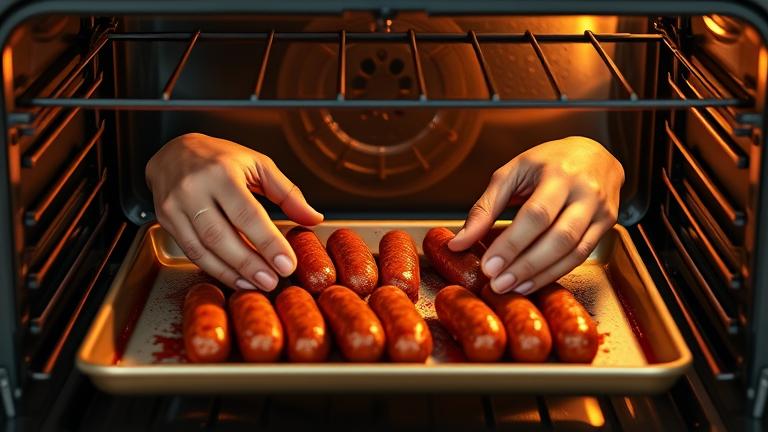
Introduction to Oven-Cooked Longanisa
Longanisa is a popular Filipino sausage known for its savory, slightly sweet, and garlicky flavor. It’s a favorite breakfast staple and can also be enjoyed as a snack or side dish. Traditionally, longanisa is cooked on a stovetop or grilled, but did you know you can also cook it easily in the oven?
Oven cooking longanisa is a simple and convenient method that many home cooks enjoy. It allows for even cooking without much fuss and reduces the mess compared to pan-frying. Plus, it’s great when cooking larger batches or when you want hands-free preparation.
One of the biggest advantages of baking longanisa in the oven is how it frees up your stove and keeps your kitchen cleaner. When you bake, the sausage releases some fat, which vaporizes or drips off onto a tray, preventing excess greasiness on your plate. This method also helps ensure that each sausage cooks evenly, giving you consistent flavor and texture every time.
If you’re new to oven-cooking longanisa, don’t worry. It’s a straightforward process that requires minimal prep. All you need is a baking tray, some parchment paper or foil, and your favorite longanisa links. It’s perfect for busy mornings, weekend brunches, or whenever you want a hassle-free way to enjoy this delicious Filipino sausage.
Whether you’re aiming for a crispy, browned exterior or a softer, juicier bite, oven cooking gives you flexibility. It’s also easy to tailor the process to suit your preferences—just adjust the cooking time or temperature accordingly. In the following sections, we’ll guide you through the simple steps to oven-cook longanisa perfectly, making your cooking experience both enjoyable and reliable.
Best Oven Cooking Methods for Longanisa
If you want to enjoy delicious longanisa without frying, your oven is a great tool. Baking, broiling, and roasting are all excellent ways to cook this flavorful Filipino sausage. Each method gives a slightly different finish, so you can choose based on your preference and what equipment you have available.
Baking Longanisa
Baking is one of the easiest and most hands-off ways to cook longanisa. It produces evenly cooked sausages that stay juicy inside. To bake longanisa, start by preheating your oven to 375°F (190°C). Line a baking tray with parchment paper or lightly grease it to prevent sticking.
Arrange the longanisa links on the tray with some space between them. Place the tray in the oven and bake for about 20-25 minutes. Turn the sausages halfway through cooking to ensure they brown evenly. You’ll know they’re done when they are nicely browned and cooked through. It’s also helpful to use a meat thermometer; the internal temperature should reach 160°F (71°C) for safe eating.
Tip: Baking is perfect if you’re cooking a large batch or want a set-it-and-forget-it method. It’s less messy and keeps your stovetop free for other dishes.
Broiling Longanisa
Broiling quickly cooks the longanisa with high, direct heat from above, giving them a crispy exterior. To broil, set your oven’s broiler to high and position the oven rack about 4-6 inches below the heat source. Line a baking sheet with foil for easy cleanup.
Place the longanisa links on the sheet and broil for about 10-15 minutes. Keep a close eye and turn them every few minutes to prevent burning and promote even browning. You’ll see the exterior becoming crisp while the inside stays juicy. Use a meat thermometer to check for internal doneness, aiming for 160°F (71°C).
Caution: Broiling burns hot and fast, so stay nearby and watch the sausages. This method is great if you want a crispy outer skin and are quick to serve.
Roasting Longanisa
Roasting is similar to baking but often involves higher heat for a more caramelized crust. Preheat your oven to 400°F (200°C). Arrange the longanisa on a wire rack placed over a baking sheet or directly on a greased oven-safe dish.
Roast for about 20-25 minutes, turning once or twice to ensure even browning. The higher temperature helps develop a richer flavor and a slightly charred outside. Use a meat thermometer to confirm the internal temperature reaches 160°F (71°C).
Roasting is ideal if you love a slightly smoky, crispy finish. It’s also good for smaller batches or if you want to give the longanisa a nice caramelized flavor.
Choosing the Best Method
- Baking: Best for even cooking without much fuss, suitable for large batches.
- Broiling: Ideal for crispy outside texture and quick results, perfect for a small number of sausages.
- Roasting: Great for a richer, caramelized flavor with a slightly smoky crust.
Whichever method you pick, always check the internal temperature for safety. Using a meat thermometer ensures your longanisa is cooked perfectly. Experiment with these techniques to find your favorite way to enjoy this tasty Filipino sausage in the oven.
Step-by-Step Guide to Oven Cooking
Cooking longanisa in the oven is a simple and mess-free way to get perfectly cooked, flavorful sausages. Whether you’re preparing a breakfast feast or adding a tasty protein to a meal, following these clear steps will help you achieve delicious results every time.
Preparation Steps
- Preheat your oven: Set your oven to 375°F (190°C). Allow it to fully heat up before cooking to ensure even heat distribution.
- Line your baking sheet: Use parchment paper or lightly grease a baking sheet to prevent the longanisa from sticking. This makes cleanup easier too.
- Prepare the longanisa: If your sausages are linked, separate them carefully. Some prefer to prick them gently with a fork to prevent bursting, but this is optional.
- Arrange on the baking sheet: Place the longanisa in a single layer, leaving space between each piece. This helps the heat circulate evenly for uniform cooking.
Cooking Procedure
- Insert into the oven: Place the baking sheet on the middle rack. This position promotes even cooking and browning.
- Bake the longanisa: Cook for about 25-30 minutes, turning the sausages halfway through. Turning ensures they brown evenly on all sides.
- Check for doneness: The sausages should be nicely browned and firm to the touch. If you have a meat thermometer, aim for an internal temperature of 160°F (71°C).
Additional Tips for Perfect Oven-Cooked Longanisa
- Adjust cooking time: Thinner or smaller longanisa might cook faster, so keep an eye on them to avoid overcooking.
- Broil for extra crispness: If you like a crispy skin, switch the oven to broil for the last 2-3 minutes. Watch closely to prevent burning.
- Rest before serving: Let the longanisa rest for a few minutes after removing from the oven. This helps juices settle and makes the sausages easier to handle.
Storing and Reheating
If you have leftovers, store the cooked longanisa in an airtight container in the refrigerator for up to three days. To reheat, simply place in a warm oven or microwave until heated through. This keeps the sausages tasty and safe to eat.
Cooking longanisa in the oven is a straightforward method that produces delicious, evenly cooked sausages with less mess and fuss. Follow these steps, and you’ll enjoy flavorful results without much effort!
Ideal Temperature and Cooking Time
When cooking longanisa, getting the temperature right is key to ensuring it is cooked thoroughly and stays juicy and flavorful. Proper cooking also keeps it safe to eat. In this section, you’ll find simple guidelines for ideal temperature settings and how long to cook your longanisa.
The goal is to cook longanisa until it reaches an internal temperature of at least 160°F (72°C). This temperature ensures that any harmful bacteria are killed, making it safe to consume. Using a meat thermometer can help you verify that the sausage hits the right mark. If you don’t have one, aim for a brown, nicely crisp exterior while ensuring the inside is no longer pink.
Cooking Methods and Times
- Pan-frying: This is the most popular method. Place the longanisa in a heated skillet over medium heat. Cook for about 15-20 minutes, turning frequently to promote even browning. Adjust the heat if it starts to burn or cook too fast before the inside is done.
- Oven roasting: Preheat your oven to 375°F (190°C). Arrange the longanisa on a baking sheet lined with parchment paper. Bake for 20-25 minutes, turning halfway through. Use a meat thermometer to check for doneness.
- Grilling: Set your grill to medium heat. Grill the longanisa for roughly 15-20 minutes, turning often. Keep an eye on the heat to prevent flare-ups or charring while ensuring the insides are cooked through.
Tips for Best Results
- Always preheat your cooking surface before adding the sausage. This helps prevent sticking and promotes even cooking.
- Depending on the thickness of your longanisa, cooking times may vary slightly. Thicker sausages may take a little longer.
- If you’re pan-frying, adding a small amount of water or oil can help prevent sticking and promote browning.
- Rest the cooked longanisa for a few minutes before serving. This allows the juices to settle, keeping the sausage moist and flavorful.
Checking for Doneness
The easiest way is to use a meat thermometer. Insert it into the thickest part of the sausage, avoiding the casing. When it hits 160°F (72°C), you’re all set. If you don’t have a thermometer, look for a deep, golden brown exterior and no pink in the center. Juices should run clear when pierced.
Remember, overcooking can dry out the sausage, so keep a close eye once it nears the expected cooking time. Perfectly cooked longanisa should be crispy on the outside and juicy inside. Following these temperature and timing guides will help you enjoy safe, delicious longanisa every time.
Tips for Flavorful Longanisa
Longanisa, the delicious Filipino sausage, is loved for its savory taste and crispy edges. To make yours truly stand out, there are simple ways to boost its flavor and keep it juicy. Whether you’re a beginner or a seasoned cook, these tips will help you get the most flavor out of your longanisa.
One of the best ways to enhance the flavor is by marinating the longanisa before cooking. Marinating allows the spices to seep into the meat, making each bite more flavorful and tender. You can make a quick marinade with soy sauce, garlic, and a touch of vinegar, or experiment with different herbs and spices like black pepper, garlic powder, or even a little honey for sweetness. Remember to marinate for at least 30 minutes, or up to a few hours if you want a more intense flavor.
Seasoning your longanisa mixture properly is also key. Aside from the traditional salt and pepper, add a dash of paprika or smoked paprika for a smoky note, or a pinch of sugar to balance the saltiness. Some cooks also add chopped fresh herbs like parsley or cilantro for a fresh flavor burst. Don’t forget to taste the mixture before stuffing it into the casing. If it needs more oomph, adjust the seasonings accordingly.
For maximum juiciness, avoid overcooking the longanisa. Keep an eye on the heat—cooking on medium heat allows the sausage to cook evenly without drying out. If pan-frying, add a small splash of water or broth and cover the pan briefly; this steams the sausage gently and keeps it moist. Grilling is another great method; just make sure not to turn the sausages too often, letting them develop a nice char and lock in their juices.
Another tip is to prick the longanisa with a fork a few times before cooking. This helps steam escape, preventing the sausage from bursting and helping it stay juicy. However, be careful not to prick too many holes or too deep, as this can cause juices to escape excessively.
If you want to add an extra layer of flavor, consider brushing the cooked longanisa with a glaze made from honey or a soy-based sauce. This adds a glossy finish and enhances the savory taste with a touch of sweetness.
Finally, for storing leftovers, keep cooked longanisa in an airtight container in the refrigerator for up to three days. Reheat gently in a skillet over low heat or in the microwave, adding a splash of water to retain moisture. Proper storage and reheating help maintain the juicy texture and delicious taste.
- Marinate for extra flavor
- Season the meat mixture well before stuffing
- Cook on medium heat and avoid overcooking
- Prick sausages to release steam and retain juiciness
- Add a finishing glaze for extra flavor
Common Mistakes to Avoid
Cooking longanisa in the oven can be easy and convenient, but there are some common mistakes that can lead to less-than-perfect results. By being aware of these pitfalls, you can ensure your longanisa turns out juicy, flavorful, and cooked to safety standards.
One frequent mistake is not preheating the oven properly. It might seem harmless to throw the longanisa in a cold oven, but this can lead to uneven cooking. Always preheat your oven to the recommended temperature, usually around 375°F (190°C), before placing the sausages inside. This helps cook them evenly from start to finish.
Another common error is cooking longanisa at too high a temperature. High heat can cause the outside to burn or become overly crispy while the inside remains undercooked. To avoid this, stick to a moderate temperature, around 350°F to 375°F (175°C to 190°C), and keep an eye on the cooking time.
Overcooking longanisa can dry them out and make the texture unpleasant. To prevent this, use a meat thermometer to check the internal temperature. The ideal doneness temperature for longanisa is about 160°F (71°C). Once reached, remove the sausages from the oven to keep them juicy and flavorful.
Under- cooking is equally problematic. If the sausages aren’t fully cooked, they can be unsafe to eat. Always check for a firm, plump appearance and a cooked-through look. Cutting into one to check if the juices run clear can also help verify doneness, but the thermometer is the most reliable method.
Another mistake is overcrowding the baking sheet. If you place too many longanisa close together, heat won’t circulate evenly, resulting in inconsistent cooking. Space the sausages apart slightly. This way, heat can evenly reach all sides, and your longanisa will cook uniformly.
Using a baking sheet without a rack is another common mishap. Putting the sausages directly on the pan can cause the bottoms to become soggy because of pooled fat. Use a wire rack placed on the baking sheet to allow hot air to circulate around the sausages. This technique helps achieve a crispy exterior and evenly cooked inside.
- Be mindful of cooking time based on the size of your sausages – larger ones may need a few extra minutes.
- Remember to turn or flip the longanisa halfway through cooking if you prefer even browning.
- Let the longanisa rest for a few minutes after taking them out of the oven. This helps juices redistribute for a juicier bite.
By avoiding these common errors, you can enjoy perfectly cooked longanisa every time. Proper preparation, attention to temperature, and careful checks go a long way toward a delicious, safe, and satisfying meal.
Serving Ideas and Pairings
Longanisa is a flavorful Filipino sausage that’s perfect for breakfast, lunch, or even a casual dinner. Once you’ve cooked it to perfection, the next step is to choose the best ways to serve it. Pairing longanisa with the right sides and drinks can elevate your meal and make it even more enjoyable.
Start by considering how you like to enjoy your longanisa. Do you prefer it spicy, sweet, or savory? This can help guide your choice of accompaniments. Longanisa pairs well with rice, bread, or fresh vegetables, creating a balanced and satisfying plate.
Classic Service Ideas
- With Garlic Fried Rice: A popular Filipino way to serve longanisa is alongside garlic fried rice. The aromatic rice complements the savory, slightly sweet flavor of the sausage. Top with a fried egg for a hearty breakfast or brunch.
- Wrapped in Pandesal: For a quick snack or meal on the go, slice cooked longanisa and tuck it into soft pandesal bread. Add a little pickled radish or a smear of mustard for extra flavor.
- With Fresh Vegetables: Serve longanisa with a side of sautéed or fresh vegetables like green beans, stir-fried spinach, or a simple cucumber salad. The freshness helps balance the richness of the sausage.
- In a Breakfast Platter: Include longanisa with scrambled eggs, sliced tomatoes, and some toasted bread or pandesal for a complete Filipino-style breakfast.
Drink Pairings
Choosing the right drinks to go with longanisa depends on its flavor profile. If your longanisa is spicy or sweet, some beverages can really enhance your meal.
- Traditional Options: Freshly brewed coffee or hot chocolate are classic pairs. The warmth and bitterness of coffee contrast nicely with the savory sausage.
- Juice and Soft Drinks: A citrusy calamansi juice or lemonade offers a refreshing contrast that cuts through the richness. Soft drinks like cola or ginger ale are also popular choices.
- Alcoholic Beverages: For adult settings, light beers such as lagers or pilsners work well. They refresh the palate and complement the saltiness. A chilled, dry white wine can also pair nicely.
Additional Tips
- Presentation matters: Serve sliced or whole longanisa—whichever suits your style—and consider garnishing with fresh herbs or a squeeze of lime to add visual appeal and brightness.
- Balance flavors: If your longanisa leans toward sweetness, pair it with tangy or spicy sides. If it’s more savory, milder accompaniments work better.
- Meal versatility: Longanisa is adaptable enough to be part of a simple breakfast or a festive dinner. Feel free to experiment with sides and drinks to suit the occasion.