
Why Use Baking Soda to Deodorize?
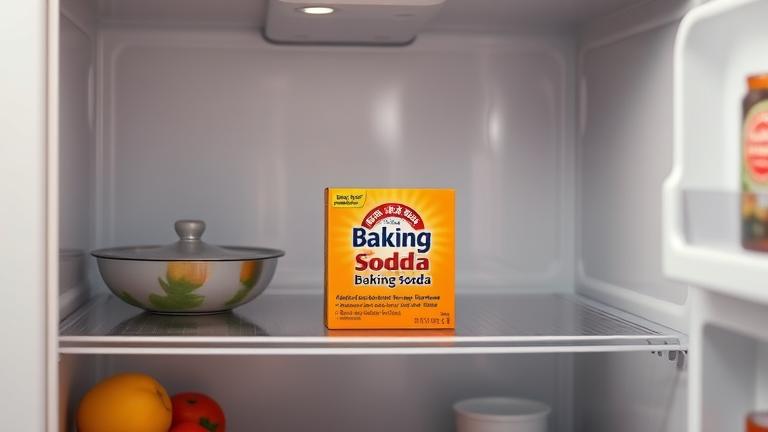
Baking soda is a popular natural deodorizer that works wonders in refrigerators. It is affordable, safe, and easy to use, making it a go-to solution for keeping your fridge smelling fresh. Many people prefer baking soda because it doesn’t contain harsh chemicals or artificial fragrances.
One of the main reasons to use baking soda is its ability to neutralize odors. Unlike perfumes or air fresheners that temporarily mask bad smells, baking soda absorbs and eliminates odor-causing particles. These particles often hide inside food spills, spoiled produce, or lingering leftovers.
How does it do this? Baking soda is a mild alkaline compound. When it reacts with acidic or basic odor molecules in the air, it neutralizes them. This chemical process reduces the presence of unpleasant smells rather than just covering them up.
Using baking soda in your refrigerator is straightforward. Just place an open box or a small bowl filled with baking soda on a shelf. It doesn’t need to be near food, but it should be in an accessible spot where air can reach it. Every few months, replace the baking soda to maintain its freshness and effectiveness.
Another advantage is safety. Baking soda is non-toxic and safe for households, especially where children or pets are present. Unlike chemical deodorizers, it won’t release harmful fumes or residues. This makes it an eco-friendly choice that you can trust for your family’s health.
Cost-effectiveness is also a big plus. A box of baking soda costs just a few cents and can last several months. This saves you money compared to frequent purchases of commercial deodorizing sprays or air fresheners. Plus, you probably already have baking soda in your kitchen, so no extra trips to the store are needed.
For added deodorizing power, some people combine baking soda with other natural ingredients. For example, mixing a few drops of essential oil (like lemon or lavender) into the baking soda can add a subtle, pleasant scent. Just sprinkle this mixture on a small plate or bowl on your fridge shelf.
It’s also helpful to clean spills and spoiled food promptly, as baking soda works best when odors originate from fresh sources. Keep your fridge tidy and ventilate it regularly to enhance deodorizing results.
- Store a fresh box of baking soda in your fridge every 3-6 months for optimal odor control.
- Use a shallow bowl or open box for best air contact.
- Replace baking soda when it stops smelling fresh, typically every three months.
- Add essential oils for a customized scent if desired.
Overall, baking soda offers a simple, safe, and budget-friendly way to keep your refrigerator smelling clean and fresh. Its ability to neutralize odors at the source makes it a smart choice for everyday use in your home.
Preparing Your Fridge for Deodorization
Before you start using baking soda or any other deodorizing method, it’s important to prepare your fridge properly. A clean and fresh environment will help eliminate odors more effectively and keep your food safe. Taking a few simple steps to clean the interior and remove expired items will make a big difference.
Start by emptying your fridge completely. Remove all food, beverages, and condiments. This gives you full access to clean every corner. As you do this, check each item carefully. Discard any expired, spoiled, or questionable food. It’s best to dispose of leftovers that have been sitting too long or items with strange smells or mold. Not only will this reduce odors, but it also improves food safety.
Next, take out any removable shelves, drawers, and other accessories. These parts can trap grime and spoilage odors. Wash them with warm water and a mild dish soap. For stubborn stains or odors, use a mixture of half water and half white vinegar. Rinse thoroughly and dry with a clean towel. Be sure to clean all crevices, door seals, and corners where spills can hide.
Use a soft cloth or sponge to wipe down the interior walls, ceiling, and door shelves. A mixture of baking soda and water can be gentle yet effective for cleaning. Avoid harsh chemicals that might leave residues or odors. Take your time to reach into tight spots and corners. Once cleaned, dry all surfaces with a clean towel to prevent moisture buildup.
While cleaning, inspect the door seals or gaskets. These rubber rings often trap crumbs and mold. Wipe them gently with a damp cloth, then dry thoroughly. If you notice mold or a strong smell lingering on the seals, consider replacing them for a fresh start.
After cleaning, leave the fridge door open for a while. Allow any remaining moisture to evaporate and let fresh air circulate. This step can help remove lingering odors and prepare the fridge for deodorization. You might also consider placing an open box of baking soda on a high shelf during this airing-out period.
By thoroughly cleaning your fridge and removing spoiled items first, you create the perfect environment for effective deodorization. This not only keeps your fridge smelling fresh but also ensures your stored food stays healthy and safe. Once everything is dry and odor-free, you’re ready to start the deodorizing process with baking soda or other methods.
Step-by-Step Baking Soda Method
Baking soda is a simple, natural way to keep your fridge smelling fresh. It absorbs odors effectively, making it a popular choice for deodorizing your food storage space. Using baking soda properly can make a real difference in eliminating unpleasant smells and maintaining a clean, pleasant environment for your food.
Here’s a friendly, practical guide on how to use baking soda for deodorizing your fridge, including how to place it correctly and how long to leave it in for the best results.
Step 1: Choose Your Baking Soda
Select a box of baking soda that’s unscented and plain. You don’t need any special brands — regular baking soda from your pantry works perfectly. If you’d like to add a fresh scent, some people mix in a few drops of essential oils, but plain baking soda does the job well on its own.
Step 2: Prepare the Container
Find an open container or a small bowl that fits comfortably in your fridge. Don’t seal it with a lid because the goal is for the baking soda to absorb odors, which requires some airflow. A shallow dish works best, as it increases surface area for odor absorption.
Step 3: Place the Baking Soda
Fill the dish with about 1/2 cup of baking soda. Place it in a spot in your fridge where odors tend to concentrate — often near the back or on a middle shelf. Keep it away from raw meats or strong-smelling foods to prevent scent contamination.
Step 4: Let It Work
Leave the baking soda in place for at least one month. If your fridge smells fresh and clean after that time, you can replace the baking soda. For homes with strong or persistent odors, you might want to change it every two to three weeks.
Tips for Best Results
- Reposition the dish occasionally to maximize odor absorption.
- If you notice lingering smells, replace the baking soda sooner.
- Keep the baking soda away from moisture or spills to prevent clumping.
- Label the container if you have multiple baking soda boxes, so you remember when to replace it.
Extra Advice
Remember, baking soda is a deodorizer, not a disinfectant. It will help neutralize smells, but it won’t eliminate bacteria or spoilage. Keep your fridge clean by regularly wiping down shelves and checking for spoiled food, alongside using baking soda for fresh scents.
If you want an added boost, sprinkle baking soda on your fridge drip tray or shelves periodically—it can further absorb odors and help keep the entire space smelling clean. Just make sure to clean up any spills right away to prevent messes.
Using baking soda for deodorizing is a simple, cost-effective way to improve your fridge environment. With a little routine, you’ll enjoy a fresher, more pleasant kitchen space every day.
Tips for Maintaining a Fresh Fridge
Keeping your refrigerator smelling fresh and clean is essential for good food safety and enjoyable cooking. A fresh-smelling fridge not only makes your kitchen more inviting but also helps extend the shelf life of your food. The key is to combine regular cleaning with smart storage practices. Here are some practical tips to help you maintain a clean, odor-free refrigerator.
Regular Cleaning is a Must
Make it a habit to clean your fridge at least once a month. Start by removing all the food items. Check for expired or spoiled items and dispose of them promptly. Wipe down shelves, drawers, and walls with a mixture of warm water and a mild detergent or baking soda solution. Baking soda is great at neutralizing odors and is gentle on surfaces. Don’t forget to scrub around door seals and corners where spills often hide.
After cleaning, dry all surfaces thoroughly with a clean cloth. Moisture can promote mold and bacteria growth, which contribute to bad smells. For an extra fresh scent, place an open box of baking soda in the fridge. It absorbs odors naturally and needs replacing about once every three months.
Use Proper Storage Techniques
- Keep food covered: Use airtight containers or wrap leftovers tightly. This prevents smells from escaping and mingling with other foods.
- Store raw meat properly: Always place raw meat on the bottom shelf, inside a tray or on a plate, to prevent drips that can contaminate other foods.
- Maintain temperature: Keep your fridge at or below 40°F (4°C). Use a thermometer to monitor, as proper temperature slows bacterial growth and reduces odors.
- Avoid overloading: Allow air to circulate freely. Overstuffed fridges trap heat and cause spoilage—which can lead to strange smells.
Extra Tips for a Fresher Fridge
Place a few activated charcoal bags or coffee grounds inside the fridge as natural odor absorbers. Replace them every month or so for continuous freshness. Additionally, cleaning spills immediately prevents stains and bad odors from setting in. Do a quick daily check for spills or spoiled leftovers to keep your fridge in top shape.
If you notice lingering smells despite these tips, try wiping down surfaces with a mixture of water and white vinegar. Vinegar is a natural deodorizer and disinfectant. Remember, a clean and well-organized fridge makes your food safer and your kitchen more pleasant to be in. With these simple habits, you’ll enjoy a fresh smelling fridge every day.
Avoid Common Mistakes
Deodorizing your fridge is a smart way to keep your kitchen smelling fresh, but it’s easy to make some common mistakes that can reduce its effectiveness or even harm your appliance. To get the best results, it helps to be aware of what to avoid. Here are some practical tips to help you deodorize safely and successfully.
One common mistake is using harsh chemicals or strong cleaning agents inside the fridge. These can damage the seals or surfaces and sometimes cause lingering chemical odors. Instead, opt for mild, natural solutions like baking soda, vinegar, or lemon juice. These are effective at neutralizing odors without risking harm to your fridge or your health.
Another mistake is overusing deodorizing products. For example, placing too many baking soda boxes or heavily scented items might seem like a good idea, but they can actually compete with or mask other odors rather than eliminate them. Use a moderate amount of deodorizer and give it time to work. Usually, a few tablespoons of baking soda laid loosely in a small open container can do wonders.
It’s also important not to forget about cleaning the entire interior of the fridge before deploying deodorization methods. Food spills, spoiled leftovers, or mold can produce strong odors that persist even after applying deodorizer. Take time to remove all items, and clean shelves, drawers, and walls with warm water and a gentle cleaner if needed. This thorough cleaning is key to effective deodorizing.
A frequent mistake is neglecting to check for expired or spoiled food regularly. Leftovers or expired produce can silently produce unpleasant smells. Make it a habit to clean out the fridge weekly, removing anything that is past its prime. This simple step greatly improves the effectiveness of deodorizing efforts and keeps your fridge fresh longer.
Using inappropriate containers is another mistake. When applying deodorizer like baking soda, avoid airtight containers unless they are specifically designed for absorption. The goal is to let the deodorizer absorb odors naturally. Open containers or breathable sachets work best. Never mix deodorizing products directly with food or in places where they might accidentally contaminate your food.
Lastly, timing matters. Don’t wait too long between deodorizing sessions. If you notice a persistent smell, repeated cleaning and deodorizing can help. Regular maintenance prevents strong odors from settling in and becoming difficult to remove.
- Avoid using harsh chemicals that can damage seals and surfaces.
- Don’t overdecorate with deodorizer — less is often more.
- Always clean thoroughly before applying deodorizer.
- Remove spoiled food regularly to prevent lingering odors.
- Use open or breathable containers for deodorizer placement.
- Maintain a consistent cleaning schedule to prevent buildup.
By steering clear of these common mistakes, you can keep your fridge smelling fresh without risking damage or lingering odors. Remember, simple and consistent care is the key to a clean, odor-free appliance that works efficiently and looks great too.
Other Natural Deodorizers
If you’re looking for ways to keep your fridge smelling fresh without relying solely on baking soda, there are plenty of natural options to explore. These natural deodorizers are easy to find, affordable, and safe for your family and the environment. Using a variety of methods can also help target different odors more effectively, keeping your kitchen smelling clean and inviting.
One popular natural deodorizer is activated charcoal. Known for its excellent odor-absorbing properties, activated charcoal can trap smells instead of just masking them. You can buy small bags or pouches of activated charcoal designed specifically for deodorizing refrigerators. Simply place one in the corner of your fridge, and it will quietly work to absorb unwanted odors. Remember to replace or recharge the charcoal every few months for optimal freshness.
Another natural method involves using vinegar, a classic household staple. White vinegar is great for neutralizing odors due to its acidity. To use vinegar as a deodorizer, fill a small bowl or jar with vinegar and place it inside your fridge. The vinegar will absorb odors over time. Don’t worry about the scent; vinegar’s smell will dissipate quickly and leave behind a fresher environment. For a more pleasant aroma, you can add a few drops of essential oils like lemon or tea tree to the vinegar.
Leak-proof containers of coffee grounds are also excellent natural deodorizers. Coffee has a strong, earthy scent that masks and absorbs unwanted smells. Simply spread a small amount of dried coffee grounds in a shallow dish or a breathable bag and place it on a shelf. Coffee grounds need to be replaced regularly to maintain their effectiveness. Plus, this method can add a warm, inviting aroma to your fridge.
Many people also turn to citrus peels, such as lemon, lime, or orange. These peels release fresh scents and absorb odors naturally. To use citrus peels, collect some peels and place them in a bowl or a breathable bag. Keep the bowl in the fridge and replace the peels when they start to dry out or lose their scent. The natural oils in citrus are great for rejuvenating your fridge’s smell without bringing in artificial fragrances.
Essential oils are another versatile option. A few drops of oils like lemon, lavender, or eucalyptus on a cotton ball or small cloth can provide a pleasant, clean scent. Place the scented item in the fridge or in a small open container for continuous freshness. Be cautious about the quantity you use, as too much oil can leave a lingering scent or stain shelves over time.
- Remember to regularly clean the fridge to prevent stubborn odors from forming.
- Combine several natural deodorizers, like activated charcoal and citrus peels, for enhanced effect.
- Avoid overstuffing containers, as good airflow helps these methods work better.
By exploring these natural deodorizer options, you can maintain a fresh-smelling fridge without chemicals or artificial fragrances. Experiment with different combinations to find what works best for your household and enjoy a cleaner, more inviting kitchen environment.
FAQs About Fridge Odor Removal
If your fridge has developed an unpleasant smell, you’re not alone. Keeping your refrigerator smelling fresh can seem tricky, but with the right tips, you can easily banish bad odors. Here are some common questions and friendly advice to help you deodorize your fridge effectively.
What are the best methods to remove fridge odors?
There are several simple and effective ways to refresh your fridge’s scent. The most popular methods include placing an open box of baking soda inside your fridge, using activated charcoal, or setting out a bowl of coffee grounds. Each of these absorbs bad smells naturally. Regularly wiping down shelves with a mixture of water and vinegar also helps keep odors at bay. Remember, cleaning spills immediately and removing expired food are crucial steps.
How often should I deodorize my fridge?
If your fridge tends to develop odors quickly, aim to deodorize it once a month. For most homes, a simple wipe-down and replacement of odor absorbers every 30 days is enough. If you notice stronger smells, consider more frequent cleaning or using additional odor eliminators. Regular maintenance prevents buildup and keeps your fridge smelling fresh longer.
What should I do if baking soda doesn’t work?
Baking soda is a popular odor absorber, but it may not always be enough. If you still detect smells after a few weeks, try replacing the baking soda with fresh powder. You can also switch to activated charcoal or place small bowls of vinegar inside. Combining several methods—like cleaning, using odor absorbers, and ensuring good airflow—provides the best results. Sometimes, lingering odors are caused by hidden spills or mold, so thorough cleaning is essential.
Can I use essential oils to deodorize the fridge?
Yes, some people like to add a few drops of essential oil, like lemon or eucalyptus, to a cotton ball or small dish inside the fridge. However, don’t overdo it, as strong scents can sometimes clash with the smell of food. Be cautious and use sparingly. Keep in mind, essential oils are more of a pleasant masking scent than a deep deodorizer. For long-term freshness, rely on absorbent materials and regular cleaning.
What are common mistakes to avoid when deodorizing the fridge?
- Ignoring spills: Clean up food spills immediately to prevent odors from setting in.
- Overpacking the fridge: Store food in sealed containers to minimize strong smells.
- Overusing deodorizers: Too many boxes or heavily scented items can compete with or mask odors rather than eliminate them.
- Neglecting regular cleaning: Routine maintenance is essential for long-lasting freshness.
How can I troubleshoot persistent fridge odors?
If odors persist despite cleaning and using odor absorbers, check for hidden sources. Look behind shelves, under drawers, and around door seals for spilled liquids or mold. Sometimes, the old ice or freezer section can accumulate smells. Consider emptying and cleaning the entire fridge thoroughly. In extreme cases, unplug the fridge for a few hours and then restart after cleaning. Proper airflow and regular maintenance are your best allies to keep odors away.