
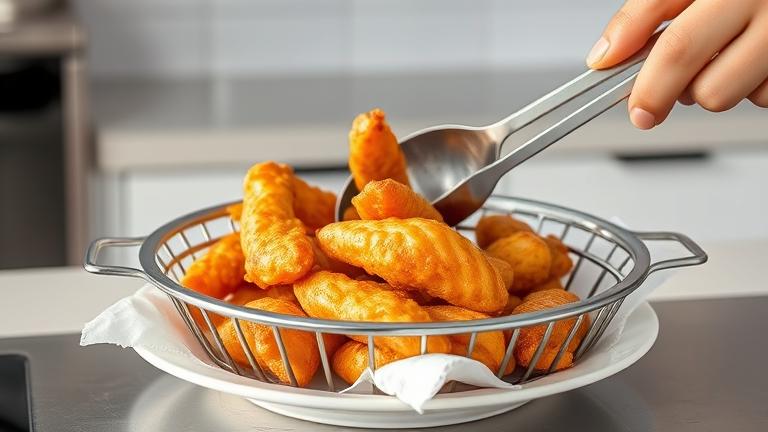
Why Properly Draining Fried Food Matters
When you fry foods at home, draining excess oil is an essential step that can make a significant difference. Proper draining not only improves the appearance, taste, and texture of your fried dishes but also benefits your health. It might seem simple, but taking the time to drain your fried foods properly keeps them crispier and less greasy.
First, consider how greasy or soggy fried foods can become if you skip draining. Excess oil can make the food heavy, limp, and less appealing. The crispy exterior tends to disappear when the surface is saturated with oil. Moreover, consuming fried foods laden with oil isn’t ideal for your health, especially if you do it frequently. Draining helps reduce excess fat, making your meals slightly healthier without sacrificing flavor.
So, what exactly does proper draining involve? It’s about removing as much oil as possible after frying. This isn’t just for presentation; it affects the texture, flavor, and longevity of your food. If you don’t drain well, your fried items can become oily and soggy within minutes. No one wants that. Instead, a good drain ensures your food remains crispy and inviting from the first bite to the last.
There are a few easy tricks to ensure you drain correctly. First, use a slotted spoon or tongs to lift the food out of hot oil. This prevents excess oil from dripping back onto the food. Next, place your fried items on a wire rack set over a baking sheet. This setup allows air to circulate around the food, helping it stay crisp. If you don’t have a wire rack, paper towels work too, but they can sometimes trap moisture if used too long.
It’s also important to let the fried items rest for a minute or two after removing them from the oil. This brief pause helps excess oil drain away naturally. Be cautious not to pile them on top of each other right away, as this can trap moisture and make them soggy instead of crispy. When serving your fried foods, do so promptly. The longer they sit, the more they can lose their crunch.
- Use a wire rack for best results. It promotes air circulation and keeps the food crispy.
- Don’t skip the initial lift with tongs or a slotted spoon to remove excess oil immediately.
- Let fried foods rest briefly before serving for optimal texture and flavor.
- Avoid stacking fried foods directly on each other without draining, as this traps moisture.
In summary, properly draining fried food is a simple step that pays off in taste, texture, and health. With just a little extra care, you can enjoy crispy, delicious dishes that look and taste better. It’s a small effort that makes a big difference every time you fry at home.
Best Tools for Draining Oil Effectively
After frying food to crispy perfection, draining the excess oil is key to achieving a lighter, less greasy dish. Fortunately, there are several handy tools designed to help you remove oil efficiently and safely. Using the right equipment not only improves the texture and flavor of your fried foods but also promotes a cleaner kitchen environment.
Here are some of the most effective tools you can use to drain oil from fried foods and how to choose the right one for your needs.
1. Wire Cooling Racks
Wire cooling racks are a popular choice for draining fried foods. They are sturdy, breathable, and allow excess oil to drip off from all sides.
- Ensure the rack has a good size and spacing for your food. Smaller holes prevent food from falling through.
- Place the rack over a baking sheet or a tray to catch the drips, keeping your countertop clean.
- For best results, set the fried food on the rack immediately after frying and let it sit for a few minutes.
2. Slotted Spoon or Skimmer
A slotted spoon or skimmer is handy for removing individual pieces from hot oil. It has holes or slots that let oil drain back into the pot while lifting out food.
- Choose a sturdy, heat-resistant spoon with large, open slots for quick draining.
- Use it carefully to avoid splashing hot oil, especially when removing greasy foods from the oil bath.
- This tool is great for smaller batches or when you want to serve food immediately.
3. Tongs
Long-handled tongs are versatile for grabbing, turning, and removing fried items. They help you avoid direct contact with hot oil and provide good control.
- Select tongs with heat-resistant tips and a secure grip.
- Use tongs to lift food out of oil and let excess oil drip off before placing on a rack or plate.
- Perfect for larger pieces or items like fried chicken, fries, or tempura.
4. Paper Towels and Absorbent Mats
Though not a tool for draining oil directly from food, placing fried items on paper towels is a simple, effective method to absorb surface oil. For best results:
- Use a layer of paper towels or absorbent paper on a plate or tray.
- Lay the fried food in a single layer to prevent steaming and sogginess.
- Pat lightly if needed, but avoid pressing too hard, which can push oil into the food.
5. Oil Draining Baskets
Specially designed for deep-frying, oil draining baskets hang over your pot or fryer, making it easy to lift a batch out of hot oil smoothly.
- Look for baskets with heat-resistant handles for safe handling.
- Some baskets come with hooks or rests to secure them in place while draining.
- They are perfect for large quantities and professional-style frying.
Additional Tips for Effective Oil Drainage
- Always allow fried foods to rest for a few minutes after cooking to let oil drip off naturally.
- Use multiple layers of paper towels for especially greasy foods for better absorption.
- Properly cool and drain oil from your tools and equipment to prolong their lifespan and keep your kitchen tidy.
Choosing the right tools for draining oil makes the whole frying process cleaner, safer, and healthier. Whether you prefer a simple wire rack or a professional drain basket, using these tools will help ensure your fried foods are crispy, delicious, and less greasy.
Easy Methods to Remove Excess Oil
If you’ve cooked with oil or fried foods, you know how tricky it can be to get rid of that excess oil. Too much oil can make dishes greasy and less enjoyable. Luckily, there are simple and practical ways to drain away the extra oil and make your meals healthier and more delicious.
The key is to use techniques that are quick, effective, and safe. Here are some of the best methods to remove excess oil after cooking or frying.
1. Use a Paper Towel or Clean Kitchen Towel
This is one of the easiest ways to soak up surface oil. After cooking, carefully transfer the food onto a plate lined with paper towels. The paper will absorb the excess oil from the surface of fried foods like chicken, fries, or fish. For even better results, gently pat the food with another paper towel on top. Avoid pressing down too hard, which can cause the food to break apart.
Tip: Use fresh paper towels if the first ones become saturated quickly. For delicate items like tempura, lightly lay the paper towels on top and don’t press too hard.
2. Drain in a Colander or Wire Rack
For foods like fried chicken or onion rings, a wire rack or slotted spoon can help drain excess oil. Place the food on a wire rack set over a baking sheet or plate. This allows the oil to drip off and collect underneath. Leave the food for a few minutes to let the excess oil drain naturally.
Tip: Using a wire rack helps keep your food crispy longer because it allows air to circulate all around the food.
3. Use a Slotted Spoon or Skimmer
If you’re frying food directly in oil, use a slotted spoon or a skimmer to lift out the food. Hold it above the hot oil for a few seconds to let excess oil drip back into the pot. This method is quick and works well for small batches of fried items.
Be careful when handling hot oil to avoid splashes. Always use long-handled utensils for safety.
4. Let the Food Rest on a Paper Towel or Rack
Once you’ve drained the excess oil, let the food sit briefly on a paper towel or rack. This final step ensures any remaining surface oil gets absorbed. It’s especially helpful if you want to serve crispy food that isn’t greasy.
Tip: For best results, don’t cover the food right away, which can cause steam and make it soggy.
Additional Tips for Effective Oil Removal
- Make sure to drain foods in a warm place if possible, so oil stays within the food and doesn’t pool around it.
- Avoid stacking hot food on top of each other, as trapped steam can make foods soggy instead of crispy.
- Remember to always handle hot oil and fried foods with care to stay safe.
By using these simple methods, you can cut down on excess oil and enjoy healthier, less greasy dishes. Whether you’re frying, sautéing, or just want to make leftovers less oily, these tips will help you get the job done easily and safely.
Common Mistakes When Draining Oil
Drainage of oil is an important step in many cooking processes, especially when frying or preparing dishes that require less greasiness. However, beginners and even experienced cooks often make some common mistakes that can affect the final result. Knowing what to watch out for can help you drain oil more effectively and enjoy healthier, tastier meals.
The first mistake many people make is not letting the oil cool enough before draining. Hot oil can be dangerous and harder to handle. It can also cause splatters that might burn your skin. Wait for the oil to reach a safe temperature, usually around room temperature or slightly warm, before attempting to drain it.
Another frequent error is using the wrong tools. For example, trying to drain oil with a regular spoon or a paper towel may seem quick, but it’s often messy and inefficient. Using a fine-mesh sieve or a slotted spoon allows excess oil to drip away more easily. If you’re pouring oil into a container, consider using a funnel to prevent spills.
Many cooks forget to prepare the draining surface beforehand. Placing a paper towel, a clean cloth, or a wire rack under the drained item helps catch any remaining oil. Without this, oil can drip onto countertops or other surfaces, creating a sticky mess and wasting food that could have been less greasy.
It’s also common to pour the oil too quickly or at an awkward angle when transferring it. Doing this can cause splashes and waste. To avoid this, pour slowly and steadily, and consider using a container with a narrow spout for better control. Pouring too fast might also introduce crumbs or food particles into the drain, which can clog your sink or filter.
- Overcrowding the draining area: Trying to drain too much at once can cause messes and uneven drainage. Drain in small batches if necessary.
- Not filtering the oil: If you plan to reuse the oil, strain it through a fine sieve or cheesecloth to remove food residues. This keeps the oil fresh longer and prevents odors or rancidity.
- Ignoring safety precautions: Always wait until the oil cools sufficiently to avoid burns. Use tongs or protective gloves if needed when handling hot containers.
Lastly, improper storage after draining is a common mistake. Store used oil in a sealed, airtight container in a cool, dark place. Label it clearly if you plan to reuse it later. Do not pour leftover oil down the drain, as this can clog pipes and cause plumbing problems. Instead, dispose of it according to local guidelines or recycle it at a collection point.
By avoiding these typical mistakes—like rushing, using the wrong tools, or neglecting safety—you can improve your oil-draining skills. Better drainage not only makes your cooking cleaner and safer but also helps you get the most out of your ingredients and your kitchen efforts.
Tips for Faster Oil Drainage
Removing excess oil from your fried foods can often feel like a slow process, but with a few simple tricks, you can speed things up while keeping your food tasty and crispy.
First, choosing the right draining surface is essential. A wire rack placed over a baking sheet is ideal because it allows air to circulate around the food. This improves drainage and helps maintain that crispy texture. If you don’t have a wire rack, a paper towel-lined plate can work, but it may stick to your food if you use too much oil.
Next, wait a few extra seconds after frying before removing your food from the oil. Using a slotted spoon or tongs, lift your pieces out of the hot oil and hold them briefly above the pot. Gently shaking off excess oil at this stage accelerates the drainage process. Be careful not to shake too hard since it could break delicate foods.
Another tip involves tilting the frying pan carefully. If you’re comfortable, gently tilt the pan away from you to gather the oil in one corner. Then, use a spoon or turkey baster to remove as much oil as possible. This reduces the amount of oil remaining on your food and speeds up overall drainage.
Applying a light pat with a clean paper towel can also help remove surface oil. Do this gently to avoid crushing your crispy coating. For instance, after draining, gently press the top of your fried chicken or fries to absorb excess oil. This step is valuable when you’re in a hurry and want less greasy bites.
Be mindful of the cooking temperature. Frying at the right temperature, around 350°F to 375°F (175°C to 190°C), ensures quick cooking and less oil absorption. If the oil is too hot, food can brown quickly on the outside but stay greasy inside. If it’s too cool, food absorbs more oil and drains more slowly.
Using smaller batches of food during frying helps in faster drainage. Overcrowding lowers oil temperature and causes food to sit in the oil longer, slowing drainage. Fry in small batches and drain as soon as they’re golden and crispy.
- Keep the oil at a steady temperature for crisp results and quick drainage.
- Use a wire rack for optimal air circulation and drainage.
- Lift and shake off excess oil with a slotted spoon or tongs.
- Gently pat with paper towels to remove surface oil quickly.
- Avoid overcrowding to prevent sogginess and slow drainage.
Enhancing your drainage methods not only results in less greasy food but also allows you to serve crispy, delicious dishes faster. Try these tips the next time you fry, and enjoy that perfect crunch without the wait!
Benefits of Proper Oil Drainage for Health
When you fry foods at home, cultivating the habit of draining excess oil before serving can have notable health benefits. Proper oil drainage not only makes your fried foods crisper and less greasy, but it also offers several important health advantages. Reducing residual oil in your meals can significantly impact their nutritional profile and your overall well-being.
Many fried foods tend to absorb a substantial amount of oil during cooking, increasing their fat content. Excess oil elevates calorie counts and can contribute to weight gain if eaten too often. By draining the oil properly, you reduce these unhealthy fats, helping you maintain a balanced diet and healthier lifestyle.
Lowering your fat intake is especially beneficial for heart health. High consumption of greasy foods can raise bad cholesterol levels and increase the risk of clogged arteries over time. Proper oil drainage supports a healthier cardiovascular system by keeping your meals lighter.
Additionally, foods with less oil are easier to digest. Fried foods soaked in oil may cause discomfort, bloating, or indigestion, particularly in large quantities. Draining excess oil makes your meals gentler on the stomach and promotes better digestion.
Besides the health benefits, proper oil drainage improves flavor and texture. Crispy outside with less greasy mouthfeel makes your fried dishes more enjoyable and appealing. This encourages healthier eating habits without sacrificing taste, making fried foods a bit more nutritious.
To practice good oil drainage, start by letting fried items sit on a rack or paper towels for a few minutes after cooking. This allows any remaining oil to drip away naturally. For an extra step, gently pat your fried foods with another paper towel to absorb surface oil, but avoid pressing too hard to prevent flattening the crisp coating.
Remember that different oils drain differently. Using paper towels can be effective, but don’t overcrowd the draining surface, as trapped steam and moisture can lead to sogginess. A wire rack is optimal because it allows air to circulate, helping excess oil drip off while keeping the food crispy.
In summary, proper oil drainage is a simple yet powerful step toward healthier eating. It decreases calorie and fat content, supports heart health, aids digestion, and results in tastier, crispier fried foods. Next time you fry, take a moment to drain that oil—your body and taste buds will thank you.
How to Store Fried Food After Draining
Proper storage of fried foods after draining is crucial to maintain their crispy texture and safety. Good storage practices prevent spoilage and ensure you can enjoy leftovers later without sacrificing flavor or quality. Whether you plan to reheat them the next day or store for longer periods, following some simple steps can help preserve their deliciousness.
First, make sure your fried foods are thoroughly drained. Excess oil can make storage difficult and cause the foods to become soggy. Use a paper towel or a wire rack to absorb any remaining oil and let your food cool slightly before packing. Never store hot or warm fried foods, as this promotes bacterial growth and shortens shelf life.
Step 1: Cool Before Storing
Allow your fried foods to cool to room temperature, which typically takes about 10 to 15 minutes. Sealing hot foods in containers traps moisture, leading to sogginess and reduced crispiness. Cooling helps preserve the texture and prevents condensation from forming inside storage containers.
Step 2: Use Appropriate Storage Containers
Select airtight containers or resealable plastic bags for storing fried foods. Ensure the lids fit tightly to keep out humidity and odors. For better crispness, place the fried items in a container lined with paper towels, then cover loosely with a paper towel or foil. This creates an extra barrier against moisture while allowing some airflow.
Step 3: Storage Options and Duration
- Refrigeration: Fried foods can be stored in the fridge for 3 to 4 days. Keep temperatures at or below 40°F (4°C). Keep in mind that refrigeration might slightly reduce crispiness, so reheat properly to restore texture.
- Freezing: For longer storage, freeze fried foods up to 1 to 2 months. Wrap each piece tightly in foil or plastic wrap, then place in a freezer bag. Label with the date to track freshness.
Additional Tips for Better Storage
- Always label your containers with the storage date to monitor freshness.
- Divide large batches into smaller portions for quicker reheating and better quality preservation.
- If you notice any off smells or mold, discard leftovers immediately to ensure safety.
- For reheating, prefer baking or air frying to restore crispiness. Microwaving often results in soggy textures.
Common Mistakes to Avoid
- Storing fried foods while still warm, which causes condensation and sogginess.
- Using non-airtight containers that allow moisture and odors to transfer.
- Keeping fried leftovers for more than 4 days without proper reheating, risking spoilage and loss of quality.
By following these storage tips, you can keep your fried foods fresh, crispy, and safe to enjoy later. Proper cooling, choosing the right containers, and mindful timing are key to maintaining their original texture and flavor.