
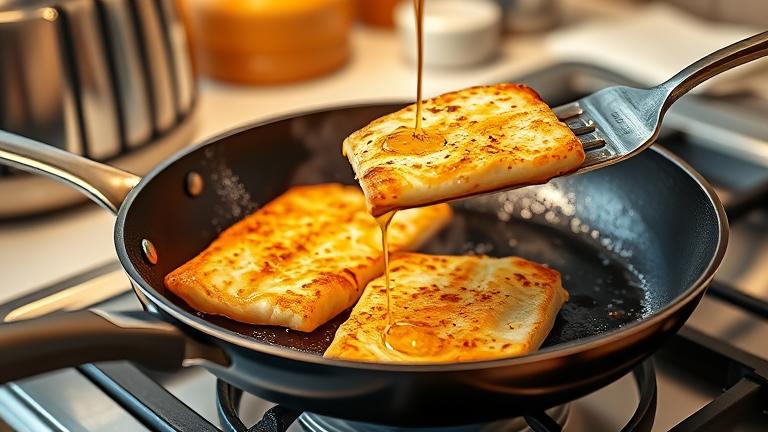
How to Prepare Fish for Frying
Frying fish can create a delicious, crispy meal when done right. The key to perfect fried fish lies in how you prepare it before cooking. Proper preparation helps the fish cook evenly and prevents it from sticking to the pan or fryer. Here are simple, practical steps to get your fish ready for frying.
Selecting the Fish
Start with fresh fish for the best flavor and texture. Popular choices for frying include cod, haddock, catfish, tilapia, and pollock. Fresh fish should have clear eyes, firm flesh, and a mild smell. If you’re using fillets, choose pieces that are uniform in size and thickness for even cooking.
Cleaning and Patting Dry
Wash the fish fillets under cold water to remove any surface residues. Pat them dry thoroughly with paper towels. Excess moisture can create splattering during frying and prevent the coating from sticking well. Make sure the fish is as dry as possible before proceeding to the next steps.
Removing Skin and Bones
If your fish isn’t already filleted, remove the skin with a sharp knife by running it between the flesh and skin. Check for small bones by gently feeling along the fillet with your fingers and remove any with tweezer-style tools. Removing skin and bones ensures a more enjoyable eating experience and helps the coating stick better.
Cutting the Fish
Cut the fish into uniform pieces, about 1 to 1.5 inches thick. This size cooks evenly and gives you nice, crispy bites. If you’re frying larger pieces, adjust cooking time accordingly. Uniformity in size helps prevent some pieces from over or undercooking.
Brining or Marinating (Optional)
For extra flavor and moisture, you can soak the fish in a simple brine of salt and water for 10-15 minutes. Alternatively, marinate briefly in lemon juice or spices. Just avoid soaking the fish in liquids for too long, as it can make the coating less effective.
Seasoning the Fish
Season the fish with salt, pepper, or your favorite spices before coating. Seasoning enhances flavor and helps create a tasty crust. You can also add herbs or a sprinkle of paprika for color and flavor.
Preparing the Coating
Set up your breading station with three shallow dishes. One with seasoned flour, the second with beaten eggs, and the third with breadcrumbs or cornmeal. Dip each piece of fish first in flour, then eggs, and finally coat with breadcrumbs. Make sure each piece is evenly coated to achieve a crispy, golden crust.
Tips to Prevent Sticking
- Ensure the fish is dry before coating.
- Use plenty of oil or fat in your frying pan or deep fryer. It should be hot enough before adding the fish, about 350°F, or 175°C.
- Don’t overcrowd the pan, as this drops the oil temperature and causes sticking or sogginess.
- Use a non-stick pan or a well-seasoned skillet for easier release.
Summary
Preparing fish properly before frying makes all the difference. From selecting fresh fish and removing skin and bones to seasoning and coating, each step helps ensure your fish turns out crispy on the outside and tender on the inside. Always handle the fish gently and maintain a hot, clean oil for the best results. Happy frying!
Choosing the Best Oil for Fried Fish
When it comes to frying fish, selecting the right oil can make all the difference in achieving a perfectly crispy, tasty result. The key factors to consider are the oil’s smoke point and its flavor. A good frying oil should be stable at high temperatures and have a flavor that complements the fish without overpowering it.
Different oils have different smoke points, which is the temperature at which the oil starts to burn and smoke. If you heat oil beyond its smoke point, it can create unwanted flavors and potentially harmful compounds. For fried fish, you’ll want an oil with a high smoke point so it can handle the hot oil needed for a crispy exterior without breaking down.
Top Oils for Fried Fish
- Canola Oil: This versatile oil has a high smoke point around 400°F, or 204°C. It has a neutral flavor, letting the fish shine. It is also affordable and widely available.
- Vegetable Oil: Usually a blend of oils, vegetable oil typically features a smoke point between 400 and 450°F, or 204 to 232°C. Its neutral taste makes it a popular choice for frying different foods.
- Peanut Oil: With a smoke point around 450°F, or 232°C, peanut oil is excellent for frying at high temperatures. It adds a slightly nutty flavor that can enhance the fish, especially if you enjoy bold tastes.
- Soybean Oil: This oil has a high smoke point around 450°F, or 232°C, and a mild flavor. It’s a good option for crispy fried fish with minimal taste interference.
- Extra Light Olive Oil: While extra virgin olive oil has a lower smoke point, the extra light variety can be heated up to 465°F, or 240°C. It imparts a subtle flavor and is more stable under high heat.
What to Avoid
Stay away from oils with low smoke points like extra virgin olive oil or sesame oil for deep frying, as they can burn easily. Using the wrong oil can lead to poor texture and flavor, and may produce harmful compounds.
Tips for Choosing and Using Oil
- Always check the smoke point before frying. When in doubt, pick an oil with a smoke point of at least 400°F, or 204°C.
- Use a deep, heavy-bottomed pan to keep the oil temperature steady, which helps achieve that crispy exterior.
- Don’t overcrowd the pan. Too many pieces of fish at once can lower the oil temperature and result in soggy fish.
- Ensure the oil is hot enough before adding the fish. The ideal temperature is about 350°F to 375°F, or 177°C to 191°C. Use a thermometer if possible.
By choosing the right oil based on smoke point and flavor, you’ll be well on your way to crispy, delicious fried fish every time. Experiment with different oils to find your favorite, and remember: the right oil makes all the difference in your frying success.
Tips for Perfectly Fried Fish
Frying fish is a popular way to enjoy this delicious seafood. When done right, fried fish can be crispy on the outside and tender on the inside. To get that perfect texture and flavor, a few simple tips can make all the difference.
First, pay attention to temperature control. Maintaining the right oil temperature is crucial for crispy results. Ideally, keep the oil between 350°F and 375°F, or 177°C and 191°C. If the oil is too hot, the outside might burn before the fish is cooked through. If it’s too cool, the fish can turn out greasy and soggy. Use a thermometer to monitor the oil temperature regularly.
Next, prepare your batter or coating carefully. A good batter helps create a crunchy crust and keeps the fish moist. Popular options include seasoned flour, cornmeal, or a simple mixture of flour and baking powder. For a lighter coating, some cooks prefer a batter made with cold beer or sparkling water. Whisk the ingredients just enough to combine—overmixing can lead to tough batter.
When you’re ready to fry, gently dredge the fish in the coating, shaking off any excess. Handle the fish carefully to avoid damaging the coating. Place the fish in the hot oil slowly so it doesn’t splatter. Fry in batches if needed, giving space for the fish to cook evenly. Crowding the pan can lower the oil temperature, resulting in soggy fish.
Cook the fish for about 3 to 5 minutes per side, depending on thickness. Use tongs or a slotted spatula to turn the fillets gently. Keep an eye on the color of the coating; it should turn a golden brown. Use a wire rack or paper towels to drain excess oil once cooked. This helps keep the crust crisp and prevents sogginess.
Safety tip: never leave hot oil unattended. Frying involves high temperatures that can cause burns or fires if not handled carefully. Use a splatter screen to minimize mess, and keep a fire extinguisher nearby just in case.
- Use fresh fish for the best flavor and texture.
- Allow the oil to heat fully before adding the fish.
- Avoid overcrowding the pan. Fry in small batches.
- Drain the fish on a wire rack rather than paper towels if possible. This keeps the crust crispy.
- Let the fried fish rest for a minute before serving. It helps settle the juices and finalizes the crispiness.
With some practice and attention to detail, you’ll be able to fry fish that’s perfectly crispy and full of flavor every time. Remember, the key is controlling the temperature, preparing a good batter, and handling the fish carefully during frying. Happy cooking!
Common Mistakes to Avoid
Frying fish can be tricky, especially for beginners. Many issues like sticking to the pan or uneven cooking happen when mistakes are made during the process. By knowing what to watch out for, you can fry fish that’s crispy on the outside and tender inside every time.
One of the most common problems is fish sticking to the pan. This usually happens if the pan isn’t hot enough or if the fish isn’t properly prepared before frying. If the oil isn’t hot enough, the fish will stick as it starts to release moisture and then cling to the surface. To avoid this, always heat the oil over medium-high heat until it’s shimmering before adding the fish.
Another mistake is overcrowding the pan. When too many pieces of fish are added at once, the temperature of the oil drops, which can cause the fish to stick and become soggy rather than crispy. Fry in small batches, giving each piece plenty of space. This ensures the oil stays hot enough and the fish cooks evenly.
Uneven frying can also be caused by improper preparation. For example, using fish that’s not patted dry can lead to excess moisture which causes splattering and prevents the fish from crisping up. Before frying, gently pat the fish dry with paper towels. Also, ensure the fish is at room temperature. Cold fish straight from the fridge can lower the oil temperature and result in uneven cooking.
Choosing the wrong kind of oil can affect your results too. Oils with a high smoke point like vegetable oil, peanut oil, or sunflower oil are best for frying fish. Using oils that smoke easily, like olive oil at high heat, can lead to burnt flavors and unhealthy fumes. Always check the oil’s smoke point and keep the heat steady.
Proper coating is essential to prevent sticking and to achieve that golden crust. A common mistake is using too little or uneven coating. Dredge the fish in seasoned flour, cornmeal, or batter, making sure it’s coated evenly. Shake off excess coating before frying to prevent clumping and sticking.
While frying, avoid moving the fish around too much. Let it fry undisturbed for a few minutes until it naturally releases from the pan when it’s ready to flip. Trying to flip too early can cause tearing and sticking. Use a spatula to gently lift and turn the fish once the edges are golden and it releases easily from the pan surface.
- Tip: Use a non-stick or well-seasoned cast iron pan for easier release and cleaning.
- Tip: Maintain a consistent oil temperature around 350-375°F, or 177-190°C, for best results.
- Tip: Always dry the fish well and soak up excess moisture to prevent splattering and sticking.
Seasoning and Fish Freshness Tips
Cooking perfect fried fish begins with choosing fresh fish and seasoning it just right. Freshness impacts not only the flavor but also the safety of your dish. Proper seasoning enhances the natural taste of the fish, making each bite delicious.
First, always start with fresh fish. Look for clear, bright eyes if it’s whole, and shiny, firm flesh. The fish should smell clean, not overly fishy or sour. If you buy fillets, check that they are moist but not slimy. Keeping fish fresh until cooking is vital. Store it in the coldest part of your refrigerator and try to cook it within one to two days of purchase. For longer storage, freeze it and use within three to six months for the best quality.
How to Keep Fish Fresh Before Cooking
- Keep fish cold—use crushed ice in a shallow pan or store in the coldest part of your fridge.
- Wrap it tightly in plastic wrap or foil, or store in an airtight container.
- If freezing, wrap the fish tightly in plastic wrap and then a layer of aluminum foil to prevent freezer burn.
Seasoning Tips for Fried Fish
Proper seasoning is key to flavorful fried fish. Start with simple ingredients like salt, pepper, and garlic powder. For more flavor, add paprika, cayenne pepper for a little heat, or lemon zest for brightness. Pat the fish dry with paper towels before seasoning to help the coating stick better and ensure a crispy crust.
For best results, season just before coating the fish. Excess moisture from wet seasoning can cause the batter or breading to slide off during frying. You can also marinate the fish briefly in a mixture of lemon juice, herbs, and spices—just 15-20 minutes is enough. Avoid over-marinating, which can alter the texture or make the fish soggy.
Balancing Seasoning and Freshness
- Use salt wisely; it enhances flavor but too much can overpower the fish. Salt the fish lightly before coating.
- Adjust seasoning based on your taste and the type of fish. Mild fish like cod or tilapia can handle bolder spices; delicate fish like sole prefer subtle flavors.
- For extra layers, sprinkle some fresh herbs or a squeeze of lemon after frying. This adds freshness and brightens the dish.
Common Mistakes to Avoid
- Over-seasoning, which can mask the fish’s natural flavor.
- Frying fish that is not fresh, resulting in poor texture and off-flavors.
- Using too much wet marinade without drying the fish properly, leading to soggy coating.
Quick Tips for Perfect Seasoning and Freshness
- Always check fish for freshness before buying.
- Pat fish dry before seasoning and coating.
- Season fish just before frying for maximum flavor.
- Store fish properly, ideally on ice or in the coldest fridge section.
- Use fresh herbs and citrus after frying for a vibrant touch.
Frying Techniques and Troubleshooting
Frying is a popular cooking method that gives food a crispy exterior and tender interior. Whether you’re frying chicken, vegetables, or snacks, understanding different frying techniques and how to troubleshoot common problems can make your experience easier and more successful. Let’s explore some practical tips to help you fry like a pro and deal with issues like sticking or oil splattering.
Different Frying Methods
There are several ways to fry food, each suited for different types of dishes. The most common are shallow frying, deep frying, and stir-frying. Knowing when and how to use each method can improve your results.
- Shallow Frying: Use a frying pan with about half an inch of oil. This method is great for foods like chicken cutlets, fish fillets, or fritters. Keep the heat medium to prevent burning and turn the food for even cooking.
- Deep Frying: Submerge food completely in hot oil, usually 350-375°F, or 177-191°C. Use a deep pot or a dedicated fryer. Ideal for items like French fries, doughnuts, or chicken wings. Keep an eye on the temperature to prevent greasy or undercooked results.
- Stir-Frying: Cook small, bite-sized ingredients quickly in a hot wok or skillet with minimal oil. This is more of a quick sauté but still involves frying at high heat, perfect for vegetables and thinly sliced meats.
Essential Tips for Frying
- Use the right oil: Choose oils with high smoke points like peanut, canola, or vegetable oil. Avoid butter or olive oil for high-temperature frying.
- Maintain proper oil temperature: Use a thermometer to keep the oil between 350-375°F. Too cold, and food will soak up excess oil; too hot, and it might burn quickly.
- Avoid crowding the pan: Fry in batches to prevent temperature drops and uneven cooking. Overcrowding also causes food to stick together.
Common Frying Problems and How to Fix Them
Food Sticking to the Pan or Basket
This often happens because the oil isn’t hot enough or the food isn’t dry enough. Always pat food dry with paper towels before frying to remove excess moisture. Preheat the oil properly before adding food. Using a non-stick or well-seasoned pan can also help prevent sticking.
Oil Splattering
Splattering can be messy and sometimes dangerous. To reduce splatter, fry in a deep, wide pan and don’t overfill with ingredients. Wearing an apron and using a splatter guard can protect your skin and surrounding surfaces. Make sure the food isn’t dripping wet when it hits the oil.
Uneven Cooking
Unevenly cooked food can result from inconsistent oil temperature or overcrowding. Use a thermometer to monitor heat and fry in small batches. Turn food midway through cooking for even browning.
Foods Not Crispy Enough
If your fried items are soggy, the oil might be too cold or the food might be overcrowded. Ensure your oil stays within the right temperature range and give enough space in the pan. Also, let fried foods drain on paper towels before serving to remove excess oil.
By practicing these techniques and troubleshooting common issues, you’ll find frying becomes easier and more fun. Remember, safety first: never leave hot oil unattended and keep a fire extinguisher nearby in case of emergencies. Happy frying!
Cleaning and Maintenance After Frying
Proper cleaning and maintenance after frying are essential to keep your equipment in good shape and ensure your food stays safe and delicious. Whether you’re using a deep fryer, stove top, or other tools, taking the right steps helps prevent buildup, odors, and rust. Plus, it extends the life of your kitchen appliances, saving you money in the long run.
When you’re done frying, don’t leave the greasy mess for later. A quick clean-up now makes the next batch much easier and keeps your kitchen hygienic.
Immediate Steps to Take
First, turn off the heat and unplug any electric equipment. If your deep fryer has a basket or removable parts, carefully take them out and let excess oil drip back into the container. Be sure to wait until everything cools down—hot oil can cause burns or damage your cleaning tools.
Next, strain the oil through a fine sieve or cheesecloth if you plan to reuse it. Store it in a sealed, airtight container away from light and heat. For disposal, never pour oil down the drain; instead, pour it into a container and dispose of it at a recycling center or designated disposal site.
Thorough Cleaning of Equipment
- Use warm, soapy water to clean the fryer, baskets, and utensils. A gentle scrub with a soft sponge works well to remove stubborn residues.
- If there are burnt or greasy spots, a mix of baking soda and water creates a natural scrub. Let it sit for a few minutes before scrubbing again.
- For electric fryers, check the manufacturer’s instructions. Many parts are dishwasher safe, but some may need hand washing.
- Don’t forget to clean the exterior too, especially the knobs and surfaces where grease might accumulate.
Dealing with Grease and Oil Buildup
Build-up can cause smoke, unpleasant smells, or even fires. To prevent this, wipe down the interior after each use and do a deep clean weekly if you fry often. Remember to remove and clean all removable parts regularly.
For stubborn grease stains, use a mix of vinegar and water, which helps cut through grime naturally. Avoid abrasive cleaners that can scratch surfaces. Regular cleaning keeps your equipment looking new and working efficiently.
Tips for Proper Maintenance
- Check pipes, vents, and filters regularly to prevent clogging and ensure good ventilation.
- Inspect cords, plugs, and other electrical parts for wear or damage, and replace if needed.
- Keep your fryer or pan dry before storing it to prevent rust or mold growth.
- Store cleaning supplies away from food prep areas for safety.
Common Mistakes to Avoid
- Leaving grease or food scraps in equipment overnight, as bacteria can develop quickly.
- Using harsh chemicals that can damage surfaces or leave residues in your equipment.
- Pouring used oil into the trash or down the drain—always dispose of it responsibly.
- Neglecting to dry parts thoroughly, leading to rust or mold over time.
By following these simple cleaning and maintenance steps, you’ll ensure your frying equipment stays in top shape. This not only improves safety and hygiene but also keeps your favorite fried foods tasting their best every time.