
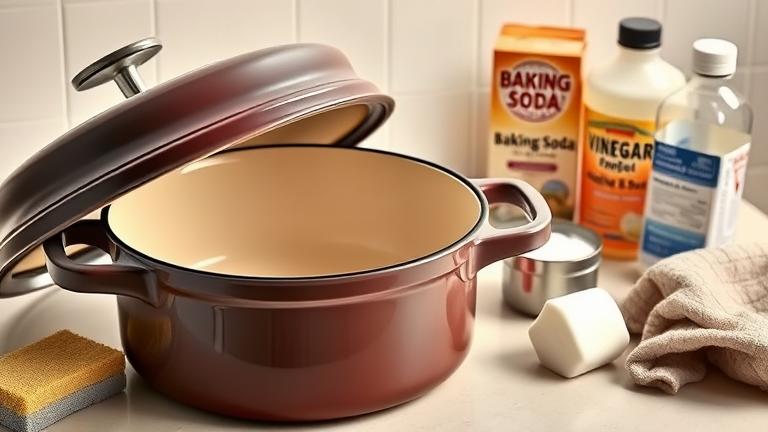
Easy Tips for Cleaning Baked-On Grease
Cleaning baked-on grease from Le Creuset cookware can seem like a tough task, but with a few simple and effective tips, you can get your pots and pans looking like new again. The key is to use everyday household items and methods that don’t require harsh chemicals or long hours of scrubbing.
Start by soaking your cookware. Fill it with warm water and add a small amount of dish soap. Let it sit for about 15 to 30 minutes. This will help loosen the baked-on grease, making it easier to remove. If the grease is especially stubborn, adding a tablespoon of baking soda to the water can boost the cleaning power.
Using Baking Soda and Vinegar
Baking soda is a natural abrasive that gently lifts grease without scratching your enamel surface. After soaking, sprinkle baking soda generously over the greasy spots. Then, pour some white vinegar into the pan. The vinegar will react with the baking soda, creating bubbles that help lift the grime. Use a soft scrub brush or sponge to gently scrub the area. Rinse well with warm water and dry thoroughly.
Boiling Water Method
For heavy build-up, boiling water can be surprisingly effective. Fill your Le Creuset with enough water to cover the greasy areas. Put the lid on and bring the water to a boil on the stove. Keep it boiling for about 10 minutes. The heat helps loosen the grease, making it easier to wipe away. After boiling, carefully pour out the hot water and scrub with a soft sponge. Be sure to use oven mitts to handle the hot cookware safely.
Gentle Scrubbing Techniques
- Use a non-abrasive sponge or soft cloth to avoid scratching the enamel surface.
- For stubborn spots, make a paste from baking soda and a small amount of water. Apply it to the area and let it sit for a few minutes before scrubbing gently.
- Never use steel wool or harsh metal brushes on enamel cookware, as these can cause scratches and damage.
Extra Tips for Maintaining Your Cookware
- Clean your Le Creuset promptly after use to prevent grease from setting.
- Avoid using dishwashers for heavily baked-on grease, as high heat can sometimes dull the finish over time.
- Regularly check for any signs of damage, especially around the edges, to keep your cookware in great shape.
By following these simple tips, you can keep your Le Creuset cookware clean and grease-free with minimal effort. Remember, patience and gentle methods are key to preserving the beauty and functionality of your beloved pots and pans.
Best Methods to Clean Stubborn Grease
Dealing with stubborn grease can be frustrating, especially when it’s baked-on or hard to remove. Fortunately, there are several effective methods to cut through tough grease stains and leave your surfaces shining. Whether it’s your stove, oven, or kitchen walls, these tips will help you tackle even the most persistent residues.
First, it’s important to start with the right cleaning supplies. Common household items like dish soap, baking soda, vinegar, and lemon are powerful allies. It’s also useful to have a scrub brush, microfiber cloths, and a spray bottle on hand. With these basics, you’re ready to attack stubborn grease safely and effectively.
Use Hot Water and Dish Soap
This simple method is often enough for light to moderate grease. Fill a sink or basin with hot water and add a few drops of dish soap. Dip a sponge or soft scrub brush into the soapy water and gently scrub the greasy surface. The hot water dissolves the grease, and dish soap breaks it down into smaller molecules, making it easier to wipe away.
For more stubborn spots, let the soapy water sit on the grease for a few minutes before scrubbing. Rinse with clean water and dry with a cloth. This method is gentle but effective for routine grease cleaning.
Apply Baking Soda Paste
Baking soda is a natural abrasive that helps lift off baked-on grease without scratching surfaces. Mix baking soda with a small amount of water to create a thick paste. Spread this paste over the greasy areas and let it sit for 15 to 20 minutes. The paste works by loosening the grease bonds.
After sitting, use a damp cloth or sponge to scrub away the paste and grease. You may need to apply a little more elbow grease for thick residues. Rinse the surface with water and buff dry. Baking soda is safe for most surfaces and great for heavy-duty grease buildup.
Vinegar and Lemon for a Natural Boost
Vinegar’s acidity helps break down grease and grime, making it a great natural cleaner. Fill a spray bottle with equal parts white vinegar and water. Spray generously on greasy surfaces and let it sit for 10 minutes. For extra cleaning power, add a few drops of lemon juice, which also acts as a natural freshener.
Use a scrub brush or sponge to wipe away the loosened grease. Wipe with a clean, damp cloth to remove any remaining residue. Vinegar and lemon are especially good for kitchen walls and cabinet surfaces.
Use Commercial Grease Cleaners with Caution
If household remedies aren’t enough, commercial degreasers are available. Choose one formulated specifically for kitchens and follow the instructions carefully. Always wear gloves and ensure good ventilation when using chemical cleaners.
Test the cleaner on a small, hidden area first to prevent damage. Use a brush or sponge to apply, wait as directed, then wipe away. Finish with a damp cloth to remove streaks and residues.
Tips to Keep in Mind
- Always wear gloves to protect your skin from harsh cleaners.
- Use gentle scrubbing motions to avoid damaging surfaces.
- Regular cleaning prevents grease buildup from turning into tough stains.
- Avoid mixing chemicals, which can produce harmful fumes.
Natural Cleaners for Greasy Cookware
Cleaning greasy cookware can sometimes feel like a chore, but using natural, eco-friendly cleaners makes the job safer for you and better for the environment. If you have enameled cookware, it’s especially important to choose gentle yet effective cleaning agents to avoid damage. Luckily, many common household items are perfect for tackling stubborn grease without harsh chemicals.
With a few simple ingredients, you can easily remove grease and keep your cookware looking shiny and new. Ready to learn how? Let’s dive into some practical tips and natural solutions that work beautifully for greasy pots and pans.
Vinegar and Baking Soda
One of the most popular natural cleaning combos is vinegar and baking soda. Vinegar, with its acidic properties, breaks down grease and grime. Baking soda helps to scrub and lift stubborn spots. Combining these two creates a fizzy reaction that loosens grease effectively.
To use, sprinkle baking soda over the greasy area. Then, spray or pour white vinegar on top. The mixture will bubble and fizz, which is a good sign that it’s working. After a few minutes, scrub gently with a soft sponge or brush. Rinse thoroughly with warm water.
Lemon Juice
Lemon juice is a natural degreaser and leaves a fresh smell. The acidity cuts through greasy residue while adding a clean, citrus scent. Cut a lemon in half and squeeze the juice onto greasy spots or mix lemon juice with a little baking soda for a more powerful scrub.
For extra cleaning power, you can also rub lemon halves directly onto cookware, especially if it has stubborn grease. Let it sit for a few minutes, then wash as usual. This method is safe for enameled surfaces and adds a bright, fresh scent to your kitchen.
Castile Soap or DIY Laundry Detergent
Using a gentle liquid soap like Castile soap is another eco-friendly option. Mix a few drops with warm water and use a soft sponge to clean greasy cookware. It’s safe for enameled surfaces and effective at breaking down oils.
If you prefer a DIY approach, dilute a natural laundry detergent in water. This solution can be used with a sponge or cloth to wipe away grease. Always test a small area first to ensure it won’t affect your cookware’s surface.
Tips for Effective Natural Cleaning
- Always soak greasy cookware in hot water with a splash of vinegar or a bit of baking soda before scrubbing. Soaking loosens the grease, making cleaning easier.
- Use non-abrasive sponges or soft cloths to prevent scratching enameled surfaces.
- Avoid harsh scrapers or steel wool, which can damage the coating.
- After cleaning, rinse thoroughly to remove any residue and dry with a soft towel to prevent water spots.
Common Mistakes to Avoid
- Using too much vinegar on delicate coated cookware, which may eventually cause discoloration.
- Applying heavy scrubbing force that could scratch or chip the enameled surface.
- Skipping thorough rinsing, leaving cleaning agents that might affect the finish over time.
By sticking to these natural cleaning methods, you can keep your greasy cookware clean and safe without relying on harsh chemicals. They are simple, effective, and gentle — perfect for maintaining the beauty of enameled pots and pans while protecting your health and the environment.
Step-by-Step Guide to Cleaning Le Creuset
Keeping your Le Creuset cookware clean is essential for maintaining its beautiful appearance and excellent cooking performance. Whether you use it daily or occasionally, proper cleaning helps prevent stains, keeps it hygienic, and extends its lifespan. Here’s a simple, friendly guide to help you clean and care for your Le Creuset pieces with confidence.
Preparation Before Cleaning
Start by allowing your cookware to cool slightly after cooking. Do not plunge a hot piece into cold water, as this can cause thermal shock and damage the enamel. If the cookware is still warm, handle it with oven mitts or a cloth to avoid burns.
For easier cleaning, remove any leftover food debris using a soft spatula or cloth. Avoid using metal utensils on the enamel, as they can scratch and damage the surface over time.
Cleaning Your Le Creuset
- Rinse with warm water: Fill your sink or basin with warm water and submerge the cookware. Rinsing helps loosen food particles and makes cleaning easier.
- Use mild dish soap: Add a small amount of gentle dish soap. We recommend avoiding harsh abrasives or bleach, as they can damage the enamel finish.
- Clean with a soft sponge or brush: Gently scrub the interior and exterior using a non-abrasive sponge or a soft-bristled brush. For stubborn stains or burnt food, soak the cookware for 15-20 minutes before scrubbing.
- Address stains or discoloration: For stubborn stains, create a paste of baking soda and water. Apply the paste to the stain, let it sit for a few minutes, then scrub gently. Alternatively, boiling a mixture of water and baking soda in the pot can help lift stains.
- Rinse thoroughly: Make sure all soap and residue are rinsed away with warm water. Any leftover soap can affect the taste of your food during future use.
- Dry completely: Use a soft towel to dry your cookware thoroughly. Moisture can cause spots or rust on exposed metal edges, so drying well is important.
Post-Cleaning Tips
- Inspect your cookware regularly for chips or cracks. If you notice any damage, contact Le Creuset customer service for guidance.
- Store your Le Creuset in a dry, clean place. Keep the lid slightly ajar if stacking with other cookware to allow air circulation and prevent moisture buildup.
- Occasionally, you can season the interior by rubbing a light layer of vegetable oil and baking it in a low oven for about 30 minutes. This enhances the non-stick surface and protects the enamel.
- Avoid using abrasive cleaners, steel wool, or metal brushes that might scratch the enamel. Stick with soft cloths and non-abrasive scrubbers for general cleaning.
With proper cleaning and maintenance, your Le Creuset cookware will continue to look gorgeous and perform beautifully for many years to come. Happy cooking and cleaning!
Common Mistakes When Cleaning Enameled Cookware
Cleaning enameled cookware, like your favorite Le Creuset, can be straightforward—if you know what to avoid. Many home cooks unintentionally damage their cookware by using the wrong tools or methods. Being aware of common mistakes can help you preserve the beautiful finish and extend the life of your enameled pots and pans.
One of the biggest errors is using harsh or abrasive cleaning tools. Scouring pads, steel wool, or metal brushes might seem effective for tough stains, but they can scratch and chip the enamel surface. Once the enamel gets scratched, it becomes more vulnerable to chipping and staining. Instead, opt for a soft sponge or a non-abrasive scrub brush. For stubborn spots, a plastic scraper or baking soda paste can do the trick without harming the surface.
Another mistake is using high heat to clean your cookware. While it might be tempting to turn up the heat to loosen grime, high temperatures can cause the enamel to crack or discolor. It’s best to wash enameled cookware in warm, soapy water and avoid extreme heat. If food is stuck on, fill the pan with warm water and let it soak before gently scrubbing.
Using the wrong cleaning agents is also a common pitfall. Acidic or alkaline cleaners, like bleach or oven cleaners, can damage the enamel finish or cause discoloration. Stick to mild dish soap and warm water for regular cleaning. For tough stains or baked-on grime, a paste made of baking soda and water can be an effective, gentle abrasive.
Be careful when cleaning the interior of the cookware. Using abrasive powders or too much force can scratch the enamel. Also, avoid scraping with metal utensils or utensils with sharp edges, which can leave marks or even chip the surface. Instead, use wooden, silicone, or plastic utensils during cooking and cleaning.
Another mistake is letting food residue sit for too long. Food that sticks and isn’t cleaned promptly can become baked-on and difficult to remove. Regular cleaning after each use helps prevent buildup. If you notice stubborn stains, soak the cookware in warm soapy water first before gentle scrubbing.
Lastly, some people forget to dry their enameled cookware thoroughly. Leaving water to sit can lead to spots or, in rare cases, affect the enamel’s finish over time. After washing, dry your cookware with a soft towel and store it in a dry place.
To sum up, avoid these common mistakes: using abrasive tools, high heat, harsh chemicals, metal utensils, letting food sit too long, and neglecting proper drying. With gentle cleaning and proper care, your enameled cookware will stay vibrant and durable for years to come.
Maintaining Le Creuset’s Shine and Durability
Taking good care of your Le Creuset cookware helps preserve its beautiful shine and ensures it lasts for years to come. With simple routine practices, you can keep your pieces looking like new and performing at their best.
Le Creuset cookware is known for its durable enamel coating. However, certain habits and maintenance steps can prevent scratches, stains, and dullness. Regular upkeep will not only keep your cookware looking great but also enhance its cooking performance and longevity.
Routine Cleaning Tips
- Let your cookware cool before washing. Rapid temperature changes can cause the enamel to crack or chip. Wait until the piece is cool to the touch before cleaning.
- Use warm water and a mild dish soap for daily cleaning. A soft sponge or cloth works best. Avoid abrasive scrubbers or steel wool, which can scratch the surface.
- If you notice stubborn stains or discoloration, soak the cookware in warm, soapy water for a few minutes. This helps loosen residue without damage.
- For baked-on food, fill the pot with water and a small amount of baking soda. Let it soak gently before scrubbing with a soft brush or sponge.
Removing Stubborn Stains and Discoloration
Sometimes, your Le Creuset might develop discoloration or stain spots from regular use. These don’t affect the performance but can affect the appearance.
- Make a paste of baking soda and water. Apply it to the stained area and let sit for 15 minutes. Then, gently scrub with a soft sponge and rinse.
- For more stubborn stains, sprinkle baking soda on the surface, add a few drops of water, and heat the cookware on low for a few minutes. Turn off the heat and scrub carefully once cooled.
- Always dry your cookware thoroughly after washing to prevent any water spots or mineral deposits from forming.
Maintaining the Shine
To keep your Le Creuset looking shiny and new, regular polishing helps. Use a non-abrasive cleaner designed for enamel cookware or a paste made of baking soda and water.
- Apply the cleaner or paste with a soft cloth and buff gently in circular motions.
- Rinse completely and dry thoroughly to avoid water spots.
- Avoid using metal scourers or harsh chemicals, as they can damage the enamel surface.
Additional Tips for Longevity
- Do not use metal utensils which can scratch the coating. Opt for wooden, silicone, or nylon tools instead.
- Always store your Le Creuset with the lid slightly ajar or in a dry, cool place to prevent moisture buildup inside.
- Follow the manufacturer’s instructions for oven and stove use to avoid thermal shock or accidental damage.
By following these simple routine care tips, your Le Creuset cookware will stay vibrant and durable over many years. Consistent maintenance not only preserves its beauty but also ensures you get the best cooking experiences every time.
Expert Tricks for a Spotless Finish
Keeping your Le Creuset looking brand new can seem challenging, but with a few expert tricks, you can achieve and maintain a perfectly clean and spotless surface. Whether you are a beginner or a seasoned cook, these tips will help enhance your cleaning routine and prolong the life of your cookware.
The first step to a spotless Le Creuset is understanding the right cleaning methods. Always allow your cookware to cool before cleaning. Sudden temperature changes can cause the enamel to crack or chip, which makes it harder to keep pristine. Once cooled, avoid using abrasive scrubbers or harsh chemicals that can scratch or damage the surface. Instead, opt for gentle cleaning tools and techniques.
Daily Cleaning Tips
- Use a soft sponge or cloth combined with warm water and a mild dish soap. This simple combination efficiently removes food residue without harming the enamel.
- For stubborn stains or burnt-on bits, soak the cookware in warm soapy water for 15–20 minutes before scrubbing. This softens the residue, making it easier to remove.
- Rinse thoroughly to remove all soap residues, which can cause streaks or buildup over time.
Specific Tricks for a Spotless Look
- Vinegar magic: For mineral deposits or dull spots, fill the pot with equal parts water and white vinegar. Bring it to a gentle simmer for 10 minutes. Let it cool, then rinse. Vinegar naturally breaks down mineral buildup and restores shine.
- Baking soda paste: For surface stains, make a paste of baking soda and water. Apply it to the stained areas with a soft cloth or sponge and gently scrub. Rinse well to reveal a sparkling surface.
- Cleaning the inside and outside: Don’t forget the exterior surface. Wipe it with a damp cloth and a mild cleaner to remove fingerprints, grease, and smudges. A clean exterior enhances overall appearance and keeps your cookware looking new.
Extra Tips for Long-term Shine
- Dry your Le Creuset thoroughly after washing to prevent water spots or rust spots on the hardware.
- Periodically, you can polish the exterior with a soft cloth and a tiny amount of mineral oil or a dedicated enamel polish. This adds shine and protects the surface.
- If you notice tiny chips or cracks, consult the manufacturer’s guidance on repairs before using or cleaning further. This helps prevent worsening damage.
Common Mistakes to Avoid
- Using metal utensils or abrasive scrubbers can scratch or chip the enamel surface. Stick to wooden, silicone, or plastic tools.
- Rinsing in very hot water immediately after cooking can cause thermal shock. Always allow the cookware to cool slightly first.
- Using harsh chemicals like bleach can degrade the enamel over time. Stick to mild, approved cleaning agents.
With these simple tips and tricks, your Le Creuset will stay bright, beautiful, and ready for your next delicious creation. Consistent gentle cleaning and smart maintenance go a long way in keeping your cookware spotless for years to come.