
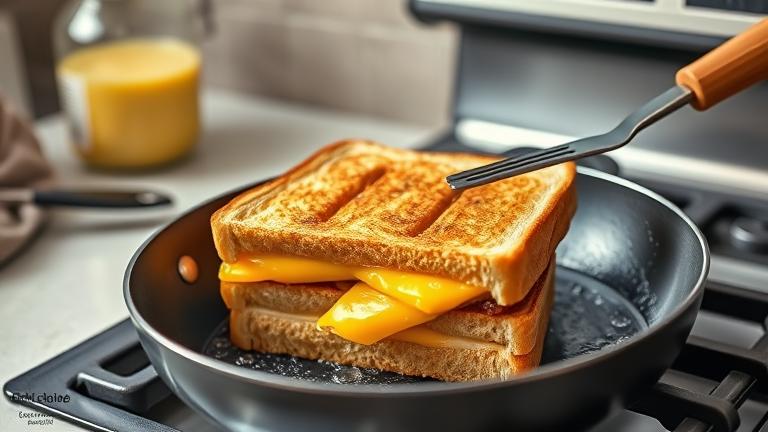
Best Tips to Prevent Grilled Cheese Sticking
Making a perfect grilled cheese sandwich means more than just melting cheese between bread. One common challenge is preventing the sandwich from sticking to the pan, which can ruin the crispy exterior and make cleanup a headache. Luckily, there are simple, effective tricks to keep your grilled cheese from sticking so you can enjoy a golden, crunchy treat every time.
The key to avoiding sticking is to use the right technique and tools. Start with the type of pan you choose. Non-stick pans are popular because they naturally minimize sticking. If you don’t have one, a well-seasoned cast iron skillet also works beautifully. Avoid cheap or scratched pans, as they are more likely to cause sticking issues.
Next, always add enough fat to your pan before cooking. Butter is the classic choice because it adds flavor and helps create a crispy crust. Use a generous amount, but not so much that your sandwich becomes greasy. Spreading softened butter on the outside of the bread ensures a nice golden color and prevents sticking. If you’re using oil, choose a high-smoke-point oil like vegetable or canola for best results.
Temperature is also crucial. The pan should be heated over medium to medium-low heat. Too hot, and the bread might burn before the cheese melts, increasing the risk of sticking. Too cool, and you won’t achieve that perfect crispy texture. Wait for the butter or oil to shimmer slightly before adding your sandwich. This indicates the pan is hot enough to cook evenly without sticking.
When placing your sandwich into the pan, do it gently. Drop it in smooth and flat to avoid tearing the bread or causing uneven sticking. Once in, avoid moving the sandwich around too much. Let it cook undisturbed for 3-4 minutes until the bottom is golden brown. Using a thin, flexible spatula helps lift it gently to check the crust without tearing.
Another tip is to avoid overcrowding the pan. Cooking more than one sandwich at once can create steam and make sticking more likely. Instead, give each sandwich enough space and cook in batches if needed.
If you find the cheese is prone to sticking, check your heat and butter levels. Sometimes, adding a tiny bit more butter during cooking helps form a barrier that prevents sticking. Just brush or spoon a little extra butter onto the edges as needed.
Finally, patience is key. Rushing the process by turning the sandwich too early or cooking on too high heat can cause sticking and burning. When properly monitored, your grilled cheese will turn out crispy outside, gooey inside, and completely unstuck from the pan.
Essential Tools and Ingredients for Perfect Grilled Cheese
Making a delicious grilled cheese sandwich is simple, but having the right tools and ingredients makes all the difference. Whether you’re a beginner or an experienced home cook, knowing what to use can help you achieve that golden, crispy crust and gooey center every time.
Let’s start with the tools. The most important item is a good pan. A non-stick skillet or griddle works best because it prevents sticking and makes flipping easier. Cast iron pans are also a great choice—they heat evenly and can give you a nice crispy crust. You’ll want a spatula, preferably a wide, flexible one, to easily flip and remove your sandwich without breaking it apart. Tongs can be handy for adjusting the position of the sandwich and avoiding burns.
Other Useful Tools
- Butter knife or brush: For spreading butter evenly on bread slices.
- Measuring spoons: To measure butter or oil accurately if you prefer precision.
- Sandwich press or panini maker: Optional but helpful for consistent results and faster cooking.
Now, let’s talk about ingredients. The foundation of a perfect grilled cheese is, of course, bread and cheese. Choose a sturdy bread like sourdough, whole wheat, or classic white bread. You want something that can hold up when grilled without falling apart. As for cheese, go for melty options like cheddar, American, Swiss, or a blend. Freshly shredded cheese melts better than pre-sliced because it heats evenly.
Essential Ingredients
- Butter or oil: Butter is traditional, providing rich flavor and a crispy crust. Use unsalted butter or a mild oil like vegetable or canola oil. For a healthier twist, you can use olive oil.
- Optional additions: For extra flavor, consider adding garlic powder, herbs, or a slice of tomato inside the sandwich.
Proper preparation of your ingredients helps ensure a perfect grilled cheese. Spread a generous layer of butter on each bread slice before grilling. This not only helps brown the bread evenly but also adds flavor and moisture. If you prefer less butter or oil, you can brush the pan lightly instead, but keep in mind that the butter in the bread helps create the signature crispy crust.
Having these tools and ingredients on hand means you’re ready to cook up a delicious grilled cheese that’s crispy on the outside and perfectly melted inside. Remember, using quality ingredients and the right tools makes the process easier and the results tastier. Happy grilling!
Choosing the Right Pan for Non-Stick Cooking
When you’re making a grilled cheese or any other dish that needs gentle, even heat, choosing the right non-stick pan is key. With so many options, it can be tricky to know which pan will give you the best results and last for a long time. Here, we’ll explore different types of pans suitable for non-stick cooking, their benefits, and helpful tips for selecting the best one for your kitchen.
First, let’s look at common types of non-stick pans. The most popular are made from materials like aluminum, stainless steel, and ceramic. Each has its strengths and considerations.
Aluminum non-stick pans are lightweight and excellent conductors of heat. This means they heat up quickly and cook your food evenly. They are usually less expensive and come in many shapes and sizes. However, aluminum can be prone to scratching, especially if you use metal utensils, so gentle handling is wise.
Stainless steel pans with non-stick coatings are durable and often resistant to scratches. They tend to last longer but might not conduct heat as evenly as aluminum. If you opt for a stainless steel pan, check that the non-stick coating is high quality and free from harmful chemicals like PFOA.
Ceramic non-stick pans are made with a coating derived from sand. They often feature a nice non-stick surface without synthetic chemicals. These pans heat evenly and are easy to clean. Keep in mind, ceramic coatings can wear out faster than traditional non-stick surfaces, so gentle tools and careful use will extend their life.
Now, how do you choose the best pan for making grilled cheese?
First, think about heat distribution. For grilled cheese, you want a pan that heats evenly to avoid burning one side while the other is undercooked. Aluminum or ceramic pans are good options here.
Second, consider pan size. A medium-sized pan (about 8-10 inches) works well for a classic grilled cheese, giving enough space while still being easy to handle.
Third, check the non-stick quality. A good non-stick surface will allow you to flip and serve the sandwich without sticking or tearing the bread.
Fourth, look for ease of cleaning. Non-stick pans should be easy to wash; many are dishwasher safe, but hand washing prolongs their life.
Finally, think about durability and safety. Avoid pans with cheap coatings that may peel or scratch easily. Choose products with safe, PFOA-free non-stick coatings.
Helpful tips for selecting your non-stick pan
- Avoid using metal utensils that can scratch the coating. Use silicone, wooden, or plastic tools instead.
- Do not overheat non-stick pans; high heat can damage the coating. Medium heat is usually enough for grilling cheese.
- Store your pans carefully. Avoid stacking them without protection to prevent scratches.
- Replace your non-stick pan if the coating starts to peel or becomes scratched, as this can affect safety and performance.
By understanding the types of non-stick pans and considering your specific needs, making a grilled cheese becomes easier and more fun. A good non-stick pan makes flipping, serving, and cleaning simple, helping you enjoy perfect sandwiches every time.
Preparing the Pan and Bread for Easy Release
When baking bread, one of the most common worries is that the loaf will stick to the pan and break apart when you try to remove it. Properly preparing your pan and bread before baking can save you time and frustration. With a few simple steps, you can ensure your bread comes out effortlessly and looks perfect every time.
First, choose the right pan for your bread. Popular options include loaf pans, muffin tins, and baking sheets, depending on the type of bread you’re making. Make sure the pan is clean and free of any residue that might cause sticking.
Greasing the Pan
The key to easy release is to grease the pan well. Use butter, margarine, or vegetable oil to coat all the surfaces that will touch the dough. You can do this quickly with a paper towel, a brush, or even your fingers. Be generous, especially on the corners and the sides, as these spots often cause sticking.
- If you prefer a lighter option, consider using a non-stick cooking spray. Just give the pan a light, even coating.
- For even easier removal, sprinkle a thin layer of flour or cornmeal over the greased surface. Shake out any excess to prevent clumping.
Using Parchment Paper
For extra assurance that your bread won’t stick, line the pan with parchment paper. Cut it to fit the bottom, and if possible, also line the sides. This is especially helpful for delicate bread or recipes that tend to stick more easily.
To make parchment placement easier, lightly grease the paper first. This prevents it from slipping when you add the dough. Once the bread is baked and cooled for a few minutes, the parchment paper usually helps you lift out the loaf without any damage.
Preparing the Bread Dough
Before placing the dough into the pan, lightly dust it with flour, especially if the dough is sticky. This creates a barrier between the dough and the pan’s surface, making it easier to remove later. Be careful not to add too much flour, as this can affect the bread’s texture.
If your recipe involves shaping the dough into a loaf, give it a brief bench rest after shaping to relax the gluten. This helps the dough hold its shape and makes removing it from the pan simpler.
Additional Tips for Easy Release
- Allow the bread to cool in the pan for about 10 minutes after baking. This helps the structure set and reduces sticking.
- Then, run a thin, flexible spatula around the edges to loosen the bread if needed.
- Always handle the pan gently to avoid tearing the bread, especially with delicate types like brioche or gluten-free loaves.
Following these simple steps when preparing your pan and bread will help you achieve a beautifully baked loaf that releases easily. Little prep work upfront can make a big difference in your baking success and confidence.
Cooking Techniques to Avoid Sticking
Cooking food without it sticking to the pan can be tricky, especially if you’re new to the kitchen. However, with a few simple techniques, you can make your cooking experience smoother and your dishes turn out perfectly. The key factors are controlling the temperature, using the right pans, and handling your food carefully. Let’s explore some practical ways to keep your food from sticking during cooking.
1. Use the Right Pan and Surface
The type of pan you choose plays a big role in preventing sticking. Non-stick pans are a popular choice for delicate foods like eggs, pancakes, and fish. They have a special coating that helps food slide off easily. Cast iron pans are also great if well seasoned, as they develop a natural non-stick layer over time.
Always ensure your pan is clean and dry before cooking. Excess water can cause food to stick, especially with non-stick surfaces. If you’re using stainless steel or other metals, it helps to add enough oil or fat to create a barrier between the food and the pan.
2. Control the Temperature
Temperature management is essential for avoiding sticking. Too high a heat can cause food to burn and stick to the surface, while too low can make food stick because it doesn’t brown properly. Medium heat is usually best when cooking most foods.
Preheat your pan before adding oil or food. To check if the pan is ready, sprinkle a few drops of water. If they dance and evaporate quickly, the pan is hot enough. Add oil once the pan heats up, and wait a moment for it to get shimmering. This helps create a non-stick barrier.
3. Use Enough Fat and Proper Spreading
Adding the right amount of oil, butter, or fat helps prevent sticking. Make sure to coat the entire surface evenly. For example, when frying eggs, use a thin layer of oil and tilt the pan to cover all parts. This helps the egg slide out easily when done.
Don’t skimp on the fat, especially with foods prone to sticking. For sticky foods like pancakes, use butter or oil generously to create a barrier. After adding the fat, let it heat up until just shimmering before adding your food.
4. Wait Before Flipping or Moving Food
One common mistake is trying to flip or move food too soon. If you attempt to turn something before it has properly set or browned, it can stick and tear. For example, when frying fish, wait until you see a golden crust forming on the edge before flipping.
Use a thin spatula or tongs to gently lift and turn food. If it resists, give it a little more time to release naturally. This patience ensures an easier flip and a better presentation.
5. Practice Gentle Handling and Proper Flipping
Frequent or rough turning can cause sticking and damage to the food. Use gentle motions and the right tools. For delicate items, a silicone spatula works well because it’s gentle yet sturdy.
For foods that tend to stick, try easing the spatula under from different angles. If you notice sticking, reduce the heat slightly and allow the food extra time to cook and loosen from the pan.
- Always preheat your pan properly before adding food or oil.
- Use enough fat to coat the pan evenly.
- Manage your heat wisely, avoiding high temperatures unless the recipe calls for it.
- Be patient and wait for foods to naturally release before moving or flipping.
- Choose the right pan for the job, especially non-stick or well-seasoned cast iron.
Troubleshooting Common Sticking Problems
Sticking can be a frustrating issue when cooking or baking, but many times it’s due to simple causes that are easy to fix. Whether you’re sautéing vegetables, frying eggs, or baking a cake, understanding why things stick can help you prevent it in the future and make your cooking smoother.
One common reason for sticking is not using enough fat or oil. When you cook foods like eggs, pancakes, or stir-fries, a coating of butter, oil, or non-stick spray creates a barrier between the food and the pan. If you don’t use enough, the food can stick easily.
Other times, sticking happens because the pan is not hot enough when you start. Cold or lukewarm pans cause food to stick rather than sear or cook evenly. Always preheat your pan over medium heat for a few minutes before adding ingredients. You should see a slight shimmer of oil when the pan is hot enough, indicating it’s ready.
Crowding the pan can also lead to sticking. When too much food is added at once, the temperature drops quickly, and foods begin to stick and steam instead of fry or brown properly. Use a larger pan if needed and cook in batches if necessary.
Additionally, using the wrong pan type can contribute to sticking. Non-stick pans are designed to prevent sticking, but if they’re old or scratched, they lose their coating. Cast iron pans, when properly seasoned, create a natural non-stick surface, but if unseasoned or dirty, foods will stick more.
Even the type of food matters. For moisture-rich foods like fish or freshly cut vegetables, sticking is more common. Pat dry these foods before cooking, which helps reduce moisture and sticking. Also, resist the temptation to move or flip food too early. For example, eggs and pancakes should be left undisturbed until the edges set—that’s when they are least likely to stick.
If you encounter sticking, here are quick troubleshooting tips:
- Lift food gently to see if it releases easily before trying to flip or move it.
- Add a splash of hot oil or water to loosen stuck bits.
- Clean your pan properly after each use to remove residue or baked-on bits.
- Consider replacing worn non-stick cookware if it’s heavily scratched or peeling.
Remember, patience is key. Proper preheating, adequate fat, and not overcrowding can significantly reduce sticking issues. By adjusting your methods and using the right tools, you’ll find cooking becomes more enjoyable and less sticky!
Additional Tips for Perfectly Crispy Grilled Cheese
Getting that golden, crispy crust on your grilled cheese can make all the difference. With a few simple tips, you can turn an ordinary sandwich into something extraordinary. Whether you’re a beginner or a seasoned home cook, these tricks will help you achieve that irresistible crunch every time.
First, choose the right bread. A sturdy bread like sourdough, Texas toast, or a thick-cut white bread works best because it holds up well during cooking. Avoid very thin or overly soft bread, which can become soggy or fall apart. Slice your bread with care, aiming for about 1/2 to 3/4 inch thickness for a good balance of crust and filling.
Next, focus on the cheese. While cheese doesn’t directly affect crispiness, it contributes to the overall flavor. Use a cheese that melts well, like cheddar, American, or Swiss. For the best crust, ensure your cheese is evenly spread to prevent uneven melting or burning during cooking.
Use the Right Fat
The type of fat you cook your sandwich in plays a major role in crispiness. Butter is the classic choice, offering flavor and a nice golden color. For extra crispiness, consider spreading a thin layer of mayonnaise on the outside of the bread. Mayonnaise contains eggs and oil, which can brown more evenly and add richness.
Cooking Technique
Preheat your skillet over medium-low heat before adding the sandwich. This helps cook the bread evenly without burning the outside. Once you place the sandwich in the pan, press it gently with a spatula to ensure good contact. This promotes even crisping and helps melt the cheese thoroughly.
Cook slowly and patiently—reserve a few extra minutes to develop that perfect crust. Flipping the sandwich too early can result in a soggy or underdone crust. Use a spatula to flip carefully, and press lightly again to keep the bread in contact with the pan.
Cover and Let It Rest
After flipping, you can cover the skillet with a lid for a minute or two. This traps heat and helps melt the cheese fully while maintaining crispiness on the outside. Once done, let the sandwich rest for a minute before cutting. Resting allows the cheese to settle, preventing ooey gooey messes and keeping the crust crispy.
Common Mistakes to Avoid
- Cooking at too high heat, which can burn the outside before the cheese melts.
- Using too much butter or oil, which can make the crust greasy rather than crispy.
- Using soft, flaky bread that doesn’t hold up well during cooking.
Extra Practical Tips
- Freeze your bread slices for a few minutes before cooking to help create a crispier crust.
- Experiment with different fats like ghee or coconut oil for varied flavor profiles.
- For an even crust, you can sprinkle a little grated parmesan or panko breadcrumbs on the outside before cooking.
With these tips in mind, you’ll be well on your way to mastering the art of perfectly crispy grilled cheese sandwiches. Remember, it’s all about patience, proper heat, and choosing the right ingredients. Enjoy your delicious, crunchy creation!