
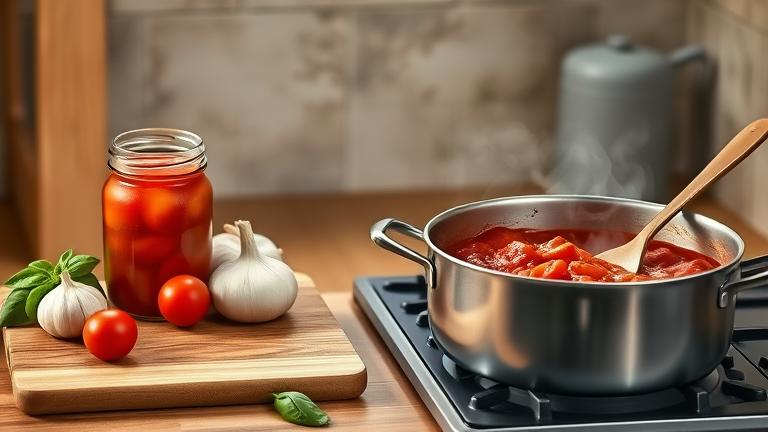
Introduction to Spaghetti Sauce: The Heart of Italian Cuisine
Spaghetti sauce, often called marinara or tomato sauce, serves as a fundamental element of Italian cuisine. It embodies Italy’s rich culinary history and regional flavors, competing with other iconic dishes for its cultural significance. Mastering the art of making a good spaghetti sauce can turn simple ingredients into a flavorful, memorable meal that captures the essence of Italy. This foundational skill enhances a cook’s ability to create authentic dishes and allows experimentation with various ingredients and techniques specific to Italian cooking. Exploring the world of spaghetti sauce broadens your culinary repertoire and brings a taste of Italy directly to your dining table.
Essential Ingredients for Homemade Spaghetti Sauce
Crafting a flavorful homemade spaghetti sauce requires fresh ingredients combined with pantry staples. The core of the sauce is ripe tomatoes, which can be fresh or canned, offering a rich and tangy base flavor. Garlic and onions are essential for adding depth, aroma, and enhancing the overall taste profile of the sauce. These aromatics can be sautéed in extra virgin olive oil, which is used not only for flavor but also for improving the sauce’s viscosity and richness.
Seasonings like basil, oregano, salt, and pepper are vital, allowing you to tailor the flavor according to personal preferences. For a touch of natural sweetness and to balance acidity, adding a small amount of sugar or grated carrots is common. Tomato paste or puree can be incorporated to thicken the sauce and deepen the tomato flavor. To add richness, ingredients such as high-quality parmesan or pecorino cheese can be stirred in at the end. Utilizing either dried or fresh herbs depends on availability and flavor preference. When combined, these ingredients create an authentic, hearty sauce that pairs perfectly with pasta.
Sources:
Tools and Equipment Needed
Preparing spaghetti sauce from scratch involves some basic kitchen tools for efficiency and quality results. A large heavy-bottomed pot or saucepan is key, as it allows the sauce to simmer evenly without scorching. Sharp chef’s knives are necessary for chopping garlic, onions, and herbs efficiently. A sturdy cutting board provides a stable surface for prep work.
To stir ingredients and prevent scratching your cookware, wooden or silicone spoons are recommended. If you are using canned tomatoes, a can opener is essential. Precision in seasoning is achieved with measuring spoons and cups, ensuring consistency in flavor. For blending or creating smooth sauces, an immersion blender or a regular blender is handy. Lastly, a ladle facilitates serving, minimizing spills and messes. Proper tools make the process more enjoyable and help you achieve a delicious, professional-quality sauce every time.
Sources:
Basic Spaghetti Sauce Recipe
Making a simple, delicious spaghetti sauce can be straightforward. Start by heating a tablespoon of olive oil in a saucepan over medium heat. Add minced garlic and sauté for about 30 seconds to one minute until fragrant. Next, stir in crushed canned tomatoes or fresh pureed tomatoes. Season the mixture with salt, freshly ground black pepper, and Italian herbs like basil and oregano.
Allow the sauce to simmer gently for at least 20 minutes, stirring occasionally to prevent sticking. Towards the end of simmering, taste and adjust the seasoning as needed. For extra richness, incorporate a pinch of sugar or a splash of red wine. This foundational method serves as a canvas that can be built upon with additional ingredients and flavors. More detailed tips and variations are available at TestFoodKitchen.
Creative Ideas for Modifying the Basic Sauce
Enhancing your basic spaghetti sauce with creative modifications can elevate its flavor and suit various tastes. Incorporate fresh herbs like basil, oregano, thyme, or rosemary for added aromatics and depth. Chopped vegetables such as bell peppers, mushrooms, spinach, or onions introduce color, texture, and nutritional value.
Adding proteins like cooked chicken, ground beef, shrimp, or tofu can transform the sauce into a more filling dish. For instance, shrimp adds a seafood twist, whereas ground beef offers a hearty, meaty flavor. Experimentation with spices or chili peppers introduces heat and complexity for those who enjoy a spicy kick.
Cheeses such as feta, mozzarella, or cheddar can also be stirred in for added richness and creaminess. These variations make the sauce versatile, suitable for everything from casual family dinners to elegant gourmet courses. Combining herbs, vegetables, and proteins creatively allows you to craft personalized sauces that delight every palate.
Read more about customizing sauces: TestFoodKitchen – Customizing Sauces.
Tips for Enhancing Flavor in Cooking
To truly elevate your dishes, incorporating fresh herbs and spices at strategic points during cooking is essential. Adding herbs like basil, cilantro, or parsley near the end of cooking preserves their bright flavors and aromas. Using high-quality ingredients such as fresh garlic or premium oils also makes a significant difference in taste.
Marinating ingredients beforehand allows flavors to deepen and penetrate into the food, resulting in more vibrant dishes. Supporting this, selecting quality ingredients is integral for achieving superior flavors, as explained at TestFoodKitchen.
Marinating can involve simple steps like soaking chicken in herbs and lemon or tossing vegetables with oil and spices before cooking.
Quick Shortcuts to Accelerate Cooking Processes
For busy weeknights, shortcuts can save a lot of time without sacrificing taste. Pre-soaking dried beans or grains overnight reduces cooking time significantly, as outlined at TestFoodKitchen. Utilizing a pressure cooker or an Instant Pot speeds up cooking vegetables, meats, and grains while maintaining flavor and texture.
Thinly slicing vegetables before cooking helps them cook faster and more evenly. Using pre-chopped vegetables from the store further minimizes prep time, especially when you’re pressed for time. These techniques ensure that you can prepare flavorful meals efficiently, even during the busiest days.
Best Methods for Storing Sauces to Maintain Freshness
Proper storage prolongs the freshness and flavor of your homemade sauces. Store sauces in airtight containers in the refrigerator, as advised at TestFoodKitchen. Label each container with the date of storage to keep track of freshness and prevent spoilage.
For long-term preservation, freezing in small portions allows you to enjoy fresh-tasting sauces at any time. Use freezer-safe containers or ice cube trays for easy portioning. Reheating frozen sauces preserves their taste and convenience, ensuring you can enjoy the flavors of homemade spaghetti sauce whenever desired.
Sources
- Cooks Illustrated – Essential Kitchen Tools
- Food Network – 50 Ways to Make Spaghetti Sauce
- Simply Recipes – Classic Spaghetti Sauce
- TestFoodKitchen – How Long Does Sauce Last in the Fridge
- TestFoodKitchen – Quick Cooking Tips
- TestFoodKitchen – What Can I Use If I Don’t Have Pizza Sauce
- TestFoodKitchen – How to Make Spaghetti with Tomato Sauce
- Serious Eats – Kitchen Tools Every Home Cook Should Own