
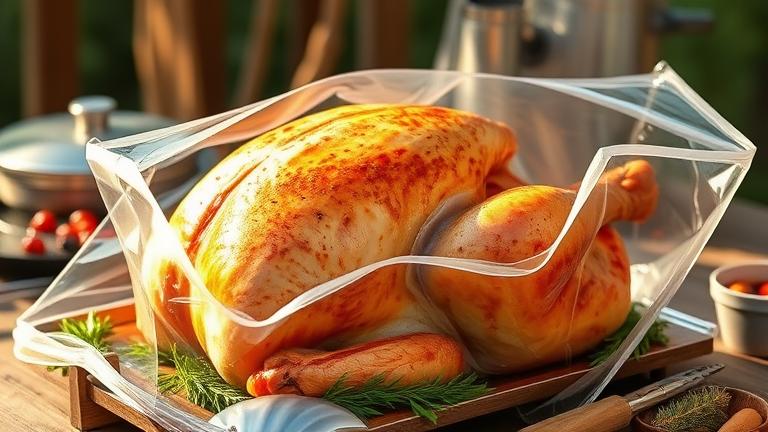
Choosing the Right Turkey for Crispy Skin
Picking the perfect turkey is the first step to achieving that irresistible crispy skin. When you select the right bird, it makes a significant difference in how your skin turns out—golden, crunchy, and delicious. There are a few key factors to consider: size, age, and the quality of the skin itself.
First, think about the size of the turkey. For most family gatherings, a turkey weighing between 12 to 16 pounds works well. Larger birds can be harder to cook evenly and may not get as crispy on the outside. Smaller turkeys, around 8 to 12 pounds, cook faster and tend to develop better skin texture because they retain more moisture and have less mass to heat through.
Next, consider the age of the turkey. Younger birds tend to have more tender meat and thinner skin, which is easier to crisp up. Older turkeys, often called “legacy” or “heritage” breeds, have thicker skin and denser meat. While they can still turn crispy, they may need extra preparation like air-drying or brining to help achieve the best results.
The quality of the turkey’s skin is also crucial. Look for birds with skin that appears smooth, firm, and evenly colored. Avoid turkeys with spots, excessive blemishes, or a dull appearance, as these can indicate lower freshness or poor quality. Some grocery stores offer pre-brined or pre-seasoned turkeys, which can add flavor but may also affect the crispiness. Many cooks prefer an unbrined bird so they can control the seasoning and drying process.
If possible, choose a fresh turkey over a frozen one. Fresh birds often have more vibrant skin and retain moisture better during cooking. However, if you opt for a frozen turkey, make sure to allow enough time for proper thawing in the fridge—at least 24 hours for every 4-5 pounds of weight. Proper thawing ensures even cooking and better skin texture.
Another tip is to consider the breed. Heritage breeds like Bourbon Red or Narragansett tend to have richer flavor and thicker skin, which can be crispy if prepared right. Standard commercial turkeys are more readily available and often have consistent skin quality, making them a popular choice for crispy success.
In summary, choose a turkey that fits your size needs, is fresh or properly thawed, and has good-quality skin. This careful selection sets the foundation for achieving that perfectly crispy skin you want to serve. When combined with proper drying and cooking techniques, your turkey will come out beautifully golden and crunchy on the outside every time.
Tips for Preparing the Perfect Skin
Getting the turkey skin just right is key to enjoying a crispy, flavorful bite. Before roasting, taking a few simple steps can make a big difference in achieving that golden, crunch-crisp skin. Preparing the skin properly helps it become deliciously crispy while keeping the meat juicy and tender underneath.
First, start with drying the skin thoroughly. Excess moisture is the enemy of crispiness. Pat the turkey dry with paper towels, making sure to get into all the nooks and crevices. If you have extra time, leave the turkey uncovered in the fridge for a few hours or overnight. This air-drying process helps remove more moisture and enhances crispness.
Once dry, consider applying a light coat of oil or melted butter to the skin. This fat helps the seasonings adhere better and promotes even browning. Use a brush or your hands to spread it evenly over the surface. For extra flavor, add a pinch of salt or spices directly onto the skin—this promotes seasoning penetration and drying while roasting.
Seasoning can greatly boost the flavor. Salt is your best friend here, as it draws out moisture and enhances crispiness. You can also add herbs or garlic powder for aromatic notes. Rub these evenly over the skin, making sure not to forget any sides.
Some cooks swear by using a baking rack during preparation. Elevating the bird on a rack allows hot air to circulate around the entire surface, helping the skin dry out and crisp up evenly. It also prevents the bottom from sitting in its own juices, which can cause sogginess.
If you’re aiming for an extra crispy skin, try sprinkling a little baking powder along with your salt and seasonings. Baking powder’s alkaline properties help break down proteins and improve browning, leading to a crunchier crust. Just a small amount is enough; too much can give an undesirable texture.
Lastly, pay attention to the oven temperature. Preheating to a high temperature, like 425°F (220°C), at the start helps the skin crackle and brown quickly. After the initial burst, reduce the heat to finish cooking the turkey evenly. Remember, a good skin foundation is all about preparation—dryness, seasoning, and airflow make all the difference.
- Dry the skin thoroughly for maximum crispiness.
- Air-dry in the fridge for several hours if possible.
- Apply oil or melted butter for even browning.
- Season well with salt, herbs, or spices.
- Use a rack to improve airflow and dryness.
- Add a touch of baking powder for extra crunch.
- Start roasting at a high temperature for a crispy finish.
Best Techniques for Cooking in a Bag
Cooking turkey in a bag is a simple and efficient way to keep the meat moist and flavorful. It also helps the turkey cook evenly and makes clean-up easier. To get crispy skin and perfectly cooked meat, it’s important to use the right methods for timing, temperature, and bag selection.
First, choose a high-quality oven bag designed for roasting. These bags are made from heat-safe materials that can withstand the oven’s heat without melting or breaking. Make sure the bag has enough space for the turkey and allows steam to circulate. Some bags have a vent or a tie to release excess moisture, which helps in achieving crispy skin.
Preparing the turkey properly is key. Pat the turkey dry with paper towels before placing it in the bag. Moisture on the skin can prevent it from crisping up nicely. For extra flavor, you can season the turkey with herbs, spices, or a marinade beforehand. Just avoid adding too much liquid to the bag, as excess moisture can make the skin soggy.
Cooking Temperature and Timing
The ideal oven temperature for cooking a turkey in a bag is around 350°F (175°C). This moderate heat allows the turkey to cook evenly without drying out. As a general rule, cook the turkey for about 13 to 15 minutes per pound. For example, a 12-pound turkey would need roughly 2.5 to 3 hours in the oven.
An important tip is to use a meat thermometer to check for doneness. The internal temperature should reach 165°F (74°C) in the thickest part of the breast. Insert the thermometer through the vent or tie area of the bag to avoid piercing the bag or the turkey skin. Starting to check temperature at the minimum cooking time helps prevent overcooking.
Achieving Crispy Skin
One common challenge when cooking in a bag is steam trapping, which can leave the skin soft or soggy. To help the skin crisp up, try removing the turkey from the bag during the last 20 to 30 minutes of cooking. Open the bag carefully, remove the turkey, and place it on a baking sheet. You can brush the skin with some melted butter or oil to enhance crispiness.
To ensure the skin dries out a bit before finishing, you could also increase the oven temperature to 425°F (220°C) for the last part of cooking. Keep a close eye to prevent burning. Rest the turkey for at least 15 minutes after cooking. This helps juices settle and makes carving easier.
- Always follow the bag manufacturer’s instructions for oven temperature and cooking time.
- Avoid overloading the bag with too many seasonings or liquids.
- Use a reliable meat thermometer to ensure your turkey is perfectly cooked.
With these techniques, cooking turkey in a bag becomes a straightforward process that yields juicy meat and crispy skin. Experiment with seasoning and timing to find what works best for your oven and taste preferences.
How to Achieve Crispy Skin Every Time
Getting crispy turkey skin can make a big difference in how your meal turns out. The goal is to achieve that golden, crunchy exterior while keeping the meat juicy and flavorful inside. With a few simple tips and tricks, you can make sure your turkey skin is perfectly crispy on every cook. Let’s explore common pitfalls and how to avoid them, so you always come out tasting like a pro.
Start with a Dry Surface
One of the most important steps is drying the turkey skin thoroughly. Excess moisture is the main enemy of crispiness. After you rinse or brine your turkey, pat it dry with paper towels. Pay special attention to the skin and the cavity. If there’s any water left, it will turn into steam during roasting, preventing the skin from crisping up properly.
If you have extra time, leave the turkey uncovered in the fridge for a few hours or overnight. This air-drying step helps the skin dry even more, resulting in a crunchier texture.
Use the Right Fat and Seasoning
Applying a light coat of oil or melted butter helps the skin brown and crisp. Choose a neutral oil like vegetable or olive oil, or use butter for extra flavor. Rub it evenly all over the skin, making sure no areas are skipped. This creates a barrier that encourages crispness.
Seasoning is also key. Salt not only enhances flavor but also draws out moisture. Sprinkle salt generously on the skin before roasting. For added flavor, include herbs or spices, but avoid heavy sugar coatings which can cause burning before the skin crisps.
Position and Temperature Matter
Position your turkey correctly in the oven. Place it on a rack inside a roasting pan so air can circulate around all sides. This promotes even cooking and crisping.
Start with a high oven temperature, about 425°F (220°C), for the first 20–30 minutes. This initial blast helps render fat and jump-start the browning process. Then, lower the temperature to around 350°F (175°C) to finish cooking without burning the skin. Use a meat thermometer to ensure the inside reaches 165°F (74°C).
Monitor and Adjust During Cooking
Keep an eye on the turkey as it roasts. If the skin is browning too quickly before the meat is cooked, tent it loosely with foil. This prevents burning while still allowing the skin to crisp.
For extra crispiness, some cooks finish the turkey under the broiler for a few minutes. Watch carefully during this step to avoid charring, and remove once the skin is perfectly golden and crispy.
Common Mistakes to Avoid
- Skipping the drying step, which leads to soggy skin.
- Overloading with oil or butter, making the skin greasy rather than crispy.
- Covering the turkey throughout cooking, trapping moisture and softening the skin.
- Cooking at too low a temperature from the start, resulting in pale, uncrisped skin.
- Forgetting to rest the turkey for at least 15 minutes after roasting. Resting helps juices redistribute and maintains crispiness.
By following these practical tips—drying thoroughly, applying the right fat, positioning properly, and controlling temperature—you can consistently achieve crispy turkey skin every time. Remember, a little attention to detail pays off with that perfect crunchy exterior and tender meat inside.
Troubleshooting Common Issues
Getting perfectly crispy turkey skin in a bag can sometimes be a bit tricky. If you find your skin isn’t as crisp as you’d like or face other problems, don’t worry. Here are some common issues and practical tips to help you achieve that ideally crispy, golden skin every time.
Problem 1: Skin Isn’t Crispy Enough
If your turkey skin remains soft or soggy after baking in the bag, it usually means moisture is trapped or the skin didn’t get enough direct heat to crisp up.
- Solution: Consider roasting the turkey uncovered for the last 20-30 minutes of cooking. This allows the skin to dry out a bit and become crispy.
- Tip: Pat the turkey skin dry with paper towels before seasoning and bagging. Moisture on the surface hampers crisping.
- Tip: Raise the temperature slightly during the final phase to promote browning.
Problem 2: Skin Is Overly Dark or Burnt
If the skin turns too dark or starts to burn, especially around the edges, it may be due to high heat or prolonged baking times.
- Solution: Lower the oven temperature slightly or tent the turkey with foil to protect the skin while still cooking thoroughly.
- Tip: Keep an eye on the cooking progress and check the skin’s color during the last stages.
- Tip: Use a thermometer to ensure the turkey is cooked to the right internal temperature without overdoing it.
Problem 3: Skin Is Not Uniformly Crisp
Sometimes, parts of the turkey skin might turn out crispy while others remain soft or soggy.
- Solution: Make sure the turkey is evenly coated with oil or butter, especially on the skin surface. This helps promote uniform crisping.
- Tip: Turn or reposition the turkey halfway through cooking if the oven heats unevenly.
- Tip: Avoid overcrowding the oven; good air circulation helps ensure even crisping.
Problem 4: Excess Fat or Greasiness
If the skin texture feels greasy or greasy spots appear, excess fat might be preventing crispiness.
- Solution: Before cooking, remove excess fat from the cavity and skin surface.
- Tip: Use a rack inside your roasting bag to elevate the turkey, allowing fat to drain away instead of pooling around the meat.
- Tip: Consider scoring the skin lightly in a few spots to let rendered fat escape.
Additional Tips for Crispy Skin in a Bag
- Always dry the skin thoroughly before seasoning and placing in the bag.
- Open the bag during the last portion of baking to allow escaping moisture and finish crisping the skin.
- Experiment with different oven temperatures and baking times to find what works best for your specific oven and turkey size.
With a little attention and some adjustments, you can troubleshoot common issues and enjoy beautifully crispy turkey skin, even when cooking in a bag. Happy roasting!