
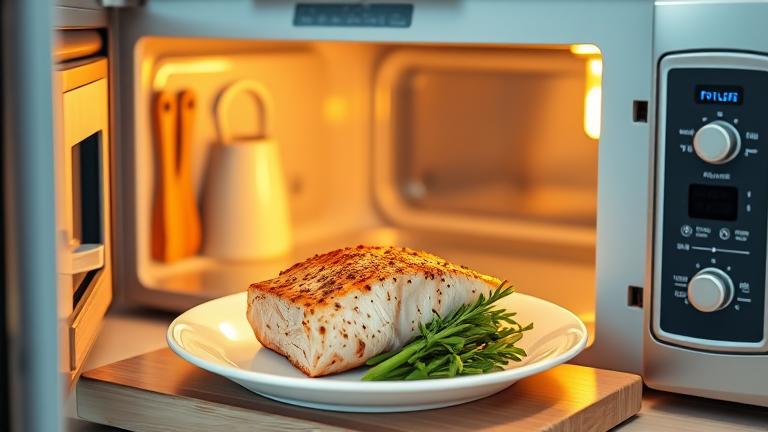
Best Ways to Reheat Cooked Fish
Reheating cooked fish can be tricky, but with the right methods, you can keep it flavorful and moist. Whether you’re dealing with baked salmon, grilled tilapia, or any leftover fish, the goal is to warm it thoroughly without drying it out or losing its texture.
Different types of fish and cooking methods may require slightly different reheating techniques. Here, you’ll find practical tips for the most common ways to reheat cooked fish safely and effectively using standard kitchen equipment.
Microwave Reheating
The microwave is the quickest way to reheat fish, making it perfect for busy mornings or last-minute snacks. However, it can sometimes make fish dry or rubbery if not used carefully. To prevent this, always use a microwave-safe dish and cover the fish with a microwave-safe lid or damp paper towel. This helps trap moisture and heat the fish evenly.
Reheat in short bursts, about 30 seconds at a time. After each burst, check the temperature and gently turn or flip the fish to ensure even heating. Be mindful not to overcook, as fish heats quickly in the microwave.
Tip: For best results, gradually reheat the fish at medium power and avoid reheating it multiple times. Leftovers should be consumed within 2-3 days for safety and freshness.
Oven Reheating
The oven is a great choice when you want to reheat larger portions of fish or preserve its texture. Preheat your oven to about 275°F (135°C). Place the fish in a baking dish and cover it with foil to keep it moist during reheating. You can also add a splash of broth or lemon juice to add flavor and moisture.
Reheat the fish for about 15-20 minutes, depending on thickness. Check the internal temperature; it should reach around 145°F (63°C). The foil barrier prevents the fish from drying out while warming through evenly.
Tip: Avoid reheating fish at high temperatures which can make it dry or overcooked. This method works well for baked or grilled fish leftovers.
Stovetop Reheating
This method gives you good control and can quickly warm your fish. Place a non-stick skillet over medium-low heat. Add a small amount of oil or butter to help keep the fish moist. Lay the fish in the pan and cover it with a lid or foil.
Heat gently for about 5-7 minutes, turning occasionally to ensure even warming. Use a fork or thermometer to check if it’s adequately warmed. Be careful not to overheat, as fish can quickly become dry and lose its tender texture.
Tip: Adding a bit of fresh lemon juice or herbs during reheating can refresh flavor and improve moisture.
Additional Tips for Reheating Fish
- Avoid reheating fish more than once, as repeated heating can increase bacteria risk and diminish quality.
- If you notice fish smelling funny or looking slimy, discard it for safety reasons.
- Use leftovers within 2 to 3 days for the best flavor and safety.
- For an extra touch of freshness, reheat fish with a squeeze of lemon or fresh herbs.
Reheating Fish in the Oven or Microwave
Reheating fish can be tricky because it tends to dry out or become overcooked if not done carefully. Whether you prefer the oven or microwave, it’s important to follow some simple steps to keep your fish moist, flavorful, and safe to eat. Here, we compare both methods and share practical tips so you can choose the best way depending on your available appliances and time.
Reheating Fish in the Oven
Reheating fish in the oven is a great choice if you want to preserve its texture and avoid microwave sogginess. It takes a bit longer but offers more control over the process.
- Preheat the oven to a low temperature, around 275°F (135°C). This gentle heat helps prevent drying out.
- Place the fish on a baking sheet or an oven-safe dish. For extra moisture, you can cover it with aluminum foil or place it in a covered dish.
- If the fish has dry edges or you want extra flavor, sprinkle a little bit of broth, water, or lemon juice over it.
- Heat for about 15–20 minutes. Thinner pieces may need less time, while thicker fillets might take longer. Check periodically to avoid overcooking.
- To test if it’s heated through, gently insert a fork or knife into the center. It should feel warm, and the fish should flake easily.
Tips for oven reheating:
- Don’t blast the heat; keep it low for even warming.
- Use a thermometer to ensure the fish reaches 145°F (63°C) for safety.
- Rest the fish for a minute after removing from the oven.
Reheating in the oven takes longer but results in a more evenly warm, tender fish with less risk of drying out.
Reheating Fish in the Microwave
The microwave is quick and convenient, perfect when you’re short on time. However, it’s easier to overcook or make the fish rubbery if you’re not careful.
- Place the fish on a microwave-safe plate. Remove any bones or skin if desired.
- Cover the fish loosely with microwave-safe plastic wrap or a microwave cover to trap steam and keep it moist.
- Set the microwave to medium or 50% power. This gentler heat helps prevent quick overcooking.
- Heat in short bursts — about 30 seconds at first. After each burst, check the fish’s temperature and texture.
- Gently stir or flip the fish if needed, and add a splash of broth, water, or lemon juice to keep it moist.
- In general, small pieces or flakes may only need 1–2 minutes. Thicker fillets could take 2–3 minutes, but always test to prevent drying out.
Tips for microwave reheating:
- Avoid overheating; it can make the fish tough and rubbery.
- Use a food thermometer to ensure it reaches 145°F (63°C).
- Let the fish sit covered for a minute after microwaving, giving the heat time to distribute evenly.
Choosing Between Oven and Microwave
- When to use the oven: If you have more time and want fish that stays tender and moist, the oven is your best option. It’s ideal for larger portions or leftovers you want to reheat gently.
- When to use the microwave: For quick snacks or small pieces, the microwave saves time but requires close attention. Always use short bursts and check frequently.
By following these tips, you’ll enjoy your reheated fish without losing flavor or texture. Remember, gentle heat and moisture are your friends for keeping fish tasting fresh.
Tips for Keeping Fish Moist When Reheating
Reheating fish can be tricky because the heat can easily dry it out and make it tough. But with a few simple tricks, you can keep your leftovers juicy and flavorful. The key is to reheat gently, use moisture to your advantage, and cover the fish properly. Let’s walk through some practical tips to help you enjoy your fish leftovers just as much as when they were fresh.
First, avoid using high heat. Reheat fish on low or medium-low heat to prevent it from drying out quickly. You can do this on the stovetop, in the oven, or even in the microwave, but always choose the gentlest option. For stovetop reheating, place the fish in a skillet with a little liquid, such as broth, water, or a splash of lemon juice. Cover the skillet with a lid or aluminum foil. This traps steam and helps keep the fish moist as it warms through.
Covering Techniques
- Use a tight-fitting lid or foil: Covering the fish creates a steamy environment, which keeps moisture inside. Make sure the cover is snug to trap as much steam as possible.
- Wrap your fish: If microwaving, wrap the fish in a damp paper towel or cover it with microwave-safe plastic wrap, leaving a small vent. This prevents drying and helps heat the fish evenly.
Adding Liquids
Liquids are your best friends when reheating fish. They add moisture and create steam, which keeps the fish tender. Here are some options:
- Broth or stock: Pour a little into the pan or dish before reheating. Chicken, fish, or vegetable broth works well.
- Water: Simple and effective, just add a splash around the fish in the pan.
- Lemon juice or white wine: Adds flavor as well as moisture. Use sparingly to avoid overpowering the fish.
Remember to add just enough to create steam without drowning the fish. Usually, a couple of tablespoons are enough.
Choosing the Right Temperature
Reheating fish at a lower temperature prevents overcooking. The ideal temperature is around 275°F (135°C) in the oven or about 50-60% power in a microwave. Heat slowly until the fish is warmed through. Avoid heating until boiling, as this can turn fish dry and rubbery.
Additional Tips for Success
- Take leftovers out of the fridge about 10-15 minutes before reheating to bring them to room temperature, which promotes even heating.
- Use a thermometer if needed. Fish should be heated to an internal temperature of 125°F (52°C) to ensure it’s hot yet tender.
- If the fish was originally cooked with oils or butter, consider adding a small dollop before reheating to further lock in moisture.
- Don’t over-reheat. Heating just until the fish is warm enough preserves its texture.
By taking a gentle approach, covering your fish properly, and adding moisture when reheating, you can enjoy tender, moist fish leftovers every time. Practice these tips and say goodbye to dry, tough leftovers!
Reheating Fish Safely and Properly
Reheating fish is a common step when you want to enjoy leftover seafood without sacrificing flavor or safety. However, fish can be tricky because it spoils quickly and needs careful handling to avoid foodborne illness. The key is to reheat it properly, ensuring it reaches the right temperature and stays safe to eat.
First, always store leftover fish in the refrigerator within two hours of cooking. Keep it in an airtight container or tightly wrapped to prevent contamination and maintain its freshness. When you’re ready to reheat, make sure to follow proper safety guidelines to keep your fish delicious and safe.
Temperature Guidelines
Reheating fish to a safe internal temperature is essential. The general recommendation is to heat it until it reaches at least 165°F (74°C). This temperature kills any bacteria that might have grown during storage. Use a food thermometer to check the temperature—don’t guess, as visual clues aren’t reliable.
For even heating, cover the fish with a lid or microwave-safe wrap. This traps steam and helps heat the fish evenly. If using the oven, place the fish in an oven-safe dish and cover it with foil. In the microwave, stir or rotate the fish halfway through to prevent cold spots. Cold spots can hide bacteria that haven’t been killed.
Reheating Methods
- Microwave: Quick and convenient. Place fish in a microwave-safe dish, cover loosely, and microwave on medium power in 30-second intervals. Check the temperature often, and stop once it hits 165°F.
- Oven: Set your oven to 275°F (135°C). Put the fish in an oven-safe dish and cover with foil. Heat for about 10-15 minutes, or until the internal temperature reaches 165°F. This method preserves moisture and texture.
- Stovetop: Gently reheat fish in a skillet over low heat. Add a splash of water or broth, cover, and heat for a few minutes. Stir occasionally, making sure the fish heats evenly.
Timing and Storage Tips
Don’t reheat fish more than once. Repeated heating increases the risk of bacteria growth and can ruin the texture. If you’re not going to eat all the leftovers in one sitting, portion out enough for a meal and leave the rest refrigerated immediately.
Leftover fish should be eaten within 1 to 2 days of refrigeration. If it’s been longer than that, it’s safer to discard it. Always check for signs of spoilage, such as a sour or fishy smell, slimy texture, or discoloration, before reheating and eating.
Common Mistakes to Avoid
- Reheating fish more than once. It increases the risk of foodborne illness and affects texture.
- Using too high heat, which can dry out or overcook the fish. Heat it slowly and evenly instead.
- Not checking the temperature. Relying only on appearance or smell isn’t enough to ensure safety.
By following these simple tips, you can enjoy your leftover fish safely while keeping it tasty. Remember, proper storage, thorough reheating, and attention to temperature are your best tools for safe and satisfying seafood leftovers.
Common Mistakes to Avoid When Reheating Fish
Reheating fish can be tricky if you’re not careful. Many home cooks make simple mistakes that can spoil the flavor and texture of their leftovers. To enjoy your fish again without disappointment, it helps to know what to watch out for. Let’s look at some common errors and how to avoid them for the best results.
Overheating the Fish
The most frequent mistake is overheating the fish, which can turn tender pieces into dry, rubbery messes. Fish is delicate and heats quickly. When reheated too long or at too high a temperature, it loses moisture and becomes tough.
- Tip: Use low heat and gentle methods like reheating in the oven or microwave on a medium or low setting.
- Tip: Check frequently during reheating. Fish only needs a few minutes to warm through.
To avoid overheating, always monitor the process closely. If using a microwave, cover the fish with a microwave-safe lid or damp paper towel to keep it moist. When reheating in the oven, set the temperature around 275°F (135°C) and check often.
Improper Storage Before Reheating
Storing fish improperly can lead to spoilage and food safety issues. If left out at room temperature too long or stored in the fridge incorrectly, reheated fish may be unsafe to eat or taste off.
- Tip: Always refrigerate cooked fish within two hours of cooking. Use airtight containers or wrap it tightly in foil or plastic wrap.
- Tip: Consume refrigerated leftovers within one to two days for best flavor and safety.
When reheating, check for any off smells, slimy texture, or discoloration. If it looks or smells strange, it’s safer to discard it. Proper storage preserves not only safety but also texture and flavor.
Using Incorrect Reheating Techniques
Not all reheating methods suit fish. For example, microwaving at high power can cook fish unevenly, leaving some parts overdone while others are still cold. Grilling or pan-frying reheats can also dry out fish if not done carefully.
- Tip: The best way to reheat fish is often in the oven, wrapped in foil, at a low temperature. This gently brings it back to life without losing moisture.
- Tip: If reheating in a microwave, use short intervals and turn the fish often for even heating.
Another idea is to add a splash of broth or lemon juice before reheating to help keep the fish moist. This extra moisture makes a big difference in maintaining fresh flavor and texture.
Reheating Fish Multiple Times
Each time you reheat fish, it risks losing quality and safety. Repeated reheating can cause the fish to become dry, and it also increases the chance of bacteria growth if not stored properly.
- Tip: Plan ahead and only reheat what you plan to eat. That’s the best way to keep leftovers safe and tasty.
- Tip: When in doubt, reheat fish just once and enjoy it immediately.
If you need to store leftovers again, make sure they cool quickly and are stored correctly. Always reheat thoroughly before eating.
Flavor Tips for Delicious Reheated Fish
Reheating fish can sometimes make it lose its fresh flavor and become a bit dull. But with a few simple seasoning tips and flavor enhancements, you can revive your leftover fish and make it taste just as delicious as when it was first cooked. Whether you’re working with salmon, cod, or tilapia, these ideas will help you boost flavor and keep that fish tasting fresh and appealing.
Start with Fresh Herbs and Spices
Adding herbs and spices is an easy way to brighten up reheated fish. Fresh herbs like dill, parsley, cilantro, and basil can add a burst of freshness. Consider chopping them finely and sprinkling over the fish just before serving. Dried herbs like thyme or oregano are also good options if fresh isn’t available, but use them sparingly since their flavor is more concentrated.
Spices such as paprika, cumin, or lemon pepper can add warmth and complexity. For a smoky flavor, a dash of smoked paprika works beautifully. Season lightly at first, then taste and adjust so the spices enhance without overpowering the delicate fish flavor.
Use Sauces and Condiments
Sauces are a quick and straightforward way to amp up flavor. Lemons and limes are classic choices—they add acidity that can brighten the fish and mask any dryness from reheating. A squeeze of fresh citrus on top just before serving makes a big difference.
For a richer flavor, consider creamy options like yogurt, sour cream, or a tahini sauce. Topping your reheated fish with a dollop of tartar sauce, aioli, or even a splash of soy sauce can also add depth and make the dish more exciting.
Try Marinades and Glazes
If you’re reheating a whole fillet or larger piece, a quick marinade or glaze can do wonders. A mixture of olive oil, lemon juice, garlic, and herbs can be brushed on the fish before reheating to help it stay moist and flavorful. For a sweet and savory touch, balsamic glaze or honey-mustard sauces work well too.
Just remember to apply these flavors lightly and reheat gently to prevent losing the delicate texture of the fish.
Enhance with Aromatics
Adding aromatic ingredients like garlic, ginger, or shallots can boost the flavor naturally. Sauté a little garlic or ginger in a pan first, then add the fish to warm through with their fragrant oils coating it. This method helps to refresh the flavor profile and adds a comforting aroma.
Freshly ground black pepper or a pinch of chili flakes can also add a subtle kick for those who like a little heat.
Additional Tips for Best Results
- Always reheat fish gently, either in the oven or on the stovetop, to preserve texture and prevent it from turning rubbery.
- Adding moisture during reheating, like a splash of broth or a pat of butter, keeps the fish moist and flavorful.
- Finish with a final sprinkle of fresh herbs or a squeeze of citrus just before serving for an extra fresh touch.
With these flavor-enhancing ideas, your reheated fish will taste just as delightful as the first time. Experiment with different herbs, sauces, and spices to find your perfect combination, and enjoy every bite!
Quick and Easy Reheating Hacks for Fish
Reheating fish can seem tricky because it tends to dry out or lose its flavor if not done carefully. But with a few simple hacks, you can enjoy your leftover fish as tasty as when it was first cooked. Whether you’re in a rush or just want a fast way to enjoy your meal again, these tips will help you reheat fish efficiently while keeping it moist and flavorful.
First, it’s best to reheat fish gently to prevent overcooking. The microwave is the quickest method, but it can sometimes make fish soggy or rubbery if not done right. To avoid this, place the fish on a microwave-safe plate and cover it with a damp paper towel. The moisture from the towel helps keep the fish moist while heating. Use a medium or low power setting and heat in short bursts of 20-30 seconds. Check the fish after each burst, and remove it when warmed through. This way, you’ll prevent drying out and ensure it stays tender.
For those who prefer using the stove, reheating fish in a skillet is a practical option. Add a small amount of oil or butter to the pan and heat it over medium-low. Place the fish in the pan, cover it with a lid, and warm for a few minutes on each side. Turning and covering helps the heat distribute evenly and keeps the fish moist. If the fish is already seasoned, this method helps retain those flavors, making it taste fresh again.
Another quick hack is reheating fish in the oven, especially if you have a larger piece or want to reheat multiple servings at once. Preheat your oven to about 275°F (135°C). Place the fish on a baking sheet lined with foil or parchment paper, and cover it loosely with foil to trap moisture. Heat for about 10-15 minutes, depending on the thickness of the fish. This low-and-slow approach prevents the fish from drying out, keeping it tender and flaky.
Adding a little moisture can make all the difference when reheating fish. For extra flavor and juiciness, consider splashing a tiny bit of water, broth, or lemon juice over the fish before reheating. This helps keep the fish moist and enhances the flavor.
Here are some quick tips to keep in mind:
- Reheat fish promptly after refrigerating to maintain freshness and safety.
- If your fish has a strong smell, consider reheating in a well-ventilated area or adding herbs like dill or parsley to freshen the aroma.
- Always check that the fish is heated evenly to avoid cold spots, especially when using a microwave.
- If reheating fish with a crispy crust (like fried fish), consider using a toaster oven or oven to revive the crunch without overcooking the inside.
By following these easy hacks, you can revive your leftover fish quickly without sacrificing taste or texture. With a little care and some smart methods, reheating fish becomes a simple part of your mealtime routine, even when you’re short on time.