
To stop getting boils between your legs, you need to keep the area clean, dry, and free from friction. Boils often show up when sweat, bacteria, or tight clothing irritate your skin. Start by washing the area daily with mild soap and warm water, then pat it dry completely. Moist skin makes it easier for bacteria to grow.
Wear loose, breathable clothes made from cotton instead of tight jeans or synthetic fabrics that trap sweat. If you sweat a lot, use an antibacterial body wash or gentle powder to reduce moisture. Avoid sharing razors or towels since they can spread bacteria that cause boils.
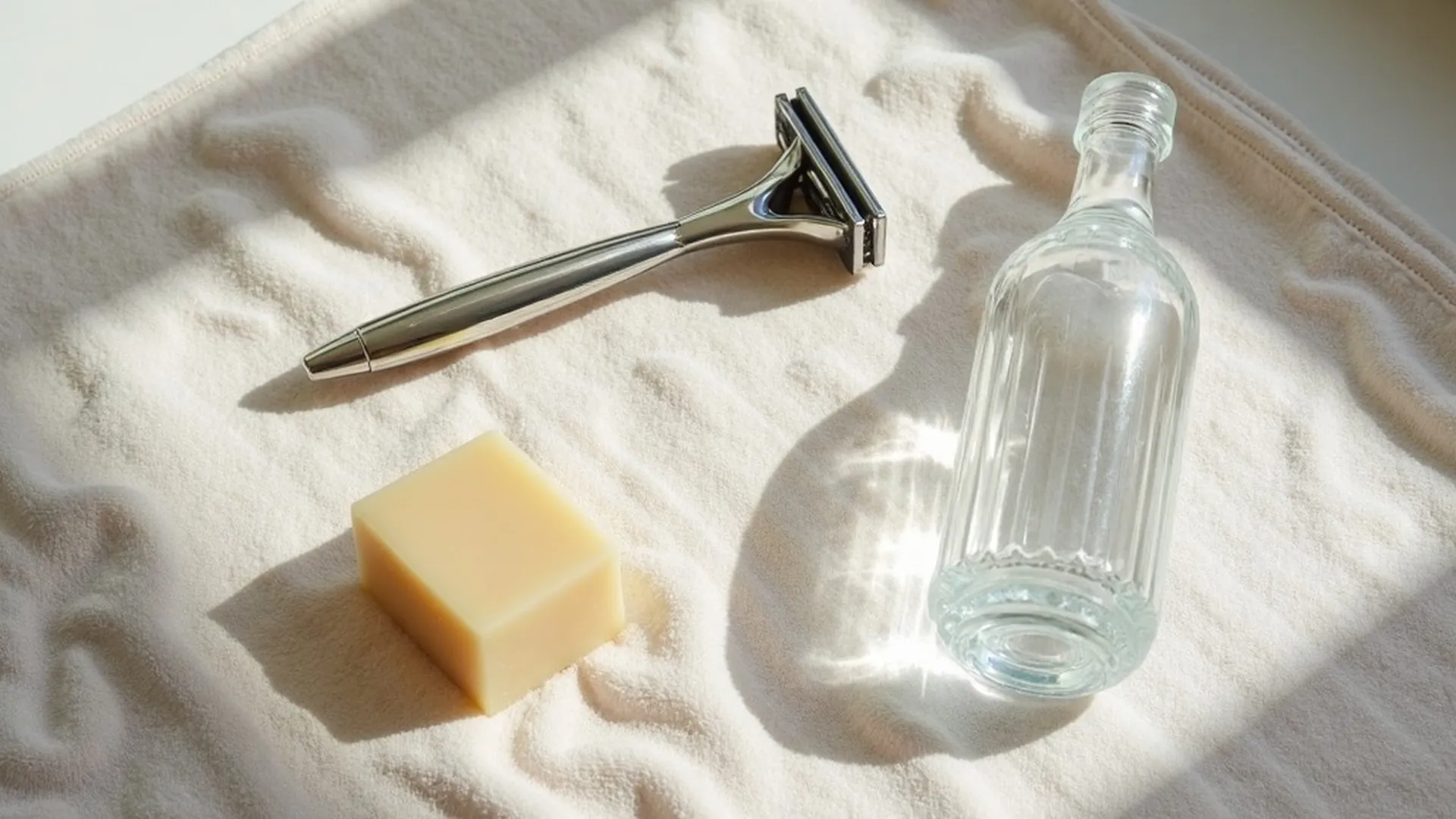
If you shave that area, use a clean razor each time and go in the direction of hair growth to prevent irritation. Also, try keeping your immune system strong by drinking enough water, eating healthy foods, and getting enough rest.
If boils keep coming back, it’s smart to see a doctor. You might have a skin infection like staph that needs special treatment. Staying clean, dry, and gentle with your skin is the best way to stop those painful bumps from returning.
What Causes Boils Between the Legs
Boils between your legs usually start with something small, like a little irritation or redness that doesn’t seem like a big deal. But within a day or two, it turns into a sore, swollen bump that hurts every time you move. Most of the time, boils happen because bacteria called Staphylococcus aureus get under your skin through a small cut, scratch, or even an open hair follicle. Once that bacteria is in there, your body tries to fight it off, which creates that painful lump filled with pus.
One of the biggest reasons people get boils between their legs is friction. When your thighs rub together, especially during exercise or on hot days, it creates heat and sweat. That warm, moist area is the perfect place for bacteria to grow. Add tight clothing or synthetic fabrics that don’t let your skin breathe, and it just makes things worse. I used to wear leggings all the time when I ran, and I didn’t realize how much they were trapping sweat. After a few bad boils, I learned to switch to loose, breathable shorts. It made a huge difference.
Poor hygiene can also make boils more likely. If you skip showers after sweating or wear the same clothes for too long, bacteria and oil build up on your skin. It’s not about being “dirty,” but about giving germs the chance to hang around and find a way in. Keeping your skin clean and dry helps stop that. Even something as simple as patting your thighs dry with a towel after a workout can lower your chances of getting boils.
Shaving is another common cause. When you shave your inner thighs, tiny nicks can let bacteria in. Plus, the friction from the razor can irritate your skin. I used to get small bumps after shaving and didn’t think much of it until one turned into a painful boil. Now I always use a clean razor and shave in the direction the hair grows. It’s slower, but it saves me from a lot of trouble.
Sometimes boils show up because of underlying health issues. People with diabetes, for example, often get boils more easily because their bodies have a harder time fighting off infections. Hormonal changes can also play a role. Some women notice more boils around their period, when their skin tends to be more sensitive and oily. And there’s a condition called hidradenitis suppurativa, which causes painful lumps in areas like the inner thighs or underarms. It’s not just about hygiene. It’s a skin disorder that needs medical care.
Weight and body shape can also make a difference. When your thighs rub together more often, it creates constant friction that irritates the skin. That’s why people who are overweight sometimes get boils in that area. It’s not about shame, it’s just a mechanical thing. More friction means more chance for irritation, sweat, and bacteria to mix together. Wearing moisture-wicking clothes can help a lot here.
Even diet and stress can make things worse. When your body’s under pressure or you’re not eating well, your immune system weakens. That gives bacteria more chances to take over. I once noticed that when I was stressed at work and eating junk food all week, my skin would flare up. Drinking water, sleeping well, and eating balanced meals really do help keep your skin healthy.
At the end of the day, boils between your legs are your skin’s way of saying something’s off. It might be friction, sweat, poor hygiene, or even something deeper going on in your body. Once you figure out what triggers them for you, you can make small changes like choosing better clothes, staying clean, or keeping the area dry, and stop them from showing up again.
How to Prevent Boils in Between the Legs
The best way to stop boils between your legs is to focus on small, daily habits that keep your skin clean, dry, and free from friction. It’s not about fancy products or harsh treatments. It’s about consistency. I learned this the hard way after dealing with a painful boil that made even walking uncomfortable. Once I changed a few simple things in my routine, they stopped showing up as often.
The first step is keeping the area clean. Wash your inner thighs every day with mild soap and warm water, especially after sweating or working out. Sweat mixes with bacteria and dead skin, and if you don’t clean it off, it builds up fast. I used to think a quick rinse was enough, but it wasn’t. Now I take the time to gently clean, rinse, and pat dry instead of rubbing. That tiny change makes a big difference.
Next, make sure the area stays dry. Moisture is a breeding ground for bacteria. After showering, use a clean towel and gently dry between your legs. If you tend to sweat a lot during the day, carry a small towel or some body wipes. Some people even use a bit of baby powder or cornstarch to keep the area dry, but make sure it’s unscented so it doesn’t irritate your skin.
Clothing plays a huge role too. Tight jeans, leggings, or synthetic fabrics trap heat and sweat. Switch to loose-fitting cotton underwear and breathable pants. I used to love wearing gym leggings all day, but that’s a big mistake. Once I started wearing cotton shorts or looser gym gear, the boils became less frequent. Breathable fabric lets air circulate, which keeps the area cooler and less damp.
Another big thing is changing out of sweaty clothes quickly. After exercise, don’t stay in those damp clothes for too long. The longer you sit in sweat, the more likely bacteria are to grow. I keep a spare pair of shorts in my gym bag now, and it’s become a habit to change right after working out.
Shaving can also trigger boils if you’re not careful. Always use a clean razor and shave in the direction your hair grows. Never share razors with anyone. I also like to use a bit of aloe vera gel afterward, it cools the skin and reduces irritation. If you notice that shaving often causes bumps or redness, you might want to trim instead or use an electric shaver.
If you’ve had boils before, you can also use antibacterial soap or wipes on that area once a day. Just don’t overdo it, or your skin might get too dry. I like using gentle cleansers that have tea tree oil or chlorhexidine, but always patch test first.
Good hygiene isn’t the only thing that matters though. Your overall health plays a part too. Eat well, drink plenty of water, and get enough sleep. These might sound like basic tips, but your immune system needs fuel to fight bacteria. When you’re run-down or dehydrated, it’s easier for infections to form.
Avoid picking or squeezing any small bumps that appear. It’s tempting, I know. But doing that spreads bacteria and can lead to bigger boils or even scars. If you see redness or feel tenderness starting, apply a warm compress instead. It helps reduce swelling and encourages healing without making things worse.
Lastly, pay attention to patterns. If you notice boils showing up after certain activities, clothes, or foods, make a mental note. For me, they’d appear after long runs in tight leggings or during times I was under stress. Once I recognized those patterns, I knew what to avoid.
In short, stopping boils before they start isn’t about one big fix, it’s about small habits that protect your skin every day. Keep it clean, dry, and friction-free. Change clothes often, and take care of your body from the inside out. When you do these things consistently, you’ll start to notice fewer boils and healthier, happier skin overall.
Home Remedies That Help Prevent Boils
When I first started getting boils between my legs, I didn’t know what to do. I tried popping them (big mistake), covering them with bandages, and even using random creams I had lying around. None of that helped. What did help were a few simple home remedies that focused on keeping the area clean, calming down the irritation, and boosting my skin’s natural healing process.
The easiest and most effective thing you can do is use a warm compress. Just soak a clean cloth in warm (not hot) water, wring it out, and press it gently against the area for about 10 to 15 minutes. Do this two or three times a day. It helps increase blood flow and lets the boil drain naturally if it’s forming. I remember being surprised the first time it actually worked, it took away some of the pain and made the swelling go down faster.
Tea tree oil is another great natural option. It has antibacterial and anti-inflammatory properties that can help stop bacteria from spreading. Mix a few drops with a carrier oil like coconut or olive oil before applying it to your skin. Never use it straight, it’s too strong. I used to dab a little mixture on with a cotton ball after a shower, and over time, it kept new boils from forming.
Turmeric is also a lifesaver. You can use it inside and out. Drinking turmeric tea or adding it to your food helps your body fight inflammation, while making a paste with turmeric powder and water can help calm the skin. The only downside? It stains everything yellow, so use an old towel. Still, it’s worth it. My grandma used to swear by this, and honestly, she was right.
Apple cider vinegar can also help balance your skin’s pH and fight bacteria. Mix it with a bit of water and apply it gently with a cotton pad. Don’t use it on open skin, it’ll sting. But if you use it on clean, healed areas, it can help prevent bacteria from building up again.
Aloe vera gel is perfect for soothing irritation, especially if your skin feels sore from friction or shaving. I keep a small plant at home and break off a leaf whenever I need it. Fresh aloe cools the skin instantly and keeps it moisturized without feeling greasy.
Your diet matters too. Eating foods rich in vitamins A, C, and E helps your skin heal faster and fight off infection. Garlic, ginger, and leafy greens can also boost your immune system naturally. When I started eating more fruits and vegetables and cutting back on processed foods, I noticed my skin looked healthier overall, and the boils appeared less often.
Hydration is another underrated part of healing. When you drink enough water, your body can flush out toxins and keep your skin clear. I didn’t realize how much this mattered until I started drinking more water and noticed fewer breakouts and skin issues in general.
Also, don’t forget hygiene even when using home remedies. Always wash your hands before touching the area. Use clean towels and washcloths every time. I used to reuse towels without thinking, but that can spread bacteria. Now I keep a few extra clean ones just for this.
And whatever you do, don’t squeeze a boil. I can’t stress that enough. It might feel like you’re helping it “drain,” but what you’re really doing is pushing bacteria deeper into your skin. That can lead to more boils or even a bigger infection. Patience and warm compresses are your best friends here.
Lastly, keep your immune system strong. Boils are your body’s way of saying something’s off. Get enough rest, eat balanced meals, and manage your stress. The healthier you are inside, the better your skin can protect itself outside.
These home remedies may sound simple, but when you stick with them, they work. Warm compresses, tea tree oil, turmeric, aloe, and a clean routine can make a world of difference. Over time, you’ll notice fewer flare-ups and healthier skin. It’s not about finding a miracle cure, it’s about taking small, consistent steps that keep your skin happy and boil-free.
When to See a Doctor
Most of the time, boils between your legs go away on their own with good hygiene and home care. But sometimes, they don’t. Sometimes they get bigger, redder, and way more painful, and no matter what you try, they just don’t seem to heal. That’s when it’s time to call a doctor.
You should see a doctor if your boil is larger than a marble, keeps coming back, or makes it hard to walk or sit. I ignored a boil once that got so bad I couldn’t even cross my legs without wincing. When I finally went to the clinic, the doctor had to drain it. It wasn’t fun, but the relief afterward was incredible. The doctor also gave me an antibiotic to stop the infection from spreading, and it healed much faster than I expected.
If you notice a fever or feel tired or weak, that’s a clear sign the infection might be spreading. Sometimes bacteria from a boil can enter your bloodstream, which can lead to serious complications. Don’t try to wait that out. Even if it feels embarrassing, doctors see these things all the time. You’re not the first person to deal with boils in awkward spots, and you definitely won’t be the last.
Recurring boils are another red flag. If you keep getting them in the same area or in multiple spots, it might mean something deeper is going on. Conditions like diabetes, weak immunity, or hidradenitis suppurativa can make your skin more prone to boils. In those cases, you’ll need a doctor’s help to find the real cause and treat it properly. I had a friend who kept getting painful lumps every month, and it turned out to be hidradenitis. Once she got on a proper treatment plan, the flare-ups became less frequent.
Sometimes, a doctor might prescribe antibiotics or recommend a minor procedure to drain the boil safely. They use sterile tools and make sure the infection doesn’t spread. Don’t try to drain it yourself at home. It’s painful, messy, and can make things worse. I tried that once (before I knew better), and it turned into a bigger sore that took weeks to heal. Now, if a boil doesn’t start to shrink after a few days, I get it checked right away.
If your boil keeps returning even after antibiotics, a dermatologist might do a skin culture to see which bacteria are causing it. This helps them pick the right medicine to stop it for good. Some people even get laser treatments to reduce the sweat glands and hair follicles in that area so the boils stop forming. It sounds intense, but for chronic cases, it can really help.
Another reason to see a doctor is if you notice spreading redness or streaks around the boil. That could mean cellulitis, a deeper skin infection that needs immediate care. The skin might feel hot or firm to the touch. It’s not something to treat at home.
Even though boils can seem small, ignoring them can lead to long-term scarring or more painful abscesses. A doctor can help prevent that and make sure your skin heals properly. Think of it like this, you wouldn’t ignore a toothache or a deep cut, right? Boils deserve that same care.
So, if your boils keep coming back, grow too big, or come with fever or swelling, don’t tough it out. Book a visit with your doctor or dermatologist. It’s the best way to make sure your skin heals safely and that there’s not a bigger issue behind the scenes. Getting medical help early can save you a lot of pain later and get you back to moving freely without that awful, burning discomfort between your legs.
Lifestyle Changes to Stop Boils from Coming Back
Once you’ve dealt with boils between your legs, you’ll do almost anything to keep them from coming back. I’ve been there, feeling that painful swelling start again after thinking I’d beaten it for good. That’s when I realized preventing boils isn’t just about quick fixes or creams. It’s about changing a few daily habits that make your skin healthier in the long run.
The first big change I made was my diet. I started eating cleaner, cutting down on processed foods, and adding more fruits, vegetables, and lean proteins. Foods rich in vitamins A, C, and E help your skin repair itself faster and stay strong against infections. I also added garlic and turmeric to my meals because they help fight bacteria naturally. When I started eating better, I noticed fewer flare-ups and clearer skin overall.
Drinking enough water is another huge part of it. Staying hydrated keeps your skin moisturized from the inside out and helps your body flush out toxins. I used to go hours without drinking water and then wonder why my skin kept breaking out. Now I keep a water bottle with me wherever I go. It’s a small thing, but it really helps.
Next, I learned that exfoliation helps a lot, but you have to do it gently. Using a mild scrub or a soft cloth once or twice a week can remove dead skin cells that clog pores. Just don’t scrub too hard or too often, because irritation can actually cause more boils. I like using a gentle sugar scrub in the shower. It keeps the area smooth without making it raw or sore.
Clothing choices matter more than most people realize. Tight jeans or leggings might look great, but they trap sweat and create friction. I started choosing looser, breathable fabrics like cotton and bamboo, especially during the summer. I also switched to cotton underwear and made sure to change it every day. When you give your skin space to breathe, it stays drier and healthier.
Managing stress is another big one. I used to get boils more often when I was overwhelmed or not sleeping enough. Stress weakens your immune system and makes your skin more sensitive. Learning to relax, even just taking short breaks, deep breathing, or going for a walk, can make a difference. When your mind is calm, your body heals better too.
Keeping your body at a healthy weight helps reduce friction between your thighs. That constant rubbing creates heat and irritation, which makes it easier for bacteria to sneak in. I’m not talking about crash diets, just moving more and eating well. When I started walking daily and doing light workouts, not only did I feel better, but my skin did too.
Good hygiene routines are essential. Shower after sweating, change out of workout clothes right away, and use a clean towel each time. I even started keeping a separate towel just for drying between my legs to avoid spreading bacteria. It sounds a little overboard, but it really helped keep my skin clear.
Avoid harsh soaps and strong fragrances. They can strip your skin’s natural oils and cause tiny cracks where bacteria can enter. Stick with gentle, pH-balanced cleansers instead. I use mild body washes that don’t dry out my skin and follow up with a light moisturizer to prevent irritation.
Lastly, pay attention to your body’s signals. If you feel a spot getting sore or red, treat it early with a warm compress. Don’t ignore it and hope it goes away. Early care can stop a small irritation from turning into a painful boil.
These lifestyle changes aren’t overnight fixes, but they really do work when you stick with them. Eat better, stay hydrated, manage stress, move more, and wear comfortable clothes. Over time, your skin becomes stronger, healthier, and less prone to those painful boils. It’s all about consistency and care, once you treat your skin with a little kindness, it’ll return the favor.
Conclusion
Boils between your legs are painful, stubborn, and honestly, a little embarrassing. But here’s the good news, they’re not something you have to keep dealing with. Once you understand what causes them and how to prevent them, you can stop them from coming back for good.
Most boils start from friction, sweat, and bacteria trapped under the skin. By keeping the area clean, dry, and cool, you take away what those bacteria need to grow. A few small daily changes, like wearing loose clothes, washing up after workouts, and using clean razors, go a long way. I used to get boils often, but once I made these adjustments, they became rare. It’s really about creating good habits and sticking to them.
Home remedies like warm compresses, tea tree oil, and turmeric can soothe irritation and help your skin heal faster. But if a boil doesn’t go away, gets bigger, or keeps coming back, don’t wait, see a doctor. There’s no shame in asking for help. Sometimes your body just needs a little extra care or medication to fully recover.
And don’t forget your overall health. Eat well, drink water, get enough rest, and manage stress. Your skin is connected to everything else happening in your body. When you take care of yourself from the inside out, it shows on your skin too.
At the end of the day, preventing boils is all about consistency. Keep your skin clean, stay alert for early signs, and don’t ignore what your body’s trying to tell you. If you treat your skin with care, it’ll treat you kindly right back. And nothing feels better than walking around boil-free, confident, and comfortable in your own skin again.