
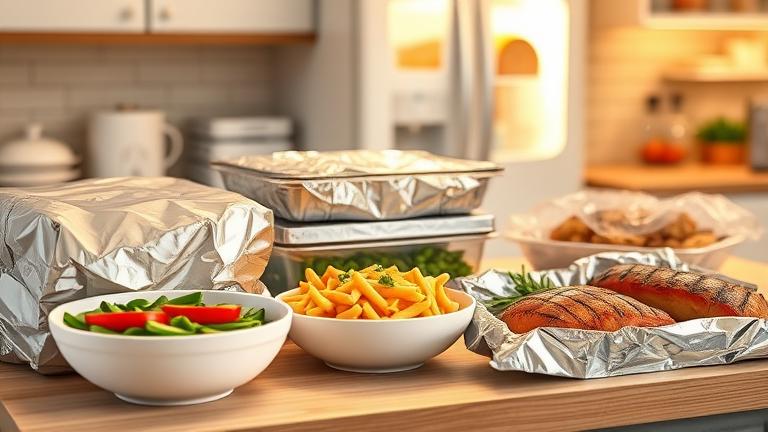
Best Methods to Store Cooked Food
Storing cooked food properly is essential to keep it safe to eat and to maintain its flavor and texture. Whether you have leftovers from dinner or pre-cooked meals for busy days, using the right storage methods helps prevent spoilage and foodborne illnesses. Here, we will explore simple and effective ways to store cooked food so it stays fresh and safe.
First, always let cooked food cool down before storing it. Hot food can raise the temperature inside your refrigerator, creating a breeding ground for bacteria. Allow it to sit at room temperature for no more than two hours. If you’re in a hurry, spreading the food out in smaller portions helps it cool faster.
Use airtight containers or sealable bags to store cooked food. These help keep out air and moisture, which are enemies of freshness. Clear containers also make it easier to see what’s inside, saving time when planning meals. Be sure to label each container with the date you cooked or stored the food, so you know how long it has been in the fridge or freezer.
The refrigerator is perfect for short-term storage. Cooked food can stay fresh for about three to four days in a fridge set at or below 40°F (4°C). Keep your leftovers on a middle or upper shelf away from raw ingredients. Avoid storing cooked food in the fridge door, where the temperature can fluctuate.
For longer storage, your freezer is a great option. Most cooked foods stay good for about three to six months in the freezer. Use freezer-safe containers or heavy-duty freezer bags to prevent freezer burn. Remove as much air as possible before sealing to preserve flavor. When freezing, try to portion out large batches into smaller servings. That way, you only need to thaw what you plan to eat, reducing waste.
Reheating cooked food properly is just as important as storing it. Always reheat leftovers to at least 165°F (74°C), which is hot enough to kill most bacteria. Use a microwave, oven, or stovetop, and stir the food well to ensure even heating. When in doubt, smell and check for any off odors before eating leftovers.
Here are some helpful tips for storing cooked food safely:
- Never leave cooked food out at room temperature for more than two hours, or one hour if the temperature is above 90°F (32°C).
- Label containers with both contents and date to keep track of freshness.
- Divide large amounts of cooked food into smaller portions for quicker cooling and reheating.
- Freeze leftovers promptly if you do not plan to eat them within a few days.
- Always reheat leftovers thoroughly before eating.
By following these simple storage methods, you can enjoy cooked food safely over several days and reduce food waste. Taking a little extra care with how you store leftovers helps keep your meals tasty and your family safe.
Tips for Safe Food Storage
Proper food storage is key to keeping your food fresh and safe to eat. Whether you’re storing leftovers, fruits and vegetables, or raw meats, knowing the best practices helps prevent foodborne illness and reduces waste. This guide will give you easy, friendly tips to store your food safely at home.
Understand Your Refrigerator and Freezer
Your refrigerator should be set at 40°F (4°C) or lower. This temperature slows bacterial growth, keeping perishable foods fresh longer. Your freezer needs to stay at 0°F (-18°C) or below to keep food frozen solid and prevent spoilage.
Use a thermometer to check these temperatures regularly. Avoid overloading your fridge, which can block the air circulation. Fresh produce, dairy, and cooked leftovers should be kept in airtight containers or covered with plastic wrap.
Properly Store Different Types of Food
- Raw meats: Keep raw meats on the bottom shelf of the fridge to prevent drips onto other foods. Use sealed containers or plastic bags to prevent cross-contamination.
- Fruits and vegetables: Store most produce in the crisper drawer. Some items like bananas and tomatoes do best at room temperature. Read labels for specific storage tips.
- Leftovers: Cool leftovers quickly, ideally within two hours of cooking, and store them in airtight containers. Label containers with dates so you use the oldest first.
- Dry goods: Store pantry items like rice, pasta, and cereals in a cool, dry place away from direct sunlight. Use airtight containers to keep pests out.
Keep Food Covered and Sealed
Always cover foods tightly to prevent odors from mixing and to keep out bacteria, pests, and dust. Use plastic wrap, foil, or airtight containers. This is especially important for leftovers, open jars, and cut produce.
When storing foods in the fridge, make sure containers are sealed properly. This prevents moisture loss and contamination, helping your food stay fresh longer.
Follow Storage Time Guidelines
Knowing how long food stays safe in your fridge or freezer is crucial. Here are some general guidelines:
| Food Type | Refrigerator (days) | Freezer (months) |
|---|---|---|
| Cooked leftovers | 3–4 | 2–3 |
| Raw chicken or poultry | 1–2 | 1 year |
| Raw beef or pork | 3–5 | 4–12 |
| Fruits and vegetables | Varies (see specifics) | Up to 12 months (frozen) |
Regularly check foods for signs of spoilage, like bad odors, mold, or sliminess. When in doubt, it’s safer to toss it.
Practice Good Hygiene and Handling
Wash your hands thoroughly with soap and water before handling food. Use clean cutting boards and utensils. Keep raw meats separate from ready-to-eat foods to avoid cross-contamination. Clean spills immediately to prevent bacteria growth.
By following these safe storage tips, you make your kitchen a healthier place and enjoy fresher, tastier meals every day.
Preserving Taste and Quality
Keeping your food fresh and flavorful is a key part of enjoying homemade meals and leftovers. Proper storage methods help retain taste, texture, and nutritional value. Whether you’re saving fresh produce, cooked dishes, or pantry staples, understanding how to preserve quality makes a big difference in your kitchen.
One of the first steps is to store foods at the right temperature. Cold temperatures slow down spoilage and bacterial growth. Refrigerate perishable items like dairy, meats, and cooked leftovers within two hours of cooking or buying. Freezing is ideal for long-term storage of meats, bread, fruits, and vegetables. Just remember that freezing can sometimes change texture, so it’s best suited for items you plan to cook or mash later.
Tips for Preserving Flavor and Texture
- Use airtight containers: Air can cause foods to dry out or absorb odors from other items. Use containers with tight-fitting lids, or resealable bags to maintain freshness.
- Label and date: Write the date on your stored items. This helps you keep track of how long they’ve been stored and prevents waste.
- Manage humidity: Store fruits and vegetables separately to prevent moisture transfer. Use crisper drawers in your fridge, which are designed to maintain the right humidity for produce.
- Control light exposure: Keep foods in a dark place or covered container to avoid light destruction of nutrients and flavor, especially for spices and grains.
Proper Storage for Specific Food Types
| Food Type | Best Storage Method | Storage Duration |
|---|---|---|
| Fresh produce | Refrigerate in crisper drawer or keep at room temperature (bananas, tomatoes) | Fresh fruits: 3–7 days; vegetables: 3–14 days |
| Cooked leftovers | Airtight container in the fridge | 3–4 days |
| Bread and baked goods | Room temperature in a bread box or paper bag | 3–5 days; for longer storage, freeze |
| Meat and seafood | Refrigerate at or below 40°F (4°C) | Shelf life varies: raw poultry, 1–2 days; cooked seafood, 3 days |
| Spices & dried herbs | Cool, dark place in airtight container | 1–3 years, depending on type |
Dealing with Food Spoilage
Always check for signs of spoilage before eating stored foods. Look for off smells, slimy textures, or mold. If something looks or smells wrong, it’s safest to discard it. Remember that mold can sometimes grow deep into foods like bread or cheese, so when in doubt, throw it out. Proper storage not only prolongs the life of your food but also helps prevent foodborne illnesses.
Extra Tips for Better Preservation
- Freeze in small portions for quick thawing and minimal waste.
- Avoid overpacking your fridge; air needs to circulate to keep foods cool evenly.
- Keep your fridge clean and organized to easily spot spoiled items and maintain hygiene.
- Use freezer-safe containers to prevent freezer burn which can affect taste and texture.
By following these simple storage tips, you can enjoy your food at its best, every time. Practicing good preservation methods means better flavors, less waste, and a happier kitchen.
Common Mistakes to Avoid
When it comes to cooking, everyone makes mistakes sometimes. Knowing what to watch out for can help you become a better home cook and enjoy your meals more. Here are some of the most common errors and how to avoid them, especially when you’re trying new recipes or mastering basic techniques.
Overcrowding the Pan
One of the biggest mistakes is adding too much food at once to the pan. This can cause ingredients to steam rather than sear or fry. As a result, your food may turn out soggy or unevenly cooked.
To avoid this, cook in batches if needed. Make sure there is enough space around each piece for heat to circulate. Using a larger pan can help, especially for stir-fries or sautéed dishes.
Not Reading the Recipe Fully
Sometimes, skipping this step leads to missing important details like ingredient prep or cooking times. It can also cause missing ingredients because you didn’t realize they were part of the dish.
Before starting, read the entire recipe carefully. Gather all ingredients and tools first. This way, you’ll be prepared and won’t have to rush or make last-minute adjustments.
Using Old or Poor-Quality Ingredients
The best dishes start with fresh ingredients. Using expired spices or wilted vegetables can ruin the flavor of your meal. Always check expiration dates and quality.
When in doubt, smell or taste a small piece before adding ingredients to your dish. Fresh ingredients make your cooking taste vibrant and delicious.
Ignoring Cooking Times and Temperatures
Overcooking or undercooking can turn a simple dish into a disappointment. Rushing the process or setting the wrong heat level can result in burnt or bland food.
Use kitchen timers and a reliable thermometer if needed. Follow recommended cooking times and adjust the heat as you go. Practice helps you get a feel for the right timing and temperature.
Not Tasting as You Cook
Adding seasoning at the end can prevent over-flavoring, but tasting along the way is essential. It helps you understand how flavors develop and when to adjust salt, acidity, or sweetness.
Always have a clean spoon for tasting, and remember to do so frequently. This will lead to a more balanced and tasty final dish.
Using the Wrong Tools
Cooking with the proper tools makes a big difference. For example, a dull knife increases prep time and can be dangerous. Using the right pan size or a good spatula improves cooking results.
If you’re serious about cooking, investing in quality utensils and equipment is worth it. It can make your kitchen work safer and more enjoyable.
Symptoms of Common Mistakes
| Mistake | Signs | How to Fix |
|---|---|---|
| Overcrowding | Food looks steamed, not seared | Cook in batches or use larger pans |
| Poor ingredient quality | Weak flavor, dull appearance | Use fresh, quality ingredients |
| Incorrect timing | Food is burnt or underdone | Use timers, adjust heat, and follow recipe times |
| Not tasting | Dish is bland or over-salted | Taste regularly and adjust seasoning gradually |
By being aware of these common pitfalls and how to avoid them, you’ll feel more confident in the kitchen. Remember, cooking is a skill that improves with experience. Don’t be discouraged by mistakes. Instead, see them as valuable lessons on your culinary journey.
Choosing the Right Storage Containers
When it comes to keeping your food fresh and organized, choosing the right storage containers is key. The right containers can make a big difference in how long your leftovers last, how easy it is to find what you need, and even how the food tastes later on.
Start by considering what type of food you’ll be storing. For leftovers like soup or stew, choose containers that are leak-proof and have a secure lid. If you’re storing fruits and vegetables, look for breathable options or containers with venting features to prevent spoilage.
Materials to Consider
- Plastic: Lightweight and usually affordable. Look for BPA-free options to keep chemicals out of your food. Plastic containers come in many shapes and sizes, making them versatile for different foods.
- Glass: Great for storing leftovers and reheating because they don’t stain or absorb odors. They are also durable and microwave safe. Plus, you can see what’s inside easily.
- Silicone: Flexible and collapsible, perfect for saving space. Good for packing lunches or taking snacks on the go.
Size Matters
Choose containers that fit your typical portions. Smaller containers are good for sauces, dressings, or snacks, while larger ones are ideal for bulkier leftovers or big batches of food. Having a mix of sizes helps keep your fridge organized and prevents waste.
Features to Look For
- Leak-proof lids: Essential for liquids or when transporting food.
- Stackability: Helps maximize space in your fridge and freezer.
- Airtight seals: Keeps food fresh longer and prevents odors from escaping.
Storage Times and Safety
| Container Material | Storage Time in Refrigerator | Storage Time in Freezer |
|---|---|---|
| Plastic | 3-4 days for most leftovers | 3-6 months depending on food type |
| Glass | 4-5 days | 6-12 months |
| Silicone | Follow specific food recommendations | Similar to plastic, 3-6 months |
Tips for Maintaining Your Containers
- Wash containers promptly after use to prevent stains and odors.
- Check seals regularly and replace if they become damaged or lose their tight fit.
- Avoid using abrasive cleaners that can scratch surfaces, especially for plastic and glass.
Choosing the right storage containers doesn’t have to be complicated. By selecting appropriate materials, sizes, and features, you can keep your food fresh, save space, and reduce waste. Investing in good containers makes meal prep and leftovers much easier and more enjoyable.
How to Reheat Stored Food Properly
Reheating stored food the right way is important to keep it safe to eat and tasting great. Whether you’re reheating leftovers from last night or pre-cooked meals, following proper techniques can prevent foodborne illnesses and preserve flavor.
First, always store your food correctly. Use airtight containers or cling film to keep leftovers fresh. Refrigerate or freeze promptly, ideally within two hours of cooking. When you’re ready to reheat, make sure the food has cooled down enough to avoid bacteria growth, especially if it’s been stored for more than a day.
Best Practices for Reheating Food
- Reheat food to a safe internal temperature. The U.S. Food and Drug Administration recommends heating leftovers to at least 165°F (74°C). Use a food thermometer to check the temperature. This helps kill bacteria that may have grown during storage.
- Choose the right reheating method based on the food. For example, soups and stews reheat well on the stove, while rice or pasta can be microwaved quickly. Use the microwave for fast reheating, but cover the dish with a microwave-safe lid or wrap to trap heat and moisture.
- If reheating in the oven, cover the food with foil to prevent it from drying out. For sauces or liquids, reheat slowly over low heat, stirring frequently to avoid scorching or uneven heating.
Steps for Reheating Food Safely
- Take out the amount of food you want to reheat. Do not reheat the whole batch if only part is needed, and avoid reheating leftovers multiple times as bacteria can grow with each cycle.
- Place the food in an appropriate container. Microwave-safe containers are best for microwaving. Use oven-safe dishes when reheating in the oven.
- Reheat thoroughly. For the microwave, set the power to high and stir or rotate the food halfway through. For stovetop reheating, simmer on medium heat, stirring occasionally.
- Check the temperature in multiple spots. The entire dish must reach at least 165°F (74°C). If it hasn’t, continue reheating until it does.
- Allow the food to sit for a minute after reheating. This helps the heat distribute evenly, especially in microwave reheats.
Tips to Keep in Mind
- Never reheat food that has been left out at room temperature for more than two hours, as bacteria can grow rapidly.
- Avoid reheating the same leftovers multiple times. It increases the risk of food poisoning.
- Use leftovers within three to four days if refrigerated. For longer storage, freeze and label with the date.
- Be cautious with rice, pasta, and meats, as improper reheating can cause foodborne illnesses. Always verify the temperature before eating.
Common Mistakes to Avoid
- Reheating food cold without distributing heat evenly. Always stir or rotate to ensure uniform heating.
- Using low power settings on the microwave, which can lead to cold spots where bacteria survive.
- Reheating leftover meals without checking their temperature. This can be risky if the food isn’t heated enough.
- Freezing leftovers that weren’t cooled quickly or stored properly, which can lead to freezer burn and loss of flavor.
Follow these tips to enjoy your stored food safely and deliciously. Proper reheating not only ensures your food is safe but also helps preserve its original taste and texture. Happy reheating!
General Guidelines for Food Storage
Storing food properly is key to keeping it fresh, safe, and tasting great. Whether you’re dealing with leftovers, raw ingredients, or pantry staples, following some simple rules can make a big difference. Good storage prevents spoilage, reduces waste, and helps you save money in the long run.
First, always keep food at the right temperature. Refrigerators should be set below 40°F (4°C), and freezers at 0°F (-18°C). This slows bacteria growth and keeps your food safe. Use a thermometer to check the temperature regularly. Avoid overcrowding the fridge, as this stops cold air from circulating properly. Put raw meat and seafood in sealed containers on the bottom shelf to prevent drips that can contaminate other foods.
Next, understand where different foods should be stored. Perishable items like dairy, meat, and cut fruits are best in the fridge. Product packaging often states how long they stay fresh. Dry goods like rice, pasta, and canned foods belong in a cool, dark pantry away from direct sunlight. Keep spices and dried herbs in airtight containers to maintain flavor.
Labeling is a simple but effective habit. Use markers or labels to note the date you bought or opened a food package. This way, you’ll know when to use or discard leftovers and prevent eating spoiled items. A good rule is to consume leftovers within three to four days. If you’re unsure, give the food a smell or look for signs of spoilage like mold or sliminess before eating.
Vacuum sealing or using airtight containers can extend the shelf life of many foods. This is especially helpful for meats and pre-cooked dishes. Make sure containers seal tightly to prevent air, moisture, or pests from getting in. For fresh produce, keep certain items at room temperature (like bananas or tomatoes), while others, such as berries and leafy greens, last longer in the fridge.
Some common storage mistakes include leaving leftovers out too long at room temperature, storing raw meats above ready-to-eat foods, or neglecting to clean storage areas regularly. These habits can lead to cross-contamination and foodborne illness. Always wash your hands before handling food and wipe down shelves periodically with mild cleaning solutions.
Additionally, check expiration dates on packaged foods and dispose of anything past its best-by or use-by date. Remember, when in doubt, it’s safer to toss a questionable item rather than risk getting sick. Proper food storage isn’t just about safety; it also keeps your ingredients fresh and your kitchen organized. By following these friendly, practical guidelines, you’ll enjoy better-tasting meals and fewer trips to the store for spoiled items.