
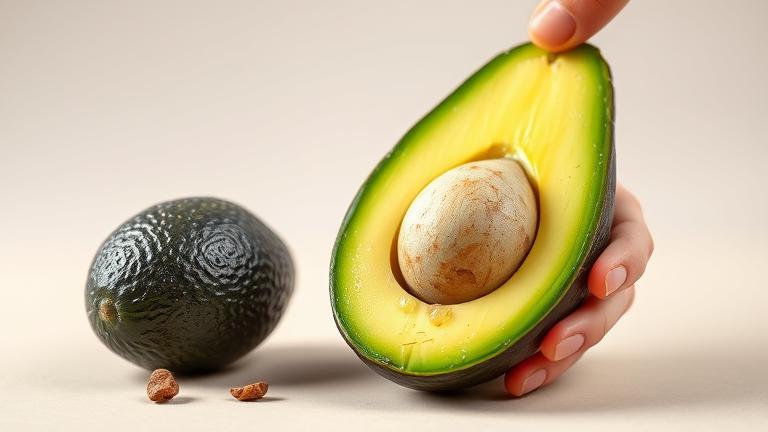
Recognizing Ripeness in Avocados
Knowing when an avocado is ripe is key to enjoying its rich, creamy flavor at its best. A ripe avocado will be perfect for spreading, slicing, or adding to salads. Luckily, there are some simple ways to tell if your avocado is ready to eat, based on appearance, texture, and color cues.
First, look at the avocado’s outer skin. Many varieties, like the popular Hass, develop a darker, almost black hue when ripe. However, color alone isn’t always reliable since some green avocados may still be ready. For those, focus on how the skin feels. Gently press the fruit with your fingertips. A ripe avocado will give slightly under gentle pressure, feeling soft but not mushy. If it feels very firm, it’s likely underripe and needs a few more days to mature. If it feels very soft or leaves an indentation, it might be overripe.
Take a closer look at the stem or the small cap at the top of the avocado. If you gently flick that tiny stem off and see green underneath, the avocado is probably ripe and ready. If it’s brown or black underneath, it may be overripe or spoiled inside. When the stem is easy to remove, and you see bright green underneath, you’re in luck.
Color cues can also help, especially for avocados with less dark skin. A vibrant, medium to dark green without blemishes or indentations generally suggests ripeness. Avoid avocados with large dark spots, wrinkles, or visible scars, as these can indicate overripeness or damage.
Remember, sometimes color and firmness may not tell the full story. For instance, some avocados may feel soft but still be flavorless or brown inside. Therefore, if you plan to use the avocado immediately, rely on the gentle squeeze test and check the stem. For longer storage, choose avocados that are still firm but show hints of becoming ripe, so they ripen evenly at home.
Be cautious about overripe avocados; they might look and feel perfect but can be mushy or brown inside when cut open. To avoid disappointment, gently inspect the fruit and consider how soon you plan to eat it. If you’re not ready to use it today, store it in the fridge to slow down ripening and preserve its freshness.
Some people like to buy a few avocados at various stages of ripeness so they can enjoy fresh slices over several days. By understanding these appearance, texture, and color cues, you can pick the perfect avocado every time. Remember, a little practice and attention to detail will make picking ripe avocados second nature!
Signs Your Avocado Has Gone Bad
Knowing how to tell if an avocado is still good to eat can save you from wasting that ripe fruit or risking food safety. It’s normal for avocados to ripen quickly, but they can spoil just as fast if not stored properly. By paying attention to a few key signs, you can decide whether your avocado is still fresh or it’s time to toss it out.
The first thing to check is the color of the avocado. Look at the skin; a ripe avocado typically has a deep green or almost black hue. If it turns brown or shows uneven discoloration, especially on the skin or inside, it might be beyond its prime. Keep in mind that some varieties naturally have darker skin, so color alone isn’t always enough. That’s why it’s helpful to also assess the texture and smell.
Changes in Texture
When you gently press on the avocado, it should yield slightly under your finger but not feel mushy or overly soft. If it feels very squishy or has indentations that don’t bounce back, it could be overripe or spoiled. On the other hand, if it’s very hard, it probably isn’t ripe yet. Overripe avocados might also develop dark, sunken spots or a stringy, watery texture inside. These are signs the fruit is starting to break down and isn’t fresh anymore.
Smell Inspection
A fresh avocado has a mild, nutty scent. If you notice a sour, fermented, or rotten smell, that’s a strong sign it has gone bad. This unpleasant odor indicates bacterial growth or spoilage. Always give the cut surface a sniff before tasting to ensure it doesn’t smell off.
Look for Mold or Leaks
Mold appears as fuzzy white, gray, or black patches on the skin or at the stem end. Do not try to cut around mold, as spores can penetrate deeper into the fruit. If mold is present, discard the avocado. Additionally, check for any leaks or wet spots. A watery or oily appearance on or inside the fruit can mean it’s decayed and best to toss out.
Additional Tips
- If you cut into an avocado and find brownish, stringy flesh, it’s usually okay to use — just remove the browned parts. But if the browning is widespread and the smell is off, it’s time to discard.
- Store cut avocados with the pit still in and cover tightly with plastic wrap or place in an airtight container to slow spoilage.
- Remember, when in doubt, trust your senses. If an avocado looks, smells, or feels off, it’s safer to toss it rather than risk food poisoning.
How to Check Avocado Freshness
When you’re ready to enjoy a ripe and delicious avocado, it’s important to check its freshness first. Fresh avocados will be at their best flavor and texture, making your dishes even tastier. Fortunately, there are simple ways to assess whether an avocado is ready to eat and still good to go.
Most people rely on visual clues and a gentle squeeze test to determine avocado freshness. These methods are quick, easy, and reliable when you know what to look for.
Visual Inspection
Start by examining the outside of the avocado. A ripe, fresh avocado usually has a consistent color, which varies depending on the variety. For example, many avocados are dark green to nearly black when ripe, while others remain green. If the fruit is very green and firm, it may need more time to ripen.
Look for any visible blemishes, large dark spots, or sunken areas. Minor blemishes are normal and don’t necessarily mean the fruit is bad, but deep or widespread dark patches could indicate overripeness or bruising. The skin should have a smooth or slightly bumpy texture, depending on the variety.
Additionally, check the stem or small cap at the top of the avocado. If it’s still attached, gently remove it. If the area underneath is green, the avocado is likely ripe and good to eat. If it’s brown or dark, the fruit may be overripened inside.
The Gentle Squeeze Test
The most common method to determine if an avocado is ripe is to give it a gentle squeeze. Handle the fruit with care to avoid bruising. A ripe avocado will yield slightly under gentle pressure, feeling soft but not mushy. If it feels very hard, it’s still unripe and should be left to ripen at room temperature.
If the avocado feels very soft or slightly squishy, it might be overripe. Overripe avocados can be perfect for guacamole or spreads but may have brown spots or a stronger smell. A bruised or squishy avocado might be past its prime and could develop mold or spoilage soon.
Additional Tips
- For quick ripening, place the avocado in a paper bag with a banana or apple. These fruits release ethylene gas, speeding up the ripening process.
- If your avocado is ripe but you don’t plan to eat it right away, store it in the refrigerator. Cold slows down ripening, keeping it fresh longer.
- Always handle avocados gently to prevent bruising, which can hide imperfections or spoilage.
With these simple checks, you can confidently select fresh avocados to enjoy in salads, on toast, or in any of your favorite recipes. Remember, practice makes perfect, and soon you’ll become a pro at picking the best avocados every time!
Tips to Prevent Spoiled Avocados
Avocados are delicious and versatile, but they can spoil quickly if not stored properly. Knowing how to keep them fresh longer helps prevent waste and saves you money. Here are some friendly, practical tips to extend the shelf life of your avocados and keep them tasty.
Choose the Right Avocado
Start with a good quality avocado. Look for fruit that feels firm but slightly yields to gentle pressure. Avoid ones with dark spots, large indentations, or a leathery skin. If it’s unripe, patience is key. Ripe avocados are perfect for immediate use, but unripe ones can ripen at home.
Store Unripe Avocados Properly
Keep unripe avocados at room temperature, ideally between 68°F and 75°F. This speeds up the ripening process. To prevent the fruit from ripening unevenly, store them in a paper bag with a banana or apple. These fruits emit ethylene gas, which helps speed up ripening.
Check your avocados daily. When they feel slightly soft and yield to gentle pressure, they are ripe and ready to eat or refrigerate.
Refrigerate Ripe Avocados
If your avocados are ripe but you don’t plan to eat them immediately, store them in the refrigerator. Place them in the crisper drawer or in a sealed container. Cold slows down the ripening process and helps preserve their freshness for a few days.
For cut avocados, the fridge is even more important to prevent spoilage. Wrap the exposed flesh tightly with plastic wrap or place it in an airtight container.
Use Lemon or Lime Juice on Cut Avocados
To prevent browning, brush or sprinkle freshly cut avocado flesh with lemon or lime juice. The citric acid acts as an antioxidant, slowing the enzymatic browning process. Be sure to cover the entire surface, not just the exposed flesh.
Afterward, store the avocado in an airtight container or wrap it tightly with plastic wrap. This simple step can add a day or two to its freshness.
Avoid Common Mistakes
- Don’t store avocados next to onions or other strong-smelling foods, as they can absorb odors.
- Refrain from refrigerating unripe avocados, since cold can halt ripening.
- Don’t leave cut avocados exposed to air for long periods without protection.
Know the Signs of Spoilage
Even with proper storage, avocados can spoil. Watch for black, mushy spots, a sour smell, or mold. If you see any of these signs, it’s safest to discard the fruit to avoid any health risks.
By following these practical tips, you can enjoy fresh, delicious avocados for longer. Proper handling and storage make all the difference in keeping this healthy fruit at its best.
Best Storage Methods for Avocados
Storing avocados properly can make a big difference in keeping them fresh and ready to eat. Whether you have ripe avocados or ones that are still firm, knowing the best storage techniques will help you enjoy their creamy texture and rich flavor longer.
First, it’s important to understand the ripeness stage of your avocados. Ripe avocados are soft to the touch and usually dark in color, while unripe ones are firmer and lighter. The way you store them depends on whether you want to preserve ripeness or slow down the process.
Storing Unripe Avocados
If your avocados are still firm and unripe, keep them at room temperature. Place them in a basket or on the countertop away from direct sunlight. This allows them to naturally ripen. You can speed up ripening by storing avocados next to bananas or apples, as these fruits emit ethylene gas, which promotes ripening.
Check your avocados daily. When they yield gently to pressure, they are ripe and ready to eat. Avoid refrigerating unripe avocados because cold temperatures slow down the ripening process, potentially leaving them hard and unripe for longer.
Storing Ripe or Overripe Avocados
Once avocados are ripe, it’s best to refrigerate them to prolong freshness. Wrap each avocado in plastic wrap, or place them in an airtight container. This minimizes exposure to air, slowing down browning and spoilage.
If you’ve cut the avocado, brush the exposed flesh with lemon or lime juice. The acidity helps prevent browning. Then, tightly cover with plastic wrap or store in a resealable bag or container. Place it in the refrigerator for up to 2-3 days.
Using Packaging Options
- Plastic Wrap: Wrap tightly over cut surfaces to limit oxygen contact.
- Airtight Containers: Store cut avocados in containers with tight-fitting lids for extra protection.
- Vacuum Sealing: If you have a vacuum sealer, it removes air and keeps avocados fresh longer. Ideal for batch storage or freezing.
Freezing Avocados
For longer storage, you can freeze avocados. Peel and remove the pit, then mash the flesh with a little lemon or lime juice. Pack it into airtight containers or resealable freezer bags. Frozen mashed avocados are great for smoothies or guacamole later on, but note that the texture changes and they won’t be suitable for slices or salads after freezing.
Additional Tips
- Avoid storing avocados next to onions or strong-smelling foods, as they can absorb odors.
- Check stored avocados regularly to prevent overripening or spoilage.
- Use a ripeness guide: slightly soft avocados are perfect for eating, while very soft ones are best for mashing.