
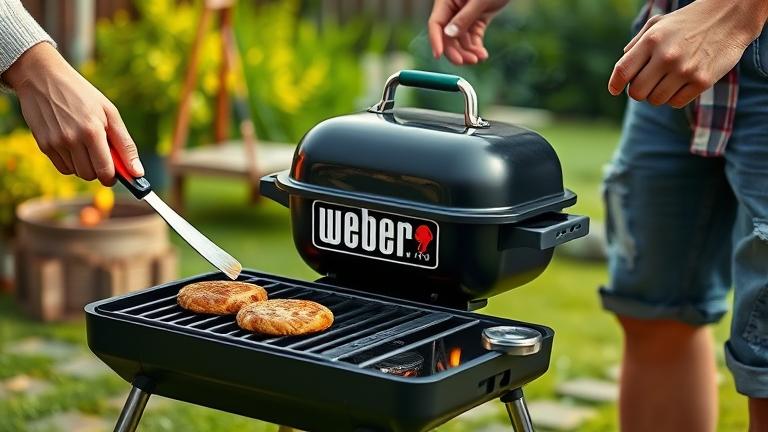
Introduction to Mini Weber Charcoal Grills
Mini Weber charcoal grills are specially designed for those who love to enjoy the flavor of outdoor grilling but have limited space or need something portable. These small grills pack the classic Weber quality into a compact size that fits easily on a balcony, patio, or even for a picnic in the park.
One of the main features of mini Weber charcoal grills is their size. They are usually lightweight and easy to carry, making them perfect for camping trips, tailgating, or small outdoor gatherings. Despite their small stature, these grills offer effective heat control and good airflow, giving you the ability to cook a wide range of foods just like a full-sized grill.
Another benefit is their user-friendly design. Many mini Weber models come with simple, intuitive features. This includes easy-to-open lids, adjustable vents for temperature control, and durable construction that can withstand outdoor conditions. This means beginners and experienced grillers alike can enjoy hassle-free grilling sessions without fuss.
Mini Weber charcoal grills also tend to be quite affordable, making outdoor grilling accessible to more people. They often require less charcoal to operate, which can save you money over time. Plus, their compact size means they don’t take up much space when stored, which is great for homes with limited storage options.
Besides being practical for small spaces, these grills are also known for their quality build. Weber is a trusted name in the grilling world, and their mini grills maintain the same standards for heat retention and durability. This ensures even cooking and long-lasting performance, so you get great results every time.
Whether you want a simple grill for quick weekend meals or a portable option to take on adventures, a mini Weber charcoal grill can be a versatile addition to your outdoor cooking gear. They combine convenience, performance, and quality all in a handy size. If you enjoy flavorful grilled food but have limited space, exploring these mini grills might just be the perfect solution for you.
Setting Up Your Grill for First Use
Getting your mini Weber grill ready for its first cookout is an exciting step. Proper setup ensures safety, better flavor, and longer-lasting performance. Whether you’ve assembled it yourself or received it pre-assembled, a few basic steps will help get your grill in top shape.
Assembling Your Grill
If your mini Weber grill isn’t pre-assembled, carefully follow the manufacturer’s instructions. Lay out all parts and check for any missing pieces. Use the tools provided or recommended by the manufacturer. Take your time to ensure each piece is fitted correctly. Proper assembly is key to safety and optimal performance.
When assembling, pay special attention to the legs and the lid. Make sure they are securely attached. Tighten all bolts but avoid over-tightening, which can cause damage. If screws feel loose over time, periodically check and tighten them. If you’re unsure about a step, consult the user manual or online videos for additional guidance.
Initial Cleaning and Seasoning
Before first use, it’s a good idea to give your grill a thorough cleaning. Wipe down all surfaces with warm soapy water to remove any manufacturing residues or dust. Rinse with clean water and dry completely with a cloth. This helps prevent any unwanted flavors during your first cookout.
Some mini Weber grills, especially those with cast iron parts, benefit from a light seasoning. To season, apply a thin layer of cooking oil to the grates and other metal surfaces. Heat the grill to a medium-high temperature for about 15 minutes. This creates a protective oil coating and helps prevent rust. Not all grills require seasoning, so check your manual for specific instructions.
Choosing the Right Spot
Proper placement of your grill enhances safety and performance. Pick a flat, stable outdoor surface that is away from overhanging branches or structures. Keep the grill at least 10 feet away from your house, deck railings, or any flammable materials.
Ensure there is good ventilation. Never use your Weber grill in enclosed spaces like garages or porches without proper airflow. If you have a patio or balcony, check local regulations about outdoor grilling. Always set the grill on a non-flammable surface, such as concrete or bricks.
Safety Tips Before First Use
- Check that all parts are assembled correctly and securely.
- Ensure the propane tank or charcoal supply is in good condition and properly connected.
- Keep a fire extinguisher or a bucket of water nearby in case of emergencies.
- Test the grill’s ignition to make sure it sparks properly.
Following these initial setup steps will help you enjoy your mini Weber grill safely. Once you’re set, you’re ready to start grilling delicious meals with confidence and ease.
Lighting and Starting the Charcoal
Getting your charcoal ready is a key step for a successful grilling session. Whether you’re using a mini Weber grill or another small setup, knowing how to safely and effectively light the charcoal will ensure your barbecue is enjoyable and trouble-free. There are several methods to choose from, including chimney starters and fire starters, each with its own benefits. Let’s explore the most common techniques and some safety tips to keep in mind.
Using a Chimney Starter
A chimney starter is a popular choice for many grillers because it is quick, clean, and easy to use. It’s a metal cylinder that helps light your charcoal evenly without the need for lighter fluid. Here’s how to do it:
- Place the chimney starter on a heat-resistant surface, like a concrete patio or a non-flammable grill grate.
- Fill the chimney with the amount of charcoal you need for your cookout. Spread the coals evenly for the best airflow.
- Stuff some crumpled newspaper or a commercial firelighter into the bottom chamber of the chimney. Do not use too much newspaper, just enough to get the fire going.
- Light the paper or firelighter through the holes at the bottom of the chimney. You can use a long match or a barbecue lighter to do this safely.
- Wait about 10–15 minutes. The charcoal will turn grayish and ashy when it’s ready.
- Carefully lift the chimney and pour the hot coals into your grill’s fire bowl. Be cautious to avoid any hot ashes falling out.
Tip: Always wear heat-resistant gloves when handling hot equipment and tools. Never leave a lit chimney starter unattended.
Using Fire Starters or Lighter Cubes
If you prefer a simpler approach or don’t have a chimney starter, fire starters or lighter cubes are convenient. They are small, safe to handle, and burn cleanly. Here’s how to use them:
- Arrange your charcoal in a pyramid shape inside the grill’s fire bowl.
- Place a fire starter or a few cubes underneath the pyramid, in the center if possible. Follow the package instructions for the number of starters to use.
- Light the fire starter with a long match or lighter. Let it burn for a couple of minutes so it can ignite the surrounding charcoal.
- Once the coals are visibly flaming and have turned grayish, spread them out evenly with heat-resistant tongs or a poker.
Note: Avoid using too much lighter fluid, as it can cause flare-ups and impart unwanted flavors to your food. If you prefer, use natural firelighters for a cleaner burn.
Safety Precautions
- Always light your charcoal in a well-ventilated area outdoors. Never light it indoors or in enclosed spaces.
- Keep a fire extinguisher, water spray bottle, or garden hose nearby in case of emergencies.
- Wear fire-resistant gloves and use long-handled tools to handle hot equipment.
- Be cautious when pouring hot coals to avoid spills or burns. Use a metal scoop or tool designed for this purpose.
- Wait for the coals to fully turn gray and ashy before cooking. This indicates they are at the right temperature and safely cooled for use.
By following these methods and safety tips, you will be ready to start your grill with confidence. A well-lit fire is the first step to delicious grilled meals. Happy grilling!
Cooking Tips and Best Recipes
Grilling with a mini Weber is a great way to enjoy delicious, smoky flavors in a small space. Whether you’re a beginner or an experienced griller, these practical tips can help you achieve juicy, flavorful results and perfect grill marks every time.
Getting Started with Your Mini Weber
First, always preheat your grill before adding your food. This helps create those beautiful grill marks and ensures even cooking. For most meats and vegetables, aim for a temperature of around 375°F to 450°F. Use the lid to control the heat and keep the smoke flavorful.
Next, make sure your grill grates are clean. Use a grill brush to remove any residue from previous uses. Clean grates help prevent sticking and allow for better searing. Also, lightly oil the grates using a paper towel dipped in oil. This creates a non-stick surface and improves the appearance of your grill marks.
Preparing Food for Grilling
Marinate meats for at least 30 minutes if you want extra flavor. For vegetables, brush with olive oil and season with salt, pepper, or your favorite herbs. Avoid overloading the grill—leave enough space between items to allow for proper heat circulation. This ensures even cooking and better charring.
If you’re cooking thicker cuts of meat, consider using a two-zone setup. Leave one side of the grill hotter for searing, and keep the other cooler to finish cooking through without burning. This technique helps you get that perfect crust inside and tender meat inside.
Achieving Perfect Grill Marks and Flavor
- Place food at a 45-degree angle to the grill grates for that classic crosshatch pattern.
- Don’t move the food too early; wait until it naturally releases from the grate before flipping.
- Use tongs to turn your food instead of a fork, which can pierce the meat and cause juices to escape.
When flipping, aim for the halfway point of cooking time to create those great grill marks. For veggies like peppers or zucchini, grill until they’re tender and have nice char marks. For meats, use a meat thermometer to ensure proper doneness—130°F for medium-rare steak, 165°F for chicken.
Easy and Delicious Recipes to Try
- Basic Grilled Chicken Skewers: Cube chicken breasts, marinate with lemon juice, garlic, and herbs. Thread onto skewers and grill about 10-12 minutes, turning occasionally.
- Veggie Kabobs: Alternate chunks of bell peppers, zucchini, mushrooms, and cherry tomatoes. Brush with olive oil and sprinkle with salt and pepper. Grill until tender and grill marks appear.
- Grilled Fish Fillets: Season fish like salmon or tilapia with salt, pepper, and lemon slices. Grill 3-4 minutes per side until flaky and beautifully charred.
Remember, practice makes perfect. Keep an eye on your grill and don’t be afraid to experiment with different foods and seasonings. With these tips, your mini Weber will become your new favorite kitchen companion for quick, flavorful meals on the grill.
Cleaning and Maintenance Tips
Keeping your grill clean and well-maintained is key to ensuring it lasts longer and cooks better. Regular care helps prevent rust, keeps flavors pure, and makes your grilling experience more enjoyable. Here are some friendly and practical tips to help you care for your grill.
Ash Removal
If you have a charcoal grill, removing ashes after each use is essential. Ash and leftover charcoal can block airflow, making your grill less efficient. Let the ashes cool completely before cleaning them out. You can do this by waiting at least 24 hours after grilling or by carefully pouring water over the ashes to speed up the cooling process.
Once cooled, scoop out the ashes with a metal scoop or shovel and dispose of them in a metal trash container. Avoid using plastic or paper containers, as ashes can still be hot and may cause fires. Regular ash removal improves combustion and keeps your grill working smoothly.
Grill Grate Cleaning
The grill grate is where the magic happens, so keeping it clean is important. After each grilling session, while the grill is still warm, use a sturdy grill brush to scrape off food residue and grease. This prevents buildup and rust.
If your grate is particularly grimy, remove it and soak it in hot, soapy water or a vinegar solution. Scrub with a non-metallic brush or sponge, then rinse and dry thoroughly. For stubborn rust or baked-on bits, a baking soda paste can work well — spread it on, let sit for a few minutes, then scrub away.
Applying a thin coat of vegetable oil on the grate after cleaning helps prevent rust and creates a non-stick surface for your next cookout.
Long-Term Storage Tips
When you’re done for the season or won’t use your grill for a while, proper storage helps maintain its condition. First, give the entire grill a good cleaning — wipe down surfaces, clean the grate, and remove any leftover debris. Make sure the grill is completely dry to prevent rust formation.
If your grill has a cover, always use it to shield against rain, dust, and pests. For added protection, consider storing your grill in a shed or garage, especially if it’s not weatherproof. If your grill is portable and left outside, try to place it on a raised, dry surface to avoid dampness below.
Remember to close all vents and lids to keep out dust and critters. For extra safety, disconnect propane tanks (if applicable) and store them in a cool, well-ventilated area away from direct sunlight. Regular maintenance during storage, such as checking for rust or damage, will pay off when spring comes around again.
- Clean the grill after each use to prevent buildup.
- Use a grill brush safely, making sure bristles are intact.
- Keep your grill covered and protected from the elements.
- Inspect for rust or damage before storing long-term.
- Store propane tanks separately in a dry, cool place.
Safety Guidelines for Grilling
Grilling with a mini Weber charcoal grill can be fun and delicious, but safety should always come first. Whether you’re a beginner or a seasoned grill master, following simple safety tips helps prevent accidents and ensures everyone stays safe. Here are some practical guidelines to keep in mind when using your mini Weber grill.
Setting Up Your Grill Safely
Always place your grill on a flat, stable surface away from anything flammable. Keep it at least 10 feet from your house, overhanging branches, or any outdoor furniture. Make sure the area is open, with plenty of space around the grill for safe operation. Never set up your grill indoors or in an enclosed space, as the smoke and carbon monoxide can be dangerous.
Handling Charcoal Safely
- Use only the recommended amount of charcoal for your grill size. Overloading can cause flare-ups and make controlling the temperature difficult.
- When lighting the charcoal, use a long-handled lighter or matches. Keep your face and hands well back from the grill.
- Avoid using lighter fluid or any accelerants that produce harsh fumes. Instead, try chimney starters or electric starters for a safer, cleaner way to ignite the charcoal.
Preventing Fires and Flare-ups
Flare-ups happen when fat and juices drip onto hot coals, causing sudden bursts of flame. To minimize this risk:
- Trim excess fat from meats before grilling to reduce drips.
- Keep a spray bottle of water nearby to tame small flare-ups.
- Never leave the grill unattended while lit.
- Be cautious about adding new charcoal, and do so only when the fire has cooled down.
Handling Hot Surfaces and Equipment
Grill surfaces and parts become extremely hot during cooking. Always wear heat-resistant gloves when adjusting vents, placing or removing food, or cleaning the grill. Use long-handled tongs and spatulas to keep a safe distance from the heat.
After grilling, let the charcoal cool completely before disposing of ashes. Store leftover charcoal in a metal container away from any combustibles.
General Safety Tips
- Keep a fire extinguisher nearby, and know how to use it in case of an emergency.
- Wear appropriate clothing, avoiding loose sleeves that might catch fire.
- Never grill in windy conditions, which can cause stray embers or flare-ups.
Final Thoughts
Following these safety guidelines helps make grilling with your mini Weber a safe and enjoyable experience. Always stay alert, respect the heat, and don’t rush the process. Happy grilling!
Troubleshooting Common Issues
Barbecuing with a grill can be fun, but sometimes things don’t go as planned. Common problems like inconsistent heat, difficulty lighting, or uneven cooking can happen to even experienced grillers. Don’t worry — most issues have simple solutions. Here’s a friendly guide to help you troubleshoot and get back to enjoying your grilled favorites.
Inconsistent Heat or Cold Spots
If your grill isn’t heating evenly, you might notice some parts are hot while others are cooler. This can affect how your food cooks and may lead to burnt edges or undercooked centers. Several factors can cause this issue.
- Dirty grates or burners: Grease and food debris block heat distribution. Clean your grill thoroughly after each use, paying special attention to the burners and grates.
- Uneven charcoal placement: For charcoal grills, spread the briquettes evenly across the bottom. Creating zones — one hot side and one cooler side — can help control cooking temps.
- Incorrect lid positioning: Keep the lid closed during cooking so heat circulates evenly. Make sure it fits snugly to prevent heat loss.
Tip: Use an oven or meat thermometer to check the temperature at different spots. This helps you identify cold or hot areas. Adjust the heat sources accordingly for better results.
Difficulty Lighting the Grills
Struggling to get your grill going is frustrating. Reasons for this include improper lighting methods, wet charcoal, or low-quality fuel. Here are some practical tips to get your grill lit quickly and safely.
- Use fresh fuel: Old, damp charcoal or propane tanks with low pressure can make ignition tough. Always use fresh charcoal and check your propane levels before starting.
- Follow proper lighting procedures: For charcoal, arrange the coals in a pyramid or use a chimney starter. For gas grills, turn on the propane and open the lid before pressing the igniter button.
- Ensure proper ventilation: Light the grill in a well-ventilated area to prevent buildup of gases that can cause flare-ups or failure to ignite.
Warning: Never use gasoline or kerosene to light your grill. Stick to approved fire starters or charcoal chimneys for safety.
Flare-Ups or Excess Smoke
Ever had your grill flare up unexpectedly? This often happens when fats and juices drip onto the heat source, causing bursts of flames. While some smoke adds flavor, too much can be dangerous or make food taste burnt.
- Trim excess fat: Remove thick fat layers from meats to reduce flare-ups.
- Keep a spray bottle nearby: Use it to douse small flames with water if flare-ups become intense. Be careful to avoid splattering hot grease.
- Use indirect heat: When grilling fatty foods, place them away from direct flame and cook slowly to prevent drips from catching fire.
Tip: Regularly clean your grill’s grease tray and drip pans to prevent buildup that can worsen flare-ups.
Food Sticking to the Grate
If your food sticks and tears when you flip or remove it, your grill might need some TLC. Proper prep and technique can help prevent sticking and make grilling smoother.
- Preheat and clean the grate: Always start with a hot, clean grill. Brush off residue with a wire brush before cooking.
- Oil the grate and food: Lightly oil the grates using a paper towel soaked in oil or non-stick spray. Coating the food lightly with oil also prevents sticking.
- Don’t move the food too early: Wait until it naturally releases from the grill before flipping. Premature flipping causes tearing and sticking.
If you encounter other issues or need additional tips, keep experimenting and adjusting your methods. Grilling is an art, and troubleshooting makes you a better cook each time. Enjoy your barbecue adventures!