
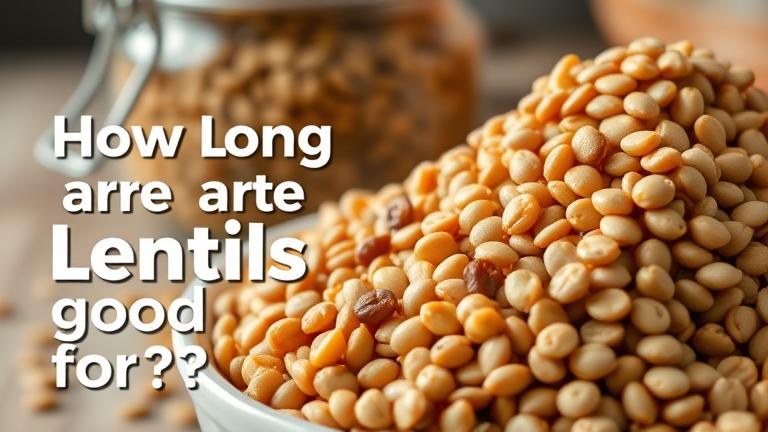
How Long Do Lentils Stay Fresh?
Knowing how long lentils stay fresh helps you make the most of your pantry staples. Lentils are a resilient and versatile legume that can last quite a while when stored properly. Whether you have dried lentils or cooked leftovers, understanding their shelf life ensures you enjoy their nutrition and flavor without risk.
Fresh dried lentils typically last a long time, often up to a year or even more. If stored well in a cool, dark, and dry place, they can stay good for about 1 to 2 years. Keep in mind, as time passes, dried lentils may lose some of their texture and flavor, but they usually remain safe to eat for quite a while. Cooked lentils, on the other hand, are more perishable and generally stay fresh in the refrigerator for about 3 to 5 days.
Several factors influence the shelf life of lentils. The main ones include storage conditions, packaging, and whether they are kept in an airtight container. Exposure to moisture, heat, or sunlight can spoil the lentils faster. Properly stored lentils remain fresh longer and maintain their quality and nutritional benefits.
Signs Lentils Are No Longer Good
- Odor: If dried lentils develop a musty or off smell, it’s a sign they may be spoiled or infested with bugs.
- Appearance: Look for any discoloration, mold, or signs of moisture damage. Dried lentils should be uniform in color and free of debris.
- Texture: If cooked lentils turn slimy or have an unusual texture, discard them. This indicates bacteria or spoilage.
- Presence of bugs: Small insects or larvae in dried lentils mean it’s time to toss them out.
Storage Tips to Keep Lentils Fresh
- Use an airtight container: Store dried lentils in a sealed jar or container to prevent moisture and pests.
- Keep in a cool, dark place: Avoid sunlight and heat, which can degrade the quality of your lentils over time.
- Avoid humidity: Moisture can cause lentils to mold or sprout prematurely. Consider adding a silica gel packet for extra protection in humid areas.
- Check periodically: Regularly examine stored lentils for any signs of spoilage or pests.
Tips for Using Old Lentils
- If you notice lentils are slightly older but still look and smell fine, give them a quick rinse before cooking to remove any surface impurities or dust.
- For very old dried lentils, you might want to cook them longer or soak them beforehand to improve texture.
By paying attention to storage conditions and signs of spoilage, you can enjoy your lentils safely and make nutritious meals. Remember, when in doubt, it’s better to discard any lentils that seem questionable. Proper storage not only extends their freshness but also preserves their flavor and nutritional value for your favorite recipes.
Best Ways to Store Lentils
Keeping lentils fresh and tasty is easy when you know the right storage methods. Proper storage not only extends their shelf life but also preserves their nutritional value and flavor. Whether you have a big jar of dried lentils or a smaller bag, following some simple tips can make all the difference.
First, it’s important to choose the right containers for storing lentils. Airtight containers are your best option. They prevent moisture, air, and pests from getting in, which can spoil your lentils. Popular choices include glass jars with tight-fitting lids, plastic storage bins with sealing lids, or resealable plastic bags. Just be sure the container is clean and dry before filling it.
When storing dried lentils, keep them in a cool, dark spot. A pantry shelf away from heat sources and direct sunlight works well. Excess heat and light can cause lentils to lose their quality over time. The temperature should ideally stay below 70 degrees Fahrenheit. If your kitchen tends to be warm or humid, consider storing lentils in the refrigerator or freezer to extend their shelf life even more.
Many home cooks like to divide their lentils into smaller portions. This way, you only open what you need, keeping the rest fresh. For example, you can keep a big jar for long-term storage and small containers for everyday cooking. Just make sure to label each container with the date you stored the lentils. This helps you keep track of how long they’ve been stored.
Freshness can be affected by humidity. To prevent moisture from getting into your lentils, always use a dry spoon to scoop them out. Avoid dipping wet utensils directly into the storage container. Mold and spoilage happen faster in humid conditions, so keep the storage area dry and well-ventilated.
Here are some tips and guidelines for storing different types of lentils:
- Whole dried lentils: Store in a cool, dark, airtight container for up to a year. They tend to last longer because they are less processed.
- Split or processed lentils: These may have a shorter shelf life and should be used within 6 to 8 months for best quality.
- Cooked lentils: Keep in an airtight container in the refrigerator for up to 4 to 5 days. For longer storage, freeze cooked lentils in portions for 2 to 3 months.
Regularly check your stored lentils for signs of spoilage. If you notice a musty smell, discoloration, or mold, it’s safest to discard them. Proper storage can keep your lentils fresh, nutritious, and ready for delicious meals whenever you need them.
How to Tell if Lentils Are Bad
Lentils are a nutritious and versatile staple in many kitchens, but knowing whether they are still good to eat is important for your safety. Spoiled lentils can cause foodborne illness and just won’t taste right. Luckily, there are simple signs to help you tell if your lentils have gone bad.
Visual Signs of Spoiled Lentils
First, check the lentils visually. Fresh dried lentils are usually uniform in color and free from debris. If you notice any of these things, it may be time to toss them:
- Discoloration: Look for strange spots, mold, or dark patches on the lentils.
- Tooth or insect damage: Small holes or tiny insects may indicate contamination.
- Clumping or Moisture: If the lentils are sticking together or feel damp, moisture might have entered, leading to mold or spoilage.
Always inspect your lentils before cooking to avoid surprises later.
Smell Indicators
The aroma is a reliable way to judge if lentils are still safe. Fresh, dry lentils usually have a neutral or earthy smell. If your lentils emit any of these odors, it’s best to discard them:
- Sour or rotten smell: A strong, unpleasant odor indicates mold or bacterial growth.
- Musty or moldy scent: This can mean mold has developed, especially if stored in damp conditions.
If the lentils smell off or different from what you remember, don’t take the risk and throw them away.
Taste Test and Other Clues
If your lentils have passed the visual and smell tests, you can try a small taste once they’re cooked. Spoiled lentils may taste sour or bitter, and the texture can be off—often slimy or overly hard.
However, if you’re unsure after smelling and visual checks, it’s safest not to taste. Consuming spoiled lentils can cause stomach upset or food poisoning.
Additional Tips for Storage
- Store dried lentils in an airtight container in a cool, dark place to extend their shelf life.
- Check for signs of pests regularly, especially if stored in the pantry or open containers.
- If you find dry lentils that are old but look and smell fine, give them a quick rinse before cooking to remove any surface dust or debris.
Being attentive to these signs helps you keep your meals safe and delicious. When in doubt, it’s better to be cautious and discard questionable lentils than risk getting sick.
Proper Methods to Cook Lentils
Cooking lentils is simple once you know the right techniques. They are a nutritious and versatile ingredient that can be used in soups, stews, salads, and more. Properly cooked lentils are tender, flavorful, and retain most of their health benefits. Whether you prefer stovetop, pressure cooker, or slow cooker methods, here’s how to do it right.
Preparing Lentils Before Cooking
Start by sorting through the lentils to remove any small stones or debris. Rinse them well under cold water to wash away dirt and excess starch. Unlike some other beans, lentils do not require soaking. Skipping this step can lead to uneven cooking and a slightly gummy texture.
Cooking Lentils on the Stovetop
- Measure the lentils—typically one cup of dry lentils serves about two to three portions.
- Put the rinsed lentils in a pot and cover with water or broth. Use about 3 cups of liquid per cup of lentils for a standard consistency.
- Add flavorings if desired, like a bay leaf, garlic, or onion, but avoid adding salt at this stage. Salt can toughen the lentils if added too early.
- Bring the mixture to a boil over medium-high heat.
- Once boiling, reduce the heat to low and let it simmer gently. Cooking times vary depending on the type:
- Red and yellow lentils typically take 15–20 minutes.
- Green and brown lentils usually need 30–45 minutes.
- Check for doneness by tasting a few lentils. They should be tender yet still hold their shape, not mushy.
- Drain excess liquid if needed. For salads, let them cool before adding to the dish.
Using a Pressure Cooker or Instant Pot
This method speeds up cooking and is very convenient. Here’s how:
- Put rinsed lentils and the appropriate amount of water or broth (usually 2 to 2.5 cups per cup of lentils) into the pressure cooker.
- Seal the lid tightly and cook at high pressure:
- Red and yellow lentils: 5–7 minutes.
- Green and brown lentils: 10–12 minutes.
- Release the pressure naturally or using a quick release method, depending on your preference.
- Check for tenderness and season with salt or spices after cooking. Overcooking in a pressure cooker can turn lentils to mush, so keep an eye on timing.
Slow Cooker Method
This method requires minimal effort, perfect for busy days.
- Place rinsed lentils in the slow cooker with about 3 cups of liquid per cup of lentils.
- Add seasonings and aromatics as desired.
- Cook on low for 4–6 hours or on high for 2–3 hours. Check tenderness periodically.
Additional Tips for Perfect Lentils
- Use fresh lentils for the best flavor and texture. Old lentils may cook unevenly or remain tough.
- Adding salt or acidic ingredients like vinegar or lemon juice after cooking helps keep the lentils tender.
- For creamier lentils, mash some of them after cooking or cook until very tender and blend slightly.
Common Mistakes to Avoid
- Cooking lentils with salt from the start can make them tough.
- Overcooking can turn lentils to a mushy consistency, especially in pressure cookers.
- Poor rinsing can leave dirt or debris in your dish.
FAQs About Lentil Shelf Life
If you’re a home cook, you might wonder how long lentils stay fresh and how to keep them that way. Knowing the right storage methods and signs of spoilage can help you avoid waste and enjoy your lentils at their best. Here are some common questions and helpful answers about the shelf life of lentils.
How long do dried lentils last?
Stored properly in a cool, dry place, dried lentils can last for up to a year or even longer. They are quite resilient because their low moisture content helps prevent spoilage. Check the package for specific expiration dates, but in general, dried lentils are good for many months past that date if stored correctly.
Can cooked lentils spoil? How long do they last?
Cooked lentils are more perishable. Once cooked, they typically stay fresh for about 3 to 5 days in the refrigerator. Make sure to store them in an airtight container to keep them from drying out or absorbing odors.
What are the signs of spoiled lentils?
It’s important to check your lentils regularly. For dried lentils, look for signs of moisture, mold, or a strange smell. If they are sticky or clumpy, they may have absorbed moisture and should be discarded.
For cooked lentils, discard them if they smell sour or off, develop a slimy texture, or have mold growing on them. Always trust your senses before eating leftovers.
How should I store lentils to maximize freshness?
- Keep dried lentils in an airtight container or sealed bag in a cool, dark, and dry place.
- Store cooked lentils in an airtight container in the refrigerator and consume within the recommended time frame.
- Avoid exposure to sunlight, heat, or humidity, which can cause spoilage or reduce shelf life.
Can I freeze lentils to extend their shelf life?
Yes, freezing cooked lentils is a great way to keep them for longer. Place cooled lentils in a freezer-safe container or bag, removing as much air as possible. They can last in the freezer for up to 6 months and are easy to defrost for future meals.
Are there any safety precautions I should take?
Always inspect lentils before cooking or eating. If they show signs of infestation or mold, discard them immediately. Proper storage and regular checks help prevent foodborne illnesses and waste.
Tips for Keeping Lentils Fresh Longer
Keeping lentils fresh longer is easier than you might think with a few simple storage tips. Lentils are a nutritious and versatile pantry staple, but to preserve their flavor and quality, proper handling is key. Whether you buy lentils in bulk or a small package, these practical tips will help you extend their shelf life and prevent spoilage.
First, always store lentils in an airtight container. This could be a glass jar with a tight lid, a plastic container, or a resealable bag. Keeping air out helps prevent moisture and pests from getting in, which can cause lentils to spoil or become infested.
Next, choose a cool, dry place for your lentil storage. A pantry shelf away from the stove, oven, or direct sunlight is ideal. Heat and sunlight can cause lentils to lose their quality faster and possibly lead to mold growth. A consistent temperature helps maintain their freshness for longer periods.
It’s also a good idea to keep lentils away from strong-smelling foods. Although lentils have a mild flavor, they can absorb odors, which may affect their taste. Store them away from spices, garlic, or onions if these are kept nearby.
If you buy lentils in bulk or large quantities, consider dividing them into smaller portions when storing. This way, you only open what you need, reducing exposure to air and humidity. For added protection, you can place the smaller portions inside vacuum-sealed bags or use a vacuum sealer, which removes most of the air and keeps lentils fresh for months.
Inspect your stored lentils regularly for signs of spoilage. Look for any discoloration, unusual smell, or the presence of insects. If you notice any of these signs, it’s best to discard the affected lentils to prevent contamination of the rest.
To further extend their shelf life, you can freeze dried lentils. Place them in a freezer-safe container, and they can last up to a year or more. Just remember to let them come to room temperature before cooking to avoid clumping.
- Use airtight containers for storage
- Keep lentils in a cool, dry, and dark place
- Avoid storing near strong-smelling foods
- Divide large quantities into smaller portions for convenience
- Regularly check for signs of spoilage
- Freeze dried lentils for long-term storage
With these simple tips, you can enjoy fresh, flavorful lentils every time. Proper storage not only preserves their nutrition and taste but also saves you money by reducing waste. Happy cooking!
Common Mistakes That Spoil Lentils
Lentils are a delicious, nutritious, and versatile ingredient in many dishes. However, it’s easy to ruin them if you’re not careful. Whether during storage or cooking, certain mistakes can make lentils go bad or turn out less tasty. Knowing what to watch for will help you keep your lentils fresh and flavorful.
One common mistake is not storing lentils properly. If they are kept in a damp or humid place, they can develop mold or become infested with pantry pests. Always store dried lentils in an airtight container in a cool, dry, and dark spot. This helps preserve their dryness and flavor. Avoid storing them near strong-smelling foods, as lentils can absorb odors over time.
When it comes to cooking lentils, many people make errors that affect their texture and taste. One frequent mistake is overcooking or undercooking them. Overcooked lentils become mushy and lose their desirable shape, while undercooked lentils remain hard and difficult to digest. To get it just right, follow the recommended cooking time on the package, and check for doneness regularly.
Another cooking mistake is not rinsing lentils before cooking. Lentils often contain dust, debris, or small stones from harvest. Rinsing them under cold water in a fine sieve or colander will remove these particles. Skipping this step can lead to an unpleasant crunch or even damage your teeth.
Adding salt or acidic ingredients too early in the cooking process can also be a mistake. Salting lentils before they are cooked can toughen their shells, making them take longer to soften. Similarly, adding acidic ingredients like vinegar or lemon juice at the start can hinder the cooking process. It’s better to add these toward the end of cooking for the best results.
Pay attention to the ratio of water to lentils. Using too little water will cause the lentils to stick to the bottom of the pot or burn. Too much water may result in a watery dish. A common ratio is about 3 cups of water for every 1 cup of dried lentils, but this can vary depending on the type. Check the package instructions or experiment to find what works best for you.
Overcrowding the pot is another mistake that can spoil lentils. When too many lentils are cooked at once, the heat distribution becomes uneven, and some may remain hard while others overcook. Use a pot that provides enough space for the lentils to cook evenly, and stir occasionally to prevent sticking.
Finally, improper storage after cooking can lead to spoilage. Cooked lentils should be cooled quickly and stored in airtight containers in the refrigerator. They can last up to 3-4 days. Reheat thoroughly before eating, and never leave cooked lentils at room temperature for more than two hours to avoid bacteria growth.
- Store dried lentils in a cool, dark place in an airtight container.
- Rinse lentils well before cooking to remove debris.
- Follow recommended cooking times and check for doneness.
- Add salt and acids at the right moments for best texture.
- Use the correct water-to-lentil ratio to prevent burning or excess liquid.