
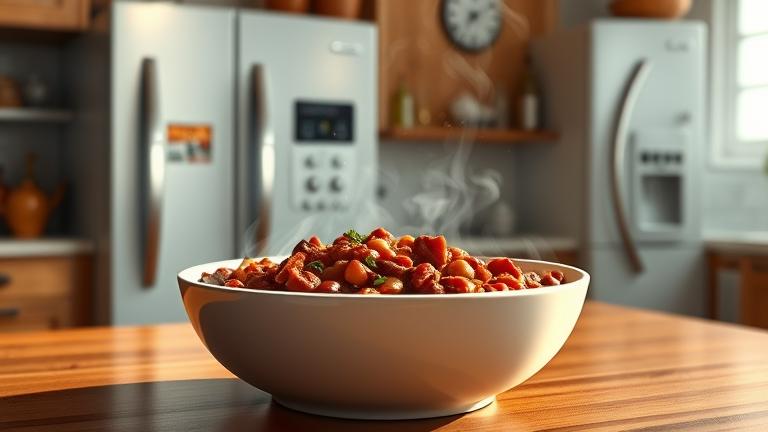
Safe Time Limits for Chili Out
Chili is a favorite comfort food for many, but it’s important to handle it safely to prevent foodborne illnesses. One key aspect is knowing how long the chili can stay out at room temperature before it becomes risky to eat. Generally, perishable foods like chili should not be left out for too long.
According to food safety guidelines, chili should not be left at room temperature for more than two hours. If the room temperature is quite warm, above 90°F (32°C), this time drops to just one hour. Bacteria grow quickly in the “danger zone,” which is between 40°F (4°C) and 140°F (60°C). When chili sits in this temperature range for too long, harmful bacteria can multiply rapidly.
It’s easy to forget about leftovers, especially when hosting or running around. But leaving chili out beyond two hours can increase the chance of food poisoning. This is especially important if the chili contains meat, beans, or dairy, which spoil faster. For example, beef chili or chili with cream-based ingredients are more sensitive to temperature changes.
How to Keep Chili Safe
- Always refrigerate leftover chili within two hours of cooking.
- If the chili is hot and you want to keep it warm for serving, use a slow cooker or warming tray set to a safe temperature above 140°F (60°C). This prevents bacteria growth while keeping it hot and cozy.
- When in doubt whether chili has been out too long, check the clock. If it’s been over two hours, it’s better to discard it rather than risk illness.
- If you are serving chili at a gathering, consider keeping a portion on a warming plate or chafing dish set to the proper temperature.
Reheating and Storage Tips
When stored correctly in the fridge, cooked chili can last for about three to four days. To ensure safety, reheat chili to an internal temperature of at least 165°F (74°C). Use a food thermometer to be certain, especially when reheating leftovers.
Plan ahead and divide large batches of chili into smaller, shallow containers for quicker cooling in the fridge. Also, avoid leaving chili out to cool at room temperature for long periods; quick refrigeration helps slow bacterial growth.
Common Mistakes to Avoid
- Leaving chili out on the counter for hours after cooking.
- Refrigerating it while it’s still hot, which can raise the temperature inside your fridge and affect other stored foods.
- Reheating chili multiple times, which can increase the risk of bacteria spread or food spoilage.
By following these simple guidelines, you can enjoy your chili safely and keep it delicious without worrying about health risks. Remember, when in doubt about how long chili has been out, it’s safer to toss it and make a fresh batch. Better safe than sorry!
Signs Chili Has Spoiled
Eating spoiled chili can lead to food poisoning, so it’s important to know how to spot signs of spoilage. Whether you’ve cooked chili at home or bought it from the store, paying attention to visual and smell cues helps keep you safe and healthy.
Visual Indicators of Spoiled Chili
Start by inspecting the chili carefully. Fresh chili should look vibrant and have a consistent texture. If you notice any of these signs, it’s best to toss it out:
- Mold growth: The appearance of fuzzy, green, white, or black spots on the surface is a clear sign it’s gone bad. Mold can develop on the top or throughout the chili.
- Discoloration: If the chili’s color has changed from its usual bright or deep red, or if it looks dull and grayish, it might be spoiled.
- Slimy texture: When chili feels slimy or sticky to the touch, it’s a strong indicator of bacterial activity.
- Unusual separation: If the liquid on top looks cloudy or has separated significantly, it could mean bacterial growth or spoilage.
Smell Indicators of Spoiled Chili
Smell is often the quickest way to tell if chili is no longer good. Fresh chili has a savory, slightly spicy aroma. If you detect any of these odors, it’s time to discard:
- Sour or sour milk smell: A sour scent indicates bacteria or mold growth. Don’t ignore this warning.
- Off or rotten odor: A foul, decayed smell is a strong sign that the chili has spoiled.
- Ammonia-like smell: Sometimes spoiled chili may develop a sharp, pungent smell similar to ammonia, which signals bacterial activity.
Additional Tips for Checking Chili
Always check the storage date if the chili was bought pre-made or cooked at home. Even if it looks and smells fine, if it’s been stored too long, it’s safer to throw it out. Typically, cooked chili kept in the refrigerator should be eaten within three to four days, while frozen chili can last up to three months.
When in doubt, remember the rule: when chili looks or smells off, it’s safer to discard it. Tasting is not recommended, as even a small bite of spoiled food can make you sick.
By regularly checking your chili for these signs, you can prevent illness and enjoy your meals without worry. When in doubt, it’s better to be safe than sorry, so trust your senses and store chili properly to extend its freshness.
Tips for Storing Chili Safely
Storing leftover chili properly is key to keeping it fresh, tasty, and safe to eat later. Whether you made a big batch for a family dinner or just cooked up a small serving, knowing how to store chili correctly helps prevent food waste and reduces the risk of foodborne illness.
The main goals are to cool the chili quickly, store it at the right temperature, and consume it within a safe time frame. Follow these practical tips to keep your chili safe and delicious for future meals.
Cooling Chili Fast
After cooking, it’s best to cool chili promptly. Leaving it out at room temperature for too long can invite bacteria growth. Once you’ve finished cooking, avoid leaving chili on the stove for more than two hours. Instead, transfer the chili to shallow containers. Shallow containers help the chili cool evenly and faster.
If you’re in a hurry, you can use an ice bath place the container of chili in a larger basin filled with ice and stir occasionally. This reduces cooling time and keeps the chili safe to refrigerate sooner.
Storing Chili in the Refrigerator
Refrigerate chili in airtight containers or cover the pot tightly with plastic wrap or a lid. Keeping chili airtight prevents it from absorbing other odors in the fridge and keeps dryness out. Make sure your refrigerator is set to 40°F (4°C) or lower, which is the safe temperature to slow bacteria growth.
Label the container with the date you stored the chili. This helps you keep track of how long it has been in the fridge. Generally, chili stays good for 3 to 4 days when stored properly.
Freezing Leftover Chili
If you won’t finish the chili within a few days, freezing is a smart option. Use freezer-safe containers or resealable freezer bags. Leave some space at the top of the container because chili expands when it freezes. For better organization, label the package with the date.
Chili can be stored in the freezer for up to 3 months without losing much flavor or texture. When you’re ready to eat it, thaw in the fridge overnight or use the defrost setting on your microwave. Reheat thoroughly until steaming hot before serving.
Safety Tips and Common Mistakes
- Don’t leave chili out at room temperature for more than two hours. Bacteria grow rapidly at room temperature.
- Always reheat chili to at least 165°F (74°C) to kill bacteria before eating.
- Avoid refreezing chili that has already been thawed unless you reheat it thoroughly first.
- Never store chili in unwashed containers or those previously used for raw meat, as this can cause cross-contamination.
By following these simple tips, you can enjoy your leftover chili safely and preserve its flavor longer. Proper storage not only prevents food waste but also keeps your meals healthy and delicious for days to come.
Best Ways to Reheat Chili
Reheating chili can be simple and quick, but it’s important to do it the right way to keep it safe and tasty. Whether you have leftovers or meal-prepped chili, knowing the best reheating methods helps preserve its flavor and texture.
First, always check that chili is stored properly in an airtight container in the refrigerator. It’s best to reheat chili within three to four days of cooking to ensure safety. If chili has been frozen, allow it to thaw in the fridge overnight before reheating.
Stovetop Method
The stovetop is one of the easiest ways to reheat chili without sacrificing flavor. It allows you to control the heat and stir the chili for even warming.
- Pour the chili into a saucepan or pot.
- Set the heat to medium-low to avoid burning or overcooking.
- Stir regularly to heat evenly. If the chili seems too thick, add a splash of water or broth.
- Heat for about 10-15 minutes until it reaches an internal temperature of at least 165°F (74°C). Use a food thermometer for accuracy.
Microwave Method
The microwave is quick and convenient, especially when you’re in a hurry. Just be sure to stir the chili halfway through to prevent hot spots.
- Transfer the chili to a microwave-safe bowl or container.
- Cover with a microwave-safe lid or plate to prevent splatters.
- Heat on high for 1-2 minutes, then stir thoroughly.
- Continue heating in 30-second intervals until steaming hot. Confirm the temperature with a thermometer.
Oven Method
Reheating chili in the oven is less common but effective if you’re reheating large portions or want to reheat evenly without stirring.
- Preheat your oven to 350°F (175°C).
- Place the chili in an oven-safe dish and cover with foil.
- Heat for about 20-30 minutes, stirring halfway through.
- Ensure it’s warmed all the way through and reaches at least 165°F (74°C).
Tips for Safe and Tasty Reheating
- Always reheat chili to at least 165°F (74°C) to kill any bacteria.
- Do not reheat chili more than once to avoid food safety risks and flavor degradation.
- If chili is thick after reheating, stir in a bit of broth or water to restore its consistency.
- Use a food thermometer to verify the chili’s temperature before eating.
- Store leftovers properly in airtight containers and refrigerate promptly within two hours of cooking.
Reheating chili correctly helps maintain its flavors and keeps it safe to enjoy. Using the stovetop or microwave methods works well for most situations, while the oven is great for larger batches. With these tips, your chili will taste just as good as when it was freshly cooked!
Food Safety Tips for Leftovers
Leftover chili is a delicious meal you can enjoy later, but it’s important to handle and store it properly to keep it safe to eat. Improper storage or mishandling can lead to foodborne illnesses, so following some simple tips can make all the difference.
Start by cooling your chili quickly after cooking. The longer hot food stays in the danger zone, which is between 40°F and 140°F, the higher the chance of bacteria growth. To speed up cooling, divide large amounts into smaller, shallow containers. This helps the heat escape faster and cools the chili more evenly.
Always store chili in airtight containers or cover it tightly with plastic wrap or aluminum foil. Keeping it sealed prevents contamination from other foods in the fridge and minimizes moisture loss. Label the container with the date so you keep track of how long it has been stored.
Storing and Reheating Tips
- Chili leftovers should be refrigerated within two hours of cooking. If you leave it out longer, bacteria can start to grow rapidly.
- Use a thermometer to make sure your fridge stays at 40°F (4°C) or below. This temperature helps slow down bacteria growth.
- Leftover chili can be stored safely for up to 3 to 4 days. After that, the risk of spoilage increases.
- When reheating, make sure to heat the chili to at least 165°F (74°C). Use a food thermometer to check. Proper reheating kills most bacteria that might have grown during storage.
- Stir the chili during reheating to ensure even heat distribution. This prevents cold spots where bacteria might survive.
Tips to Avoid Common Food Safety Mistakes
- Avoid leaving chili at room temperature for more than two hours. If your kitchen is very warm, keep the time under one hour.
- Never reheat chili more than once. Repeated reheating can promote bacterial growth and affect flavor and texture.
- Be cautious of signs of spoilage, such as sour smell, slimy texture, or discoloration. If in doubt, it’s safer to toss it.
- Plan ahead to make portion-sized amounts for easy reheating. This way, you only reheat what you plan to eat, reducing waste and risk.
How to Reheat Leftover Chili Safely
Reheat chili on the stovetop over medium heat, stirring occasionally. You can also use a microwave, stirring halfway through to ensure even heating. Always check the temperature before eating to confirm it reached 165°F (74°C).
Remember, proper handling of leftovers helps prevent food poisoning and keeps your chili fresh and tasty for days to come. Enjoy your meal safely, and don’t forget to clean your containers and utensils after each use!