
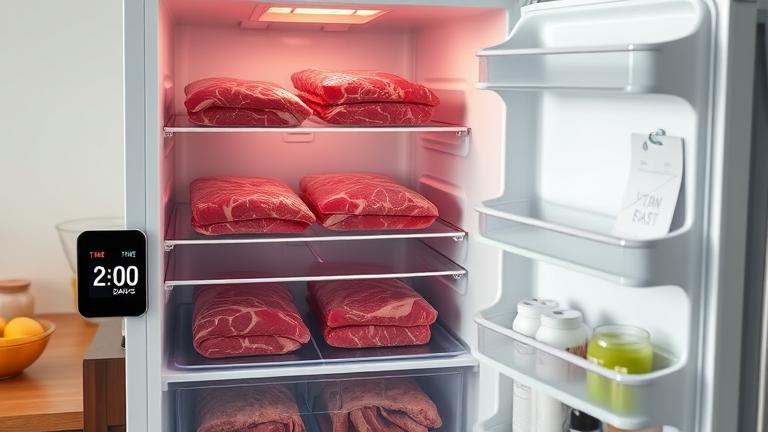
Safe Storage Tips for Raw Meat
Storing raw meat safely in the fridge is an important step to prevent contamination and keep your food fresh. Proper storage helps protect you and your family from foodborne illnesses while ensuring your meat stays tasty and safe to cook.
When you bring raw meat home, always think about how to store it properly. The key is to keep it at the right temperature, in the right packaging, and in a designated spot in your fridge. Let’s go through some simple, practical tips to help you store raw meat safely.
Choose the Right Packaging
- Keep raw meat in its original packaging if it’s sealed tightly. If the packaging is damaged, transfer the meat to a clean, airtight container or wrap it tightly with plastic wrap or aluminum foil.
- Use leak-proof containers or resealable plastic bags to prevent drips from contaminating other foods. This is especially important for raw chicken or ground meat, which can stain and contaminate other items easily.
- For longer storage, consider placing the packaged meat on a plate or in a shallow dish to catch any leaks. This extra step adds a layer of protection.
Placement in the Fridge
- Store raw meat on the bottom shelf of your fridge. This keeps any juices from dripping onto other foods like vegetables or cooked items, reducing the risk of cross-contamination.
- If your fridge has a dedicated meat drawer, use it. These drawers are designed to maintain a slightly lower temperature ideal for storing raw meat safely.
- Avoid placing raw meat on the door shelves. The temperature there fluctuates more because of frequent opening and closing, which can make the meat unsafe.
Temperature and Timing
Make sure your refrigerator stays at 40°F (4°C) or below. Use a fridge thermometer if needed to check the temperature regularly.
Plan to cook or freeze raw meat within 1 to 2 days for poultry and ground meats. Red meats like beef or pork can last a little longer, up to 3 to 5 days. If you don’t plan to use the meat within that time, freeze it promptly.
Additional Tips for Safe Storage
- Label packages with the date you stored the meat so you know how long it’s been in the fridge.
- Never wash raw meat before storing; washing can spread bacteria around your kitchen. Cooking it properly is enough to kill harmful germs.
- Clean your fridge regularly and wipe shelves with a mild disinfectant to keep it hygienic.
- Keep raw meat separate from ready-to-eat foods, like salads or fruits, to avoid cross-contamination.
Common Mistakes to Avoid
- Leaving raw meat out at room temperature for too long. Always refrigerate promptly after shopping.
- Overpacking your fridge. Proper airflow helps keep the temperature consistent.
- Using damaged or unsealed packaging that might leak or expose the meat to contaminants.
By following these simple storage tips, you’ll help keep your raw meat fresh, safe, and ready to cook. Remember, a little extra care in storage can make a big difference in your kitchen safety!
Optimal Fridge Temperatures Explained
Keeping your fridge at the right temperature is essential for storing raw meat safely and preventing bacteria from growing. The ideal fridge temperature for fresh meat, and most perishable foods, is between 35°F and 40°F (1.7°C to 4.4°C). Staying within this range helps slow down bacterial growth without freezing your food.
If the fridge gets too warm, bacteria can multiply quickly, which increases the risk of foodborne illnesses. On the other hand, setting it too cold can lead to freezing some foods, which can affect their texture and flavor.
Understanding and maintaining the proper temperature is a simple but important step to keep your food safe and delicious.
Why Temperature Matters for Raw Meat
Raw meat, such as chicken, beef, and pork, is especially vulnerable to bacteria like Salmonella and E. coli. These bacteria thrive at temperatures above 40°F (4.4°C). When raw meat is stored at the correct temperature, bacterial growth slows down or stops, helping to keep the meat fresher longer.
Beyond safety, proper temperature control also preserves the quality of your meat. If meat is stored too warm, it can spoil more quickly, develop unpleasant odors, and lose its texture. Conversely, freezing meat at 0°F (-18°C) can preserve it for months but is not suitable for everyday storage.
How to Set and Check Your Fridge Temperature
- Use a reliable, instant-read thermometer to check your fridge’s temperature. Place it in a glass of water in the coldest part of your fridge for about 5 minutes to get an accurate reading.
- Adjust your fridge thermostat so the internal temperature stays between 35°F and 40°F (1.7°C and 4.4°C). Most fridges have a temperature dial, but if yours doesn’t or if you want more precision, consider buying an independent refrigerator thermometer.
- Place the thermometer in different spots inside the fridge, especially in the back or near the door, to ensure consistent cooling throughout.
Tips for Maintaining the Right Temperature
- Keep the fridge door closed as much as possible to prevent temperature fluctuations.
- Check the temperature regularly, especially during hot weather or if you notice strange odors or spoilage.
- Don’t overload the fridge. Good air circulation is necessary to keep even temperatures.
- Clean the condenser coils a few times a year to ensure the fridge runs efficiently.
Common Mistakes to Avoid
- Setting the thermostat too high to save energy, which can make the fridge warmer than the safe range.
- Leaving raw meat at room temperature for too long before refrigerating.
- Ignoring temperature checks or assuming the fridge is always at the correct setting.
Maintaining the proper fridge temperature may seem simple, but it is a key step in safe food handling. Just a few minutes of checking can make a big difference in keeping your raw meat fresh, tasty, and safe to eat. Remember, a well-regulated fridge helps prevent spoilage and keeps bacteria at bay, protecting your health and your food budget.
How Long Does Raw Meat Last?
Knowing how long raw meat stays good in the fridge is key to keeping your food safe and tasty. Fresh raw meat, whether it’s chicken, beef, pork, or other types, can spoil quickly if not stored properly. To prevent foodborne illness and wasting food, it’s important to understand the recommended storage times.
In general, raw meat should be kept in the refrigerator at or below 40°F (4°C) and used within a specific time frame. This helps preserve its quality and reduces the risk of bacteria growth. Let’s explore how long different types of raw meat typically last in the fridge.
Storage Times for Different Meats
| Type of Meat | Maximum Storage Time in Refrigerator | Notes |
|---|---|---|
| Raw Chicken and Poultry | 1 to 2 days | Fresh chicken, turkey, and other poultry should be cooked or frozen soon after bringing home. |
| Raw Beef, Veal, Lamb, and Steak | 3 to 5 days | Smaller cuts like steaks and chops last longer than ground meat. |
| Ground Meat (Beef, Turkey, or Pork) | 1 to 2 days | Ground meats are more prone to bacteria growth, so use quickly. |
| Raw Pork | 3 to 5 days | Pork chops, roasts, and ribs stay fresh for a few days if kept cold. |
| Raw Seafood (Fish, Shellfish) | 1 to 2 days | Seafood spoils faster, so plan to cook or freeze soon after purchase. |
Tips for Storage and Safety
- Always store raw meat in the coldest part of your refrigerator, usually the bottom shelf at the back.
- Use a leak-proof container or wrap meat tightly to prevent juices from contaminating other foods.
- If you don’t plan to cook the meat within the recommended time, freeze it to extend shelf life.
- Label packaged meat with the date of purchase so you know how long it’s been stored.
- When in doubt, check for signs of spoilage like a sour smell, slimy texture, or discoloration. If it looks or smells off, it’s best to discard.
What Happens if Raw Meat is Left Too Long?
Leaving raw meat in the fridge beyond the safe time frame can lead to bacterial growth, such as Salmonella or E. coli. These bacteria can cause food poisoning, which might result in stomach cramps, diarrhea, or more serious health issues.
While some bacteria can be killed during cooking, toxins they produce might remain harmful. That’s why following storage times is so important. When meat is past its prime, it’s safer to throw it out than risk illness.
Remember, always prioritize food safety. When storing raw meat, aim to use or freeze it within the recommended days for best results and peace of mind.
Recognizing Signs of Spoilage
Knowing how to tell if raw meat has gone bad is an important skill for safe cooking. Spoiled meat can look, smell, or feel different from fresh meat. Being able to spot these signs helps protect you and your family from foodborne illnesses.
Start by examining the appearance of the meat. Fresh raw meat usually has a bright, rich color that is typical for its type. For example, beef is deep red, chicken is pinkish, and pork is pink to light brown. If the meat looks dull, grayish, or brown outside the usual color, it might be spoiling. Also, watch for any slimy or sticky residue on the surface, which often indicates bacterial growth.
Next, smell the meat carefully. Fresh meat generally has a mild, metallic, or meaty scent. If it has a sour, sourish, or rotten odor, it’s a strong sign that bacteria have started to break down the meat. Trust your nose—if it smells off or unusually unpleasant, it’s best not to use it.
The texture of raw meat is another useful indicator. When you gently press the meat, it should feel firm but not hard. If it’s excessively slimy, sticky, or slimy, it’s a sign that bacteria and enzymes are active. Sometimes, the meat might also feel spongy or mushy, especially on the edges, indicating spoilage.
Aside from appearance, smell, and texture, check the packaging if it’s store-bought. Be alert for any tears, leaks, or excessive liquid in the package. Discoloration or a foul odor from the package itself can also indicate spoiled meat.
Remember, always trust multiple signs rather than just one. For example, if the meat looks fine but smells sour, it’s best to discard it. Similarly, sliminess along with discoloration is a clear warning.
Handling raw meat safely is crucial, so when in doubt, it’s safer to throw it out rather than risk food poisoning. Proper storage also helps extend its freshness. Keep raw meat refrigerated at or below 40°F (4°C) and consume it within the recommended time frames—usually within one to two days for poultry and up to five days for other meats. If you won’t use the meat quickly, freezing it can help preserve its quality for longer.
- Always wash your hands thoroughly after touching raw meat.
- Use separate cutting boards for meat and other foods to prevent cross-contamination.
- Check expiration dates on store-bought meat packages before buying or using.
By paying close attention to these appearance, smell, and texture indicators, you can confidently tell if raw meat is still safe to cook and eat. When in doubt, play it safe and dispose of questionable meat to keep your kitchen safe and healthy.
Differences in Raw and Cooked Meat Handling
Handling meat properly is essential to keep your kitchen safe and avoid foodborne illnesses. Raw meat and cooked meat require different precautions, especially when it comes to storage, preparation, and cleaning. Understanding these differences helps prevent cross-contamination and ensures your meals are both delicious and safe.
When dealing with raw meat, always start by washing your hands thoroughly with soap and water before and after handling. Raw meat can carry bacteria like Salmonella or E. coli, which can cause serious illnesses if not managed carefully. Keep raw meat separate from other foods, especially vegetables and ready-to-eat items, to prevent bacteria transfer.
Use separate cutting boards and utensils for raw meat. For example, have one board for raw chicken and another for vegetables. After preparing raw meat, wash all utensils, cutting boards, and surfaces with hot, soapy water. This step is crucial because bacteria from raw meat can spread easily to other foods or surfaces.
In terms of storage, raw meat should be kept in the coldest part of your refrigerator, ideally below 40°F (4°C). Store it in a leak-proof container or sealed plastic bag to prevent drips onto other foods. If you plan to cook the meat within a day or two, refrigeration is fine. Otherwise, freeze it to extend its freshness. Uncooked meats typically last 1 to 2 days in the refrigerator, depending on the type; always check your local guidelines.
Cooked meat, on the other hand, has different handling rules. Once cooked, it should be stored promptly to keep it safe. Place leftovers in shallow, airtight containers and refrigerate within two hours of cooking. This quick cooling helps prevent bacteria from multiplying. Think of this as “cooling safety” — don’t leave cooked meat out at room temperature for more than two hours.
When reheating cooked meat, make sure it reaches an internal temperature of at least 165°F (74°C). Use a food thermometer, and avoid reheating multiple times, as each cycle increases the risk of bacterial growth. Leftovers are best enjoyed within 3 to 4 days for optimal safety and quality.
Cleaning is also different for raw versus cooked meat. Raw meat surfaces need more thorough cleaning to eliminate bacteria. Use hot water and soap, or a disinfectant suitable for kitchen surfaces. After cleaning raw meat areas, sanitize with a solution of one tablespoon of bleach in a gallon of water if needed.
Cooked meat surfaces are less risky, but always keep your kitchen clean to prevent cross-contamination. Wash your hands before and after handling leftovers, and regularly clean your refrigerator shelves and containers.
In summary, some key tips include: always separate raw and cooked meat, use different utensils, refrigerate promptly, and clean thoroughly. Following these practices reduces bacteria spread and keeps your meals safe to enjoy. Remember, good handling habits make all the difference between a safe, healthy meal and a health risk.
Tips to Prolong Freshness in the Fridge
Keeping raw meat fresh in your refrigerator is essential for both safety and flavor. Proper storage can help prevent spoilage, reduce waste, and ensure your meat stays juicy and tender until you’re ready to cook. Here are some friendly, practical tips to help extend the shelf life of raw meat in your fridge.
1. Store Meat Properly
Always keep raw meat in the coldest part of your refrigerator, which is usually near the back or on a lower shelf. Use an airtight container or a sealable plastic bag to prevent any juices from leaking and contaminating other foods. If your meat came in its original packaging and you don’t plan to cook it within the next day or two, consider rewrapping it tightly with plastic wrap or foil for added protection.
2. Maintain the Correct Temperature
Keeping your fridge at or below 40°F (4°C) is crucial for slowing down bacterial growth. Invest in a fridge thermometer to monitor the temperature regularly. When meat is stored at the right temperature, it can last longer without sacrificing quality or safety.
3. Use the ‘First In, First Out’ Rule
Arrange your meat items so that the older packages are used first. Place newer packages behind or below older ones. This simple system helps prevent spoilage by ensuring you use the meat before it starts to turn.
4. Don’t Overload the Fridge
Allow proper air circulation around the meat to prevent hot spots inside your fridge. Overloading can make it harder for your appliance to stay cool evenly, which may speed up spoilage.
5. Keep Meat Dry and Cool
Moisture encourages bacteria growth. Pat your meat dry with paper towels before storing to remove excess liquid. Remember, moisture and warmth are the perfect conditions for bacteria, so keep the meat chilled and dry for maximum freshness.
6. Consider Freezing for Longer Storage
If you won’t use the meat within a few days, freezing is a great option. Wrap the meat tightly in plastic wrap, aluminum foil, or freezer paper, and place it in a sealed bag. Properly frozen meat can last several months and retain good quality if stored at 0°F (-18°C) or lower.
7. Avoid Cross-Contamination
Keep raw meat separated from cooked foods, vegetables, and other ready-to-eat items. Use separate cutting boards and utensils to prevent bacteria from spreading. Always wash your hands thoroughly after handling raw meat.
- Check meat regularly for signs of spoilage, such as a sour smell or slimy texture.
- Label packages with the date you bought or stored them to keep track of freshness.
- Plan your meals so that meat is used while still fresh, reducing waste and ensuring safety.
By following these simple tips, you can enjoy fresh, high-quality meat for longer in your fridge. Proper storage, temperature control, and regular checks are your best allies in keeping raw meat safe and tasty until cooking time.
Common Mistakes and Food Safety Guidelines
Storing raw meat properly is crucial for keeping your kitchen safe and preventing foodborne illnesses. Many home cooks unknowingly make mistakes that can lead to dangerous bacteria growth or cross-contamination. By understanding common errors and following basic food safety rules, you can enjoy delicious meals without worries.
One of the biggest mistakes is storing raw meat at the wrong temperature. Raw meat should be kept in the coldest part of your refrigerator, usually on the bottom shelf. This prevents juices from dripping onto other foods. The refrigerator temperature should be below 40°F (4°C). Use a thermometer to check and ensure it’s set correctly.
Another common error is leaving raw meat out at room temperature for too long. If you plan to marinate or prepare your meat, do so in the refrigerator, not on the counter. Bacteria can grow rapidly between 40°F and 140°F (4°C–60°C). Never leave raw meat unrefrigerated for more than two hours, and only one hour if it’s hot outside.
Proper packaging is also essential. Wrap raw meat tightly in plastic wrap or aluminum foil, or store it in sealed containers. This keeps juices contained and avoids contact with other foods. If you buy meat in bulk and don’t plan to cook it all at once, portion it into smaller servings and freeze what you won’t use immediately. Label the packages with the date so you can track how long they’ve been stored.
Food Safety Guidelines to Follow
- Always wash your hands with soap and water before and after handling raw meat. This reduces the risk of transferring bacteria.
- Use separate cutting boards for raw meat and other foods like vegetables or bread. Cross-contamination is a common way bacteria spread.
- Cook meat to the proper internal temperature to kill harmful bacteria. For example, ground beef should be cooked to 160°F (71°C), while poultry requires 165°F (74°C).
- Use a food thermometer to check if your meat has reached the safe temperature. Relying on color alone is not reliable.
- Refrigerate leftovers promptly. Do not leave cooked meat out for more than two hours. Store leftovers in airtight containers and consume within 3-4 days.
- When in doubt, throw it out. If raw or cooked meat develops an off smell, slimy texture, or change in color, discard it to avoid the risk of food poisoning.
Common Mistakes to Watch Out For
- Re-freezing thawed meat: Only re-freeze meat that has been thawed in the refrigerator, and never thaw meat at room temperature.
- Ignoring expiration dates: Always check sell-by or use-by dates and avoid using old meat to ensure freshness and safety.
- Using the same utensils for raw and cooked meat without washing: Always clean tools thoroughly to prevent cross-contamination.
- Relying solely on visual cues to test doneness: Use a thermometer instead of just assessing color or texture.
By avoiding these common errors and sticking to food safety guidelines, you can enjoy your favorite raw meat dishes confidently. Remember, proper storage, handling, and cooking are your best friends for a healthy and safe kitchen.