
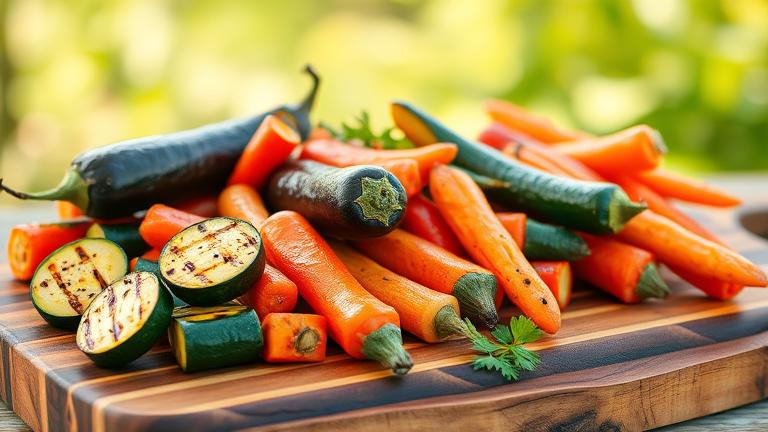
Introduction to Grilled Vegetables Shelf Life
Grilled vegetables are a delicious and healthy addition to many meals. Once cooked, it’s helpful to know how long they can stay fresh and safe to eat. Understanding their shelf life helps you enjoy leftovers without worry or unnecessary waste. Proper storage is key to maintaining their flavor, texture, and safety.
Typically, grilled vegetables last about three to five days when stored properly in the refrigerator. However, several factors can influence how long they stay good. These include the type of vegetables, how they were cooked, and the storage method used. For example, more watery vegetables like zucchini might spoil faster than heartier veggies like bell peppers or carrots.
It’s important to handle grilled vegetables with care from the start. Cooling them quickly after grilling, using airtight containers, and keeping your refrigerator at the right temperature all help extend their freshness. If vegetables sit out at room temperature for too long, bacteria can grow quickly, increasing the risk of spoilage or foodborne illness.
Knowing how to identify spoiled grilled vegetables is also helpful. Look for signs such as a sour or rotten smell, a slimy texture, or noticeable mold. If any of these appear, it’s safest to toss the leftovers. Also, if the vegetables develop an off-color or strange appearance, it’s best to play it safe and discard them.
To make the most of your grilled vegetables, try storing them in shallow, airtight containers. This helps them cool evenly and prevents odors from affecting other foods. Reheat only what you plan to eat and do so thoroughly to avoid any food safety issues. When in doubt, use your senses—trust your nose and eyes to tell if your leftovers are still good.
By following these simple guidelines, you can enjoy your grilled vegetables safely even after a few days. Proper storage, quick cooling, and awareness of spoilage signs will help keep your leftovers tasty and safe. Remember, when it comes to leftovers, better safe than sorry!
How to Store Grilled Vegetables Properly
After grilling your vegetables, it’s important to store them properly to keep their flavor and freshness. Good storage techniques help prevent spoilage and ensure your grilled veggies taste great later. Whether you’re saving leftovers for a quick snack or meal prep, following simple steps will make a big difference.
Select the Right Container
The first step to proper storage is choosing the right container. Use airtight containers or resealable plastic bags to keep out air and moisture. This helps prevent the vegetables from drying out or absorbing other odors from the fridge. If using a plastic container, make sure it’s clean and food-safe.
Glass containers with tight-fitting lids are a good choice too, especially if you want to avoid plastic. For smaller portions, reusable silicone bags can work well. Avoid leaving grilled vegetables in open bowls or uncovered trays, as this exposes them to bacteria and contaminants.
Control the Right Temperature
Keep your grilled vegetables in the refrigerator at or below 40°F (4°C). This temperature slows bacterial growth and preserves their quality. After grilling, let the vegetables cool down at room temperature for no more than two hours. Putting hot vegetables directly into the fridge can raise its temperature, risking spoilage.
If you’re in a hurry, spread the vegetables out on a baking sheet to cool faster. Once cooled, promptly transfer them into your chosen container. For longer storage, freezing is an option, but keep in mind that freezing can change the texture of some vegetables.
Follow Storage Duration Guidelines
Most grilled vegetables stay fresh in the fridge for about 3 to 4 days. To maximize their shelf life, label containers with the date so you know when to eat them. If you won’t have time to eat them within that window, consider freezing them.
When freezing, place the vegetables in a sealed, freezer-safe container or bag. They can last up to 3 months in the freezer. Remember to label with the date so you can use them before they lose quality. Reheat leftovers thoroughly before eating, either in the microwave or oven, for safety and best taste.
Additional Tips for Freshness
- Store grilled vegetables in a single layer if possible to help them cool evenly and prevent crushing.
- If storing mixed vegetables, try to keep similar textures together to prevent over-softening.
- For best flavor, consume the vegetables within the recommended time, and always check for signs of spoilage like off odors or slimy textures before eating.
Signs of Spoilage to Watch For
When it comes to grilled vegetables, knowing how to spot spoilage is key to safe eating. Although they might look tasty after grilling, vegetables can still go bad over time. Familiarizing yourself with the visual, smell, and texture clues will help you avoid eating spoiled food and prevent foodborne illnesses.
Visual Indicators of Spoilage
The first thing to check is how the grilled vegetables look. Freshly grilled vegetables should have vibrant colors and an appetizing appearance. If they start to turn dull or develop any unusual colors, it could be a warning sign. Look out for spots of mold — usually fuzzy and green, white, or black in color. Mold is a sure indicator that the vegetables are no longer safe to eat.
Additionally, slimy or sticky surfaces are signs of bacterial growth and spoilage. If you notice any excessive moisture or a sticky feel on the surface, it’s best to discard the vegetables. Also, watch for discoloration or dark spots that weren’t part of the initial char or grill marks. These can indicate spoilage or rot.
Smell Clues to Spoiled Vegetables
Giving your grilled vegetables a sniff is one of the quickest ways to detect spoilage. Fresh grilled vegetables usually have a pleasant, smoky aroma, sometimes with a hint of herbs or seasoning. If your vegetables emit a sour, rancid, or off-putting smell, it’s a clear sign they’ve gone bad.
Don’t ignore a strange or strong odor that wasn’t there when freshly cooked. It’s better to be cautious than to risk food poisoning. Trust your nose — if something smells wrong, it’s safest to toss the vegetables.
Texture Changes and How They Indicate Spoilage
Feel the texture of your grilled vegetables. When they are fresh and properly stored, they should be firm but tender. If they become overly soft, mushy, or slimy, these are signs they are past their prime.
Sometimes, the texture can be a bit tricky. For example, a slimy surface can occur from bacterial activity, and it’s not worth risking. Also, if the vegetables are dried out or shriveled, they may just be old, but if combined with other signs, they might be spoiled.
Additional Tips for Safe Storage
- Store leftover grilled vegetables in airtight containers in the refrigerator within two hours of grilling.
- Consume leftovers within 3 to 4 days to ensure freshness and safety.
- When in doubt about any sign of spoilage, it’s best to throw the vegetables away.
Remember, it’s always better to prevent foodborne illnesses than deal with the consequences. By staying attentive to the signs of spoilage, you’ll keep your meals safe and enjoyable.
Tips to Keep Vegetables Fresh Longer
Fresh vegetables are the key to delicious and colorful grilled dishes. If you want to enjoy your vegetables at their best, proper storage and handling are essential. Small changes in how you store vegetables can make a big difference in how long they stay fresh and flavorful.
Start by understanding the best way to store different types of vegetables. Some like it cold and damp, while others prefer a cooler, dry place. Knowing these preferences helps prevent spoilage and waste.
Use the Right Storage Materials
- Plastic bags: Use perforated plastic bags to store leafy greens like lettuce or spinach. The holes allow air circulation, preventing excess moisture which can rot the leaves.
- Ventilated containers: For carrots, bell peppers, and cucumbers, use breathable containers or baskets. This keeps moisture levels balanced and keeps produce crisp.
- Paper towels: Wrap delicate vegetables like mushrooms or zucchini in a dry paper towel before placing them in a container. The paper absorbs excess moisture, reducing the chance of mold.
Proper Temperature and Environment
Most vegetables do best in the refrigerator, ideally in the crisper drawer. This area maintains a consistent cool temperature and high humidity. Keep your fridge at around 35-40°F (1.5-4°C) for optimal freshness.
Avoid storing vegetables near fruits like apples or bananas, which emit ethylene gas. This gas can cause vegetables to ripen too quickly and spoil faster.
Handle Vegetables Carefully
Always wash vegetables before storing only if you’re ready to use them. Excess moisture from washing can promote mold growth. If you do wash, dry them thoroughly with a clean towel or salad spinner before storing.
Remove any damaged or rotting parts immediately. These can spread spoilage to healthy parts, reducing how long your vegetables stay fresh.
Additional Tips and Common Mistakes to Avoid
- Don’t store vegetables in regular plastic wrap: It traps moisture and can cause rot. Use breathable covers instead.
- Keep vegetables away from heat: Store them in a cool part of your kitchen if not refrigerated, but avoid sunlight and heat sources.
- Use produce within recommended time: Most vegetables stay fresh for a few days to a week. Refer to storage times to enjoy them at their best.
By following these simple tips, you can extend the freshness of your vegetables and enjoy vibrant, tasty produce for longer. Proper handling not only improves taste but also helps reduce waste and saves money over time. Keep your vegetables in the best condition for your next delicious grilled meal!
Common Mistakes in Storage
Storing grilled vegetables might seem simple, but there are some common mistakes that can spoil the flavor and texture. Knowing what to watch out for helps keep your leftovers fresh and tasty for longer. Here are the most frequent errors and how to avoid them.
The first mistake is not sealing the vegetables properly. When grilled vegetables are left exposed to air, they can dry out or absorb odors from other foods in your fridge. To prevent this, always store leftovers in airtight containers or wrap them tightly with plastic wrap or foil. This keeps moisture in and odors out, ensuring your veggies stay fresh and flavorful.
Next, temperature mishandling is a common issue. If grilled vegetables are stored at too high a temperature, bacteria can grow quickly and cause spoilage or foodborne illness. The ideal refrigerator temperature is below 40°F (4°C). Use a fridge thermometer to double-check and avoid leaving food out at room temperature for more than two hours.
Another mistake is storing grilled vegetables for too long. While they can last a few days, their quality diminishes over time. Usually, cooked vegetables are best eaten within three to four days. After that, they may become soggy, lose flavor, or develop bacteria risk. If you won’t eat leftovers within this window, consider freezing them for longer storage.
Some people forget to label their leftovers. Without a date, it’s easy to forget how long the food has been sitting in the fridge. Always label your containers with the date you stored the grilled vegetables. This helps you keep track and consume them before they spoil.
Additionally, improper storage containers can cause problems. Cheap or inappropriate containers might leak or not provide enough protection. Invest in good quality, sealable containers made for the fridge. Glass or BPA-free plastic containers are great options because they don’t stain or hold on to odors.
Lastly, avoid storing grilled vegetables near raw meats or seafood. Raw products contain bacteria that can contaminate cooked vegetables if they come into contact. Keep cooked vegetables on a different shelf or in separate containers to prevent cross-contamination.
- Check your fridge’s temperature regularly.
- Use airtight, labeled containers for storage.
- Eat leftovers within 3 to 4 days.
- Freeze leftovers if you won’t eat them soon.
- Store grilled vegetables away from raw meats.
Being mindful of these common storage mistakes can help you enjoy your grilled vegetables safely and at their best quality. Proper storage not only preserves flavor but also keeps your kitchen safe and your leftovers delicious for days to come.
Best Methods for Preserving Grilled Veggies
Preserving grilled veggies properly helps you enjoy their great flavor for longer. Whether you have leftovers from a barbecue or want to prepare ahead, choosing the right method is key. Common ways to keep grilled vegetables fresh include refrigeration, freezing, and vacuum sealing. Each method has its benefits and best practices to maintain quality and safety.
Refrigeration
Refrigerating grilled veggies is the easiest way to keep them fresh for a short time. Store leftovers in airtight containers or resealable plastic bags. Be sure to let the vegetables cool down to room temperature before putting them in the refrigerator. This prevents moisture buildup, which can cause spoilage.
Most grilled vegetables last about 3 to 4 days in the fridge. Label the container with the date so you know how long they’ve been stored. For best quality, consume within this period. Keep the veggies toward the back of the fridge where it is most cold, away from the door where temperature fluctuates.
Freezing
Freezing is a great option for longer storage. For best results, first spread the grilled veggies on a baking sheet lined with parchment paper. Freeze them until solid, then transfer to a freezer-safe bag or container. Removing excess air helps prevent freezer burn.
Keep in mind that some vegetables may become softer after freezing and reheating. This is normal because the water content changes during freezing. Most grilled veggies can be stored in the freezer for up to 3 months. Write the date on the container to keep track.
When you’re ready to eat, thaw the veggies in the fridge overnight or use them directly in cooked dishes. Reheating in the microwave or oven works well, but avoid overcooking to retain their flavor and texture.
Vacuum Sealing
Vacuum sealing is an excellent way to extend the shelf life and preserve flavor. It removes air from the packaging, reducing oxidation and spoilage. To vacuum seal grilled veggies, use a vacuum sealer machine and specially designed bags.
Before sealing, make sure the veggies are cooled completely. Pack them into the bag in a single layer if possible. Seal tightly and then store either in the refrigerator for a few weeks or in the freezer for longer periods. Vacuum-sealed grilled vegetables can last in the fridge for up to 2 weeks and in the freezer for 6 months or more.
Vacuum sealing is especially helpful if you bake large batches or want to keep a variety of grilled veggies ready to toss into recipes. It also maintains the best flavor and texture, making your leftover veggies taste almost as fresh as from the grill.
Safety Tips and Extra Advice
- Always cool grilled veggies before storing to prevent bacteria growth.
- Label storage containers with date and contents for easy tracking.
- Do not refreeze vegetables that have thawed unless they have been cooked first.
- Check for signs of spoilage, such as an off smell or slimy texture, before eating leftovers.
- Use proper storage tools like airtight containers, freezer bags, or vacuum bags to keep out air and moisture.
By following these methods, you can enjoy your grilled vegetables for days or even months to come. Proper storage keeps them tasting fresh, safe, and ready to enhance any meal.
Quick Ways to Extend Freshness
Keeping grilled vegetables fresh for as long as possible can be easy with a few simple tricks. Whether you’re storing leftovers or preparing ahead, these quick tips help maintain flavors and textures with minimal effort. Fresh grilled veggies are delicious, but they can spoil quickly without proper care. Follow these practical strategies to enjoy your vegetables longer and reduce waste.
Cool Them Quickly
After grilling, it’s important to cool vegetables promptly to prevent bacterial growth. Use a clean plate or tray to spread out the hot veggies, allowing air to circulate. You can also place the grilling tray in a shallow bowl of ice water—just be sure not to get water on the food. Cooling vegetables fast helps preserve their freshness and crunch.
Store Properly in Airtight Containers
Once cooled, transfer the grilled vegetables into airtight containers or resealable bags. Removing excess air helps prevent moisture loss and slows spoilage. For best results, use containers that are just large enough for your veggies to avoid excess air. Remember to label the containers with the date so you know how long they’ve been stored.
Use the Right Fridge Temperature
Keep your refrigerator cold, ideally around 37 to 40°F (3 to 4°C). A consistent temperature prevents bacteria from growing and keeps your vegetables fresh longer. Avoid leaving containers on the fridge door, where temperature fluctuations are common, and store them on shelves toward the back for maximum coolness.
Consume Within a Few Days
Grilled vegetables generally stay fresh for about 3 to 5 days. To enjoy them at their best, plan to eat or use the veggies within this window. As the days pass, they may become soggy or lose flavor. Use your senses to check—discard if they smell off or develop a slimy texture.
Revive or Refresh Before Eating
If your grilled vegetables start to soften, you can give them new life. Try reheating them briefly in a hot skillet or oven to restore some crispness and flavor. Alternatively, toss cold grilled vegetables into salads, wraps, or pasta dishes for a fresh twist. Adding a splash of vinegar or lemon juice can brighten flavors and help preserve freshness.
Extra Tips for Longer Storage
- Wrap grilled vegetables loosely in paper towels before storing to absorb excess moisture.
- For extra freshness, store grilled vegetables with a paper towel in the container to reduce condensation.
- If you won’t eat leftovers within a few days, consider freezing them for longer storage, though texture may change after thawing.
- Avoid stacking hot or warm vegetables directly in containers; always let them cool first.
By following these quick and easy tips, you can enjoy your grilled vegetables for days after grilling. Proper cooling, storage, and timely consumption make a big difference in keeping their flavor and texture alive. With just a little care, your leftovers can taste just as good as when they were first cooked.