
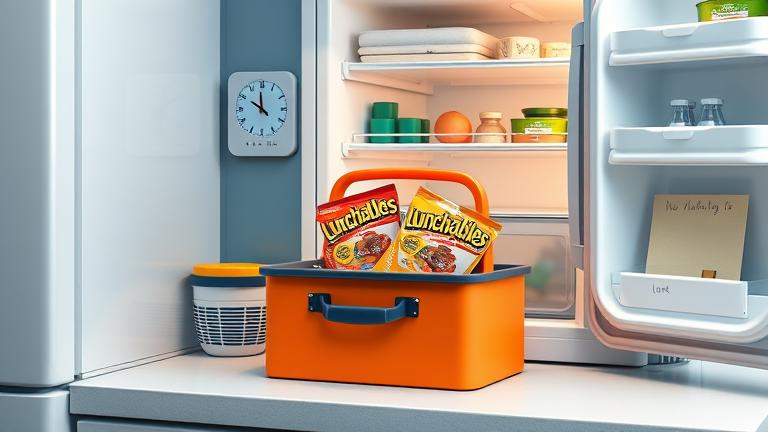
Understanding Lunchables Shelf Life
Knowing how long Lunchables last when stored properly is important for keeping your snacks fresh and safe to eat. Whether you pack them for school, work, or a quick treat at home, understanding their shelf life helps avoid waste and prevents foodborne illness.
Generally, Lunchables are intended to be enjoyed fresh. If stored correctly, most varieties can last about 3 to 4 days in the refrigerator. However, this can vary depending on the ingredients, packaging, and storage conditions. It is always best to check the expiration date printed on the package before consuming.
Factors That Affect Lunchables Freshness
- Type of ingredients: Lunchables with fresh meats, cheese, and crackers tend to spoil faster than those with shelf-stable items. Perishable components like deli meats and soft cheeses spoil more quickly if not refrigerated promptly.
- Temperature of storage: Keep Lunchables chilled at or below 40°F (4°C). Higher temperatures accelerate bacterial growth, which can cause spoilage and food safety issues.
- Packaging: Sealed, properly packaged Lunchables stay fresh longer. Once opened, they should be consumed within 1 to 2 days for safety and taste.
Best Practices for Storage
To maximize freshness and safety, store Lunchables in the coldest part of your refrigerator. Place them promptly after purchase or preparation to prevent bacterial growth.
Remember to keep them in their original packaging until ready to eat. If you need to transfer your Lunchable to a separate container, choose a sealed container to maintain freshness and prevent cross-contamination.
If you notice any signs of spoilage, such as an off smell, slimy texture, or discoloration, discard the Lunchable. Do not taste or eat it to avoid health risks.
Checklist for Safe Consumption
- Check the expiration date before opening.
- Refrigerate promptly after purchase or preparation.
- Consume within 3 to 4 days of storage for best quality.
- Look for signs of spoilage before eating.
By following these simple tips and keeping an eye on storage times, you can enjoy your Lunchables safely and at their best flavor and freshness. Remember, when in doubt, it’s always safer to discard any leftovers that seem questionable.
Proper Storage Tips for Freshness
Storing Lunchables the right way is key to keeping them fresh, safe, and delicious. Correct refrigeration helps prevent spoilage and ensures that each pack is as tasty as when you first opened it. Whether you’re packing Lunchables for a school lunch or a picnic, following simple storage tips can make a big difference.
First, always keep Lunchables refrigerated at or below 40°F (4°C). This temperature slows down bacteria growth, which helps prevent foodborne illness. If you’re not going to eat them right away, store Lunchables in the coldest part of your fridge, often the back or bottom shelf.
Once opened, it’s best to consume Lunchables within a day or two. The longer they stay in the fridge, the more their quality can decline. Always check the “use by” date printed on the package to ensure safety. If you notice any strange odors, colors, or textures, it’s safer to discard the product.
To preserve freshness, keep Lunchables in their original packaging until you’re ready to eat. If you need to pack them for later and want to prevent moisture or contamination, consider transferring them into an airtight container or resealable bag. This extra layer protects the food and keeps it fresh longer.
Here are some practical storage tips:
- Store Lunchables in the coldest part of the fridge, away from the door where temperature fluctuations are common.
- Keep dairy and meat products separate from other foods to avoid cross-contamination.
- If you’re packing Lunchables in a cooler for a picnic, use ice packs to maintain a safe temperature during transit.
- Never freeze Lunchables that are meant to be refrigerated only. Freezing can change their texture and affect taste.
It’s also a good idea to double-check the packaging before purchasing. Look for products with intact seals and no signs of damage. Proper storage from purchase to consumption helps to maintain the quality, flavor, and safety of Lunchables.
Remember, good storage practices not only extend the shelf life but also ensure that every bite is fresh and safe. By following these simple tips, you can enjoy your Lunchables at their best, every time.
Best Practices for Refrigeration
Keeping Lunchables fresh and tasty relies on proper refrigeration. Setting the right temperature and choosing the right containers can make a big difference in maintaining their quality and safety. Whether you pack Lunchables for school, work, or picnics, following these best practices will help you enjoy them at their best.
Optimal Temperature Settings
The key to preserving Lunchables is to keep them at a safe and consistent temperature. The refrigerator should be set between 35°F and 40°F (around 1.5°C to 4.5°C). This range slows down bacterial growth and helps keep the ingredients fresh. Avoid leaving Lunchables out at room temperature for more than two hours, especially in warm weather, to prevent spoilage and foodborne illnesses.
Once you bring Lunchables home from the store, refrigerate them promptly. If you’re packing them for lunch later in the day, make sure to keep them in a cooler bag with ice packs until it’s time to eat. This extra step keeps the food within the safe temperature zone, especially when you’re on the go.
Container Choices for Keeping Lunchables Fresh
Proper storage containers also play an important role in maintaining freshness. Use airtight, leak-proof containers to keep the food secure and prevent odors from seeping in or out. Clear containers are helpful because they let you see the contents without opening them, reducing unnecessary exposure to air that can dry out or spoil food.
If you’re packing Lunchables in their original packaging, simply keep them in the original packaging until ready to eat. Otherwise, transfer the contents to a reusable container that seals tightly. When packing snacks like crackers, store them separately from moist items to avoid sogginess.
Another tip is to keep perishable items like cheese, lunch meats, and dairy products chilled until serving time. Wrap these items tightly in plastic wrap or foil if you’re not placing them directly into a container. That helps prevent cross-contamination and keeps everything fresher longer.
Extra Tips for Longer Freshness
- Pack ice packs or frozen gel packs with your Lunchables to keep them cold until mealtime.
- Consume Lunchables within the recommended time, usually within 24 hours for best quality and safety.
- Check the expiration date on store-bought Lunchables before packing them for your day out.
- Avoid opening packages multiple times, as exposing the food to warmer air speeds up spoilage.
By following these simple but important tips, you can enjoy fresh, safe, and delicious Lunchables every time. Proper refrigeration is the foundation of good food storage and a key step in meal prep fun and practicality.
Signs of Spoilage to Watch For
When it comes to Lunchables, or any pre-packaged snack, it’s important to know how to spot signs of spoilage. Eating spoiled food can make you sick, so always check carefully before enjoying your treat. Fortunately, most spoilage signs are easy to spot with a quick look, smell, and feel.
The first thing to do is examine the packaging. If you notice any swelling, leaks, or tears, it’s better to play it safe and not consume the contents. These can be signs that bacteria are growing inside, producing gases that cause the package to expand or break. Also, check the expiration date. If the date has passed, the food may no longer be safe, though visual and sensory clues are more reliable indicators.
Visual Indicators of Spoilage
- Discoloration: Fresh Lunchables have vibrant colors, like bright cheese, fresh-looking deli meats, and crisp crackers. If you see colors dull, brown, or greenish spots, it’s a red flag. Deli meats turning gray or slimy-looking cheeses are signs they’ve gone bad.
- Mold: Any fuzzy or hairy patches of mold on cheese, meat, or crackers mean the food is spoiled. Mold can appear in different colors, including green, white, or black.
- Unusual Sliminess: If the meat or cheese feels slimy or sticky beyond what’s normal, that’s a clear sign of spoilage. While some processed foods may have a slight surface moisture, excessive slime indicates bacterial growth.
- Rusty or dirty packaging: Sometimes, packaging can get dirty or corroded, which might transfer bacteria. Always avoid eating from damaged or dirty packaging.
Smell as an Indicator
Trust your nose. If the Lunchable emits a sour, rancid, or off-putting smell, it’s best to discard it. Fresh deli meats and cheeses should smell, well, fresh and neutral with a hint of their usual aroma. An unusual or strong chemical-like odor also signals spoilage.
Keep in mind that some bacteria can produce smells before food looks or feels spoiled. So, if something smells strange, even if it visually looks alright, it’s safer not to eat it.
Texture Clues
Touch can tell you a lot about the freshness of your Lunchables. If the meat feels slimy, sticky, or overly soggy, it’s time to toss it. Cheeses should feel firm but slightly soft; if it crumbles easily or feels slimy, it might be spoiled.
Crackers or bread should be dry and crisp. If they are soft, damp, or moldy, they are no longer good to eat. Always avoid eating any foods that feel sticky, slimy, or gooey, as these are often signs of bacterial growth or mold.
Practical Tips to Keep in Mind
- Always store Lunchables in the refrigerator and consume them by the use-by date.
- If in doubt, use your senses look, smell, and touch to decide if it’s safe.
- When unsure, it’s better to throw it out than risk food poisoning.
By paying careful attention to these visual, smell, and texture indicators, you can enjoy your Lunchables safely and avoid eating spoiled food. Remember, when in doubt, discard the product to stay safe and healthy.
Temperature’s Effect on Longevity
How long Lunchables stay fresh and safe to eat really depends on the temperature at which they are stored. Temperature plays a key role in slowing down or speeding up bacterial growth. Keeping your Lunchables at the proper temperature helps ensure they remain tasty and safe to enjoy.
In general, the ideal temperature for storing perishable foods like Lunchables is at or below 40°F (4°C). This cool environment inhibits bacteria growth that can lead to spoilage or foodborne illnesses. When Lunchables are kept above this temperature, bacteria can multiply quickly, making the food unsafe to eat.
On the other hand, storing Lunchables at temperatures below freezing, like in a freezer, can extend their shelf life even more. However, it’s important to note that freezing can change the texture of certain ingredients, like the crackers or meat. So, if you plan to eat the Lunchable within a few days, refrigeration is usually best.
How Temperature Affects Shelf Life
| Temperature Range | Impact on Shelf Life | Estimated Storage Time |
|---|---|---|
| Below 40°F (4°C) | Slows bacterial growth, keeps food fresh | 3-5 days for most Lunchables |
| Between 40°F and 70°F (4°C – 21°C) | Allows bacteria to multiply faster, risk of spoilage | 1-2 days max |
| Above 70°F (21°C) | Rapid bacterial growth, unsafe quickly | Less than 1 day |
| Frozen (-0°F/-18°C or lower) | Extends shelf life significantly, but may affect texture | Up to 1-2 months |
Why Proper Fridge Temperature Matters
Maintaining your fridge at the right temperature is key to keeping Lunchables fresh. Many household fridges tend to be slightly warmer than necessary, often around 45°F (7°C). This warmer temp can reduce the safe storage time.
For best results, set your fridge thermostat between 35°F and 40°F (1.5°C to 4°C). Use a refrigerator thermometer to double-check. Keeping the temperature steady prevents unwanted bacteria growth and minimizes the risk of spoilage.
Tips for Safe Storage
- Place Lunchables in the coldest part of the fridge, usually at the back or on a bottom shelf.
- Don’t leave Lunchables out at room temperature for more than two hours, or one hour if it’s very hot outside.
- If you won’t eat Lunchables soon, consider freezing them to lengthen their shelf life.
- Always check the expiration date and odor or appearance before eating.
By paying attention to the right temperatures, you can enjoy Lunchables with confidence, knowing they are safe and delicious. Proper storage helps maintain their quality and extends their shelf life, so you get the most out of your snack time.
Quick Safety Tips for Lunchables
Lunchables are a popular and convenient meal option, especially for busy mornings or quick snacks. However, handling and storing them properly is important to keep them safe to eat. By following a few simple safety tips, you can enjoy your Lunchables without worry and help prevent foodborne illnesses.
Keep Lunchables Refrigerated
Always store Lunchables in the refrigerator at 40°F (4°C) or cooler until you’re ready to eat. Bacteria multiply quickly at room temperature, so don’t leave Lunchables out for more than two hours. If the outside temperature is above 90°F (32°C), like during a hot summer day, reduce this time to just one hour.
Use Proper Storage Containers
If you open a Lunchable but don’t eat all, transfer the remaining food into an airtight container. This helps prevent contamination and keeps the food fresh longer. Be sure to reseal the package tightly if you plan to store it in its original container.
Check Expiration Dates
Always look at the expiration or “use by” date on Lunchables packaging before eating. Consuming food past its expiration date increases the risk of foodborne illness. If in doubt, it’s safer to discard it.
Practice Good Hand Hygiene
Before handling Lunchables, wash your hands thoroughly with soap and water. Clean hands help prevent the transfer of germs to the food. If you’re preparing Lunchables for others, remind everyone to wash their hands first.
Avoid Cross-Contamination
Keep Lunchables separate from raw meats, produce, or other foods that might carry bacteria. Use clean utensils and surfaces when preparing or serving Lunchables. Never reuse leftovers that have been contaminated.
Transport Safely
If you’re taking Lunchables on-the-go, pack them in a cooler with ice packs. This helps keep the food cold and safe until mealtime. Avoid leaving Lunchables in a hot car for a long period, as this can allow bacteria to grow.
Know When to Discard
If Lunchables smell off, look slimy, or have changed color, don’t eat them. Trust your senses and safety first. When in doubt, throwing it out is the best choice to prevent illness.
- Keep Lunchables cold until eating.
- Wash your hands before handling food.
- Check expiration dates carefully.
- Store leftovers properly in airtight containers.
- Transport with ice packs if needed.
By following these simple safety tips, you can enjoy your Lunchables while keeping good health in mind. Eating safely will help you avoid unnecessary trips to the doctor and ensure your snacks stay fresh and tasty!
FAQ: Lunchables Expiration Myths
If you’re a parent or a busy person who loves quick snacks, you’ve probably wondered about how long Lunchables stay safe to eat after their expiration date. There are many myths floating around, so let’s clear up some common misconceptions about Lunchables expiration dates.
First, it is important to understand that the date printed on Lunchables usually refers to the “sell-by” or “use-by” date. This isn’t an exact safety deadline, but rather a suggestion for when the product tastes best and is freshest. Many Lunchables can be safe to eat for a short period after this date but always use your senses and judgment first.
Myth 1: Lunchables are unsafe after the expiration date
This is a common misconception. In most cases, Lunchables can still be safe for a few days after the date if they are stored properly in the refrigerator. Look for any signs of spoilage, such as an off smell, slimy texture, or discoloration. If anything seems unusual, it’s better not to eat it.
Myth 2: All Lunchables expire at the same time
Nope. Different types of Lunchables have different shelf lives, depending on their ingredients. For example, Lunchables with cheese and meats might have shorter shelf lives than those with crackers and fruit. Check the date on your specific Lunchable package for the most accurate info.
Myth 3: The expiration date indicates when Lunchables become dangerous to eat
Not always. It’s more about quality than strict safety. As long as the Lunchable has been refrigerated and shows no signs of spoilage, it can often be eaten a day or two past the printed date. However, if the food has an off smell, sliminess, or any mold, discard it immediately to avoid health risks.
Tips for safely eating Lunchables past the expiration date:
- Always check the “sell-by” or “use-by” date before eating.
- Inspect the food for any discoloration, bad odors, or sliminess.
- Trust your senses if in doubt, throw it out.
- Keep Lunchables refrigerated at or below 40°F (4°C) and consume within a few days of purchase.
- Remember that the packaging being intact is a good sign, but not a guarantee of safety.
In summary
Most Lunchables can be safe to eat for a few days after their printed expiration date, provided they are stored properly and show no signs of spoilage. The date on the package is mainly a guideline for freshness and quality. Use your judgment and when in doubt, it’s safest to discard any questionable leftovers. Food safety always comes first, so better safe than sorry!