
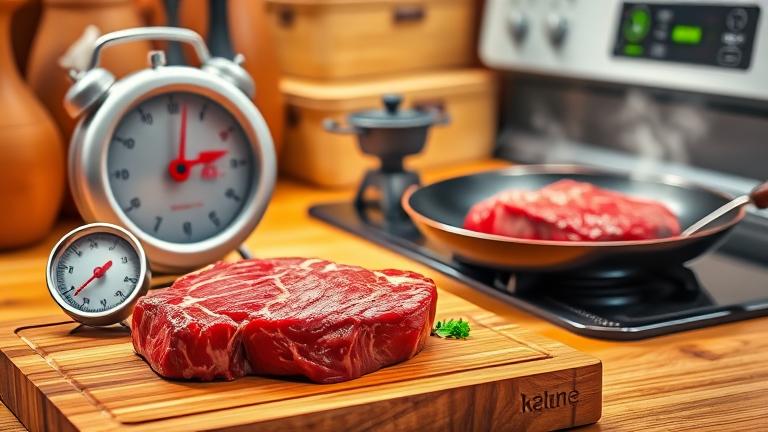
Understanding Beef Cooking Times
Cooking beef to perfection depends on several important factors. Knowing how long to cook beef can seem tricky at first, but once you understand the basics, it becomes much easier. Key elements that influence cooking times include the type of cut, its size, the cooking method you choose, and how well done you want the meat to be.
When cooking beef, the cut is a big factor. For example, tender cuts like tenderloin or ribeye generally require less cooking time compared to tougher cuts like brisket or chuck that need longer, slow cooking methods. The size and thickness of the meat also matter a lot. A thick steak will take more time than a thin one to reach the same level of doneness.
Another major aspect is the cooking method. Different methods require different cooking times. Grilling and pan-searing are quick, high-heat techniques, usually taking just a few minutes per side. On the other hand, roasting, braising, or slow-cooking can take much longer but are ideal for tougher cuts that benefit from slower heat to break down connective tissues.
Understanding Doneness and Internal Temperatures
One helpful way to determine when beef is cooked to your liking is to use internal temperature targets. Here are some common levels of doneness:
| Doneness Level | Internal Temperature (°F) | Description |
|---|---|---|
| Rare | 120-125 | Bright red center, very soft |
| Medium Rare | 130-135 | Warm red center, tender |
| Medium | 140-145 | Pink center, firmer texture |
| Medium Well | 150-155 | Slightly pink in the middle |
| Well Done | 160 and above | Cooked throughout, no pink |
Using a meat thermometer is the most reliable way to check doneness. Insert it into the thickest part of the beef, avoiding bone or fat. Remember that the meat will continue to cook slightly after removal from heat, so take it off when it’s a few degrees below your target temperature.
Typical Cooking Times for Common Cuts
To give a general idea, here are some approximate cooking times for popular beef cuts:
- Steaks (1-inch thick): 4-6 minutes per side for medium rare on a hot grill or skillet.
- R factests: Oven roasting at 350°F (175°C) can take 20-30 minutes per pound, depending on size and desired doneness.
- Stew Meat or Chunks: Usually simmered gently for 1.5 to 3 hours until tender.
- Braising Cuts (like brisket): Long, slow cook in liquid for 3-4 hours or more.
Keep in mind, these are only guidelines. Actual cooking times can vary based on your specific oven, stove, or grill, and the starting temperature of the meat. Always use a thermometer for best results.
Practical Tips to Time Your Beef Cooking
- Start checking for doneness early, especially with steaks, to avoid overcooking.
- Allow thicker cuts to rest after cooking for about 5 minutes. This helps the juices re-distribute and improves tenderness.
- If you’re unsure, it’s better to slightly undercook and finish with gentle heat, rather than overcook and dry out the meat.
- Use a timer and keep notes of your favorite doneness levels for different cuts — it makes future cooking easier.
By understanding these factors and using tools like a meat thermometer, you’ll become confident in timing your beef perfectly. Happy cooking!
Best Methods to Cook Beef Perfectly
Cooking beef to perfection depends on the cut and your preferred taste and texture. Whether you like it tender, juicy, or well-done, choosing the right technique can make all the difference. Here are some popular methods such as roasting, grilling, braising, and pan-frying, along with practical tips to help you achieve delicious results every time.
Roasting Beef
Roasting is a great way to prepare larger beef cuts like roasts, prime rib, or tenderloin. It involves cooking the beef in an oven at a consistent temperature, allowing the heat to slowly penetrate the meat. This method is perfect when you want a tender, evenly cooked piece with a crusty exterior.
For best results, start by preheating your oven to the right temperature, usually between 325°F and 450°F depending on the cut. Season the beef generously with salt, pepper, and your favorite herbs. Sear the beef in a hot skillet for a few minutes to develop a flavorful crust before roasting, if desired. Use a meat thermometer to check the internal temperature: around 125°F for rare, 135°F for medium-rare, 145°F for medium, and 160°F for well-done. Let the meat rest for about 10 minutes after removing from the oven to allow juices to redistribute.
Grilling Beef
Grilling gives beef a smoky flavor and a beautiful char. It’s ideal for steaks, burgers, or thinner cuts like flank or skirt steak. Hot, direct heat quickly sears the meat, locking in juices and adding flavor. For juicy, flavorful grilled beef, start with a clean, hot grill.
Brush the beef with oil to prevent sticking and season as desired. For steaks, cook over high heat for about 3 to 5 minutes per side for medium-rare, depending on thickness. Use tongs to flip and avoid piercing the meat so it stays juicy. If using a burger, don’t press down on it while cooking; this pushes out the juices. Rest the meat for a few minutes before serving to let the juices settle.
Braising Beef
Braising is perfect for tougher cuts like brisket, chuck, or stew meat. It involves cooking beef slowly in liquid at low temperatures, breaking down fibers for tender, flavorful results. This method is excellent for hearty dishes like pot roast or beef stew.
Start by searing the beef in a hot pan to develop flavor. Then, add a cooking liquid such as broth, wine, or tomato sauce, and cover the pot. Cook on low heat or in the oven at around 300°F for several hours. Check occasionally, making sure there’s enough liquid to keep the beef moist. The meat is done when it’s fork-tender and pulls apart easily.
Pan-Frying Beef
Pan-frying is a quick and versatile method ideal for thin cuts like cutlets or strips. It involves cooking beef in a hot skillet with a small amount of oil or butter. This method gives a crispy exterior while keeping the inside tender.
Heat your pan over medium-high heat. Season the beef and place it in the pan only when hot. Don’t overcrowd the pan; cook in batches if needed. Cook for about 2 to 4 minutes per side depending on thickness and desired doneness. Avoid moving the beef around too much to allow a nice sear. Rest briefly before slicing to retain juices.
- Always let your beef rest after cooking to improve juiciness.
- Use a meat thermometer for the most accurate results.
- Choose the right method based on your cut of beef and desired outcome.
Beef Temperature and Doneness Guide
Cooking beef to the right temperature is key to enjoying it safely and achieving your preferred level of doneness. Whether you like your beef rare, medium, or well-done, knowing the correct internal temperatures helps you cook it perfectly every time.
When checking beef, always use a reliable meat thermometer inserted into the thickest part of the cut. This prevents over- or under-cooking and ensures safety, especially with ground beef or larger roasts. Remember, beef continues to cook slightly after you remove it from the heat, so you might want to check the temperature a little before your target.
Beef Doneness Levels and Temperatures
| Level of Donness | Internal Temperature (°F) | Description |
|---|---|---|
| Rare | 120-125 | Bright red, cool center. Very soft and juicy. Suitable for tenderloin steaks. |
| Medium Rare | 130-135 | Pinkish-red center, warm. Slightly firmer but still very juicy. |
| Medium | 140-145 | Pink center, slightly firm |
| Medium Well | 150-155 | Light pink center, firm texture. Less juicy but safe to eat. |
| Well Done | 160 and above | Cooked all the way through, no pink. Usually more dry but very safe. |
Note: The USDA recommends cooking ground beef to at least 160°F to ensure harmful bacteria are destroyed. For steaks and roasts, the above temperatures are based on desired doneness, but the minimum safe temperature for all beef is 145°F with a three-minute rest period.
Practical Tips for Perfect Beef
- Insert the thermometer into the thickest part of the beef, avoiding bone, fat, or gristle.
- Let the meat rest for about three minutes after removing from heat. Resting allows juices to redistribute, making the beef tender and flavorful.
- If you prefer a specific doneness, aim to remove the beef from heat a few degrees early. The internal temperature will rise slightly during rest.
- Remember that different cuts can behave differently; a thin cut will cook faster than a thick roast.
- When cooking large roasts, use a remote or oven-safe thermometer for easier monitoring.
By following these temperature guidelines, you can enjoy beef that is both safe and tailored to your taste. Happy cooking!
Common Mistakes When Cooking Beef
Cooking beef might seem straightforward, but even experienced cooks can fall into some common traps. Understanding these mistakes can help you prepare better, tastier dishes and avoid ending up with tough, dry, or flavorless beef.
One frequent error is using the wrong cut of beef for the recipe. Different cuts have different textures and purposes. For example, tenderloin is great for quick, juicy steaks, while brisket works better for slow cooking. Using a tough cut for a quick cook can result in dry, chewy meat. Always choose the right cut for your dish, and don’t be afraid to ask for advice at your local store.
Another common mistake is overcooking or undercooking the beef. Overcooking tends to dry out lean cuts, making them tough and stringy. Under-cooking, especially with thicker cuts, can lead to unsafe eating. To avoid this, use a meat thermometer to check internal temperatures. For beef steaks, aim for 125°F (52°C) for rare, 135°F (57°C) for medium, and 145°F (63°C) for medium-well.
Many cooks forget to bring the beef to room temperature before cooking. Cold meat can cook unevenly, with the outside overdone and the inside underdone. About 30 minutes before cooking, take the beef out of the fridge. Let it sit covered at room temperature so it cooks more evenly.
Another mistake is not seasoning or marinating the beef properly. Beef benefits from salt, spices, or marinades that help flavor the meat and improve tenderness. Salt adds flavor, but add it at the right time — too early, and it can draw out moisture; too late, the flavor won’t penetrate. Marinating can also tenderize tougher cuts and infuse flavor, but don’t marinate for too long as it can make the beef mushy.
A common oversight is overcrowding the pan. When you put too much beef in the pan at once, it lowers the temperature and causes steaming instead of browning. Proper browning, also called searing, is key to flavor. Use a hot pan, work in batches if necessary, and let the beef develop a nice crust before turning.
Another mistake involves not resting the beef after cooking. Cutting into hot beef right away causes juices to escape, leaving the meat dry. Let the cooked beef rest for about five to ten minutes. This lets the juices redistribute, resulting in a moister, more flavorful bite.
Finally, many forget to clean the cooking surface properly. Residual bits from previous cooking can burn and create off-flavors. Keep your pan clean and heat it properly before adding the beef for a better sear.
- Choose the right cut for your recipe.
- Use a thermometer to check doneness.
- Bring beef to room temperature before cooking.
- Season and marinate appropriately.
- Avoid overcrowding the pan.
- Rest the beef after cooking.
- Keep your cooking surfaces clean.
By avoiding these common mistakes, your beef dishes will turn out more tender, flavorful, and enjoyable every time. Practice makes perfect, so don’t be discouraged if things don’t go perfectly at first. With a little attention to detail, you’ll soon be cooking beef like a pro!
How to Check if Beef Is Cooked
Knowing when beef is cooked just right is essential for both safety and taste. Whether you’re grilling steaks, roasting a roast, or browning ground beef, it helps to have reliable methods to check doneness. Using simple techniques like a meat thermometer or visual clues can make the process much easier and ensure your beef is both delicious and safe to eat.
Using a Meat Thermometer
The most accurate way to check if beef is cooked properly is with a digital or dial meat thermometer. Insert the thermometer into the thickest part of the meat, avoiding bone or fat, which can give false readings. For many beef dishes, specific temperatures indicate safety and preference:
| Doneness Level | Temperature Range (°F) | Description |
|---|---|---|
| Rare | 120-125 | Cool, red center with a soft texture |
| Medium Rare | 130-135 | Warm, red to pink center, firmer but still tender |
| Medium | 140-145 | Pink center, slightly firm |
| Medium Well | 150-155 | Mostly brown, slight pink in center |
| Well Done | 160 and above | Uniformly brown or gray throughout, firm texture |
Keep in mind that ground beef should always reach at least 160°F to ensure harmful bacteria are destroyed. When checking, remove the meat from heat just before reaching the target temperature, as it will continue to cook slightly from residual heat.
Visual and Tactile Cues
If you don’t have a thermometer, don’t worry. You can also judge doneness by appearance and texture. Here are some useful visual cues:
- For steaks and roasts, a rare beef will be deep red in the center, with a juicy, soft texture.
- Medium rare will have a warm, red center that’s slightly firmer but still tender.
- Medium beef appears light pink in the middle, with a firmer surface.
- Well-done beef is uniformly brown or gray throughout, with a firm, dry texture.
Another way to check is by gently pressing the meat with tongs or your finger (if you’re confident). Softer, squishier meat indicates rare or medium rare, while firmer meat suggests it’s well cooked.
Common Mistakes to Avoid
- Relying solely on color can be misleading, as some beef might look cooked but still be underdone or overdone inside.
- Not letting the meat rest after cooking can cause temperature readings to be inaccurate; rest for about 5 minutes before cutting into it.
- Overcooking can lead to dry, tough beef, so keep an eye on the temperature and use a timer if needed.
With these tips, you’ll become confident in judging when your beef is just right. Whether you prefer it rare or well done, knowing how to check ensures safety and makes every meal satisfying.
Healthy Ways to Cook Beef
Cooking beef in a healthy way means balancing flavor with nutrition. You can enjoy tasty beef dishes while keeping fat and calorie content in check. The goal is to use cooking techniques that preserve the beef’s natural nutrients and avoid adding extra unhealthy fats or calories.
One of the best ways to cook beef healthfully is by choosing lean cuts. Look for options like sirloin, tenderloin, or round steaks. These cuts have less fat compared to fattier options like brisket or chuck. Trimming away any visible fat before cooking can also cut down on calories. Use a sharp knife to carefully remove excess fat, especially around the edges.
Opt for Healthier Cooking Methods
- Grilling: Grilling allows excess fat to drip away and gives beef a smoky flavor without added fat. Be sure to remove the beef promptly once cooked so it doesn’t sit in its juices, which can add unwanted fat.
- Baking or Roasting: These dry heat methods distribute heat evenly and help keep beef tender. Use a wire rack when roasting so fat drips off the meat.
- Broiling: Similar to grilling, broiling uses high heat from above. Keep the oven rack close enough to give that nice sear but not so close that the beef burns.
- Slow Cooking: Slow cookers are perfect for tenderizing tougher cuts. Since the cooking process uses moisture, it’s easy to add healthy ingredients like vegetables and herbs for extra flavor without added fat.
- Stir-Frying: Quickly cook thin strips of beef in a small amount of healthy oil like olive or canola oil. This preserves nutrients and keeps the meat tender.
Use Healthy Fats and Oils
Instead of butter or lard, try cooking with healthier oils like olive oil, avocado oil, or canola oil. These oils contain good fats that can boost your heart health. Use just enough oil to coat the pan and prevent sticking.
Tips for Preserving Flavor and Nutrients
- Marinate beef in herbs, spices, and citrus juices instead of salt or high-fat marinades. This adds flavor without extra calories.
- Avoid overcooking beef, which can cause nutrients to break down. Use a meat thermometer to cook to the right internal temperature—145°F (63°C) for medium rare, and 160°F (71°C) for medium.
- Cook beef quickly over high heat for steaks, or slowly at low temperature for tougher cuts. Both methods help keep the meat juicy and flavorful.
Common Mistakes to Avoid
- Don’t leave fat on the meat if you want fewer calories and less saturated fat.
- Avoid frying beef in unhealthy fats or too much oil. This can turn a healthy meal into a calorie bomb.
- Don’t overcook beef, as it can dry out and lose valuable nutrients.
By choosing lean cuts, trimming fat, and using healthy cooking techniques, you can enjoy delicious beef dishes that are better for your health. Small changes in how you prepare beef can make a big difference in your overall diet and wellbeing.
Easy Beef Recipes for Beginners
If you’re new to cooking, beef is a great ingredient to start with because it’s versatile and flavorful. Don’t worry if you’re not experienced in the kitchen; these simple beef recipes are designed to help you build confidence and skills while creating delicious meals. Whether you’re looking for a quick weeknight dinner or a practical way to learn basic cooking techniques, these recipes are perfect for beginners.
Why Choose Beef for Beginners?
Beef is easy to prepare and offers many options. It can be cooked quickly in a stir-fry or slow-cooked for tender, fall-apart dishes. Starting with simple recipes helps you understand how to handle different cuts and cooking methods. Plus, beef can be forgiving—if you overcook a steak slightly, it still tastes good, and slow-cooked dishes give you plenty of room for error.
Basic Beef Stir-Fry
This recipe is straightforward and perfect for a tasty, quick meal. You only need a few ingredients: beef slices, vegetables, soy sauce, and a little oil. It’s a great way to learn how to cook beef quickly without drying it out.
Start by cutting beef into thin strips. Use a tender cut like sirloin or flank steak for best results. Marinate the beef in soy sauce for about 10 minutes—this adds flavor and helps keep the meat moist.
Heat a tablespoon of oil in a large skillet or wok over medium-high heat. Add the beef slices and cook until browned, about 2-3 minutes. Remove the beef from the pan and set aside.
In the same pan, add chopped vegetables like bell peppers, broccoli, or carrots. Stir-fry for 3-4 minutes until they’re just tender. Then, add the beef back in along with a splash of soy sauce or your favorite stir-fry sauce. Cook everything together for another minute, stirring well.
This dish pairs perfectly with steamed rice or noodles and is a great way to practice stir-frying techniques. Tip: Keep the ingredients moving in the pan to prevent burning and ensure even cooking.
Slow Cooker Beef Stew
If you prefer a hearty, hands-off option, beef stew made in a slow cooker is ideal. It’s forgiving for beginners because you just add ingredients and let it cook slowly, developing rich flavors over time.
Start by chopping beef chuck into bite-sized pieces. Season them with salt and pepper. In a hot skillet, quickly brown the beef on all sides—this adds flavor but isn’t required if you’re in a hurry.
Place the beef in the slow cooker with chopped vegetables like potatoes, carrots, celery, and onions. Add minced garlic, a bay leaf, and some beef broth or stock. You can also include herbs like thyme or rosemary for extra flavor.
Cover and cook on low for 6-8 hours or on high for about 4 hours. The result is tender beef and flavorful vegetables that melt in your mouth. Remember, slow cooking is very forgiving—if you forget to stir, it’s not a problem.
Tips for Beginners Cooking Beef
- Always use a cutting board and sharp knife to safely prepare beef.
- Choose tender cuts like sirloin, filet, or flank for quick recipes. Tougher cuts like brisket or chuck are better for slow cooking.
- Don’t overcook beef. For steaks, aim for medium-rare to medium for the best flavor and juiciness.
- Let cooked beef rest for a few minutes before slicing—it helps retain juices.
- Use a timer. If following recipes, timing is key to prevent overcooking or undercooking.
Starting with these simple beef recipes can boost your confidence in the kitchen. Remember, practice makes perfect, and even mistakes are just part of learning. Happy cooking!