
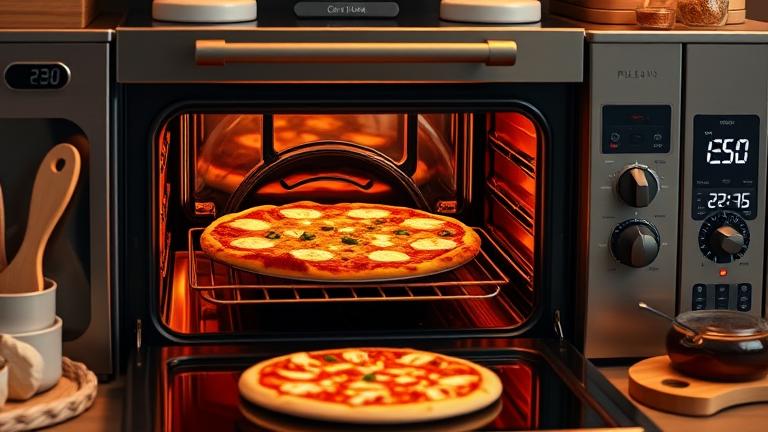
Understanding Cooking Times at 180°C
When baking pizza or other recipes at 180°C, knowing about cooking times can help you achieve a perfect crust and toppings. This temperature is commonly used because it provides a good balance between cooking quickly and avoiding burning. However, the exact time needed can vary depending on several factors, which we’ll explore here.
In general, a standard homemade pizza baked at 180°C takes about 15 to 20 minutes. This range works well for most thin to medium-thick crusts. For very thin crusts, you might find your pizza ready in around 12 to 15 minutes. Thicker crusts or deep-dish pizzas may need closer to 25 minutes to cook through completely. Keep in mind that these are guides, and your oven may behave a bit differently.
Factors That Affect Baking Time
- Thickness of the crust: Thicker dough takes longer to cook and may need additional time, especially for the bottom to crisp up.
- Type of toppings: Moist toppings like fresh tomatoes or heavy cheese can increase baking time. Vegetables such as peppers or mushrooms release water and may extend cooking time.
- Starting temperature of ingredients: If toppings are cold or refrigerated, they can slow down the cooking process. It’s best to use room temperature toppings when possible.
- Oven calibration: Some ovens run hotter or cooler than the set temperature. Using an oven thermometer helps ensure accuracy.
- Pizza size and shape: Larger or thicker pizzas generally need more time to cook fully compared to smaller, thinner pies.
Practical Tips for Perfectly Baked Pizza
- Preheat your oven: Always preheat the oven to 180°C at least 15 minutes before baking to ensure even heat distribution.
- Use a baking stone or steel: Placing your pizza on a preheated stone or steel helps replicate a brick oven’s effect, leading to crispier crusts.
- Check for doneness: The pizza should look golden brown around the edges, and the cheese should be bubbly and slightly browned.
- Rotate during baking: About halfway through, rotate the pizza if your oven has hot spots. This promotes even cooking.
- Monitor closely near the end: As the baking time approaches, stay nearby to prevent overcooking or burning.
Common Baking Times Table at 180°C
| Pizza Type | Baking Time | Description |
|---|---|---|
| Thin crust | 12-15 minutes | Very crisp crust, quick bake time |
| Regular crust | 15-20 minutes | Optimal for most home pizzas |
| Thick crust | 20-25 minutes | Ensures dough is cooked through |
| Deep dish | 25-30 minutes | Needs longer to cook thoroughly |
Remember, every oven is a bit different. The first time you bake a new style or size of pizza, keep a close eye on it. With practice, you’ll get a good feel for the perfect cooking times at 180°C for your favorite homemade pizzas.
How Oven Temperatures Affect Pizza Baking
When baking pizza, the oven temperature plays a crucial role in determining the final result. The right temperature can give your pizza a crispy crust, perfectly melted cheese, and a well-cooked topping. On the other hand, a temperature that is too low or too high can lead to different issues, such as a soggy crust or burnt edges.
Understanding how different oven temperatures influence pizza baking helps you achieve that perfect slice every time. Whether you are using a conventional home oven or a pizza oven, knowing how temperature impacts cooking time and texture is key to success.
Impact of Low Temperatures (around 375°F or 190°C)
Setting your oven at a lower temperature means the pizza will cook more slowly. You might notice that the crust takes longer to turn crispy, and the cheese might not melt as evenly. This can lead to a less desirable texture, especially if you are aiming for a traditional crispy crust.
Low temperatures are best suited for thick-crust pizzas or if you want to ensure the toppings are cooked through without burning the crust. It can also be helpful if you’re baking multiple pizzas in sequence, giving you more time to work without overcooking.
Moderate Temperatures (around 425°F or 220°C)
This is a common setting for many home cooks. Baking pizza at moderate heat allows for a good balance between cooking time and texture. The crust becomes crispy on the outside while remaining tender inside. Cheese melts nicely, and toppings cook uniformly.
Most recipes and pizza styles turn out well at this temperature. It also reduces the risk of burning the edges, which can happen at higher temperatures if you’re not careful. Expect a baking time of about 12-15 minutes, but keep an eye on your pizza to prevent overbaking.
High Temperatures (around 500°F or 260°C and above)
High heat is often used in professional pizzerias, where it can mimic a wood-fired oven. Baking at this temperature results in a very crispy crust and perfectly blistered toppings. The high heat also cuts down your baking time, often to just 5-8 minutes.
Be cautious with high temperatures, as the edges can burn quickly if you’re not attentive. Using a preheated pizza stone or steel can help distribute heat evenly, ensuring your pizza cooks properly without charred spots.
How Temperature Affects Texture and Flavor
Temperature influences not just how fast a pizza cooks but also its overall texture and flavor. Lower temperatures may result in a softer crust, while higher ones create that signature crispy outside with a chewy inside. The even melting of cheese and the caramelization of toppings also depend on the baking heat.
Remember, each oven is different. It’s a good idea to experiment a little with your settings to discover what produces the best pizza in your kitchen. Adjusting temperatures and baking times can take your homemade pizza from good to great.
Ideal Cooking Duration for Perfect Crust
When baking at 180°C, knowing the right cooking time is key to achieving a crust that is both crispy and tender. Too short, and your crust might be soft or doughy. Too long, and it could become overly dry or burnt. The goal is to find that sweet spot where the crust is golden, crunchy on the outside, yet still soft inside.
On average, most baked goods with a crust—like bread, pies, or savory tarts—take around 20 to 30 minutes at 180°C. However, actual times can vary depending on the thickness of the dough, ingredients, and size of the dish. For example, a thin pastry might require less time, while a thick bread loaf can take longer. Keep these guidelines in mind as you start experimenting.
Here are some practical tips that help you nail the timing for the perfect crust:
- Preheat your oven well. Make sure your oven reaches 180°C before placing the dish inside. A hot oven helps develop a good crust quickly.
- Start checking around the 20-minute mark. Use a timer and inspect the crust’s color. It should be golden brown. If it looks pale, add a few more minutes.
- Use visual cues. Look for a firm, slightly crispy exterior. If the edges turn dark or black, it’s a sign to reduce the baking time or lower the temperature slightly next time.
- Adjust based on the dish. Thicker or denser items require more time. For example, a deep-dish pie may need an additional 5-10 minutes.
- Avoid opening the oven too often. Every time you do, heat escapes, which can affect baking time and the crust’s consistency. Instead, check through a window or wait until near the end to open the door.
If you find that your crust isn’t crispy enough after the recommended time, you can try increasing the temperature slightly for the last few minutes, but keep a close eye to prevent burning. Conversely, if it’s browning too quickly, reduce the oven temperature or cover the crust with foil mid-way through baking.
Remember, recipes often provide a general guideline, so use your oven’s quirks and your visual judgment. Each oven behaves a little differently, and your crust will turn out best with a bit of practice and observation. Feel free to mark the perfect timing for your favorite recipes so you can replicate it every time.
Signs Your Pizza Is Done
Knowing when your pizza is perfectly cooked can sometimes be tricky, especially if you’re new to baking at home. The good news is there are clear visual and tactile clues that tell you your pizza is ready to enjoy. Paying attention to these signs will help you avoid undercooking or overcooking your pizza, making every slice delicious and just right.
Visual Cues
- Golden Brown Crust: One of the easiest signs is a beautifully golden or caramel-colored crust. If the edges are light or pale, it might need more time. When they turn a rich, golden hue, that’s a good sign it’s nearly done.
- Bubbly Cheese: The cheese on top should look melted and bubbly. Small brown spots or slight charring on the cheese surface indicate it’s cooked through and adds flavor. If the cheese is still runny or dull, give it a few more minutes.
- Darkened Edges or Bottom: Carefully lift a small section of the pizza with a spatula or tongs to peek underneath. The bottom should be evenly browned and crisp—not burnt but firm and golden.
- Layers of Topping: In addition to cheese, toppings like vegetables and meats should appear cooked and slightly shrunk. Fresh ingredients like spinach or tomatoes will wilt, and meats will look cooked through, not raw or raw-looking.
Tactile Cues and Other Tips
Besides looking at your pizza, you can also do a gentle tap test. Carefully touch the crust with a heat-proof utensil or your finger (with caution). If the crust feels firm and gives slightly with pressure but isn’t soft or doughy, it’s a good sign the pizza is done.
Another helpful tip is to listen: when baking, a slight crackling sound often occurs as the cheese and toppings heat up and bubble. Once you hear this, check for the visual signs. If you notice a pleasant aroma of baked bread and cooked toppings, it’s likely ready too.
Be cautious not to overbake, as this can lead to a hard crust or burnt toppings. Keep an eye on the clock as a guide, especially if you’re baking at a high temperature, but always trust your senses.
Common Mistakes and How to Avoid Them
- Underbaking: Pizza that looks pale or feels soft on the bottom may need more time. If the cheese isn’t bubbly or browned, it’s best to give it a few extra minutes.
- Overcooking: Burnt edges or overly dark toppings mean the pizza has been in the oven too long. Remove it early if you notice the cheese is too dark or the crust is blackening.
- Overcrowding: Using too many toppings can make the pizza unevenly cooked. Try to keep toppings spread evenly for consistent baking.
Keeping an eye on these signs—color, bubbling cheese, and bottom crispiness—will help you pull your pizza out of the oven perfectly cooked every time. With practice, you’ll develop an intuitive sense of when your pizza is just right, ensuring each slice hits the spot!
Tips for Even Cooking and Crispy Crust
Getting a pizza with an evenly cooked inside and a crispy crust can sometimes feel tricky, but with a few simple tips, you can achieve restaurant-quality results at home. The key is in your oven setup, dough preparation, and baking techniques. Let’s explore some practical advice to help you bake the perfect pizza every time.
Start with a Hot Oven
The temperature of your oven plays a crucial role in how your pizza cooks. Ideally, you want it as hot as possible, usually between 475°F and 500°F (245°C – 260°C). This high heat helps the crust crisp up quickly without overcooking the toppings inside. If your oven has a pizza setting or a convection option, use it. A convection oven circulates hot air evenly around the pizza, promoting uniform cooking.
Preheat your oven at least 30 minutes before baking. This ensures the oven, especially the baking stone or steel, reaches the right temperature for even heat distribution.
Use a Pizza Stone or Steel
A pizza stone or steel is a game changer for achieving a crispy crust. These tools absorb and distribute heat evenly, mimicking the effect of a traditional pizza oven. Place the stone or steel in the oven while preheating. When you’re ready to bake, slide your pizza onto a hot curved peel or baking sheet dusted with flour or cornmeal to prevent sticking.
Avoid placing your pizza on cold or room temperature stone. Always preheat it thoroughly, so it’s hot when the pizza touches it. This immediate contact helps create that crispy, golden crust you’re after.
Proper Dough Preparation
Consistency in dough preparation affects how evenly it cooks. Make sure your dough is at the right thickness—not too thin or too thick. Roll or stretch it evenly to ensure uniform cooking. To prevent soggy spots, don’t overload your pizza with too much sauce or toppings, which can trap moisture and result in uneven baking.
Allow the dough to rest after kneading. Resting helps develop gluten and makes it easier to shape, leading to better oven spring — that rise during baking— and a more even crust.
Use the Right Baking Technique
Place your pizza on the preheated stone or steel in the middle of your oven. Positioning it too close to the heating element might cause the crust to burn too quickly. Conversely, placing it too low or high can lead to uneven cooking.
Bake until the crust is golden and crispy, and the cheese is bubbly. Keep an eye on it toward the end of baking to prevent burning, especially if your oven runs hot. Rotate the pizza halfway through if your oven has hot spots for even browning.
Additional Tips for Success
- Use a Cornmeal or Flour Base: This helps your pizza slide smoothly onto the hot surface and prevents sticking, ensuring a better crust.
- Work Quickly: After assembling your pizza, get it into the oven promptly to prevent the dough from drying out or becoming soggy.
- Finish with a Broiler: For extra crispness, turn on the broiler for the last minute or two. Watch carefully to avoid burning.
By paying attention to oven temperature, using the right tools, and preparing your dough properly, you’ll be well on your way to making pizzas with a crispy crust and evenly cooked interior. Keep practicing, and soon baking perfect pizzas will become second nature!
Common Questions About Baking Pizza
Many home cooks wonder about the best ways to bake a perfect pizza. Whether you’re a beginner or just refining your skills, knowing the answers to some common questions can make a big difference. Here, we cover topics like baking times, temperatures, and how to troubleshoot common issues you might face while baking pizza.
How long should I bake my pizza?
The baking time for pizza usually depends on the oven temperature and the thickness of your crust. Typically, at a high temperature of around 450-500°F (230-260°C), a thin-crust pizza takes about 10-12 minutes to bake. Thicker crusts or deep-dish styles may need 15-20 minutes. Keep an eye on the crust — it should turn golden brown when it’s ready. Avoid opening the oven too often, as it can affect baking time and result in a soggy crust.
What is the ideal oven temperature for baking pizza?
For a crispy and well-cooked pizza, bake at a very high temperature. Most home ovens perform best between 450°F (230°C) and 500°F (260°C). If you have a pizza stone or steel, preheat it in the oven for at least 30 minutes at your chosen temperature. This intense heat mimics conditions in professional pizza ovens and helps achieve that crispy crust and bubbly cheese.
Can I use my home oven for pizza baking?
Absolutely! While professional pizza ovens reach higher temperatures, your home oven is still great for making delicious pizza. Use a pizza stone or steel for best results, as it helps distribute heat evenly and crisps the crust. Preheat your oven and stone for at least 30 minutes before baking. Keep in mind that the pizza might not be as perfectly crispy as from a commercial pizza oven, but with the right techniques, you can get close.
What are some common issues during baking, and how do I fix them?
- Soggy crust: This often happens if the oven isn’t hot enough or if toppings release too much moisture. Fix it by pre-baking the crust for a few minutes before adding toppings or by reducing the moisture in sauces and toppings.
- Burned toppings: If cheese or toppings burn before the crust is cooked, try covering the pizza with foil after the top is browned or lowering the oven temperature slightly.
- Crust is too hard or chewy: This may be caused by overmixing the dough, overbaking, or using too much flour during shaping. Use gentle hands when kneading, and bake just until golden.
How can I tell when my pizza is done?
Look for a crust that is golden brown and slightly puffed. The cheese should be bubbly and browned in spots. If you’re using a thermometer, an internal temperature of around 210°F (99°C) usually indicates it’s ready. Keep in mind that the edges often cook faster, so check those carefully to prevent burning.
Any tips for making my pizza more evenly baked?
- Preheat your oven and baking surface thoroughly.
- If possible, use a pizza stone or steel to distribute heat evenly.
- Place the pizza on the middle rack or on a preheated baking surface for consistent results.
- Rotate your pizza halfway through baking to ensure even cooking.
Best Practices for Oven Preheating
Preheating your oven is an important step to make sure your pizza cooks evenly and comes out perfectly crispy. When baking pizza at 180°C, proper preheating helps activate the oven’s hot air environment so that the crust and toppings cook at the right rate. Skipping or rushing this step can lead to uneven baking or soggy crusts, so it’s worth taking your time.
First, check that your oven is clean and free of leftover food debris or grease. A clean oven heats more efficiently and prevents unwanted flavors from transferring to your pizza. Before you start, remove any oven racks or trays that might obstruct airflow or that you don’t need for baking. This helps the heat circulate better and ensures even cooking.
Next, set your oven to 180°C and turn it on. Many modern ovens have an indicator light or a beep when they reach the set temperature, so wait for that cue. Avoid opening the oven door frequently during preheating, as this lets heat escape and prolongs the process. If you’re in a hurry, you can turn on the oven at a higher temperature initially and then lower it to 180°C once it’s heated, but this is usually not necessary for standard baking.
Preheating generally takes about 10–15 minutes, but this can vary depending on your oven’s make and model. For best results, use an oven thermometer to verify the actual temperature inside. Remember, oven dials can sometimes be inaccurate, and a thermometer will give you the most precise reading. When the thermometer hits 180°C, your oven is ready for baking.
While waiting for your oven to preheat, prepare your pizza. Assemble it with toppings, cheese, and sauce, so you’re ready to bake immediately when the oven reaches temperature. This minimizes the time your pizza sits waiting and guarantees it gets baked in an optimal hot environment.
Once the oven hits 180°C, keep the door closed and let it stabilize for another minute or two before placing your pizza inside. This allows the heat to evenly distribute around the oven chamber. When ready, use a suitable bakeware or pizza stone if you have one. A preheated pizza stone, in particular, helps create a crispier crust because it absorbs and retains heat well.
Finally, remember safety first. Use oven mitts when handling hot trays or pizza stones, and always keep an eye on your pizza to prevent burning. Preheating might seem simple, but following these best practices ensures your baking experience is smooth and your pizza is delicious every time.