
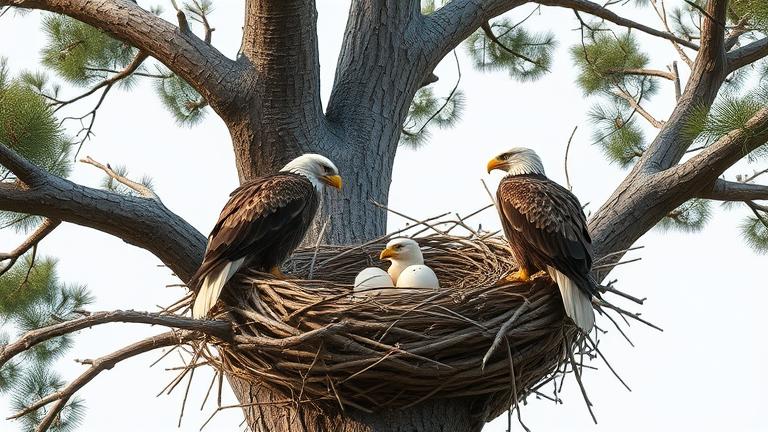
Incubation Period of Eagle Eggs
The incubation period of eagle eggs is an important aspect for anyone interested in these majestic birds. Understanding how long eagle eggs take to hatch can help bird watchers, bird enthusiasts, and wildlife caregivers appreciate the nesting process more fully. Typically, eagle eggs take about 35 to 45 days to hatch once incubation begins.
One key thing to remember is that female eagles usually do most of the incubating, often spending around 80 to 90 percent of the time on the nest. During this period, they maintain a steady temperature that is vital for the developing embryo inside the egg. This involves sitting on the eggs, turning them regularly to keep the developing chick healthy and ensure even heat distribution.
In the wild, the incubation process begins when the female lays her first egg, which is usually about 1 to 3 days after her last egg. If the pair lays multiple eggs, known as a clutch, they often incubate the eggs simultaneously. This means that the hatching dates can be very close, usually within a few days of each other, although sometimes there can be a slight difference of a day or two. This synchronized hatching helps the young eagles stay close in age and development, making caring for them easier for the parents.
The incubation temperature that eagle parents maintain is generally around 99 to 102 degrees Fahrenheit, roughly 37 to 39 degrees Celsius. If the eggs are exposed to too much heat or cold, it can impact the embryo’s growth or even cause the eggs to fail. That’s why the parent eagle’s role in carefully incubating the eggs is so crucial.
Incubation duration can vary slightly depending on the species of eagle and environmental conditions. For example, bald eagles, which are well known in North America, tend to have incubation periods around 35 days. Golden eagles also incubate their eggs for about 35 to 45 days. Factors like temperature fluctuations, humidity levels, and the health of the mother can influence the exact length of incubation.
Signs that Eggs are Ready to Hatch
- The eggs may begin to look cracked or have small holes as the chick inside prepares to emerge.
- The parents may spend more time stretching or occasionally leaving the nest to stretch their wings, signaling the hatch is near.
- Monitoring the nest from a safe distance allows observers to spot activity indicating hatching is imminent, usually within a day or two of the end of incubation.
Overall, patience is essential during the incubation period. It’s a delicate phase where nature carefully orchestrates the development of the tiny eaglet. When the time comes, you will see a fragile, fluffy chick emerge from the egg, ready to begin its journey into the world.
Factors Influencing Hatching Time
When it comes to hatching eggs, various factors can influence how long it takes for a chick to emerge. Understanding these can help you better manage your incubation process and ensure successful hatchings. The most important elements include temperature, humidity, egg freshness, and the egg’s position during incubation.
Temperature
Maintaining a consistent temperature is crucial for proper embryo development. Most poultry eggs hatch best at around 99.5°F, which is approximately 37.5°C. If the temperature is too low, development slows down, leading to a longer hatching time or even failure to hatch. On the other hand, too high a temperature can speed up development excessively and cause deformities or early hatchling mortality.
It’s important to use a reliable incubator with a thermometer to keep the temperature steady. Small temperature fluctuations can significantly affect hatch timing and chick health.
Humidity
Relative humidity in the incubator influences how the eggs lose moisture. Proper humidity levels typically range between 50-55% during incubation’s first stages and increase slightly, around 65-70%, during the final days before hatching. If the humidity is too low, eggs lose too much moisture, which can cause the shells to be too dry and lead to difficulties during hatch. Too high humidity may cause the embryo to develop slower or result in weak chicks.
Using a hygrometer helps you monitor humidity levels accurately. Adding water to the incubator as needed can keep conditions stable.
Egg Freshness and Quality
Fresh eggs usually hatch faster and more successfully than older ones. Eggs that are stored for a long time or have been mishandled can have weaker shells or less viable embryos, which influences incubation time and hatch rate.
Look for clean, uncracked eggs with a smooth shell. Store eggs in a cool, dry place and turn them gently regularly before incubation. Fresh eggs tend to develop more quickly and produce healthier chicks.
Egg Position and Turning
Egg position and how often they are turned during incubation also matter. Eggs should be placed with the larger end slightly elevated and turned at least three times a day. Turning helps prevent the embryo from sticking to the shell membrane and promotes even development.
If eggs are not turned adequately or are kept in one position, it can delay hatching or lead to deformities. As hatching time approaches, eggs should be kept still to allow the chick to position itself for hatch.
Environmental Factors and Their Impact
- Incubator quality: Well-made incubators with precise controls tend to produce more predictable hatch times.
- External temperature: Sudden changes in room temperature can affect incubation conditions.
- Ventilation: Proper airflow is necessary to supply oxygen and remove carbon dioxide, supporting embryo development.
In summary, controlling temperature, humidity, and egg handling are key to influencing hatching time. Being attentive to these factors ensures a successful hatch and healthy chicks. Remember, patience and careful monitoring are essential for successful incubation.
Care and Environment for Eggs
Taking good care of eggs and understanding their ideal environment is key to keeping them fresh and safe to eat. Whether you’re storing eggs at home or handling them during cooking, a few simple tips can make a big difference. Eggs are delicate, and their quality depends on how they’re stored and protected from spoilage and contamination.
First, always keep eggs chilled. The best place to store eggs is in the refrigerator, ideally at a temperature between 35°F and 40°F, which is about 1.7°C to 4.4°C. This slows down bacterial growth and helps eggs stay fresh longer. Avoid leaving eggs out on the counter for too long, especially in warm or humid environments, as this can lead to spoilage. If you buy eggs from a store, check the expiration date on the carton and choose the freshest ones available.
Egg cartons do more than just hold eggs they protect them from damage and help maintain their quality. Store eggs with the pointed end facing downward. This position keeps the yolk centered and helps prevent air from entering the shell through tiny pores, which can dry out the egg or cause spoilage. Keep eggs in their original carton rather than transferring them to the egg tray in the fridge door. The door’s temperature fluctuates more because of frequent opening.
Moisture and temperature swings are key enemies of egg quality. Eggs should be kept in a consistently cool, humid environment. Avoid storing eggs in the crisper drawer if it’s too dry or in a warm spot near the back of the fridge, where temperature can fluctuate. If you notice any cracks or breaks in the shell, use the eggs quickly, as bacteria can enter more easily through damaged shells. It’s safest to discard any eggs with cracked shells that you’re not sure about.
Protect eggs from strong odors in the fridge. The shells are porous and can absorb smells like garlic, onion, or fish, which can alter their flavor. Store eggs away from foods with strong odors or in their original carton to minimize this risk.
In terms of handling, always wash your hands before and after touching eggs. If you want to wash eggs before use, do so just before cracking, and use cold water. Never wash eggs before storing because water can remove the protective coating on the shell that keeps out bacteria. Instead, focus on proper storage and handling to keep your eggs safe and fresh.
- Keep eggs in the main body of the fridge, not the door.
- Store eggs pointed end down.
- Use eggs before their expiration date for best quality.
- Discard any eggs with cracks or unusual odor.
- Wash hands well after handling eggs.
Signs That Eagles Are About to Hatch
When you’re waiting for eagle eggs to hatch, it can be an exciting and tense time. Eagles are large birds, and their nesting process is a slow but fascinating journey. Recognizing the signs that your eagle eggs are about to hatch can help you prepare for the arrival of new chicks and ensure everything runs smoothly.
One of the first signs is a change in the eggs’ appearance. Before hatching, the eggs may appear slightly duller or show tiny cracks or marks on the shell. These are called “pipping,” and it’s a clear indication that the eaglet is ready to break through the shell. Sometimes, the shell may seem to shrink or appear more fragile, as the chick inside is moving into position for hatchling.
Another important sign is the movement inside the egg. After the incubation period reaches its end, you might notice faint vibrations or shifts within the shell. This is the chick rotating and positioning itself, which is a normal part of the hatching process. If you’re lucky enough to observe the eggs closely, a small beak-shaped crack called a “pip” will often be the first visible breach in the shell.
You might also notice changes in the parent eagles’ behavior. As hatching approaches, both the male and female eagle tend to become more attentive and protective. They might sit more tightly on the nest and occasionally make soft, alert calls. This protective behavior ensures the eggs stay warm and safe during this critical time.
The incubation period for eagle eggs varies depending on the species, but generally, it lasts around 35 to 45 days. As this period nears its end, the eggs will often produce more pips and cracks. Sometimes, the shell will slowly peel away as the eaglet uses its beak to break out.
If you’re observing the nesting closely, remember that hatching is a gradual process. It can take several hours for the eaglet to fully free itself from the shell after the first crack appears. Patience is key avoid disturbing the nest during this delicate time, as noise and shadows can stress the birds and delay hatching.
To summarize, signs that eagle eggs are about to hatch include visual cracks or pipping, increased movement inside the egg, and changes in parental behavior. Recognizing these signs helps you appreciate this amazing natural event and ensures you’re ready to witness the miracle of new life when it happens.
Protecting Eagle Nests and Eggs
Protecting eagle nests and eggs is essential for maintaining healthy eagle populations and ensuring these magnificent birds are preserved for future generations. Eagles often build nests, called eyries, in tall trees or on cliffs, and their eggs are precious. As supporters of wildlife, it’s important to know how to protect these nests and eggs properly.
First, never disturb or approach an eagle’s nest too closely. Eagles are highly protective of their nests, especially during the breeding season. Keep a safe distance, typically at least 660 feet, which is about 200 meters, to avoid stressing the birds. If you notice a nest nearby, it’s wise to respect the space and avoid any activities that might disturb them.
In many areas, there are laws in place to protect eagles and their nesting sites. The Bald and Golden Eagle Protection Act makes it illegal to interfere with eagles, nestlings, or eggs. Breaking these laws can lead to hefty fines or other penalties, so it’s vital to follow local regulations and guidelines.
If you find an eagle’s nest unexpectedly, such as on your property or during outdoor activities, do not attempt to move or destroy it. Instead, inform local wildlife authorities or conservation organizations. They have the expertise and legal authority to manage and protect the nests properly.
During nesting season, which lasts from around March through August in many regions, extra precautions are necessary. If you’re doing construction, tree trimming, or other outdoor work, plan around the nesting season to avoid disturbing nesting eagles. Sometimes, temporary restrictions are imposed to safeguard the nests, especially if they are in sensitive areas.
Additionally, planting trees or vegetation nearby can help protect eagle nests. Creating a buffer zone with dense foliage can shield nests from human activity and reduce stress on the birds. Keep in mind that eagles prefer tall trees or cliffs with clear views for hunting and watching over their young.
If you notice any suspicious activity near an eagle’s nest, such as people getting too close, or if the nest appears damaged, report it immediately. Wildlife agencies can investigate and intervene if necessary. Remember, eagle eggs are fragile, and even a small disturbance can cause them to be abandoned or damaged.
Finally, supporting local conservation efforts can make a big difference. Participating in or donating to wildlife organizations dedicated to eagle preservation helps ensure these majestic birds are protected long-term. Many groups work to educate the public, monitor nests, and enforce protection laws.
In summary, respecting eagle nests, following legal guidelines, and supporting conservation are key to protecting these impressive birds and their eggs. Your careful attention can help keep eagle populations strong and thriving for many years to come.