
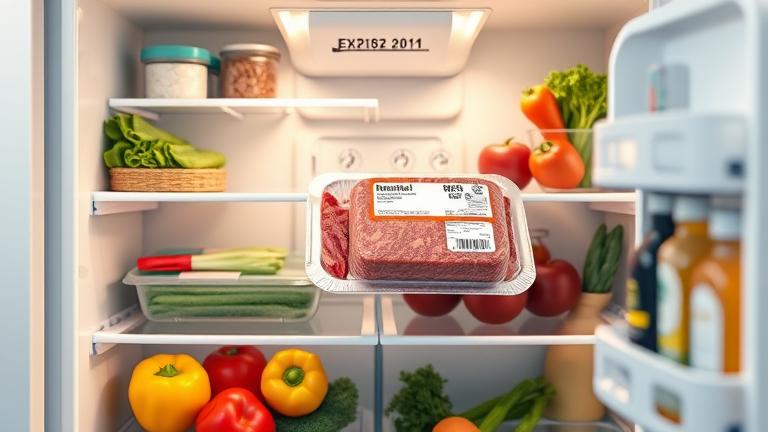
How Long Is Ground Beef Safe in the Fridge?
When you buy ground beef, whether from the grocery store or your local butcher, it’s important to know how long it stays safe to eat in your refrigerator. Proper storage helps prevent foodborne illnesses and keeps the meat tasting fresh. Generally, fresh ground beef should not be kept in the fridge for more than one to two days.
After you bring ground beef home, aim to cook or freeze it within this timeframe. If you keep it longer, bacteria can grow to unsafe levels, which increases the risk of food poisoning. Even if the meat still looks and smells good, that does not always mean it’s safe to eat. Bacteria that cause illness are often invisible and odorless.
Standard Storage Guidelines
| Storage Method | Maximum Time in Fridge | Notes |
|---|---|---|
| Fresh ground beef in original packaging | 1 to 2 days | Keep at or below 40°F (4°C). Store on the bottom shelf to prevent drips onto other foods. |
| Ground beef in a resealable container or wrapped tightly | Same as above | Tightly wrap to prevent air exposure that can cause spoilage. |
| Cooked ground beef leftovers | 3 to 4 days | Store in airtight containers. Reheat thoroughly before eating. |
When to Consider Ground Beef Unsafe
If your ground beef is past the recommended storage time, it is better to be cautious. Signs that it might be unsafe include a sour or off smell, a slimy texture, or a change in color, especially turning grey or brown. Even if these signs are not obvious, it’s safest to discard any meat that has been stored longer than the recommended period.
It’s also worth noting that constantly opening and closing the fridge can raise the temperature slightly, which accelerates spoilage. To get the longest life out of your ground beef, try to keep your fridge at or below 40°F (4°C) and store meat in the coldest part of the fridge, usually the bottom shelf.
Tips for Safe Storage
- Use refrigerated ground beef within 1-2 days for freshness and safety.
- If you’re not planning to cook it right away, freeze the meat in airtight packaging. Proper freezing can extend its safe storage period for up to 3-4 months.
- Always thaw frozen ground beef in the fridge, not at room temperature. This keeps bacteria from multiplying rapidly.
- Label packages with the date you bought or froze the meat so you can track storage time easily.
Remember, when in doubt, it’s safer to discard questionable meat rather than risk food poisoning. Following these guidelines helps keep your meals safe and delicious!
Factors That Affect Ground Beef Freshness
When it comes to keeping ground beef fresh, several important factors play a role in how long it stays safe to eat. Understanding these elements can help you store your beef properly and avoid food waste or illness. From storage temperature to packaging and handling, each factor contributes to maintaining freshness.
One of the biggest influences on ground beef’s freshness is storage temperature. Bacteria grow rapidly between 40°F (4°C) and 140°F (60°C), a range known as the “danger zone.” To keep your ground beef safe, it should be stored in the refrigerator at or below 40°F. Using a refrigerator thermometer can help you verify the temperature. Never leave ground beef out at room temperature for more than two hours, as bacteria multiply quickly.
Packaging Methods
The way ground beef is packaged also affects its shelf life. Typically, fresh ground beef comes wrapped in Styrofoam trays sealed with plastic wrap or vacuum-sealed for longer storage. Vacuum packaging removes air, slowing bacterial growth and oxidation, which helps keep the meat fresh longer. If the packaging is damaged or leaks, bacteria can enter and spoil the meat faster.
When shopping, choose packages that look fresh, with no tears or excessive liquid. At home, keep the beef in its original packaging if it’s tight and undamaged. For longer storage, consider re-wrapping in plastic wrap and foil or placing it in an airtight container to prevent contamination and dehydration.
Handling and Hygiene
How you handle ground beef affects its freshness. Always wash your hands thoroughly before and after handling raw meat. Use separate cutting boards and utensils for raw beef to prevent cross-contamination with other foods, especially cooked items or produce.
Minimize the time ground beef spends out of refrigeration. When thawing, do so safely in the refrigerator, in cold water, or in the microwave. Avoid thawing at room temperature, as this promotes bacterial growth. Once thawed, cook or refrigerate the beef promptly. Proper handling extends the freshness and safety of your ground beef.
Additional Tips for Freshness
- Label packages with the date you store them to keep track of freshness.
- Buy the freshest ground beef possible, ideally from a local butcher or trusted store.
- Use or freeze ground beef within one to two days of purchase for optimal freshness.
- If you plan to freeze ground beef, do so as soon as possible to lock in quality.
By paying attention to storage temperature, packaging, and handling, you can greatly extend the freshness of ground beef. This not only improves flavor and texture but also keeps your family safe from foodborne illnesses.
How to Store Ground Beef Properly
Storing ground beef the right way is key to keeping it fresh and safe to eat. Proper storage helps maximize its shelf life and prevents foodborne illnesses. Whether you buy it fresh or have some leftover after cooking, following a few simple tips will ensure your ground beef stays good longer.
First, pay attention to packaging. When you buy ground beef from the store, it usually comes in a plastic tray wrapped with plastic or in a vacuum-sealed package. If you plan to use it within a day or two, keep it in its original packaging, but make sure to tightly seal it with plastic wrap or aluminum foil if you open it. For longer storage, transfer the beef to an airtight container or resealable plastic bag. Removing excess air helps prevent freezer burn and spoilage.
Next, store your ground beef at the right temperature. The refrigerator should be set at or below 40°F (4°C). Place the beef on the bottom shelf of your fridge, ideally in a dish or pan to catch any drips. Keep it away from other foods, especially ready-to-eat items like salads or fruits, to avoid cross-contamination. If you won’t use the beef within 1 to 2 days, it’s best to freeze it.
Freezing ground beef extends its lifespan significantly. Wrap it tightly in plastic wrap, aluminum foil, or special freezer paper, then place it in a freezer-safe airtight container or bag. Label it with the date so you can keep track of how long it has been stored. Typically, ground beef can be frozen for up to 3 to 4 months without losing quality.
Tips for Safe Storage
- Always wash your hands and clean utensils before handling raw beef to avoid contamination.
- If your ground beef is already opened, try to cook or freeze it within 1 to 2 days.
- Use a freezer thermometer to ensure your freezer stays at 0°F (-18°C) for optimal preservation.
- Avoid refreezing beef that has thawed unless you cook it first. Cooking resets the clock for safety and freshness.
- Thaw frozen ground beef safely by transferring it to the fridge a day before you plan to use it, or use the microwave’s defrost setting if you’re in a hurry.
Remember, proper storage isn’t just about keeping the beef fresh, it’s also about safety. Always check for signs of spoilage before cooking. If it smells sour, has a slimy texture, or turns a dull color, it’s best to discard it. Following these tips will help you get the most out of your ground beef and enjoy your favorite recipes safely.
Signs Ground Beef Has Spoiled
Knowing how to spot spoiled ground beef is essential for safe cooking and avoiding foodborne illnesses. Fresh ground beef should look, smell, and feel a certain way. When it starts to go bad, there are clear signs you can watch out for before deciding not to use it.
First, smell is one of the biggest indicators. Fresh ground beef has a mild scent, sometimes even hardly noticeable. If you notice a strong, sour, or rotten smell, it’s a red flag that the meat is no longer good. Trust your nose if it smells off, discard the beef immediately.
Next, check the color. Bright red is typical for fresh ground beef, thanks to the presence of myoglobin, a natural pigment. However, if the beef turns gray, brown, or greenish in spots, it could be a sign of spoilage. Keep in mind that slight color variations can happen with exposure to air, but widespread discoloration usually indicates it’s time to toss it.
Texture is another quick test. Fresh ground beef should feel firm and somewhat moist but not slimy. If the texture is sticky, slimy, or tacky, it’s a clear sign of bacterial growth. Sometimes, spoiled meat develops a slimy film that is very noticeable when you touch it. Always avoid buying or eating ground beef that feels sticky or slimy.
In addition to smell, color, and texture, look for other signs such as an unusual appearance or an excess of liquid. If the package is swollen or leaks, bacteria may be producing gas, and it’s safer to discard the beef. Also, if there is a sour or foul odor even after cooking, it means the meat has gone bad.
Here are some practical tips to keep in mind:
- Always check the sell-by or use-by date on the package. Buying fresh meat reduces spoilage risks.
- Store ground beef in the coldest part of your refrigerator, ideally at or below 40°F (4°C).
- Use refrigerated ground beef within 1 to 2 days of purchase. For longer storage, freeze it.
- If you freeze ground beef, use it within 3 to 4 months for the best quality.
Remember, when in doubt, it’s safer to throw out questionable meat rather than risk food poisoning. Spoiled ground beef not only smells bad but also can contain bacteria like Salmonella or E. coli, which can cause serious illness. Always prioritize safety and trust your senses when handling raw meat.
Tips to Extend Ground Beef Shelf Life
Ground beef is a versatile ingredient that many home cooks keep on hand for quick meals. To keep it fresh and safe for as long as possible, proper storage is key. Whether you plan to cook it soon or want to save it for later, these practical tips will help extend the shelf life of your ground beef and prevent waste.
The first step is understanding how to store ground beef correctly. Fresh ground beef typically lasts 1 to 2 days in the refrigerator at 40°F (4°C) or below. After that, bacteria can start to grow, increasing the risk of foodborne illness. To keep it longer, freezing is your best option. Proper packaging is crucial to prevent freezer burn and preserve quality.
Use airtight packaging
When freezing ground beef, remove as much air as possible from the packaging. If the beef is in its original packaging, wrap it tightly with plastic wrap or aluminum foil. For extra protection, place the wrapped meat inside a resealable plastic bag and squeeze out all the air. Vacuum sealing is an excellent method if you have a vacuum sealer, as it eliminates air completely and keeps the meat fresh longer.
Label and date your packages
Always mark the package with the date you froze the ground beef. This helps you keep track of how long it has been stored. Ground beef is best used within 3 to 4 months for optimal flavor and texture, although it remains safe beyond that if kept frozen.
Maintain proper freezer temperature
The freezer should stay at 0°F (-18°C) or lower. Check your appliance regularly with a thermometer to ensure it maintains the right temperature. A consistently cold freezer prevents bacteria growth and helps prevent freezer burn, which can spoil the meat’s taste and texture.
Thaw meat safely
When you’re ready to use your frozen ground beef, thaw it safely. The best way is to transfer it to the refrigerator the night before cooking. This slow defrost method keeps the beef at a safe temperature and maintains quality. If you’re in a hurry, you can thaw it in a sealed bag submerged in cold water, changing the water every 30 minutes. Avoid thawing meat at room temperature, as this promotes bacteria growth.
Cook and store leftovers promptly
If you cook ground beef, store leftovers in airtight containers and refrigerate within two hours. Consume cooked beef within 3 to 4 days. To keep cooked beef longer, you can also freeze leftovers for up to 3 months. Proper storage prevents spoilage and keeps your meals safe to enjoy later.
- Keep your refrigerator at or below 40°F (4°C).
- Don’t refreeze thawed ground beef unless it has been cooked first.
- Always check for signs of spoilage, like a sour smell, slimy texture, or discoloration, before cooking or eating stored meat.
By following these simple tips, you can extend the shelf life of ground beef, reduce waste, and enjoy safe, fresh-tasting meat in your meals. Proper storage and handling are your best tools for keeping ground beef delicious and safe to eat.
Safe Cooking and Storage Practices
Cooking ground beef safely is essential to prevent foodborne illnesses. It’s not just about making it tasty, but also about ensuring it’s safe to eat. Proper storage of leftovers is equally important to keep your food fresh and prevent spoilage. Let’s go over some practical tips to help you handle ground beef and leftovers confidently.
Cooking Ground Beef Safely
When cooking ground beef, the main goal is to reach a temperature that kills harmful bacteria. The United States Department of Agriculture (USDA) recommends cooking ground beef until it reaches an internal temperature of 160°F (71°C). Use a reliable food thermometer to check this. Simply insert it into the thickest part of the meat, and make sure it hits that temperature before removing it from the heat.
It’s common to see ground beef turn brown when cooked, but color isn’t always a reliable indicator of doneness. So, always rely on a thermometer rather than visual clues alone. Overcooking can make the meat dry, but undercooking risks food poisoning. Aim for the right temperature, and you’ll get safe, juicy results.
Cooking techniques matter too. Use a skillet over medium-high heat for quick and even cooking. Break the meat apart as it cooks to ensure uniform temperature. If you’re grilling or baking, monitor the internal temperature just as closely.
Remember to wash your hands, utensils, and cutting boards thoroughly after handling raw ground beef. Cross-contamination spreads bacteria, so keep raw meat separate from other foods.
Storing Cooked Leftovers
After cooking, leftovers should be cooled promptly to prevent bacteria from growing. Within two hours of cooking, transfer the food to shallow, airtight containers. This helps the food cool faster and evenly. If the room temperature is hot above 90°F (32°C) do this within one hour.
Store cooked ground beef in the refrigerator at 40°F (4°C) or below. Proper storage keeps bacteria from multiplying. Leftovers are usually safe to eat within three to four days. When in doubt, use your senses or a food thermometer to check if leftovers are still good. If leftovers develop an off smell, slimy texture, or unusual color, discard them.
Tips for Safe Storage and Reheating
- Label leftovers with the date you stored them so you can keep track of freshness.
- Reheat leftovers to an internal temperature of 165°F (74°C). Use a food thermometer to be sure.
- When reheating, stir the food well and ensure even heating. Avoid reheating only parts of the leftovers.
- Use microwave, oven, or stovetop to reheat, but avoid leaving food out at room temperature for too long.
- If you won’t eat leftovers within a few days, consider freezing them to extend shelf life.
Common Mistakes to Avoid
- Not using a meat thermometer visuals alone are unreliable.
- Leaving cooked or raw ground beef out at room temperature for more than two hours.
- Refrigerating leftovers in large, deep containers shallow containers cool faster and more safely.
- Reheating leftovers without reaching a safe temperature always check with a thermometer.
Following these safe cooking and storage practices helps prevent foodborne illnesses and keeps your meals delicious. It’s simple, practical, and worth the extra step for peace of mind and health.
Frequently Asked Questions About Ground Beef Storage
Storing ground beef properly is essential to keep it fresh and safe to eat. Whether you buy it fresh or have leftovers, knowing how to store it correctly can prevent foodborne illness and waste. In this guide, we’ll answer common questions about ground beef storage, offering practical tips that are easy to follow.
How long can I keep raw ground beef in the refrigerator?
Generally, raw ground beef should be used within one to two days of purchase if kept in the refrigerator at or below 40°F (4°C). This short window helps prevent bacteria growth that can cause food poisoning. If you don’t plan to cook it within this time, it’s best to freeze it.
Can I freeze ground beef before the expiration date?
Yes, freezing ground beef before the expiration date is a good idea if you won’t be using it right away. Wrap it tightly in plastic wrap, aluminum foil, or use a vacuum-sealed bag to prevent freezer burn. Properly stored, ground beef can last in the freezer for about three to four months for the best quality.
How should I store ground beef in the freezer to keep it fresh?
To keep ground beef fresh in the freezer, use airtight packaging such as heavy-duty freezer bags or wrap it tightly in plastic wrap and aluminum foil. Clearly label the package with the date it was frozen to keep track. Avoid stacking too many packages to prevent crushing or tearing the packaging.
What are signs that ground beef has gone bad?
If your ground beef develops a sour or ammonia-like smell, turns gray or brown, or feels slimy to the touch, it’s a sign that it’s gone bad. Do not taste or cook spoiled beef. Always check the date, and when in doubt, it’s safer to discard it.
Can I refreeze ground beef after thawing?
It’s safe to refreeze ground beef if it was thawed in the refrigerator and has not been left out at room temperature for over two hours. Keep in mind that refreezing can affect the meat’s texture and flavor, so use it promptly after thawing for the best results.
What are some storage tips to prevent freezer burn?
- Wrap ground beef tightly with plastic wrap, foil, or in vacuum-seal bags.
- Remove as much air as possible from packaging before freezing.
- Label packages with the date and contents.
- Keep the freezer at 0°F (-18°C) or below.
What if I forget to store ground beef properly?
If ground beef has been left out at room temperature for more than two hours, it’s safest to discard it, even if it looks and smells normal. Bacteria can grow quickly and may cause food poisoning. Always prioritize safety and avoid tasting suspicious meat.
Why is proper storage important for ground beef safety?
Proper storage helps slow bacterial growth, maintain quality, and extend the shelf life of ground beef. Correct refrigeration and freezing are essential steps to prevent foodborne illnesses like Salmonella or E. coli. When in doubt, follow guidelines and when storing meat, always err on the side of caution.