
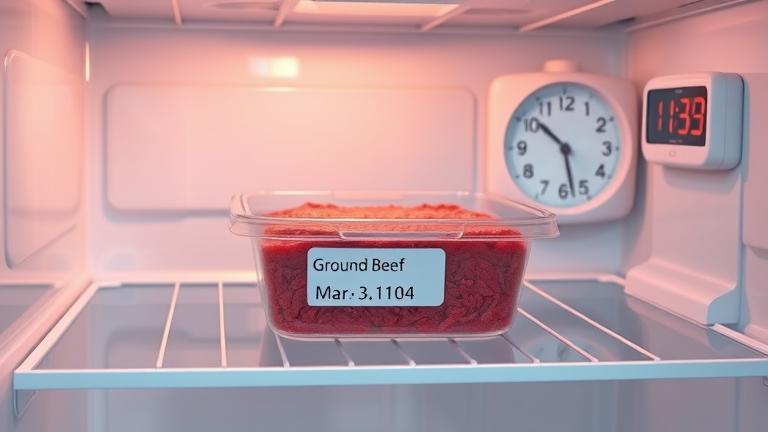
How Long Is Ground Beef Safe in the Fridge?
If you’ve bought ground beef or ground meat from the store, you probably wonder how long it stays fresh in your fridge. Knowing the safe storage time helps prevent food spoilage and avoid foodborne illnesses. According to food safety authorities, fresh ground beef should be used or cooked within a certain period to stay safe and tasty.
Generally, raw ground beef can be kept in the refrigerator for one to two days. This quick timeline is because ground beef has a larger surface area and is more prone to bacteria growth compared to other cuts of meat. If you don’t plan to cook the meat within this time frame, it’s best to freeze it to extend its shelf life.
Refrigerator Storage Tips
- Always store ground beef at or below 40°F (4°C). Check your fridge’s temperature with a thermometer to be sure.
- Keep the meat in its original packaging or transfer it to an airtight container. This helps prevent contamination and keeps odors from spreading.
- If you don’t use the ground beef within a day or two, freeze it. Frozen ground beef stays safe for much longer, typically up to 3 to 4 months.
- Label the package with the date of purchase or freezing. This makes it easier to track how long the meat has been stored.
How to Tell if Ground Beef is No Longer Safe
Sometimes, ground beef might spoil before the date, especially if stored improperly. Watch for these signs:
- Color: It should be bright red on the outside. If it turns brownish or gray inside, it may be spoiled.
- Smell: Fresh ground beef has a mild smell. If it smells sour, rancid, or off, it’s best to throw it away.
- Texture: Slimy or sticky feel indicates bacterial growth, and the meat should be discarded.
Cooking and Food Safety
If your ground beef has been stored properly and shows no signs of spoilage, cook it thoroughly. The internal temperature should reach 160°F (71°C) to kill bacteria. Use a meat thermometer to be sure and enjoy your dish safely.
Remember, when in doubt, it’s safer to discard ground beef that’s been stored too long or looks suspicious. Staying with recommended storage times and proper handling keeps your meals safe and delicious.
Signs Ground Beef Has Spoiled
Knowing how to tell if ground beef has gone bad is key to keeping your meals safe and delicious. Spoiled ground beef can look, smell, and feel different from fresh meat. Spotting these signs early helps you avoid foodborne illnesses and wasted ingredients. Let’s dive into how you can recognize spoiled ground beef using simple cues.
Visual Cues
First, check the color of your ground beef. Fresh ground beef typically has a bright red or cherry-red hue. If you notice it turning brown, gray, or greenish, these are red flags. Sometimes, surface discoloration happens due to exposure to air, but darker hues deep inside the meat or a slimy surface can signal spoilage.
Next, examine the texture and surface. Fresh beef should look moist but not sticky or slimy. If the meat appears slimy or sticky to the touch, it’s usually a sign bacteria are growing. Also, check for any unusual spots or patches that look different in color or texture. This might indicate mold or bacterial growth.
Finally, look for any signs of mold or unusual fuzzy growth on the surface. If you see any, discard the meat immediately. Mold is a clear indicator that the meat is no longer safe to eat.
Smell Cues
Your nose is one of the most reliable tools for detecting spoiled ground beef. Fresh ground beef should have a mild, almost metallic smell, or no noticeable odor at all. If you detect a sour, rancid, or sulfur-like smell, it’s a strong sign that bacteria have taken hold.
Sometimes, spoilage smells can be quite pungent and unpleasant, so trust your instincts. If the meat smells off or different from what you expect, it’s best to err on the side of caution and not use it.
Texture and Feel
Handling ground beef can also give you clues. Fresh meat should be firm and crumble apart easily when pressed. If the meat feels slimy, sticky, or excessively wet even after removing packaging, it’s likely spoiled. Touch and feel are simple ways to assess its freshness without relying solely on appearance or smell.
A quick tip: if the ground beef feels tacky or sticky when you touch it, wash your hands thoroughly after testing. Don’t consume meat that feels off since bacteria can be lurking even if it doesn’t smell or look bad.
Additional Tips
- Always check the printed date on the packaging. Use ground beef within 1–2 days after purchase for optimal freshness.
- If meat has been stored in the freezer, ensure it’s been kept at 0°F (-18°C) or below. Thawed meat should be cooked within 1–2 days.
- If you’re unsure about freshness, better to discard and avoid risk.
Proper Storage Tips for Ground Beef
Storing ground beef properly in the fridge is essential to keep it fresh and safe to eat. When you buy ground beef, it’s best to use it within a few days to ensure quality and prevent foodborne illnesses. Following simple storage tips can help you maintain its flavor and safety.
First, always check the sell-by or use-by date on the packaging before storing. If you won’t use the beef within a couple of days, consider freezing it. Proper storage prevents bacteria growth and keeps your beef tasting great.
Refrigeration Guidelines
When storing ground beef in the fridge, keep it at or below 40°F (4°C). Place it on a plate or in a shallow dish to catch any drips that might leak from the packaging. Keep it on the bottom shelf to prevent cross-contamination with other foods like vegetables or cooked items.
Use the ground beef within 1 to 2 days of purchase. If you notice any spoilage signs such as a sour smell or slimy texture, discard it immediately. Always wash your hands and any utensils that come into contact with raw beef to avoid cross-contamination.
Freezing Ground Beef
If you don’t plan to use the beef soon, freezing is the best option. Wrap the beef tightly with plastic wrap or aluminum foil to prevent air exposure. For added protection, place it inside a resealable freezer bag or airtight container.
Label the package with the date so you can keep track. Ground beef can be safely stored in the freezer for up to 3 to 4 months, but for best quality, try to use it within 1 to 2 months.
Thawing Tips
When ready to use frozen ground beef, thaw it safely to prevent bacteria growth. The best way is to transfer it to the refrigerator the night before. If you need it quicker, use the microwave’s defrost setting or submerge the sealed package in cold water, changing the water every 30 minutes.
Never thaw ground beef at room temperature, as this encourages bacteria to multiply rapidly. Once thawed, cook the beef promptly to ensure safety and freshness.
Additional Tips
- Keep raw ground beef separate from cooked foods to avoid cross-contamination.
- Use a clean plate or container each time you handle the beef.
- Check your fridge regularly to ensure it maintains a safe temperature.
By following these simple storage tips, you can keep your ground beef fresh longer, enjoy meals with confidence, and stay safe in your kitchen each time you cook.
How to Thaw Ground Beef Safely
Thawing ground beef properly is important to keep it safe and tasty. You want to prevent bacteria from growing while ensuring your meat remains fresh and nutritious. Fortunately, there are several safe methods to thaw ground beef, each suited to different time frames and needs.
Refrigerator Thawing
This is the safest and most recommended method for thawing ground beef. It keeps the meat at a consistent, safe temperature and prevents bacteria growth. To do this, plan ahead because it takes time. Typically, you should allow about 24 hours for every five pounds of meat.
Place the frozen ground beef in a leak-proof container or a sealed plastic bag to prevent drips. Set it on a plate or in a shallow pan on the bottom shelf of your refrigerator. This way, any juices that escape won’t contaminate other foods.
Once thawed, ground beef can stay in the refrigerator for an additional 1 to 2 days before cooking. If you decide not to cook it within that time, you can refreeze it without much loss in quality.
Cold Water Thawing
If you need to thaw ground beef more quickly, cold water thawing is a good option. It takes a few hours but is faster than refrigerator thawing. Start by placing the beef in a sealed, leak-proof plastic bag to prevent water from seeping in and contaminating the meat.
Fill a large bowl or your sink with cold water. Submerge the bag in the water, making sure it’s fully under the surface. Change the water every 30 minutes to keep it cold. This helps prevent bacteria growth and ensures even thawing.
Small packages of ground beef may thaw in as little as an hour, while larger amounts could take a few hours. Cook the meat immediately after thawing with this method to prevent bacteria from multiplying.
Microwave Thawing
For quick thawing, your microwave is a handy tool. Use the defrost setting and follow your microwave’s instructions for ground beef. Typically, you need to enter the weight of the meat, and the microwave will automatically set the time.
Be aware that microwave thawing might cause some parts of the meat to start cooking, so check often. It’s best to cook ground beef right after microwaving to prevent bacteria growth on any partially cooked areas.
Note that microwave thawing isn’t ideal for large batches, but it’s perfect if you’re in a pinch and need to get cooking quickly. Be sure to handle the meat carefully to avoid hot spots and uneven thawing.
Additional Tips and Common Mistakes
- Never thaw ground beef at room temperature, like on the countertop, as this encourages bacteria growth.
- If you’re using the refrigerator method, plan ahead to give enough time for thawing.
- Always cook ground beef immediately after thawing in the microwave or cold water to ensure safety.
- If you thaw meat in the microwave or water, do not refreeze unless cooked first.
By choosing the right thawing method for your schedule and following safe practices, you can enjoy ground beef that’s both delicious and safe to eat. Keeping food safety in mind helps prevent foodborne illnesses and keeps your family healthy.
Freezing Ground Beef for Longer Storage
Freezing ground beef is a smart way to keep it fresh and ready for your favorite meals. When done right, it preserves quality and safety, helping you avoid waste. Whether you buy in bulk or have leftovers from a big dinner, proper freezing makes all the difference.
First, it’s important to use good-quality ground beef. Fresh, high-quality meat will freeze better and taste better when cooked later. Before freezing, consider dividing large batches into smaller portions. This makes it easier to thaw only what you need and prevents refreezing, which can harm the texture.
Preparing Ground Beef for Freezing
Start by shaping the ground beef into flat, individual portions or into a batch that matches how you’ll use it. Flattened patties or small blocks freeze faster and thaw evenly. Wrap each portion tightly with plastic wrap or aluminum foil, ensuring no air gets in. You can also use airtight freezer bags or containers.
Removing excess air is key. Air causes freezer burn, which leads to dry, tough meat. If using freezer bags, press out as much air as possible before sealing. Label each package with the date of freezing. This helps you keep track of how long it’s been in the freezer.
Freezing Tips to Keep Quality
- For best results, freeze ground beef at 0°F (-18°C) or lower. This temperature keeps bacteria dormant and preserves flavor.
- Use the meat within three to four months for the best taste and texture. After that, it’s still safe to eat but may lose quality.
- If you’re freezing large quantities, divide the meat into several smaller packages. It freezes faster and thaws more evenly.
- To avoid accidental defrosting, keep ground beef on the coldest part of the freezer and avoid leaving the door open too long.
Thawing Ground Beef Safely
The safest way to thaw frozen ground beef is in the refrigerator. Plan ahead and allow at least 24 hours for every pound. Keep it in its original package or place it in a dish to catch drips. Thawing in the fridge keeps the meat at a safe temperature and prevents bacteria growth.
If you need to thaw quickly, you can use the microwave or place the sealed package in cold water. Microwave thawing is fast but can start cooking the edges, so cook the beef immediately afterward. Cold water thawing requires changing the water every 30 minutes to keep it cold and safe.
Remember
- Never thaw ground beef at room temperature, like on the counter. This encourages bacterial growth.
- Cook frozen or thawed ground beef thoroughly to an internal temperature of 160°F (71°C). Use a meat thermometer for accuracy.
- Refreezing thawed ground beef is not recommended unless you cook it first. Cooked leftovers can be frozen again safely.
By following these simple steps, you’ll keep your ground beef fresh, flavorful, and safe to enjoy whenever you’re ready to cook. Proper freezing extends shelf life without sacrificing quality, making mealtime easier and less wasteful.
Recommended Refrigerator Temperature for Beef
Keeping ground beef fresh and safe to eat starts with setting the right refrigerator temperature. The ideal temperature to store beef, including ground beef, is around 40°F (4°C). This range slows down bacterial growth and helps maintain the quality of the meat for as long as possible.
If your fridge is too warm, bacteria can grow quickly, increasing the risk of foodborne illness. On the other hand, setting it too cold could freeze parts of the meat unintentionally, which might affect texture and flavor. That’s why maintaining a consistent temperature is so important. A reliable fridge thermometer makes this easy. Simply place it inside the fridge and check regularly to ensure the temperature stays around 40°F.
How to Set Your Refrigerator to 40°F
- Locate your refrigerator temperature control, usually found inside the fridge compartment or on a digital panel.
- Adjust the setting to 40°F or the recommended temperature marker if available.
- Use a separate appliance thermometer for accuracy these are inexpensive and easy to find at most stores.
- Place the thermometer in the middle of the fridge, away from the door and cold air vents.
- Check the reading after 24 hours to confirm the temperature is steady around 40°F.
- If necessary, tweak the control slightly to reach the ideal temperature.
Why 40°F Is the Gold Standard for Beef Storage
Storing beef at 40°F strikes a good balance. It keeps harmful bacteria at bay while preventing the meat from freezing or spoilage. At this temperature, ground beef can typically stay fresh for 1-2 days before cooking or freezing. If you need to store it longer, it’s best to freeze it instead.
Remember, refrigerator temperatures can fluctuate due to door openings, power outages, or malfunctions. Regularly checking your fridge’s temperature ensures your beef stays safe and fresh. Also, if you’re storing other perishables like poultry or seafood, adhere to the same temperature guidelines for best results.
Common Mistakes to Avoid
- Setting the fridge temperature too high or too low without checking with a thermometer.
- Leaving ground beef out at room temperature for too long try to cook or refrigerate within 2 hours of purchase.
- Overloading the fridge, which can block air circulation and cause uneven temperatures.
By following these simple tips, you’ll help ensure your ground beef remains safe, tasty, and ready to enjoy. Regularly maintaining your refrigerator temperature is a small step that makes a big difference in your food safety and overall kitchen health.
Common Questions About Ground Beef Safety
Ground beef is a popular ingredient in many meals, but it’s important to handle it safely to prevent foodborne illnesses. Whether you buy it fresh or thawed, understanding how to store and preserve ground beef properly can make a big difference. Here are some common questions and helpful answers about ground beef safety in the fridge.
How long can I store ground beef in the refrigerator?
Fresh ground beef should generally be kept in the fridge for no more than 1 to 2 days. This is because bacteria can grow quickly at refrigerator temperatures if it stays too long. Always check the “sell by” or “use by” date on the packaging. If you don’t plan to cook it within this time, freezing is the best option.
Can I cook ground beef that has been in the fridge for a few days?
If the ground beef has been in the fridge for less than two days and smells normal, it should be safe to cook. Look for any sour or off smell, which can be a sign that bacteria have started to grow. When in doubt, it’s safer to throw it out rather than risk food poisoning.
What is the best way to store ground beef in the fridge?
Keep ground beef in its original packaging if you plan to cook it within a day or two. For longer storage, consider transferring it to an airtight container or wrapping it tightly with plastic wrap or aluminum foil. Store it on the bottom shelf of the fridge to prevent drips from contaminating other foods.
How should I thaw ground beef safely?
Thaw ground beef in the refrigerator, allowing it to sit there for 24 hours or until fully thawed. This keeps the meat at a safe, consistent temperature. For quicker thawing, you can use the microwave’s defrost setting or submerge the sealed package in cold water, changing the water every 30 minutes. Always cook ground beef immediately after thawing using heat.
Can I freeze ground beef that was previously frozen?
Yes, you can freeze ground beef that was already frozen and then thawed. Just make sure it was kept cold and hasn’t been left out at room temperature for more than two hours. Wrap it tightly or place it in an airtight container to prevent freezer burn. Properly frozen ground beef can last up to 4 months in the freezer for best quality.
What are signs that ground beef has gone bad?
- Unpleasant or sour smell
- Slimy or sticky texture
- Discoloration, especially turning gray or brown
- Excessive pooling of liquid in the packaging
If you notice any of these signs, it’s safest to discard the meat. Eating spoiled ground beef can lead to food poisoning.
What are some safety tips for handling raw ground beef?
- Wash hands with soap before and after touching raw meat.
- Use separate cutting boards for raw meat and other foods.
- Cook ground beef to an internal temperature of 160°F (71°C) to kill bacteria.
- Never leave raw ground beef out at room temperature for more than two hours.
Following these tips helps prevent cross-contamination and ensures your meals are safe and tasty.