
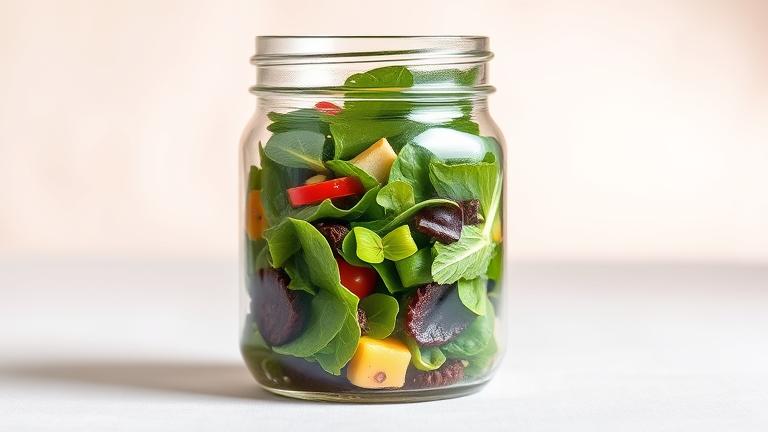
Salad Storage Tips and Best Practices
Storing salads properly in mason jars can keep your greens fresh, crunchy, and delicious for several days. It’s a simple way to prepare meals ahead, save time, and enjoy healthy eating throughout the week. To get the most out of your jar salads, follow these friendly tips and best practices for hygiene, sealing, and storage conditions.
Start with Clean, Dry Mason Jars
Always wash your mason jars, lids, and any utensils thoroughly before use. Dirty jars can introduce bacteria that spoil your salad quickly. Make sure to dry them completely to prevent excess moisture, which can cause lettuce and greens to become soggy or slimy.
Layer Your Salad Properly
How you layer your ingredients makes a big difference. Place the dressing at the bottom of the jar to prevent the greens from getting soggy. Next, add hearty vegetables like carrots, cucumbers, or beans that can stand up to dressing. Top with delicate greens, herbs, and toppings like cheese or nuts. This layering helps keep everything fresh and crisp until you’re ready to eat.
Seal the Jars Tightly
Make sure the lid seals tightly to keep air out. An airtight seal prevents oxidation, which can cause salads to wilt or spoil faster. After filling the jar, screw on the lid firmly but avoid overtightening, which might crack the glass. Proper sealing extends the salad’s shelf life and retains flavors.
Store in the Right Conditions
Place your jar salads in the refrigerator at a consistent temperature, ideally below 40°F (4°C). Keep them away from the fridge door where temperature fluctuates. Store salads upright to prevent leakage and keep ingredients from mixing unnecessarily. If your fridge is very full, use the crisper drawer, which maintains a stable humidity level, helping greens stay crisp longer.
Pay Attention to Shelf Life
Generally, salads stored in mason jars stay fresh for about 3 to 5 days. The exact time depends on the ingredients and how fresh they were when you packed the salad. Vegetables like carrots and cucumbers tend to last longer, while leafy greens may wilt faster. If you notice any sliminess, discoloration, or sour odor, it’s best to discard the salad.
Extra Tips for Freshness
- Use fresh, high-quality ingredients for longer-lasting salads.
- Include a paper towel between the lid and the salad to absorb excess moisture, which helps keep greens crisp.
- Customize your salad with added ingredients just before eating if you want to maintain crunchiness and flavor.
Common Mistakes to Avoid
- Overfilling the jar, which squashes the ingredients and causes them to spoil faster.
- Adding dressing too early, leading to soggy greens.
- Using old or wilted vegetables, which reduce shelf life and taste.
By following these simple storage tips and best practices, you can enjoy fresh, crisp salads from your mason jar for days. Prep ahead, store properly, and savor healthy meals all week long!
Types of Salads Suitable for Mason Jars
Mason jars are a fantastic way to store and transport salads. They keep ingredients fresh, neat, and easy to pack for lunches or picnics. Choosing the right type of salad for jars depends on ingredients, layering, and how well they stay stable over time. Let’s explore some popular salad varieties that work beautifully in mason jars.
Layered Vegetable Salads
Vegetable salads are simple, healthy, and visually appealing when stored in jars. Think of colorful ingredients like cherry tomatoes, cucumbers, bell peppers, and shredded carrots. The key is to layer them properly. Place hearty veggies like cucumbers or carrots at the bottom, then add lighter ingredients on top. This prevents sogginess and keeps everything crisp.
For dressing, keep it at the very bottom of the jar, below the sturdy vegetables. When you’re ready to eat, just shake the jar to distribute the dressing evenly. This method ensures that the greens or delicate toppings don’t get soggy prematurely.
Grain or Pasta Salads
Salads with grains like quinoa, farro, or couscous, or with pasta, are excellent candidates for mason jars. These ingredients are hearty and can hold up well over time. Layer them with vegetables, beans, or cheese, and add a flavorful dressing in the bottom.
Be sure to add ingredients that don’t spoil easily and won’t absorb too much liquid. For extra flavor, keep herbs and delicate greens at the top, so they stay fresh and crisp until you’re ready to enjoy your salad.
Protein-packed Salads
Salads with proteins like grilled chicken, hard-boiled eggs, tuna, or chickpeas also work well in jars. The key is to keep the proteins separated from wet ingredients to avoid sogginess. For example, place your greens or fresh herbs at the top, proteins in the middle, and dressing at the bottom.
This layering keeps everything tasting fresh and prevents the proteins from becoming dry or overly soaked. Remember to store cooked proteins separately if you plan to prepare salads ahead of time for multiple days.
Fruit and Nut Salads
Fruits like berries, apple slices, or citrus segments are perfect for mason jars, especially when paired with nuts and a light dressing. Place heavier ingredients like nuts or seeds at the bottom for stability. Then layer with fruits and greens at the top.
These salads are great for a quick, sweet, and crunchy treat. To keep fruits from browning, add a bit of lemon juice or prepare them just before eating. Mason jars preserve the freshness and make it easy to grab a healthy snack on the go.
Tips for Successful Salad Storage in Mason Jars
- Layer ingredients from heavy and hardy at the bottom to delicate and leafy at the top.
- Keep dressing at the very bottom, away from greens and toppings.
- Use airtight lids to maintain freshness and prevent leaks.
- Fill jars to the top to reduce air exposure and keep ingredients fresh longer.
- Label your jars with the date to ensure they stay safe and tasty.
Preparing Salads for Longer Freshness
If you want your salads to stay fresh and crisp for a few days, proper preparation is key. Preparing salads in advance can be a real time-saver, especially for busy weeknights or make-ahead lunches. With a few simple steps, you can enjoy a tasty, fresh salad whenever you’re ready to eat.
First, focus on selecting the right ingredients. Choose fresh, high-quality produce as your base because fresher ingredients naturally last longer. Leafy greens like romaine, kale, or spinach tend to wilt quickly, so use sturdier greens if you want your salad to hold up or consider adding delicate greens just before serving. Vegetables like cucumbers, bell peppers, and carrots stay crunchier longer if sliced thinly and stored properly. Keep in mind that soft ingredients like tomatoes or avocados can release moisture, which may make other ingredients soggy over time.
Next, prepare your ingredients with care. Wash all vegetables thoroughly under cold running water to remove dirt and bacteria. Dry them completely with a clean towel or a salad spinner. Excess moisture can cause greens to wilt faster, so drying is especially important. When chopping or slicing, aim for uniform pieces so that ingredients store evenly.
Pre-Storage Tips for Freshness
- Layer your ingredients: Use a container with separate compartments or create layers within a large container. Place greens at the bottom, followed by harder vegetables like carrots or cucumbers, and keep delicate items like tomatoes or avocado on top.
- Use airtight containers: Store prepared ingredients in airtight containers or resealable bags. Removing as much air as possible helps slow down spoilage.
- Protect greens from moisture: Before adding dressings, keep greens dry. If you’ve washed them, pat dry thoroughly. You can also add a paper towel inside the container to absorb excess moisture and keep leaves crisp longer.
- Wrap delicate ingredients separately: For ingredients like avocado slices or cherry tomatoes, store them separately and add them to the salad just before serving to maintain freshness and texture.
Adding Dressings and Final Touches
To extend the salad’s freshness, wait to add dressing until just before eating. Dressings can make greens soggy over time and can cause other ingredients to spoil faster. If you want to prepare the salad in advance, store the dressing separately in a small jar or cup, and toss everything together when you’re ready to serve.
Another tip is to keep added proteins such as grilled chicken, cheese, or boiled eggs separate from the greens until serving time. This prevents ingredients from losing texture or moisture. When you are ready to eat, just combine all components, toss with dressing, and enjoy a fresh, delicious salad.
Common Mistakes to Avoid
- Adding dressing too early: As mentioned, this makes the salad soggy and reduces shelf life.
- Using damaged or wilted ingredients: Freshness starts with good-quality produce. Check for signs of spoilage before preparation.
- Overpacking containers: Leave some space so ingredients aren’t squished, which can bruise or wilt them.
By choosing fresh ingredients, layering properly, and storing with care, you can enjoy crisp, fresh salads days after you prepare them. With a little planning, your salads will be both convenient and delicious whenever you’re ready to eat!
Filling and Layering Techniques for Freshness
Filling and layering salads in mason jars is a popular way to keep your meals fresh and vibrant for several days. The key is to place ingredients thoughtfully so they stay crisp, flavorful, and looking appealing. This simple method helps prevent spoilage and keeps your salads tasting great until you’re ready to enjoy them.
When preparing a mason jar salad, start by choosing ingredients that complement each other and consider how their textures will hold up over time. The goal is to create distinct layers that protect delicate items from the moisture and acidity of dressing, which can cause wilting or sogginess.
Step-by-Step Filling and Layering Technique
- Bottom Layer: Dressings and Liquids
Begin by adding your salad dressing or any liquid ingredients to the bottom of the jar. This layer acts as a barrier, preventing the sturdier ingredients above from getting soggy. Use about 1-2 tablespoons of dressing per jar, but adjust according to how much salad you are making. - Next Layer: Hard Vegetables
Add hearty vegetables such as carrots, bell peppers, cucumbers, or cherry tomatoes. These hold up well over time and are less likely to absorb dressing quickly. They also act as an extra shield for the more delicate layers above. - Middle Layer: Proteins and Grain Elements
Place proteins like cooked chicken, boiled eggs, beans, or cheese here. If adding grains like quinoa or pasta, layer them in this section as well. These ingredients benefit from being separated from the dressing by vegetables, keeping their texture intact. - Top Layers: Leafy Greens and Delicate Items
Finish with leafy greens such as lettuce, spinach, or arugula. Pack these lightly to avoid bruising. Because they are the most sensitive to moisture, placing them at the top keeps them fresh and crisp until serving.
Tips for Perfect Layering
- Always ensure that the dressing doesn’t touch the greens directly until you’re ready to eat. The layers above the dressing act as a shield.
- Use wider jars if possible, as they provide more space for layers and are easier to fill evenly.
- Fill the jar tightly but avoid packing ingredients too firmly. Gentle packing helps ingredients stay fresh and makes the jar easier to carry or store.
- Label your jars with the date to keep track of freshness. Most salads stay good for 3–5 days in the fridge.
- For variety, switch up the order depending on ingredients. For instance, if your greens are hearty like kale, you might layer them closer to the dressing but always keep delicate items on top.
Common Mistakes to Avoid
- Adding too much dressing at the start, which can make greens soggy quickly.
- Placing highly moist ingredients like tomatoes directly against greens without a protective layer of sturdier vegetables.
- Overpacking the jar, leading to crushing or bruising of ingredients.
- Using ingredients that spoil quickly without proper layering—fresh herbs or ripe avocado might need to be added just before eating.
By following these filling and layering techniques, you can enjoy fresh, flavorful salads straight from your fridge, ready to grab in the busy week ahead. Proper layering not only preserves taste and texture but also makes meal prep more fun and organized.
Signs of Salad Spoilage in Mason Jars
Storing salads in mason jars is a popular way to keep fresh meals ready to go. But even with careful storage, salads can spoil over time. Recognizing the signs of spoilage can help you avoid eating unsafe or unappetizing food. Keep an eye out for these key indicators that your salad may have gone bad.
Visual Cues
The first thing to check is how your salad looks. Fresh salads in mason jars usually have vibrant colors and crisp textures. If you notice the greens have turned dull, brown, or slimy, it is a warning sign. Excess moisture or a slimy coating on the leaves indicates bacterial growth or mold. Also, look for any spots of mold, which can appear as fuzzy patches in colors like white, gray, or green. If any mold is present, it’s safest to discard the entire jar.
Smell
Your sense of smell is a powerful tool for detecting spoilage. A fresh salad should smell fresh and mild, like crisp vegetables. If the salad emits a sour, rancid, or off-putting odor, it’s a sign that bacteria or yeast may be growing. Trust your nose: if it doesn’t smell right, it’s best not to take any chances.
Texture Changes
Texture is a good indicator of a salad’s freshness. Salad leaves and vegetables should be crisp and firm. If they feel slimy, mushy, or wilted excessively, it suggests that the salad has started to break down and spoil. Sometimes, the dressing can make a salad seem soggy, but if the greens are slimy or overly soft, it’s best to toss them.
Extra Tips for Spoilage Prevention
- Make sure jars are sealed tightly to prevent air from entering and encouraging bacteria growth.
- Keep your salads refrigerated at all times, ideally at temperatures below 40°F (4°C).
- Consume salads within 3 to 5 days for best freshness and safety.
- Use clean utensils when removing salads to avoid introducing bacteria.
Common Mistakes to Avoid
- Skipping proper washing of vegetables before packing them in jars.
- Overfilling jars, which can cause packing pressure and bruising.
- Leaving salads out at room temperature for too long.
- Ignoring early signs of spoilage, risking foodborne illness.
By paying close attention to these visual, olfactory, and texture cues, you can catch spoiled salads early. It helps keep your meals safe to eat and ensures your mason jar salads remain a healthy, tasty option. When in doubt, it’s smarter to discard questionable salads rather than risk health issues. Regularly check your stored salads and enjoy fresh, crisp bites every time!
FAQs About Mason Jar Salads
Mason jar salads are a convenient and stylish way to enjoy fresh greens on the go. If you’re new to making or storing these salads, you might have some questions about how to keep them fresh and safe. Here are some common questions and helpful answers about mason jar salads.
Can I store mason jar salads in the refrigerator?
Yes, you can store mason jar salads in the fridge. In fact, refrigeration helps keep the ingredients fresh and crisp. When properly assembled and stored, a mason jar salad can stay good for up to 4-5 days. Just make sure the jars are sealed tightly to prevent air from entering, which can cause the ingredients to spoil faster.
How long do mason jar salads last?
Most mason jar salads are best enjoyed within 3 to 5 days after making. The exact shelf life depends on the ingredients used. Leafy greens and delicate vegetables tend to spoil faster, so it’s ideal to add these closer to the day you plan to eat. Hardier ingredients like carrots, cucumbers, and cooked grains last longer and can comfortably be stored for several days.
What is the best way to assemble a mason jar salad?
Building a mason jar salad the right way is key to keeping it fresh. Start by adding the dressing at the bottom of the jar. Next, layer hard vegetables like carrots, cucumbers, or bell peppers. Add proteins such as grilled chicken or beans, then grains or pasta if you like. Top with leafy greens or lettuce, which are the most delicate. This stacking method prevents the greens from becoming soggy and keeps everything crisp until you’re ready to eat.
Can I add dressing in advance?
Yes, but with some caution. It’s best to put the dressing at the bottom, especially if you plan to store the salad for several days. When you’re ready to eat, just shake the jar to distribute the dressing evenly. However, too much dressing or adding it too early can cause the salad to become soggy or wilted. Use sparingly and consider storing the dressing separately if you’re worried about this.
Are mason jar salads safe to eat after a few days?
Generally, yes. As long as the salad has been kept refrigerated and assembled properly, it should be safe to eat within the 3-5 day window. Always check for any signs of spoilage before eating, such as a sour smell, slimy texture, or discoloration. If in doubt, it’s better to discard the salad to avoid any foodborne illness.
Tips for keeping mason jar salads fresh:
- Use fresh ingredients and wash everything thoroughly before packing.
- Seal jars tightly to prevent air from causing spoilage.
- Store jars upright in the fridge to keep liquids from leaking and ingredients fresh.
- Pack the salad ingredients in the correct order to maintain crunchiness and flavor.
Troubleshooting Common Mason Jar Salad Issues
Mason jar salads are a convenient and healthy way to pack your meals, but sometimes you might notice that your salad doesn’t turn out quite right. Common problems include sogginess, spoilage, or ingredients separating. Luckily, most of these issues are easy to fix with a few simple tips. Here’s how to troubleshoot and improve your mason jar salads for the best experience.
Why Is My Mason Jar Salad Soggy?
Sogginess is a frequent concern. It usually happens when wet ingredients touch the leafy greens directly, causing them to become limp or slimy. To prevent this, the key is proper layering and moisture control.
- Layer wisely: Start with the dressing at the bottom of the jar. Then add sturdy ingredients like beans, grains, or chopped vegetables. Place delicate greens and herbs at the top. This way, they stay dry and fresh until you’re ready to eat.
- Use a barrier: Consider adding a paper towel or a thin layer of parchment paper between moist ingredients and greens. This absorbs excess moisture and keeps everything crisp.
- Keep ingredients dry: Pat ingredients dry before packing. Even a little moisture can cause sogginess over time.
How Do I Prevent Salad Ingredients from Separating?
If your salad ingredients are separating or settling at the bottom, it’s usually related to improper layering or not shaking the jar before eating.
- Layer properly: As mentioned earlier, placing heavier ingredients at the bottom and greens at the top helps maintain separation.
- Use sealing lids: Ensure that your jar lids are tight. A good seal prevents ingredients from shifting during transportation.
- Shake before eating: When you’re ready to enjoy your salad, give the jar a gentle shake. This mixes everything nicely and redistributes flavors.
What About Spoilage and Food Safety?
Food safety is vital when storing salads in mason jars. If your salad spoils quickly or develops an off smell, you need to adjust your storage practices.
- Eat within a few days: Generally, mason jar salads stay fresh for 3–5 days in the fridge. Always check for signs of spoilage before eating.
- Keep cold: Store your salads in the refrigerator at or below 40°F (4°C). Avoid leaving them out at room temperature for extended periods.
- Clean jars thoroughly: Wash jars and lids with hot, soapy water before packing to prevent bacteria buildup.
Additional Tips for Successful Mason Jar Salads
- Label your jars with the date to track freshness.
- Don’t pack ingredients too tightly. Leave some space for shaking or mixing.
- Use airtight lids to prevent leaks and maintain freshness.
- Choose glass jars with good seals for longer storage.
With these simple troubleshooting tips, you can enjoy your mason jar salads at their best. Proper layering, moisture control, and safe storage help ensure your salads stay crisp, tasty, and safe to eat for days to come.