
Rice 101: Understanding Serving Sizes
Understanding proper rice serving sizes is crucial for maintaining a balanced diet and managing calorie intake. A standard serving of cooked rice is generally considered to be about ½ cup (approximately 100 grams). However, several factors can influence what constitutes a typical serving for an individual.
These include activity level, dietary needs, and cultural norms. For instance, athletes or individuals with high energy expenditure may require larger servings to meet their caloric demands.
Cultural dietary habits also play a significant role; in some cultures, rice is a staple food and consumed in larger quantities compared to others. Moreover, individuals managing conditions like diabetes need to be particularly mindful of rice portions due to its impact on blood sugar levels.
The Official Recommendation: What Experts Say
Determining the right serving size of rice is crucial for maintaining a balanced and healthy diet. Health organizations and nutritionists offer guidelines to help individuals make informed choices about their rice consumption.
According to various health resources, a typical serving of cooked rice is around ½ cup (approximately 75-100 grams). This recommendation aligns with general dietary guidelines that emphasize portion control to manage calorie intake and maintain a healthy weight.
For a balanced meal, nutritionists often suggest that rice should complement other food groups, such as proteins and vegetables, rather than dominating the plate. This approach ensures a variety of nutrients and helps prevent overconsumption of carbohydrates. Registered Dietitian, shares that portion sizes depend on individual calorie needs and activity levels, but a good starting point is ½ cup of cooked rice per meal.
Different types of rice also have varying nutritional profiles. For instance, brown rice is often recommended over white rice due to its higher fiber content, which aids in digestion and helps regulate blood sugar levels. Considering these factors can help you make healthier choices and maintain a balanced diet.
Cup by Cup: Visualizing a Single Serving
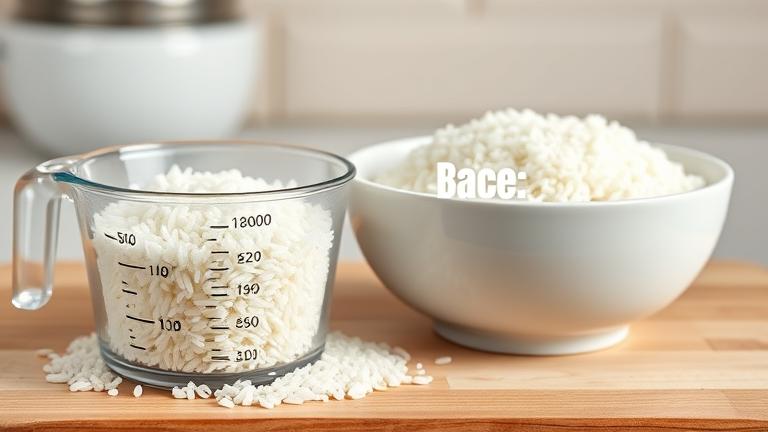
For those without a kitchen scale, using cups to measure rice is a practical alternative. Visualizing a single serving becomes easier with this method. Generally, a single serving of cooked rice is about ¾ cup, which translates to approximately ¼ cup of uncooked rice per person.
This guideline helps control portion sizes and ensures a balanced meal. Keep in mind that different types of rice may expand differently when cooked.
For instance, brown rice typically absorbs more water and yields a larger volume compared to white rice. Adjust the amount of uncooked rice accordingly to achieve the desired ¾ cup cooked serving.
Accurate measurement is key, but don’t be afraid to experiment and adjust to your personal preferences.
Calorie Count: Rice Servings and Your Diet
Rice is a staple in many diets, but its impact on calorie intake can be significant, especially for those managing their weight.
For effective weight management, it’s essential to be mindful of rice servings. Opting for smaller portions and incorporating rice into balanced meals with plenty of vegetables and lean protein can help control calorie intake.
Choosing brown rice over white rice can also be beneficial, as it offers more fiber, which aids in satiety and helps regulate blood sugar levels. Additionally, consider exploring other grains like quinoa or farro, which can provide similar textures with different nutritional profiles.
Rice Varieties: Does the Type Affect Serving Size?
Portion sizes can vary depending on the type of rice you’re serving. White rice, being more processed, generally has a higher glycemic index, which may impact blood sugar levels more quickly. Therefore, a slightly smaller serving size might be recommended compared to brown rice.
Brown rice, with its higher fiber content, digests more slowly and can contribute to a feeling of fullness, potentially justifying a slightly larger serving. Wild rice, technically a seed, is also rich in nutrients and fiber, making it a healthy option; serving sizes can be similar to that of brown rice.
Ultimately, individual needs and dietary goals should guide portion sizes, but understanding the nutritional differences between rice types can inform healthier choices.
Beyond the Cup: Creative Ways to Enjoy Rice in Moderation
Rice can be a versatile and nutritious addition to a balanced diet when consumed in moderation. It provides essential carbohydrates for energy, but portion control is key to avoiding excess calorie intake. Here are some ideas to thoughtfully incorporate rice: Portion Control: Use measuring cups to manage serving sizes. A typical serving is about ½ cup cooked rice.
Choose Whole Grains: Opt for brown rice, wild rice, or other whole-grain varieties to increase fiber intake, which aids in digestion and helps you feel full longer. Mix with Vegetables: Add chopped vegetables like broccoli, carrots, and peas to your rice dishes to boost nutrient content and volume without significantly increasing calories.
Lean Protein Pairing: Combine rice with lean proteins such as grilled fish or chicken to create a balanced meal that supports muscle health and satiety. Consider pairing rice with grilled salmon for a healthy meal. Limit High-Calorie Additions: Be mindful of high-fat sauces, dressings, and toppings that can quickly turn a healthy rice dish into a calorie-laden one.
Rice Alternatives: Explore alternative grains like quinoa or barley for variety and added nutritional benefits. Mindful Cooking Methods: Steam or boil rice instead of frying it to keep the fat content low. By following these tips, you can enjoy rice as part of a healthy, balanced diet without overindulging.