
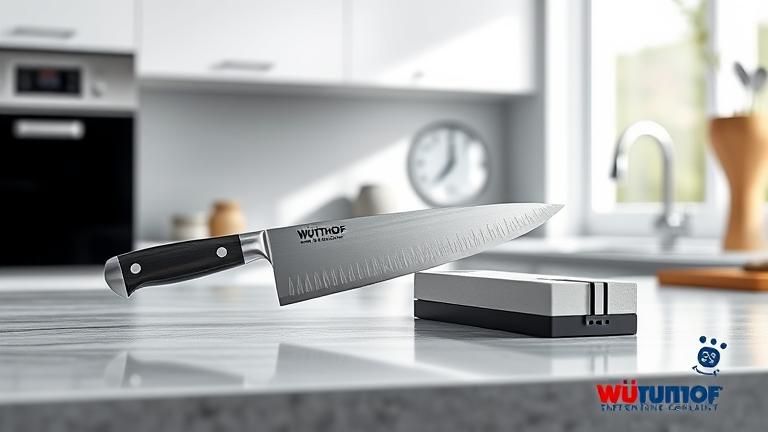
How Often to Sharpen Wusthof Knives
Keeping your Wusthof knives sharp is key to making your cooking easier and more enjoyable. But how often should you sharpen them? The answer depends on how often you use your knives and how well you take care of them. Generally, regular sharpening helps maintain their edge and ensures safe, precise cutting.
If you use your Wusthof knives daily for chopping vegetables, slicing meat, or preparing meals, you might need to sharpen them every three to six months. For those who cook less frequently, sharpening once or twice a year may be enough. Remember, a dull knife is more dangerous because it requires more force to cut, increasing the risk of slips and accidents.
To figure out if your knives need sharpening, pay attention to how they perform during use. Here are some signs it’s time to sharpen your Wusthof knives:
- The knife cuts less smoothly and requires extra pressure.
- You notice a tear or ragged edge on your slices.
- The knife is making your cutting tasks more tiring.
- Food begins to stick more to the blade than usual.
Another simple test is the paper test: gently swipe the blade on a piece of paper. A sharp knife slices cleanly through without dragging or tearing. If it struggles, it’s time for a refresh.
It’s also helpful to keep your Wusthof knives regularly honed between sharpenings. Honing realigns the blade’s edge and can extend the time between sharpening sessions. Use a honing steel, and do it every few uses to keep your knives in top shape.
Remember, sharpening too often is unnecessary and can wear down the blade over time. Follow the manufacturer’s recommendations and your own observation of blade performance. If you’re unsure, a professional sharpening service can assess your knives and sharpen them properly. Proper care and timely sharpening will keep your Wusthof knives performing well, making your cooking safer and more enjoyable for years to come.
Signs Your Wusthof Knives Need Sharpening
Having a sharp Wusthof knife makes chopping, slicing, and dicing much easier and safer. But over time, even the best knives can become dull. Knowing the signs that your knife needs sharpening helps you stay safe in the kitchen and keeps your prep work smooth.
One of the most obvious signs is when your knife starts to feel dull. You might notice that it doesn’t cut through ingredients easily, requiring more effort than usual. Instead of slicing smoothly, the blade may drag or slip. This extra force can lead to accidents, so it’s important to address dullness sooner rather than later.
Another common sign is difficulty cutting through certain foods. For example, if your razor-sharp tomatoes now squish instead of slice, or if your onions require more pressure than they used to, it could be time to sharpen your Wusthof knives. If ingredients seem to cling or mash instead of cleanly cutting, the blade may have lost its edge.
Visual cues are also helpful. Examine the edge of your knife under good lighting. A dull blade often shows tiny chips or a flattened edge, instead of a crisp, fine cutting surface. Sometimes, you might notice a shiny, reflective line along the edge. This is a sign that the blade has become rounded or blunted from frequent use.
Another tip is to pay attention to how your knife feels. If it feels less responsive or if you notice that you’re applying more force during cutting, it indicates dullness. A dull knife not only makes cooking more difficult, but it also increases the risk of slips and accidental cuts.
Some cooks keep an eye on the overall quality of their Wusthof knives by testing their sharpness. A simple test is the “paper slice.” Try slicing a piece of paper with your knife. If the knife cleanly cuts through without tearing or snagging, it’s still sharp. If it struggles or tears the paper, it’s time for sharpening.
- Persistent dullness even after honing can mean sharpening is needed.
- If you notice uneven cutting, with some parts of the edge duller than others.
- Edges that look rounded or chipped weaken the knife’s performance and safety.
Keeping an eye out for these signs helps ensure your Wusthof knives stay in top condition. Regular sharpening not only maintains their cutting power but also prolongs their lifespan. When you notice these indicators, it’s a good idea to sharpen your knives promptly for a safe and efficient kitchen experience.
Tips for Keeping Your Knives Sharp
Having a sharp knife makes prep work easier, safer, and more enjoyable. Keeping your knives in top shape involves simple habits and regular care. With a few practical tips, you can extend the sharpness of your knives and avoid the frustration of dull blades.
The first step is choosing how to store your knives. Proper storage protects the blade edge from damage. Avoid tossing knives in a drawer where they can bump against other utensils. Instead, use a knife block, a magnetic strip mounted on the wall, or a knife guard. These options keep the edge protected and prevent accidents.
Cleaning your knives properly is also essential. Wash knives by hand with warm water and mild dish soap right after use. Avoid putting knives in the dishwasher, as the high heat and harsh detergents can dull or damage the blade. After washing, dry the blade thoroughly with a towel to prevent rust and corrosion. Never leave knives soaking in water for a long time, as exposure to moisture can weaken the metal.
Regular honing is a key practice to maintain sharpness. Honing realigns the edge of the blade, which can bend slightly during use. Use a honing steel a long, smooth rod to gently straighten the edge. Hold the steel vertically and slide the blade down at a 15 to 20-degree angle, starting from the handle to the tip. Repeat this process about five times on each side. Regular honing, ideally every few uses, keeps the blade aligned and sharp longer.
Never underestimate the importance of proper technique when cutting. Use a gentle, rocking motion and let the knife do the work. Applying excessive force can bend or dull the blade faster. Also, avoid cutting through bones or very hard substances regularly unless your knife is designed for it, as this can chip the blade or dull it quickly.
Knowing when to sharpen your knives is equally important. A dull knife requires more force and can be dangerous. Look for signs like a knife that slips or tears the food instead of slicing cleanly. To test sharpness, gently run your finger along the edge if it feels dull or blunt, it’s time for sharpening.
If you don’t own a sharpening stone or electric sharpener, consider taking your knives to a professional for sharpening once or twice a year. This restores the blade’s edge to its original sharpness. Between sharpenings, honing regularly will keep your knives in top shape and save you time and effort in the kitchen.
- Store knives properly to prevent damage to the blade.
- Clean and dry knives immediately after use.
- Hone frequently to realign the edge and keep it sharp.
- Avoid cutting hard materials unless your knife is designed for it.
- Sharpen when the blade feels dull or slips during cutting.
Best Methods to Sharpen Wusthof Knives
Keeping your Wusthof knives sharp is essential for safe and efficient cooking. Sharp knives cut better, last longer, and make prep work much more enjoyable. There are several effective ways to sharpen your Wusthof knives, from simple honing techniques to professional services.
First, it is helpful to understand that sharpening and honing are different. Honing realigns the edge and keeps it sharp longer, while sharpening actually removes metal to create a new edge. Both steps can be part of a regular knife-maintenance routine.
Using a Whetstone
A whetstone, also called a sharpening stone, is one of the best tools for sharpening Wusthof knives at home. It offers precision and control when restoring a dull edge.
- Start by soaking the whetstone in water for about 10-15 minutes. This helps prevent chips and creates a smoother sharpening surface.
- Place the stone on a damp cloth or non-slip mat to keep it steady.
- Hold the knife at a 20-degree angle to the stone’s surface. If you’re unsure about the angle, imagine slicing a thin layer off the stone with each stroke.
- Gently slide the blade across the stone, from the heel to the tip, applying light pressure. Repeat for 10-15 strokes per side.
- Switch to the finer side of the whetstone (if your stone has two grits) for honing and polishing the edge.
After sharpening, rinse the knife and wipe it dry. Use a honing rod afterward to fine-tune the edge. Whetstones take practice, but they let you achieve a very sharp and precise blade.
Using a Honing Rod
A honing rod, often made of steel or ceramic, lines up the blade’s edge and keeps it sharp between sharpenings. It is quick and easy to use for daily maintenance.
- Hold the honing rod vertically with your hand near the top of the rod, or set it on a towel to stabilize it.
- Position the blade at a 20-degree angle against the rod’s side.
- Swipe down the blade, from the heel to the tip, matching the angle and applying gentle, consistent pressure.
- Repeat 5-10 times per side, alternating sides each time.
This method doesn’t actually sharpen the blade but helps keep it aligned, ensuring cleaner cuts and a longer-lasting edge.
Professional Sharpening Services
If you prefer a hassle-free option or need more extensive sharpening, professional knife sharpening services are a good choice. Experts use industrial-grade tools to restore even very dull or damaged blades.
- Look for reputable local knife shops or culinary stores that offer sharpening services.
- Ask about their process and whether they use whetstones, belts, or other equipment.
- Professionally sharpened Wusthof knives usually regain their factory edge and stay sharp longer.
Keep in mind that frequent professional sharpening may slightly remove metal over time, so only rely on it as needed, typically every 1-2 years depending on use.
Tips for Best Results and Safety
- Always hold your knife securely and keep fingers clear of the edge during sharpening.
- Maintain a consistent angle usually around 20 degrees for even sharpening.
- Use light pressure; pressing too hard can damage the blade or cause slips.
- After sharpening, test the edge on a piece of paper or tomato for a clean cut.
- Sharpen your knives in a well-lit area on a stable surface.
With these methods, your Wusthof knives can stay sharp and ready for all your culinary adventures. Regular care ensures they give you perfect slices for years to come.
Common Mistakes When Sharpening Knives
Sharpening your knives is an essential part of keeping them safe and effective in the kitchen. However, it’s easy to make mistakes that can either damage your blades or make the process less effective. Being aware of these common errors can help you sharpen your knives correctly and safely.
One of the most common mistakes is not maintaining the proper angle while sharpening. Most knives are best sharpened at a specific angle, usually between 15 and 20 degrees. If you angle the blade too much or too little, you risk dulling the edge or creating an uneven, weak point. For example, beginners often tilt the blade too steeply, which causes frequent sharpening and wears down the edge faster.
Another mistake is applying too much pressure during sharpening. Pushing too hard may seem like it speeds things up, but it can actually remove too much metal and damage the blade. Instead, use a gentle, consistent pressure. Think of it more as guiding the knife along the sharpening stone rather than forcing it through.
Over-sharpening is also a common concern. Sharpening the blade too often can thin out the edge and make it fragile. Normally, a dull blade only needs to be sharpened when it no longer cuts well. Frequent sharpening can weaken the blade and reduce its lifespan. A good rule is to sharpen only when necessary and use a honing steel in between to keep the edge aligned without removing metal.
Another mistake involves using the wrong sharpening equipment. Not all stones or tools are suitable for every type of knife. For example, ceramic knives require special sharpening tools. Using the wrong grit can either fail to sharpen the blade properly or damage it. It’s best to use a medium grit for regular sharpening and switch to a finer grit for polishing the edge.
A careless mistake is neglecting safety precautions. Always keep your fingers away from the blade’s path and stabilize the knife securely. If your tool slips, it can cause cuts or injuries. Use a sharpening guide if needed and always sharpen on a stable, flat surface.
- Brush off metal swarf (tiny metal filings) from your stone regularly to keep the surface clean.
- Test your blade on a piece of paper or a tomato to check sharpness before cutting food.
- Store your knives properly after sharpening to prevent damage to the sharpened edge.
By avoiding these common mistakes, you can sharpen your knives more effectively and extend their lifespan. Remember to take your time, focus on the correct angle, and always prioritize safety. With practice, sharpening will become a quick and satisfying part of your kitchen routine.