
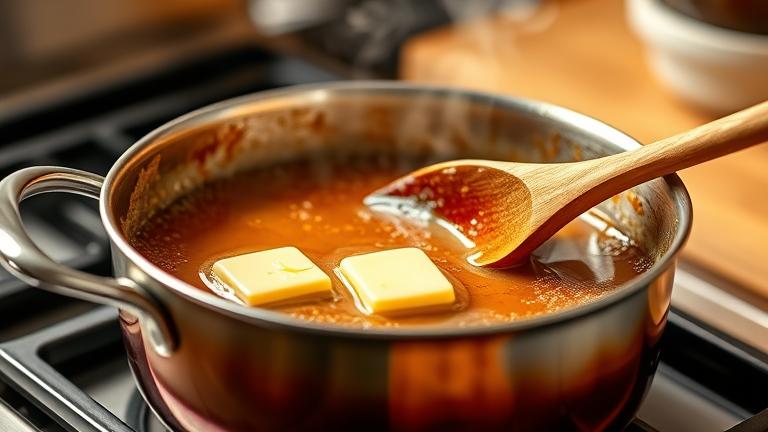
Tips for Perfect Caramelized Brown Sugar and Butter
Creating a rich, caramelized brown sugar and butter mixture can add delicious depth to your desserts and sauces. To get that perfectly smooth, golden-brown caramel every time, follow these friendly and practical tips. They will help you keep control during the cooking process and avoid common pitfalls.
Start with Quality Ingredients
Use fresh, high-quality brown sugar and good butter. Fresh brown sugar is less likely to clump and will melt more evenly. For butter, opt for unsalted so you can better control the salt content if adding to your recipe. The quality ingredients make a noticeable difference in flavor and texture.
Prepare Your Equipment and Ingredients
- Choose a heavy-bottomed saucepan or skillet. This type of pan distributes heat evenly, preventing hot spots that can cause burning.
- Measure your ingredients carefully. Precise measurements will help you maintain the right sugar-to-butter ratio and control the caramelization process.
- Keep all your tools nearby. Caramel can go from perfect to burnt quickly, so having a spatula, spoon, and thermometer close at hand is essential.
Control the Temperature
Caramelizing sugar requires gentle heat. Use a medium to medium-low setting on your stove. When melting brown sugar and butter together, start slow to allow the sugar to dissolve completely, which prevents clumps and scorching.
To monitor heat precisely, use a candy or digital thermometer. Aim for a temperature around 320 to 350 degrees Fahrenheit (160 to 177 degrees Celsius). This range ensures proper caramelization without burning the sugars.
Follow the Proper Cooking Technique
- Combine the butter and brown sugar in the pan. Stir constantly over low heat until the mixture melts completely and becomes smooth.
- Increase the heat slightly if needed, but keep stirring. Be patient rushing the process often causes burning or uneven caramelization.
- Watch for a change in color to a deep golden or light amber. This is a good sign that caramelization is happening. Remove the pan from heat immediately to prevent overcooking.
Timing and Patience Are Key
It takes about 5 to 10 minutes for the sugar to melt and caramelize, depending on quantity and heat. Keep stirring during this time without rushing. The caramel can quickly go from perfect to burnt, so stay attentive.
If your caramel looks too dark, it may taste burnt and have a bitter flavor. If it’s too pale, it might need more time to develop that signature caramel flavor.
Final Tips for Success
- Never allow the mixture to boil rapidly or jump to a high temperature. Slow and steady wins the race.
- Once you achieve the right color, remove from heat immediately. If using for a sauce, stir in cream or vanilla quickly to stop the cooking process and add flavor.
- Allow the caramel to cool slightly before using. Hot caramel can be very sticky and difficult to work with.
With these simple tips, you’ll master the art of caramelized brown sugar and butter, adding rich, sweet flavor to your favorite recipes. Practice makes perfect, so don’t be discouraged if it takes a few tries to get it just right!
Common Mistakes When Caramelizing
Caramelizing sugar might seem simple, but it’s easy to make mistakes that can affect the final taste and texture. Understanding these common errors helps you create perfect caramel every time. Whether you’re making caramel sauce, caramelized fruits, or sugar decorations, knowing what to watch out for is key.
Overcooking the Sugar
One of the most common mistakes is overcooking the sugar. When sugar turns too dark or begins to smell burnt, it means it has gone past the caramel stage. Overcooked caramel can taste bitter and have a burnt flavor that ruins your dish.
To avoid this, keep a close eye on the color. The caramel should be a light amber shade. Remove it from heat as soon as you see this color because sugar continues to cook even after you take it off the stove.
Undercooking the Sugar
Other times, the caramel may not develop enough color or flavor. This happens if you remove the sugar too early. Undercooked caramel is often bland, sticky, or grainy because it hasn’t fully melted and transformed into that smooth, glossy liquid.
Patience is important. Wait until the sugar melts completely and reaches a light amber hue before removing it from the heat. If needed, gentle stirring helps dissolve the sugar evenly.
Using the Wrong Equipment
Both a pan that’s too thin or having uneven heating can cause uneven caramelization. Thin pans heat quickly and can cause hot spots, leading to burnt areas while other parts remain undercooked.
Choose a heavy-bottomed pan that heats evenly. Use a wooden spoon or high-heat tolerant silicone spatula to stir, especially if you’re making caramel sauce. Avoid metal whisks which can cause sudden temperature changes.
Adding Water or Other Ingredients Too Early
If you’re making caramel from scratch by melting sugar, adding water at the wrong stage can cause crystallization or uneven caramelization. Wait until the sugar has fully melted and turned an amber color before introducing other ingredients like cream or butter.
Adding liquids too early can cause the sugar to seize up or crystallize, resulting in a grainy texture rather than silky smooth caramel.
Signs of Improper Caramelization and Troubleshooting
| Sign | Cause | Solution |
|---|---|---|
| Dark, burnt smell | Overcooking or leaving on heat too long | Remove from heat immediately and start a new batch if needed |
| Grainy or cloudy caramel | Crystallization, often from adding water too early or stirring too aggressively | Use a clean, damp pastry brush to dissolve sugar crystals, and avoid stirring once sugar starts melting |
| Sticky or too thick | Undercooked or cooled too quickly | Reheat gently to loosen or start again for best results |
By paying attention to the color and aroma, using the right equipment, and timing ingredient addition properly, you’ll avoid most common caramelization mistakes. Practice makes perfect, so don’t be discouraged if your first few attempts aren’t perfect. With a little patience, you’ll master the art of perfect caramel.
Step-by-Step Caramelization Guide
Caramelizing brown sugar and butter is a wonderful way to add rich, sweet flavor to many desserts. While it might seem tricky at first, with a little patience and attention, you can make a smooth, golden caramel every time. This guide will walk you through each step, giving you practical tips to succeed.
Gather Your Ingredients and Equipment
Start with your basic ingredients: brown sugar and butter. Use fresh, high-quality ingredients for the best flavor. You will also need a heavy-bottomed saucepan or skillet to promote even heating. A wooden spoon or silicone spatula is ideal for stirring, and a good thermometer can help monitor temperature if needed.
Step 1: Melt the Butter
Place the butter in your pan over medium heat. Let it melt slowly, stirring gently so it melts evenly. This initial step creates the base for your caramel. Be careful not to let the butter brown or burn at this stage.
Step 2: Add the Brown Sugar
Once the butter has melted, add the brown sugar. Stir continuously to combine the two. You’ll notice the mixture starting to bubble and become glossy. Keep stirring to prevent lumps and ensure the sugar dissolves completely. If your sugar doesn’t dissolve well, lower the heat slightly.
Step 3: Bring to a Gentle Simmer
Allow the mixture to simmer gently. It will start to darken in color and thicken. During this stage, watch closely as caramel can go from perfect to burnt quickly. Stir occasionally to prevent sticking or burning at the bottom. If you see spots of darker caramel, gently scrape them back into the mixture.
Step 4: Monitor Color and Consistency
Focus on the color; aim for a golden amber shade. This indicates your caramel has developed its sweet, nutty flavor. The consistency should be smooth and pourable if it becomes too thick, you can add a small splash of warm water to loosen it up. Use a thermometer if you want to be precise 175°C (350°F) is typical for caramelization.
Tips for Perfect Caramel
- Keep the heat moderate; too high can lead to burning.
- Stir gently but constantly once the sugar begins to melt to prevent crystallization.
- Use a clean spatula or spoon to scrape the sides of the pan as sugar can crystallize there and cause graininess.
- If the sugar seizes or hardens, add a splash of warm water and stir until smooth again.
Common Mistakes to Avoid
- Overheating the mixture, which results in bitter, burnt caramel.
- Not stirring enough, leading to uneven caramelization or crystallization.
- Adding cold butter directly from the fridge, which causes splattering; instead, let it soften slightly.
Once your caramel reaches a rich golden color and a smooth texture, it’s ready to be used in sauces, toppings, or recipes. Remember, practice makes perfect, and each batch teaches you how your stove and pan behave. With these steps and tips, you’ll soon master the art of caramelizing brown sugar and butter to enhance your desserts beautifully.
Using Caramelized Sugar and Butter in Desserts
Caramelized sugar and butter are two classic ingredients that can transform simple desserts into something extra special. The rich, deep flavors of caramel bring a hint of sweetness and depth, while butter adds creaminess and smoothness. Together, they create a versatile combination that can be used in many ways to enhance your sweet treats.
One of the most common ways to use caramelized sugar and butter is as a topping. Drizzling warm caramel over ice cream, puddings, or fruit crisps instantly adds a glossy, flavorful finish. It’s easy to make your own caramel sauce at home by melting sugar until it turns a deep amber, then stirring in butter and a splash of cream. Be careful while cooking sugar because it can get very hot, so keep an eye on it and avoid stirring too much once it starts to caramelize.
Caramelized Sugar and Butter in Fillings
These ingredients also make wonderful fillings for cakes, tarts, and pastries. For example, a caramel apple tart can feature a layer of caramelized apples topped with a drizzle of caramelized butter. To prepare a caramel filling, cook sugar and butter together until the mixture reaches a rich, thick consistency. This filling pairs well with chocolate, pecans, or sea salt for a balanced flavor.
Flavor Enhancements and Additions
Caramelized sugar and butter can serve as flavor boosters in other desserts. Mix a spoonful into brownie batter or cookie dough for a hint of caramel flavor. They can also be swirled into coffee-flavored ice cream or used to flavor whipped cream for an elegant touch. Adding a pinch of sea salt can emphasize the caramel notes and create a delicious sweet-salty contrast.
Practical Tips for Perfect Caramelization
- Use a heavy-bottomed saucepan to prevent hot spots that can burn the sugar.
- Stir the sugar gently once it starts melting, but avoid aggressive stirring while it caramelizes to prevent crystallization.
- Remove the pan from heat as soon as the sugar turns a deep amber color to prevent burning.
- When adding butter, do so carefully to prevent splattering, as the mixture will bubble vigorously.
- Allow caramelized sugar and butter to cool slightly before using in recipes to avoid melting or over-thickening.
Common Mistakes to Avoid
- Burning the sugar by cooking it too long or at too high a temperature.
- Adding cold butter directly from the fridge, which causes splattering; instead, let it soften slightly.
- Not stirring enough during the caramelizing process, which can lead to uneven coloring and flavor.
| Usage Idea | Example |
|---|---|
| Topping | Caramel drizzle on ice cream or hot puddings |
| Filling | Caramelized apple tart or caramel-filled cupcakes |
| Flavor Enhancement | Swirled into brownie batter or mixed into whipped cream |
Experimenting with caramelized sugar and butter can open up many delicious possibilities in your baking. With a little practice, you’ll find the perfect ways to add rich, warm flavors to your desserts and impress friends and family with your sweet creations.
Healthiest Options for Caramelizing
Caramelizing your ingredients, such as brown sugar and butter, creates delicious and rich flavors for desserts and dishes. If you want to make this process healthier, don’t worry there are simple swaps and techniques that can help reduce added sugars, fats, and calories while still achieving that beautiful caramel color and taste.
Choose Healthier Sweeteners
Instead of traditional brown sugar, consider using natural sweeteners like honey, maple syrup, or coconut sugar. These options can provide a more nutritious profile and add unique flavors to your caramel. For example, maple syrup contains antioxidants and minerals like manganese and zinc. When substituting, use slightly less honey or syrup than sugar because they are sweeter, and remember to adjust liquids in the recipe accordingly.
Optimize Your Cooking Techniques
The key to healthy caramelizing is controlling the heat and cooking time. Use low to medium heat to prevent burning and to allow the sugars to caramelize slowly. This reduces the formation of harmful compounds that can develop at higher temperatures.
Stir constantly during caramelization to distribute heat evenly and prevent sticking or burning. Keep a close eye on the process, as caramel can quickly go from perfect to burnt. Using a heavy-bottomed pan can help maintain uniform heat and provide better control.
Another tip is to add a splash of water or milk as you cook your sugar. This helps dissolve the sugar gradually and softens the caramelization process, resulting in a smoother texture and fewer burnt bits.
Modify Fats and Additions
Instead of butter, consider using healthier fats like olive oil or coconut oil for caramelizing. While butter adds richness, these oils contain healthier fats and can alter the flavor profile slightly, making your caramel lighter and more nutritious.
For a boost of fiber and nutrients, you can also include add-ins like chopped nuts or seeds during the finishing stages of caramelization. Just toss them in once the caramel is hot but not bubbling vigorously, to preserve their crunch and nutritional benefits.
Making a Healthier Caramel Recipe
| Ingredient | Standard Amount | Healthier Substitute | Notes |
|---|---|---|---|
| Brown Sugar | 1 cup | Coconut sugar or honey | Use about ¾ cup of honey or coconut sugar as they are sweeter. |
| Butter | 2 tablespoons | Olive oil or coconut oil | Use a similar amount; adds healthier fats. |
| Sugar Water | N/A | Water with a splash of lemon juice | Helps dissolve sugar evenly, reducing burning risk. |
By choosing these alternatives and cooking carefully, you can enjoy caramelized treats that are both delicious and better for your health. Remember, small changes can make a big difference in your overall nutrition without sacrificing flavor. Happy caramelizing!
Troubleshooting Common Issues
Crystallization
One common problem when making caramel is crystallization, which results in a grainy or lumpy texture. Crystals form when sugar molecules clump together instead of melting smoothly. To prevent this, start with a clean, dry saucepan and avoid stirring once the sugar has begun melting.
Adding a small amount of acid, like lemon juice or cream of tartar, can help break down sugar crystals and promote a smooth caramel. Be sure to add these ingredients right at the beginning before the sugar begins to melt. If your caramel crystallizes, gently reheat it over low heat while stirring gently until it melts back into a smooth consistency.
Using a pastry brush dipped in water to wash down any sugar crystals on the sides of the pan can also help prevent crystals from forming during cooking. Patience and gentle heat are key to avoiding grainy caramel.
Burning the Caramel
Burned caramel has a bitter taste and dark, uneven color. This usually happens when the heat is too high or when you leave the caramel unattended. To prevent burning, keep the heat at medium or medium-low and watch it carefully during the cooking process.
When the caramel reaches a rich amber color, it’s usually ready. Remove it from the heat promptly to avoid overcooking. If you notice the caramel is darkening too quickly, reduce the heat immediately and add a splash of water or cream if the recipe calls for it. This will stop the cooking process and prevent burning.
Stirring too vigorously or using a metal spoon on hot caramel can also cause uneven cooking and burning. Instead, use a heatproof silicone spatula or a long-handled spoon for gentle stirring. Always stay nearby when melting sugar, as caramel can quickly jump from perfect to burnt.
Uneven Color or Texture
If your caramel turns out unevenly colored or with inconsistent texture, it could be due to uneven heat or stirring. Make sure to cook the sugar evenly by gently swirling the pan instead of stirring vigorously once it starts melting. This helps distribute heat uniformly.
Using a heavy-bottomed saucepan ensures even heat and reduces hot spots that cause uneven cooking. If your caramel looks streaky or spotty, don’t panic. You can try reheating it gently and stirring very carefully to blend the color and smooth out the texture.
Tips for Better Caramel Results
- Use a heavy-bottomed saucepan for even heating.
- Start with clean, dry equipment to prevent crystallization.
- Monitor heat carefully and avoid rushing the process.
- Add acids like lemon juice or cream of tartar to prevent crystal formation.
- Stay attentive, especially as the caramel color deepens, to prevent burning.
Remember
Caramel can sometimes be tricky, but with patience and attention, you can master it. Keep these tips in mind, and don’t be discouraged by initial mishaps. Practice makes perfect, and soon you will achieve that velvety smooth, beautifully colored caramel every time.
Creative Recipes Using Caramelized Sugar and Butter
Caramelized sugar and butter are magical ingredients that add a rich, deep flavor to many dishes. When you cook sugar until it turns a golden caramel color and combine it with butter, you create a sweet, nutty base perfect for both desserts and savory treats. These ingredients can elevate your baking game and inspire new culinary creations that will impress family and friends.
One of the simplest yet most impressive ways to use caramelized sugar and butter is in sauces. A caramel butter sauce pairs beautifully with ice cream, pancakes, or roasted fruits. It’s easy to make: melt butter in a saucepan, add sugar and cook until it turns a rich amber, then stir in cream or a splash of vanilla for extra flavor. Drizzle it over desserts for an elegant finish or use it as a dipping sauce for cookies and fruits.
Creative Dessert Ideas
- Caramelized Banana Tart: Slice bananas and caramelize them in butter and sugar until golden. Spread a simple pastry crust with a layer of custard, then top with the caramelized bananas. Bake until the crust is crisp and the filling is set. Serve warm with a scoop of vanilla ice cream.
- Butter-Sugar Ice Cream Topping: Make a quick caramel sauce with sugar and butter, then pour it over homemade or store-bought ice cream. Add chopped nuts or sea salt for extra dimension.
- Caramel Flan or Pudding: Use caramelized sugar as the base for a smooth custard. The rich, deep caramel flavor makes this classic dessert an instant crowd-pleaser that you can prepare ahead of time.
Elegant Savory Dishes
Caramelized sugar and butter aren’t just for sweets. Try adding a touch of caramel to your savory dishes to create complex flavors. For example, caramelized onions are a perfect addition to burgers, salads, or pasta. You can also incorporate caramelized butter into glazes for roasted vegetables or meats.
To make a simple caramelized butter glaze, gently cook butter with sugar until it turns a light amber. Brush this over roasted carrots or pork for a beautiful finish that combines sweetness with savory depth.
Creative Tips and Tricks
- Be patient when caramelizing sugar. Keep a close eye and stir gently to prevent burning.
- Use heavy-bottomed pans to ensure even heat distribution and avoid hotspots.
- To prevent crystallization, add a small amount of lemon juice or corn syrup when melting the sugar.
- Experiment with flavor additions like sea salt, cinnamon, or vanilla during the caramelization process for unique twists.
Safety Note
Caramelized sugar becomes extremely hot and can cause serious burns if spilled or touched. Always pour liquids slowly into the hot caramel to avoid splatters, and handle the saucepan with oven mitts. Keep children and pets away from the stove when working with hot sugar.
With these ideas and tips, you can turn simple caramelized sugar and butter into a variety of creative dishes. Whether sweet or savory, these ingredients help create memorable flavors that will delight everyone at your table.