
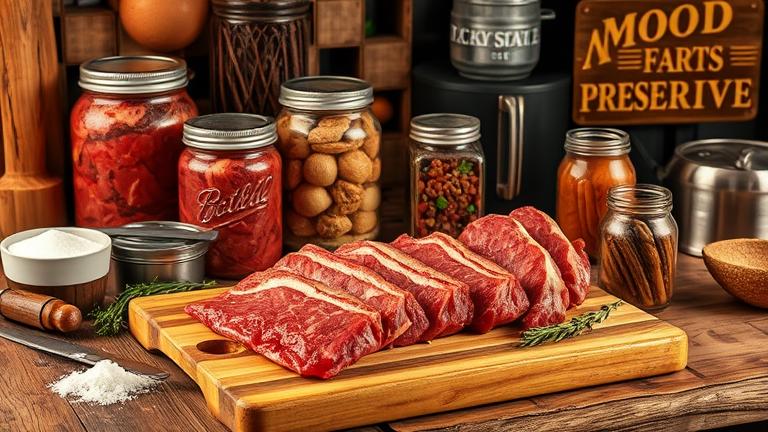
Methods of Meat Preservation
Preserving meat is an important part of cooking that helps ensure it stays safe to eat and retains its flavor. There are many methods, both traditional and modern, that can preserve meat effectively. Each technique has its benefits and best uses, so understanding them can help you choose the right one for your needs.
Traditional Preservation Methods
Traditional methods have been used for centuries and often rely on simple techniques that reduce moisture or inhibit bacteria growth. These include curing, drying, smoking, and salting.
Curing and Salting
Curing involves adding salt, sugar, nitrates, or nitrites to meat to prevent bacterial growth. Salt draws out moisture from the meat, making it inhospitable for bacteria. Many types of ham, bacon, and dried sausages are preserved this way. Be cautious with nitrates and nitrites, as they should be used responsibly to avoid health risks.
Drying and Dehydration
This method removes moisture from meat, which bacteria need to grow. Traditional jerky is made by slicing meat thin and drying it in the sun or oven. Modern dehydration machines are excellent for evenly removing moisture without much effort. Make sure to store dried meat in a cool, dry place to keep it safe.
Smoking
Smoking adds flavor and preserves meat by exposing it to smoke from burning wood or other materials. The chemicals in smoke possess preservative properties and inhibit bacterial growth. Smoked meats like ham, salmon, and sausages are flavorful options that last longer when smoked properly.
Modern Preservation Techniques
Technological advancements have introduced new methods to keep meat safe and fresh for longer. Freezing and vacuum sealing are popular modern strategies, while curing and marinating are also embraced in some cases.
Freezing
Freezing is one of the simplest and most common ways to preserve meat today. It slows down bacterial activity and keeps meat safe for months. For best results, freeze meat at 0°F (-18°C) or lower. Wrap it tightly in plastic or foil to prevent freezer burn, which can affect quality.
Vacuum Sealing
This technique removes air from packaging, reducing oxidation and bacterial growth. Vacuum-sealed meat stays fresh longer in the freezer and can also be stored in the refrigerator for a few days. It’s great for preserving leftovers or buying in bulk.
Curing and Marinating
Modern curing uses chemical cures or herbs, spices, and acids in marinades. These can add flavor and help preserve meat. For example, marinating chicken in lemon juice and herbs can slightly extend its shelf life in the fridge.
Safety Tips for Meat Preservation
- Always start with fresh, high-quality meat.
- Clean all surfaces and tools thoroughly before and after handling meat.
- Follow recommended storage times and temperatures.
- When in doubt, use a refrigerator thermometer to check your freezer or fridge is at the correct temperature.
- If you’re curing or drying meat at home, research safety guidelines carefully to prevent foodborne illnesses.
Combining methods, like freezing vacuum-sealed meat or using smoking after curing, can further extend shelf life. With the right technique, you can enjoy your favorite meats safely for weeks or even months, saving money and reducing waste.
Health Benefits of Preserved Meat
Preserved meat, when done correctly, can be a tasty and nutritious addition to your meals. Unlike fresh meat, preserved options like jerky, cured sausages, or dried meats have a longer shelf life, making them convenient for quick snacks or hearty dishes. Many preservation methods help retain essential nutrients, so you can enjoy the health benefits of meat even when fresh options aren’t available.
One of the main advantages of preserved meat is its high protein content. Protein is vital for building and repairing body tissues, supporting immune function, and providing energy. Preserved meats like beef jerky or dried fish are packed with protein, making them a smart choice for active lifestyles or busy days when meal prep is limited.
Additionally, preserved meats often contain important nutrients such as iron, zinc, and B vitamins. Iron helps prevent anemia by supporting red blood cell production, while zinc boosts your immune system. B vitamins are essential for converting food into energy and maintaining healthy brain function.
Another benefit of proper preservation is the retention of flavor and nutrients. For example, salting and drying meat with controlled methods allow the meat to keep its natural vitamins and minerals. However, it’s important to note that overuse of salt or preservatives can diminish health benefits and pose health risks, especially for those with high blood pressure or heart concerns.
Using safe preservation techniques also minimizes harmful bacteria or mold growth. Techniques like drying, curing with salt or nitrates, and freezing at appropriate temperatures help keep meat safe to eat for extended periods. Always follow recommended safety guidelines, such as washing your hands before handling meat and storing it at the right temperature to prevent spoilage.
Incorporating preserved meat into your diet can be healthy if you choose high-quality options and store them properly. Look for products that use natural preservatives or minimal additives. Reading labels carefully helps identify preserved meats that retain maximum nutrients and are low in unnecessary chemicals.
Some practical tips for enjoying preserved meat healthily include:
- Opt for dried or cured meats that are nitrate-free or have minimal preservatives.
- Store preserved meats in a cool, dry place or in the fridge to prevent spoilage.
- Limit consumption of processed meats high in sodium and additives, especially if you have health concerns.
- Wash your hands thoroughly before handling preserved meat, and always cook or rehydrate it according to instructions to ensure safety.
To sum it up, preserved meats can offer many of the same nutritional benefits as fresh meat if prepared and stored properly. They provide a good source of protein, vitamins, and minerals, and can be a convenient option for a healthy diet. Just remember to choose wisely, pay attention to labels, and follow safety practices to enjoy all the benefits without risks.
Traditional vs. Modern Techniques
When it comes to preserving meat, both traditional and modern methods have their own unique advantages and quirks. Understanding the differences can help you choose the best approach depending on your needs, equipment, and taste preferences. Let’s explore how these techniques compare and how they’ve evolved over time.
Traditional Meat Preservation Methods
Traditional meat preservation relies on age-old techniques that people have used for centuries. Methods like curing, smoking, drying, salting, and fermenting have been passed down through generations. They often require minimal equipment and can be done with common ingredients like salt, sugar, and natural herbs.
For example, curing involves applying salt or a mixture of salt and sugar to draw moisture out of the meat, which helps prevent bacterial growth. Smoking not only adds flavor but also helps preserve meat by exposing it to smoke from burning wood, which contains natural preservative compounds.
Drying or air-curing is another popular traditional method. Meat is hung in well-ventilated areas until it loses moisture, creating a preserved product that can last for months. Fermentation, like making salami or saucisson, also plays a role by encouraging beneficial bacteria that inhibit spoilage organisms.
One great advantage of these methods is their simplicity and the rich flavors they develop. Plus, they often require no refrigeration, making them perfect for long-term storage in rural or off-grid settings. However, traditional techniques can be time-consuming and require careful handling to avoid spoilage or food safety issues.
Modern Meat Preservation Technologies
Modern preservation methods benefit from scientific advances and new technology. They often focus on speed, safety, and maintaining quality. Freezing is probably the most common modern technique, instantly halting bacterial growth by lowering the temperature. It’s quick and widely available, making it easy to store meat for months.
Vacuum sealing is another popular technology. By removing air from packaging, it minimizes oxidation and bacterial growth. When combined with freezing, vacuum-packed meat can stay fresh longer with less freezer burn.
High-pressure processing (HPP) uses extreme pressure to inactivate bacteria and extend shelf life. This method preserves the meat’s texture and flavor better than some traditional curing methods. Additionally, irradiation is sometimes used to eliminate bacteria, though it’s less common due to consumer concerns and regulatory restrictions.
Modern techniques also include nitrogen or carbon dioxide atmospheres in packaging. These gases create an environment hostile to bacteria, extending freshness. They are often used for deli meats and ready-to-eat products to ensure safety while keeping quality intact.
While these newer methods can be faster and more controlled, they often require specialized equipment and can be more expensive. They also give food producers a way to guarantee safety and extend shelf life, especially important in today’s global food supply chains.
Key Differences and Practical Tips
| Aspect | Traditional Techniques | Modern Technologies |
|---|---|---|
| Equipment | Minimal, often just salt, smoke, or air | Specialized machinery like freezers, vacuum sealers, high-pressure systems |
| Time | Longer, may take weeks to months | Faster, often within hours or days |
| Flavor Development | Rich, complex flavors achieved naturally | Less flavor development, mostly preservation focus |
| Safety | Requires careful handling; risk of spoilage if not done properly | More consistent safety due to control over conditions |
| Cost | Low initial cost, mainly ingredients | Can be expensive due to equipment and technology |
Whether you prefer traditional methods for their flavor and simplicity or modern techniques for convenience and safety, understanding these options helps you make informed choices. Both approaches have shaped the way we enjoy preserved meats today.
Best Practices for Preserving Meat
Properly preserving meat is key to keeping it fresh, safe to eat, and full of flavor. Whether you’re buying in bulk or planning to store leftovers, following the right techniques can make a big difference. Here, we’ll cover the best practices for storing meat at home so it stays high quality and safe from spoilage.
1. Keep Meat Cold
The most important rule in meat preservation is to keep it at the right temperature. Bacteria that cause spoilage grow quickly at temperatures above 40°F (4°C). Always store fresh meat in the coldest part of your refrigerator, usually near the back or bottom shelf. Use a refrigerator thermometer to verify the temperature stays consistent.
If you’re storing meat that you don’t plan to use within a few days, freezing is the best option. Freezing halts bacterial growth and preserves meat for longer periods. Set your freezer to 0°F (-18°C) or below for optimal storage.
2. Use Proper Packaging
Good packaging is essential to prevent freezer burn, dehydration, and contamination. Wrap meat tightly in plastic wrap or aluminum foil, making sure there are no air pockets. For longer storage, consider using vacuum-sealed bags, which remove air and keep meat fresh longer.
If you prefer, you can store meat in airtight containers or freezer bags. Label each package with the date of storage, so you know how long it’s been frozen. Proper packaging helps retain moisture and flavor, improving the quality when you cook it later.
3. Store Meat Separately
To avoid cross-contamination, keep raw meat separate from cooked foods and ready-to-eat items. Use separate storage containers or shelves in the fridge. Always place raw meat on a plate or tray to catch drips and prevent spreading bacteria to other foods.
When freezing, double-check that the packaging is secure so juices don’t leak onto other items, which could lead to spoilage or foodborne illness.
4. Follow Safe Thawing Practices
Thaw frozen meat safely to prevent bacteria growth. The best method is to move it from the freezer to the fridge and let it thaw slowly overnight. This keeps meat at a safe, consistent temperature.
If you need to thaw it quickly, use the microwave’s defrost setting or submerge the sealed package in cold water, changing the water every 30 minutes. Never thaw meat at room temperature, like on the countertop, as this can encourage bacteria growth.
5. Use and Cook Stored Meat Promptly
Even when stored properly, meat doesn’t last forever. Fresh meat should be consumed within a few days of purchase. Check the use-by or sell-by date and follow recommended storage times:
| Type of Meat | Refrigerator Shelf Life | Frozen Shelf Life |
|---|---|---|
| Beef, Steaks & Roasts | 3 to 5 days | 6 to 12 months |
| Pork | 3 to 5 days | 4 to 6 months |
| Chicken & Poultry | 1 to 2 days | 1 year |
| Ground Meat | 1 to 2 days | 3 to 4 months |
Always cook meat thoroughly to kill bacteria and ensure safety. Use a meat thermometer to verify proper internal temperatures, especially for poultry and ground meat.
6. Watch for Signs of Spoilage
Before cooking, give your meat a quick check. Discard meat that has a slimy texture, an off smell, or a change in color. These are signs it’s no longer safe to eat. When in doubt, throw it out to avoid food poisoning.
- Keep your refrigerator clean and organized.
- Don’t overstock your fridge; cold air needs to circulate properly.
- Plan meals ahead to reduce waste and spoilage.
Following these best practices for preserving meat can help you enjoy fresh, flavorful dishes while keeping your family safe. With proper storage and handling, your meat will stay tasty and nutritious for as long as possible.
Common Mistakes to Avoid
Preserving meat at home can be rewarding, but it also comes with some common pitfalls that can spoil your efforts. Knowing these mistakes ahead of time can help you improve your skills and keep your preserved meat safe and tasty for longer. Let’s look at some typical errors and how to prevent them.
1. Using Poor-Quality Meat
The foundation of great preserved meat is good-quality raw meat. Using meat that is nearing its expiration, has strange smells, or shows signs of spoilage can lead to food safety issues. Always inspect your meat carefully before preservation. Freshness really makes a difference in flavor and longevity.
2. Incorrectly Handling or Preparing the Meat
Proper preparation is essential. Avoid cutting the meat unevenly or leaving it in large chunks if your recipe calls for smaller pieces. Also, ensure you trim away excess fat, as fat can spoil faster and cause rancidity. Washing your hands and using clean tools prevents bacteria from contaminating the meat.
3. Not Salting or Curing Properly
Salt and curing agents are your main tools for preservation. Too little salt can allow bacteria to thrive, while too much can make the meat unappetizing. Follow the recipe precisely, and give the meat enough time to cure fully. Inadequate curing can reduce shelf life and safety.
4. Improper Storage Conditions
Temperature and humidity are critical. Meat should be stored in a cool, dark place or refrigerated/freezer as recommended. Keep your preserved meat away from direct sunlight or fluctuating temperatures, which can cause spoilage. If freezing, ensure your freezer stays below zero degrees Fahrenheit.
5. Neglecting to Seal or Package Properly
Air exposure is a major enemy of preserved meat. Make sure you seal jars tightly or vacuum-pack meat before freezing. Any air left inside can introduce bacteria or cause freezer burn. Use appropriate containers and double-check seals to stay safe.
6. Ignoring Proper Storage Time
Even well-preserved meat doesn’t last forever. Keep track of how long your meat has been stored. For example, cured meats can last several months, but fresh or cooked meats stored in the freezer should be used within recommended timeframes. Use labels with dates to stay organized.
7. Not Checking for Signs of Spoilage
Before using preserved meat, always inspect it for signs of spoilage such as off smells, mold, or slimy textures. When in doubt, throw it out. Better to waste a little than risk food poisoning.
- Tip: Keeping a preservation journal helps track batch dates and storage times.
- Tip: Regularly clean your storage areas to prevent bacterial or mold growth.
By avoiding these common mistakes, you can enhance your meat preservation skills and ensure your preserved meats stay delicious and safe to enjoy. Careful handling, proper storage, and attention to detail make all the difference in home preservation.
Storage Tips for Freshness
Keeping preserved meat fresh and flavorful starts with proper storage. Whether you have cured, smoked, or preserved meat, the right techniques help maintain its quality and safety for as long as possible.
First, choose the right containers. Airtight containers or vacuum-sealed bags are ideal because they prevent air from reaching the meat, which can cause spoilage. If you are storing sliced meat, consider using plastic wrap or foil, tightly wrapped around the portions to keep out air and moisture. For whole pieces, a resealable bag with the excess air squeezed out works well.
Temperature control is crucial. Most preserved meats should be stored in the refrigerator at or below 40°F (4°C). If you have a meat locker or a dedicated fridge drawer, that’s perfect for maintaining a consistent cold temperature. Avoid frequent temperature fluctuations, as they can speed up deterioration. If you plan to store meat for an extended period, freezing is a good option. Set your freezer to 0°F (-18°C) or lower for best results.
Handle preserved meat carefully to prevent contamination. Always wash your hands before touching the meat and use clean utensils and containers. When placing meat into storage, make sure it is dry, as excess moisture can promote bacteria growth. If you notice any liquid pooling around the meat, drain it before resealing. Proper handling not only preserves freshness but also keeps the meat safe to eat.
Label each package with the date of storage. This helps you keep track of how long the meat has been stored and ensures you use it within a safe time frame. Preserved meat generally lasts longer than fresh, but storage times vary depending on the type and preservation method.
Here are some practical storage time guidelines:
| Type of Preserved Meat | Refrigerator Storage | Freezer Storage |
|---|---|---|
| Dried or Cured Meat | Up to 2 weeks | Up to 6 months |
| Smoked Meat | 1 to 2 weeks | 3 to 6 months |
| Cooked Preserved Meat | 3 to 5 days | 2 to 4 months |
Be mindful of signs that preserved meat may be going bad, such as an off smell, slimy texture, or discoloration. When in doubt, it’s safest to discard questionable pieces rather than risk food poisoning.
- Avoid storing preserved meat near raw vegetables or fruits to prevent cross-contamination.
- Keep meat away from direct light, which can degrade it over time.
- Check your storage areas regularly and clean containers to prevent bacteria buildup.
With the right containers, temperature control, and handling, you can enjoy your preserved meats at their best for weeks or even months. Proper storage isn’t just about keeping meat safe; it’s also about preserving its flavor and texture for every delicious bite.
Safety Guidelines for Preservation
Preserving meat is a wonderful way to enjoy your favorite flavors for longer. However, it’s important to follow safety guidelines to prevent spoilage and ensure the meat remains safe to eat. Proper preservation techniques protect you and your family from foodborne illnesses.
First, always start with fresh, high-quality meat. Check for any signs of spoilage, such as a sour smell, slimy texture, or discoloration. If in doubt, it’s best to discard the meat. Using fresh ingredients gives your preservation process a better chance of success.
Control Temperature and Environment
- Keep meat refrigerated or frozen until you are ready to process it. This helps slow bacterial growth.
- Follow recommended storage temperatures: freezer at 0 °F (-18 °C) or below, refrigerator at 40 °F (4 °C).
- Store preserved meat in a cool, dark place to avoid light exposure, which can degrade quality and promote spoilage.
Choose the Right Preservation Method
- Pickling, curing, drying, or canning are common methods. Each has specific safety considerations.
- Follow trusted recipes meticulously, especially when using methods like canning, where improper sealing can lead to bacteria growth, such as botulism.
Follow Proper Canning Procedures
- Use approved canning jars and lids designed for heat processing. Do not reuse lids from previous canning without proper sterilization.
- Prepare your jars by washing them in hot, soapy water, then sterilize in boiling water or an oven.
- Cook the meat thoroughly before sealing. Most recipes require processing in a boiling water bath or pressure canner for safety.
- Ensure jars are sealed tightly after processing. Check seals once cooled: the lid should be concave and not pop up when pressed.
Label and Store Properly
Always label your preserved meat with the date and type. Use older jars first to avoid keeping meat for too long. Generally, properly canned meat can last a year or longer, but always check for signs of spoilage before consumption. Look for bulging lids, bad odors, or leaks.
Recognize Signs of Spoilage
- Off-odor or sour smell
- Unusual slime or mold on the surface
- Discoloration or bubbles in the jar
- Swollen or bulging lids
When in doubt, it is safer to discard preserved meat that shows any signs of spoilage. Better safe than sorry. Following these safety precautions will help you enjoy your preserved meat safely, tasting great for months or even years to come.