
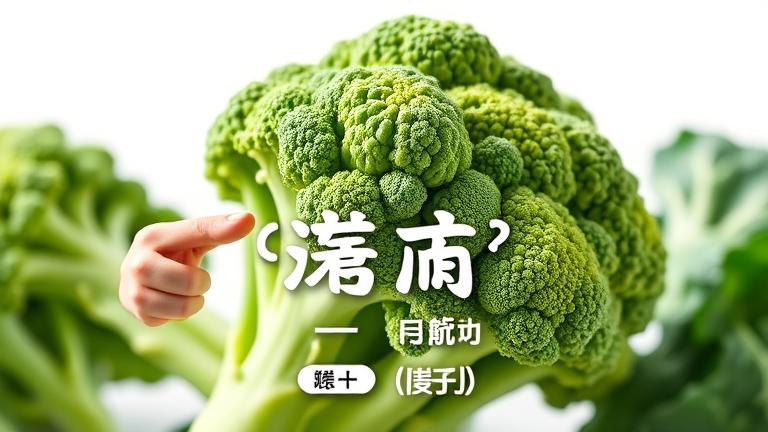
Introduction to Broccoli in Chinese
Broccoli is a popular vegetable that’s widely enjoyed around the world, including in Chinese cuisine. In Chinese, broccoli is called 西兰花 (xī lán huā), which translates to “Western flower” because of its flower-like appearance. Despite being a relatively recent addition to traditional Chinese dishes, broccoli has become quite popular in home cooking and restaurants alike.
In China, vegetables like bok choy, Chinese broccoli, and cauliflower have long been household staples. Broccoli, with its vibrant green color and nutritious profile, is appreciated for its health benefits and versatility in cooking. It is often used in stir-fries, soups, and even steamed or boiled as a side dish. Its mild, slightly bitter flavor pairs well with many ingredients, making it a flexible vegetable in Chinese kitchens.
Historically, broccoli was introduced into China from Western countries in the 20th century. Since then, it has been embraced as a healthy, tasty addition to many dishes. Chinese culinary traditions emphasize balance and freshness, and broccoli fits well into this philosophy due to its crisp texture and rich nutrients.
Using broccoli in Chinese cooking is easy and fun. Its quick cooking time helps preserve the bright color and crunch. Whether you’re making a simple garlic stir-fry or adding it to a hearty hot pot, broccoli adds both flavor and nutrition. It is also often paired with garlic, ginger, or soy sauce to enhance its natural flavors.
Like many Chinese vegetables, broccoli is seen not just as food but as a health booster. It is rich in vitamins C and K, fiber, and antioxidants. This makes it a favorite among health-conscious cooks and families wanting to include more vegetables in their diet.
Understanding the significance of broccoli in Chinese culture shows how global ingredients can blend into local cooking styles. Its adaptability and health benefits have helped it become a key ingredient in modern Chinese dishes. So, whether shopping at a local market or trying a new recipe at home, knowing about broccoli’s role and significance can make your cooking experience more enjoyable and meaningful.
Next, learn how to select the best broccoli for your dishes, ensuring it is fresh, crisp, and full of flavor. This knowledge will help you incorporate this healthy vegetable into your meals with confidence and success.
How to Pronounce Broccoli in Chinese
Learning how to pronounce the Chinese word for broccoli can be fun and helpful if you’re exploring Chinese cuisine or communicating with friends. The Chinese word for broccoli is 西兰花, which is pronounced as xī lán huā.
Let’s break down this pronunciation into easier parts. First, the sounds in Chinese aren’t quite the same as in English, so it’s useful to pay attention to the tones and vowel sounds. If you have access to audio resources, listening to native speakers can make a big difference.
Phonetic Tips for Pronouncing “xī lán huā”
- xī: Sounds like “shee” but with a softer “sh” sound, almost like “shee” but with a light, airy tone. The first tone in Chinese is high and flat, so try to hold it steady and level.
- lán: Pronounced like “lan” with a rising tone, similar to asking a question in English. Think of saying “lahn?” but with a brighter pitch. The vowel “a” here is similar to the “a” in “father.”
- huā: Pronounced “hwah,” with the “h” slightly aspirated, and the tone is high and flat like the first tone. It rhymes with “spa.”
Here’s a quick tip: focus on the tones, as they are key in Chinese pronunciation. The first syllable has a high and steady tone, the second rises, and the third is high and flat. Mastering these tones will help you sound more natural and understandable.
Using Audio Resources
If possible, listen to native speakers pronounce xī lán huā. You can find pronunciation videos and audio clips on language apps, online dictionaries, or platforms like YouTube. Repeating after these recordings helps train your ear and improve your pronunciation.
Be patient and practice regularly. Pronouncing Chinese words can be tricky at first, especially with the tones, but with a little practice, you’ll be saying xī lán huā confidently in no time!
The Chinese Word for Broccoli
If you love broccoli and want to talk about it in Chinese, it helps to know the right words. The Chinese word for broccoli is 花椰菜. You’ll see it written in both Simplified and Traditional Chinese characters.
In Simplified Chinese, used mainly in Mainland China, broccoli is written as 花椰菜. In Traditional Chinese, which is common in Taiwan and Hong Kong, the characters are the same: 花椰菜. The pronunciation in Mandarin Chinese is huā yē cài.
Breaking Down the Characters
- 花 (huā) means “flower”. It describes how broccoli’s florets look like tiny flowers.
- 椰 (yē) means “coconut,” but in this context, it is used as a part of the word for broccoli.
- 菜 (cài) means “vegetable” or “greens”.
Put together, 花椰菜 literally translates to “flower coconut vegetable,” which can be a fun way to remember broccoli’s appearance and name.
Pronunciation Tips
When saying huā yē cài, take care to pronounce each syllable clearly. The tone marks are important in Chinese, so say it with the right tones:
- Huā first tone, a high, flat sound
- Yē first tone, also high and flat
- Cài fourth tone, a falling tone that sounds a bit like a command
Practicing slowly at first helps. Once you get the pronunciation down, it’s easy to say 花椰菜 like a native speaker!
Alternative Names
In some regions or contexts, people might also refer to broccoli as 西兰花 (xī lán huā), which means “Western flowers”. This is a common term in Mainland China. It’s useful to know both names if you’re shopping or cooking in different Chinese-speaking areas.
Now that you know the Chinese characters and pronunciation for broccoli, you can order it at Chinese markets, read recipes, or chat about your favorite vegetable with friends who speak Chinese. Using the right words makes cooking and shopping much easier and more fun!
Common Phrases with Broccoli in Chinese
Learning how to use broccoli in everyday conversation can be both fun and useful, especially if you enjoy cooking or eating this healthy vegetable. In Chinese, broccoli is called 花椰菜 (huā yé cài) or sometimes 西兰花 (xī lán huā). Here are some common phrases and sentences you might find helpful when talking about broccoli in Chinese.
Basic Phrases
- 我喜欢吃花椰菜。 (Wǒ xǐ huān chī huā yé cài.) – I like to eat broccoli.
- 今天的菜有西兰花。 (Jīn tiān de cài yǒu xī lán huā.) – Today’s dish has broccoli.
- 你会做花椰菜吗? (Nǐ huì zuò huā yé cài ma?) – Can you cook broccoli?
Asking About Broccoli
- 花椰菜怎么做? (Huā yé cài zěn me zuò?) – How do you cook broccoli?
- 你喜欢清炒花椰菜还是蒸花椰菜? (Nǐ xǐ huān qīng chǎo huā yé cài hái shì zhēng huā yé cài?) – Do you prefer stir-fried broccoli or steamed broccoli?
- 超市里有新鲜的花椰菜吗? (Chāo shì lǐ yǒu xīn xiān de huā yé cài ma?) – Are there fresh broccoli in the supermarket?
Talking About Broccoli Preferences and Tips
- 我觉得花椰菜既健康又美味。 (Wǒ jué dé huā yé cài jì jiàn kāng yòu měi wèi.) – I think broccoli is both healthy and tasty.
- 如果你不喜欢苦味,可以用盐水泡一下花椰菜。 (Rú guǒ nǐ bù xǐ huān kǔ wèi, kě yǐ yòng yán shuǐ pào yí xià huā yé cài.) – If you don’t like the bitterness, you can soak broccoli in salted water.
- 记得不要煮太久,否则会变得太软。 (Jì dé bù yào zhǔ tài jiǔ, fǒu zé huì biàn dé tài ruǎn.) – Remember not to boil it too long, or it will become too soft.
Common Sentences for Cooking Broccoli
- 我在炒花椰菜。 (Wǒ zài chǎo huā yé cài.) – I am stir-frying broccoli.
- 你想要花椰菜蒸得嫩一点吗? (Nǐ xiǎng yào huā yé cài zhēng dé nèn yī diǎn ma?) – Do you want the broccoli steamed a little softer?
- 请加入一点盐和蒜末。 (Qǐng jiā rù yī diǎn yán hé suàn mò.) – Please add some salt and minced garlic.
Funny and Friendlier Phrases
- 我每天都吃花椰菜,成为超级健康! (Wǒ měi tiān dōu chī huā yé cài, chéng wéi chāo jí jiàn kāng!) – I eat broccoli every day and become super healthy!
- 花椰菜是我最爱的蔬菜之一。 (Huā yé cài shì wǒ zuì ài de shū cài zhī yī.) – Broccoli is one of my favorite vegetables.
Using these phrases, you can confidently chat about broccoli in Chinese, whether you’re shopping, cooking, or sharing your food preferences with friends. Practice these sentences and expand your vocabulary to enjoy more conversations about healthy eating and delicious meals!
Cooking with Broccoli in Chinese Cuisine
Broccoli is a versatile vegetable that has become a staple in many Chinese dishes. Its vibrant green color and crisp texture make it a favorite ingredient for stir-fries, soups, and side dishes. When cooking broccoli in Chinese cuisine, the goal is to maintain its crunch and bright flavor while infusing it with the rich tastes of sauces and seasonings.
Popular Chinese broccoli dishes often highlight simple yet flavorful methods of preparation. For example, stir-fried broccoli with garlic or ginger is quick and easy, letting the vegetable shine. Broccoli pairs well with ingredients like oyster sauce, soy sauce, or fermented black beans, which add depth to the dish without overpowering the vegetable’s natural freshness.
Common Chinese Broccoli Recipes
- Stir-Fried Broccoli with Garlic: A simple dish where broccoli florets are stir-fried in oil with minced garlic. For added flavor, drizzle with a splash of soy sauce or oyster sauce before serving. It’s quick, healthy, and highlights the vegetable’s crispness.
- Broccoli with Oyster Sauce: Blanched broccoli is typically drizzled with a rich, savory oyster sauce. This method preserves the crunch while adding a glossy finish and umami flavor. It’s a common side dish served alongside rice and other stir-fries.
- Chinese Broccoli (Gai Lan) with Soy and Ginger: Gai Lan is a specially grown broccoli variety with flat, thick leaves. It is often steamed or stir-fried with garlic, ginger, and a splash of soy sauce. This dish is popular in dim sum restaurants for its tender stalks and leafy tops.
Culinary Tips for Cooking Broccoli Chinese-Style
- Always wash broccoli thoroughly before cooking to remove dirt and insects. Shake off excess water to prevent splattering during stir-frying.
- Blanch broccoli briefly in boiling water or steam it until bright green and crisp. This step helps retain its color and texture before adding it to stir-fries or sauces.
- When stir-frying, cook broccoli over high heat and keep the movement fast. This method preserves the crunch and prevents the vegetable from becoming soggy.
- Avoid overcooking. Broccoli should be tender but still firm. Overdone broccoli loses its vibrant color and crunch, which are essential in Chinese dishes.
- Enhance the flavor by adding aromatic ingredients like garlic, ginger, and spring onions during cooking. They provide the classic Chinese seasoning aroma.
- Finish with a splash of sesame oil or oyster sauce for added richness. Pouring sauce at the right moment ensures the broccoli absorbs the flavor without becoming limp.
Practical Tips and Common Mistakes to Avoid
- Don’t overcrowd the wok or pan. Overcrowding causes the temperature to drop and results in steaming rather than frying, which can make broccoli soggy.
- Use fresh broccoli for the best texture and flavor. Frozen broccoli can be used but may result in slightly softer texture.
- Always cut broccoli into evenly sized pieces. This ensures uniform cooking and prevents some parts from becoming overcooked while others remain undercooked.
- Refrain from soaking broccoli in excessive water after cooking, as it can dilute the flavor of sauces or seasonings.
By following these practical tips, you can enjoy delicious, crunchy broccoli dishes that capture the authentic flavors of Chinese cooking. Remember, the key is quick cooking with high heat, fresh ingredients, and balancing flavors with sauces for a truly satisfying meal.
Nutritional Benefits of Broccoli in Chinese
Broccoli is highly valued in Chinese nutrition for its numerous health benefits. This green vegetable is packed with essential vitamins, minerals, and compounds that support overall well-being. Including broccoli in your diet can help boost your immune system, improve digestion, and promote beautiful skin. Understanding its nutritional profile from a Chinese health perspective helps you appreciate why broccoli is considered a superfood.
In traditional Chinese medicine, foods like broccoli are believed to have cooling properties and to help clear heat and detoxify the body. Modern nutrition confirms that broccoli is rich in antioxidants, which help combat oxidative stress and reduce inflammation. Consuming broccoli regularly aligns with Chinese health principles of maintaining balance and harmony within the body.
Key Nutrients in Broccoli
| Nutrient | Amount per 100 grams | Benefits |
|---|---|---|
| Vitamin C | 89 mg | Strengthens immune function and promotes healthy skin |
| Vitamin K | 101 mcg | Supports blood clotting and bone health |
| Folate | 63 mcg | Plays a role in cell growth and development |
| Potassium | 316 mg | Helps regulate blood pressure and fluid balance |
| Dietary fiber | 2.6 g | Supports digestion and maintains gut health |
| Sulforaphane | Present in trace amounts | A powerful antioxidant that may prevent cancer |
Broccoli is also low in calories, making it a healthy choice for those managing weight. Its high fiber content aids in digestion and helps prevent constipation, aligning with Chinese dietary principles of eating light and balanced meals.
Health Benefits from a Chinese Perspective
- Detoxification: Broccoli’s antioxidants help clear toxins from the body, a key concept in Chinese health maintenance.
- Heat clearing: Its cooling qualities are believed to balance internal heat, especially useful in hot weather or after overindulgence.
- Bone health: The vitamin K and calcium in broccoli are thought to strengthen bones, supporting longevity and mobility.
- Boosting immunity: Rich in vitamin C, broccoli helps ward off colds and flu, which is especially valued during seasonal changes.
Many Chinese chefs incorporate broccoli into stir-fries, soups, and side dishes because it cooks quickly and retains its nutrients when prepared properly. To maximize its health benefits, lightly steaming broccoli is recommended to preserve vitamin C and other sensitive nutrients.
Tips for Including Broccoli in Your Diet
- Wash broccoli thoroughly under running water before cooking to remove dirt and pesticides.
- Steam or blanch broccoli for a short time to preserve nutrients and maintain a crisp-tender texture.
- Combine broccoli with garlic, ginger, or sesame oil for added flavor and health benefits.
- Avoid overcooking, as prolonged heat can reduce its vitamin content.
By understanding the nutritional virtues of broccoli from a Chinese health point of view, you can confidently incorporate this versatile vegetable into your meals. Not only does it boost your health, but it also adds vibrant color and fresh flavor to your dishes.
Tips for Learning Chinese Vegetable Names
Learning the Chinese names for vegetables, like broccoli, can be a fun and rewarding experience. Knowing the Chinese terms can make shopping for ingredients easier and help you understand recipes better. Here are some practical tips to help you memorize and pronounce vegetable names confidently.
Start with Common Vegetables
Begin by focusing on vegetables that you see and use often, such as broccoli, carrots, or bok choy. For example, broccoli is called “西兰花” (xī lán huā). Listening to their pronunciation repeatedly can help solidify the words in your memory.
You can find videos, audio recordings, or pronunciation apps that feature native speakers. Repeat after them, paying attention to the tones, which are very important in Chinese. Correct pronunciation makes it easier for your brain to associate the word with the actual vegetable.
Use Visual Aids and Flashcards
Create flashcards with the vegetable on one side and the Chinese name on the other. Include a picture of the vegetable to help your visual memory. Using images makes it easier to remember the word and its pronunciation.
For example, a picture of broccoli alongside “西兰花” will help you connect the character, pronunciation, and look of the vegetable all at once. Review your flashcards regularly, and test yourself this boosts recall and helps transfer the words into your long-term memory.
Practice with Real-life Contexts
Try to incorporate the new vocabulary into your daily life. If you go grocery shopping, ask or listen for vegetable names in Chinese. Practice phrases like “Do you have 西兰花?” (Xī lán huā?) at local markets or stores.
This real-world practice helps reinforce your learning. Plus, it makes the process more interactive and fun. Don’t worry if you make mistakes every attempt helps you learn more.
Learn the Characters and Tones
Chinese words for vegetables are written with specific characters. For example, 西兰花 combines characters that mean “west,” “orchid,” and “flower.” Remembering the characters is helpful for reading menus and labels. Start with simplified characters for easier memorization.
Pay special attention to tones, as changing a tone can mean a different word. Use tone drills, apps, or songs to hear and practice the correct tones regularly. Over time, your pronunciation will become more natural and accurate.
Resources and Practice Tips
- Download language apps like Duolingo or HelloChinese that offer vocabulary practice.
- Watch Chinese cooking videos to hear vegetables’ names in context.
- Join language exchange groups or online forums to practice speaking and listening.
- Keep a small notebook or digital document of new words and their pronunciation for quick review.
Remember that learning new vocabulary takes time and patience. Consistent practice, engaging with authentic materials, and using visual and auditory aids can significantly boost your confidence. Soon, you’ll be confidently naming vegetables in Chinese, making cooking and shopping even more enjoyable!