
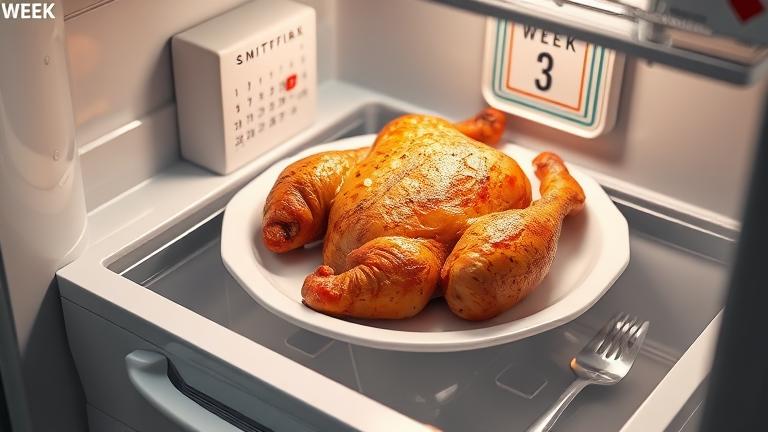
How long is cooked chicken safe in the fridge?
Storing cooked chicken properly is important to keep your meals safe and delicious. Once you’ve cooked chicken, you might wonder how long it can stay in the fridge without risking food poisoning. The good news is that cooked chicken is safe to eat for a specific amount of time if stored correctly.
Typically, cooked chicken can last in the refrigerator for about three to four days. This means if you cooked chicken on Monday, you should plan to eat it by Thursday or Friday at the latest. After that, the risk of bacteria growth increases. It’s always best to err on the side of caution and not consume chicken that has been stored too long.
To make sure cooked chicken stays fresh and safe to eat within this timeframe, keep it chilled at or below 40°F (4°C). Use a clean, airtight container or wrap it tightly with foil or plastic wrap. Removing excess air helps prevent bacteria from growing and also keeps the chicken tasting fresh.
When you’re ready to eat the leftover chicken, give it a good look and smell first. Fresh cooked chicken should smell pleasant and look moist but not slimy or discolored. If it has a sour or off smell, or if the texture feels sticky or slimy, it’s best to throw it away. These are signs bacteria may have started to grow even if the chicken looks okay on the surface.
Reheating cooked chicken properly is also key. Make sure to heat it to an internal temperature of 165°F (74°C). Use a food thermometer to double-check. Reheat only what you plan to eat and avoid reheating multiple times, since repeated heating can reduce food safety and quality.
Here’s a quick overview of leftover cooked chicken storage time:
| Storage Duration | Safety Tips |
|---|---|
| Up to 3 days | Keep at or below 40°F (4°C). Use airtight containers or wrap tightly. |
| Up to 4 days | If smelling or looking off, discard promptly. Reheat to 165°F (74°C) before eating. |
| Beyond 4 days | It’s safest to throw it out to avoid foodborne illness. |
Remember, if in doubt, it’s safer to toss out leftover chicken than to risk food poisoning. Proper storage, quick refrigeration, and careful observation help keep your meals safe and tasty longer.
Recognizing spoiled cooked chicken easily
When it comes to cooked chicken, knowing how to tell if it has gone bad is essential for safety and health. Eating spoiled chicken can lead to foodborne illnesses, which we all want to avoid. Luckily, there are some simple, reliable signs to look out for when checking your cooked chicken. By paying attention to its appearance, smell, and texture, you can prevent accidental consumption of unsafe food.
Check the appearance
First, examine the cooked chicken’s color. Freshly cooked chicken should look moist and have a natural light to medium brown color on the outside. If you notice any discoloration—such as gray, greenish, or dull tones—it could be a sign that the chicken has spoiled.
Look closely at the surface. Sometimes, spoiled chicken develops white, powdery, or fuzzy spots, which can indicate mold. If the chicken is sticky or slimy to the touch, even if the color seems okay, it’s better to discard it. These visual cues are often the first signs that bacteria or mold have taken hold.
Smell test
The smell of cooked chicken is a quick way to identify spoilage. Freshly cooked chicken has a mild, savory aroma. If you detect a sour, rotten, or off smell, it’s a clear warning sign. Do not take a chance—trust your nose. Remember, some bacteria produce strong, unpleasant odors even if the chicken’s appearance seems fine.
Never taste the chicken to check its freshness. If it smells off, even slightly, discard it immediately. Smell is often the most sensitive indicator of spoilage.
Feel the texture
Touch your cooked chicken to assess its texture. Fresh cooked chicken should be firm but tender. If it feels slimy, sticky, or overly tacky, it’s a sign that bacteria are growing. Sometimes, the texture changes before any visible signs appear, so feeling your chicken can be very helpful.
Be cautious when handling cooked chicken. Always wash your hands thoroughly after touching raw or cooked meat to prevent cross-contamination. If you’re unsure about the chicken’s freshness, it’s safer to throw it out rather than risk food poisoning.
Additional tips to keep in mind
- Store cooked chicken in airtight containers in the refrigerator within two hours of cooking.
- If the cooked chicken has been left out for more than two hours, it’s best to discard it, even if it looks or smells fine.
- Use leftovers within 3 to 4 days to ensure safety and freshness.
- Always reheat cooked chicken to at least 165°F (74°C) before eating it again to kill any bacteria that may have developed.
By following these simple steps and paying close attention to appearance, smell, and texture, you can easily identify spoiled cooked chicken and keep your meals safe and delicious. When in doubt, it’s always better to be cautious and throw it out. Your health is worth the extra effort!
Best reheating methods for cooked chicken
Reheating cooked chicken is a common task in many kitchens. To enjoy your leftovers safely and with good flavor, it’s important to reheat it properly. The goal is to warm the chicken evenly without drying it out or creating hot spots that could harbor bacteria. Here are the best methods to reheat cooked chicken while keeping it tasty and safe to eat.
Oven Reheating
The oven is a great choice for reheating larger portions of cooked chicken, especially if you want to preserve moisture. Start by preheating your oven to 350°F (175°C). Place the chicken on an oven-safe dish, and if it’s dry, add a splash of broth or water to help keep it moist. Cover the dish with aluminum foil to trap moisture. Heat the chicken for 20-25 minutes, or until the internal temperature reaches 165°F (74°C). Use a meat thermometer to be precise. This method ensures even heating and helps prevent the chicken from drying out.
Stovetop Reheating
Reheating chicken on the stove is quick and effective, especially for smaller pieces like slices or shredded chicken. Use a skillet or saucepan over medium heat. Add a little water, broth, or oil to prevent sticking and to keep it moist. Cover the pan with a lid. Stir gently every few minutes to promote even heating. It takes about 5-10 minutes for the chicken to heat through. Remember to check that the chicken reaches 165°F (74°C) before serving.
Microwave Reheating
The microwave is the fastest way to reheat cooked chicken. Place the chicken in a microwave-safe dish. Cover it with a microwave lid or microwave-safe plastic wrap to lock in moisture. Reheat on medium power (50-70%) for 1-2 minutes for small portions, or 3-4 minutes for larger amounts. Stop and stir or turn the chicken halfway through to promote even heating. Use a food thermometer to confirm the chicken is heated thoroughly to 165°F (74°C). Be cautious to avoid overheating, which can dry out the meat.
Tips for Safe and Tasty Reheating
- Always reheat chicken to an internal temperature of 165°F (74°C) to kill harmful bacteria.
- If reheating multiple times, try to do it only once to keep the chicken safe and fresh.
- Use juices or broth during reheating to help keep the chicken moist.
- Avoid overheating, as this can make chicken rubbery or dry.
- Check for even heating by piercing thick or large pieces with a knife or fork.
With these methods, you can enjoy your cooked chicken leftovers safely and deliciously. The key is gentle, thorough heating to preserve flavor and texture while ensuring safety. Remember to always store leftovers properly in the refrigerator within two hours of cooking, and consume them within three to four days.
Changes in nutrition over time in refrigerated chicken
Ever wondered how the nutritional value of cooked chicken shifts as it sits in your fridge? If you store cooked chicken properly, it can last for up to a week, but its nutrients may change gradually over time. Understanding these changes helps you make smarter choices and get the most out of your leftovers.
When you refrigerate cooked chicken, some nutrients remain stable, while others may decline slowly. Typically, the main concerns are the loss of moisture, vitamins, and slight changes in protein content. Usually, the bigger nutrient shifts happen in the first few days, but many nutrients stay fairly consistent if the chicken is stored correctly.
Vitamin Content Changes
Cooked chicken contains several important vitamins, especially B vitamins like niacin (B3) and B6. These vitamins are sensitive to heat and light, but after cooking, they tend to remain relatively stable. However, over a week in the fridge, there can be a gradual degradation, especially if the chicken isn’t stored properly.
For example, vitamin B6 might decrease by a small percentage after 5 to 7 days. This small loss doesn’t make a big difference to your overall health but is good to keep in mind if you consume chicken regularly for its vitamin content. Vitamin C, which isn’t abundant in chicken, is not a concern here, but the loss of moisture might affect the texture and perceived freshness.
Protein and Fat
Protein in cooked chicken remains mostly intact during refrigeration. This means that your chicken will still be a good source of protein even after several days. The fat content also stays stable, though some fats may slightly oxidize if exposed to air, potentially affecting flavor rather than nutrition.
It’s important to store cooked chicken in an airtight container to prevent exposure to light and air, which can accelerate nutrient loss and spoilage. Proper storage helps preserve the protein quality and keeps your chicken safe to eat.
Moisture and Texture
While the nutrients might stay fairly consistent, food quality in terms of moisture content can change over time. Cooked chicken tends to lose moisture as it sits in the fridge, which might make it seem drier and less appealing. This moisture loss can also concentrate some nutrients, but it doesn’t increase their health benefits.
To keep your cooked chicken as tasty and nutritious as possible, store it in a sealed container or wrap it tightly with plastic wrap or foil. Reheat it gently to avoid further nutrient damage and to keep the texture pleasing.
Safety and Nutritional Tips
- Consume refrigerated cooked chicken within 3 to 4 days for optimal nutrient retention and safety.
- Always check for signs of spoilage such as off smells or slimy texture before eating leftovers.
- Reheat chicken thoroughly to 165°F (74°C) to kill any bacteria that might have developed during storage.
In summary, the nutritional changes in refrigerated cooked chicken over a week are mild, mostly involving small vitamin decreases and moisture loss. Proper storage and timely eating will help you enjoy all the benefits of your chicken, with minimal nutrient loss. So, while your leftovers might not be as fresh as the day you cooked them, they still pack plenty of nutritional value if stored and handled correctly.
Proper storage tips to keep chicken fresh
Storing chicken properly is key to keeping it fresh and safe to eat. Whether you’ve cooked chicken leftovers or bought raw chicken from the store, following the right storage practices helps prevent spoilage and foodborne illnesses.
First, always keep chicken refrigerated at or below 40°F (4°C). This temperature slows down bacterial growth. Use a reliable refrigerator thermometer to check the temperature regularly. If the chicken is left out at room temperature for more than two hours, it can quickly become unsafe to eat, so refrigerate or freeze it promptly.
When storing raw chicken, keep it in its original packaging if it’s sealed tightly. If the packaging is damaged or open, transfer the chicken to an airtight container or wrap it tightly with plastic wrap or aluminum foil. This prevents cross-contamination with other foods and keeps the chicken from drying out. Place the chicken on a plate or dish at the bottom of the fridge to catch any drips and avoid contaminating other foods.
Cooked chicken leftovers also need proper storage. Use shallow, airtight containers to store cooked chicken in the fridge. This helps cool the chicken quickly and evenly, reducing the risk of bacteria growth. Label the container with the date of storage so you can keep track of how long it’s been there. Cooked chicken can safely be stored in the fridge for up to three to four days.
How long can chicken be stored in the fridge?
| Type of chicken | Storage time in fridge | Notes |
|---|---|---|
| Raw chicken (whole or parts) | 1 to 2 days | Store in original packaging or airtight container. |
| Cooked chicken | 3 to 4 days | Keep in airtight containers or tightly wrapped. |
Freeze for longer storage
If you won’t eat the chicken within a few days, freezing is the best option. Wrap raw chicken tightly in plastic wrap, then foil, or use a vacuum sealer. Label the package with the date before placing it in the freezer. Cooked chicken can also be frozen in airtight containers or freezer bags.
Properly stored chicken can last in the freezer for up to six months. Keep your freezer at 0°F (-18°C) or below for the best results. When you’re ready to use frozen chicken, defrost it safely in the fridge overnight, or use the microwave if you plan to cook it immediately. Never thaw chicken on the countertop, as this encourages bacteria growth.
- Always wash your hands before and after handling chicken.
- Clean any surfaces or utensils that contact raw chicken with hot, soapy water.
- Avoid storing raw and cooked chicken in the same container or area to prevent cross-contamination.
By following these simple storage tips, you can enjoy fresh, safe, and delicious chicken every time. Proper storage not only maintains quality but also keeps your kitchen safe for everyone.
Health risks of eating spoiled chicken
Eating spoiled chicken can pose serious health risks. When chicken is no longer fresh or has been improperly stored, harmful bacteria may grow. Consuming these bacteria can lead to foodborne illnesses that can make you quite sick.
One of the most common bacteria associated with spoiled chicken is Salmonella. This bacteria can cause symptoms like diarrhea, fever, and stomach cramps. In severe cases, it can lead to dehydration or more serious health problems. Another common bacteria is Campylobacter, which can cause similar gastrointestinal symptoms. Sometimes, these bacteria are present even if the chicken doesn’t smell or look bad, which is why proper storage and handling are crucial.
In addition to bacterial infections, spoiled chicken can sometimes carry toxins that are not destroyed by cooking. These toxins can cause food poisoning symptoms and make recovery longer and more uncomfortable. In extreme cases, eating contaminated chicken might lead to complications such as bloodstream infections or chronic health issues, especially in vulnerable groups like young children, pregnant women, and the elderly.
Food poisoning from spoiled chicken often shows up as gastrointestinal distress. You might experience nausea, vomiting, abdominal pain, or diarrhea shortly after eating contaminated meat. In some cases, symptoms can last for several days and may require medical attention, especially if dehydration occurs or if you have underlying health concerns.
Recognizing spoiled chicken before cooking
It’s important to recognize the signs of spoiled chicken before you cook or eat it. Fresh chicken should have a mild smell and a light color. If it has a sour or rotten odor, it’s best to discard it. Look for any discoloration, such as grayish or greenish patches, and avoid chicken that feels slimy or sticky to the touch.
Proper storage can prevent chicken from spoiling. Always keep raw chicken refrigerated at 40°F (4°C) or lower, and don’t leave it out at room temperature for more than two hours. When in doubt, trust your senses—if the chicken smells off or looks questionable, it’s safer to discard it than risk illness.
Practicing safe food handling
- Always wash your hands thoroughly with soap and water before and after handling raw chicken.
- Use separate cutting boards for raw chicken and other foods to avoid cross-contamination.
- Cook chicken to an internal temperature of 165°F (75°C) to ensure harmful bacteria are killed.
- Store leftovers promptly in airtight containers and consume within a few days.
By understanding the risks and following proper storage and cooking guidelines, you can help prevent food poisoning and enjoy your chicken safely. Remember, if chicken smells bad or feels slimy, it’s safest to throw it away. Better safe than sorry when it comes to food safety!
Food safety practices for cooked chicken
Cooking chicken properly is just one part of keeping it safe to eat. To prevent contamination and ensure your cooked chicken stays fresh and safe, it’s important to follow certain food safety practices. These steps help avoid foodborne illnesses and keep your meals enjoyable and healthy.
First, always handle raw chicken with clean hands and use separate cutting boards or utensils for raw and cooked chicken. This prevents cross-contamination, which is a common way germs spread. After chopping raw chicken, wash your hands with soap and warm water for at least 20 seconds before touching anything else. Also, wash all surfaces and utensils thoroughly.
Once cooked, chicken should be cooled quickly if you don’t plan to eat it right away. Bacteria grow fastest between 40°F (4°C) and 140°F (60°C). To slow this growth, place hot cooked chicken into shallow containers for quick cooling. You can also divide large batches into smaller portions. Use your refrigerator or freezer within two hours of cooking to keep the chicken safe.
Storing cooked chicken properly is key. Keep it in an airtight container or tightly wrapped with plastic wrap or foil. Label the package with the date you cooked it, so you know how long it has been stored. Cooked chicken can be safely stored in the refrigerator for up to three to four days. If you plan to keep it longer, freeze it. Frozen cooked chicken stays safe indefinitely, but for best quality, eat it within three to four months.
| Storage Method | Duration | Tips |
|---|---|---|
| Refrigerator | 3-4 days | Store in airtight container; keep at or below 40°F (4°C) |
| Freezer | Up to 4 months | Wrap tightly to prevent freezer burn; label with date |
When reheating cooked chicken, make sure it reaches a safe internal temperature of 165°F (74°C). Use a food thermometer to check, since color alone isn’t a reliable indicator. Reheat evenly by covering the chicken and heating in the oven, microwave, or on the stovetop. Stir or turn the pieces during microwaving to ensure thorough heating.
Avoid reheating multiple times or partial reheating — always reheat leftovers only once, and only before serving. If leftovers have been left out at room temperature for more than two hours, it’s safest to discard them. Similarly, if cooked chicken develops an off smell, slimy texture, or unusual appearance, it’s best to throw it away. Better safe than sorry!
- Always wash your hands before and after handling cooked chicken.
- Keep cooked chicken refrigerated or frozen promptly after cooling.
- Reheat to 165°F (74°C) to kill bacteria before eating leftovers.
- Check the appearance and smell before consuming stored chicken.