
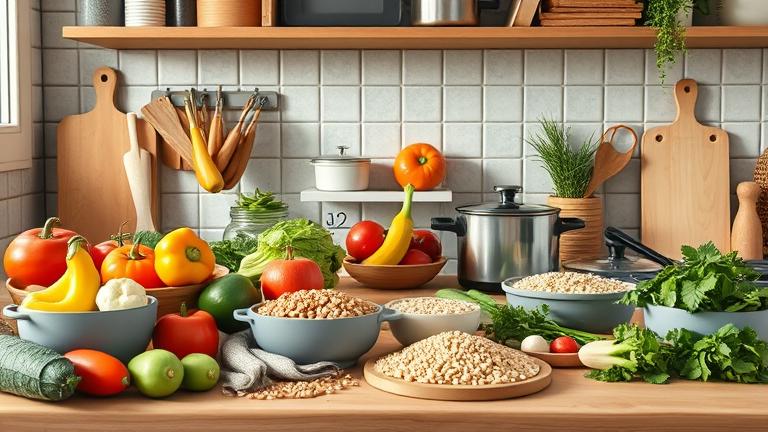
Benefits and Costs of Cooking from Scratch
Cooking from scratch is a popular choice for many home cooks who want to control what goes into their meals. It involves preparing dishes using basic ingredients rather than relying on pre-made or processed foods. This approach offers several benefits, but it’s also important to understand the costs involved. Let’s explore both sides to help you decide if this method suits your lifestyle.
Benefits of Cooking from Scratch
- Healthier Meals: When you cook from scratch, you can choose fresh, whole ingredients. This often means less added sugar, salt, and unhealthy fats. You also have control over portion sizes and can include more nutritious foods like vegetables, lean meats, and whole grains.
- Cost Savings: Buying ingredients in bulk and preparing meals yourself can be cheaper than buying packaged meals or eating out frequently. Over time, this can lead to significant savings on your grocery bill.
- Food Quality and Safety: You know exactly what is going into your food. You can avoid artificial preservatives, flavorings, and other additives often found in processed foods. Cooking from scratch also allows you to ensure food safety and freshness.
- Creativity and Satisfaction: Making meals yourself is a creative process. It can be fun to experiment with new recipes and flavors. Plus, there’s a real sense of pride and satisfaction when you sit down to a meal you’ve prepared from beginning to end.
- Building Skills and Knowledge: Regularly cooking from scratch helps you improve culinary skills and food knowledge. You learn how to handle different ingredients and better understand nutrition.
Costs of Cooking from Scratch
- Time Commitment: Preparing meals from scratch can take more time than using convenience foods. It involves shopping, washing, chopping, cooking, and cleaning up after. Busy schedules may make this challenging.
- Initial Investment in Equipment: Quality kitchen tools, such as sharp knives, pots, and food processors, can cost money upfront. Though these tools last long, the initial expense can be a hurdle for some.
- Ingredient Costs: While bulk buying can save money, fresh ingredients often cost more than pre-packaged foods. Seasonal and local produce may also influence expenses.
- Knowledge and Experience: If you’re new to cooking, there might be a learning curve. Mistakes like overcooking or wasting ingredients can add to costs and frustration initially.
Striking a Balance
To enjoy the benefits without feeling overwhelmed by the costs, consider a balanced approach. For example, plan to cook from scratch a few times a week, and use convenient options for busy days. Batch cooking and meal prepping are great strategies to save time and money. Also, start with simple recipes and gradually try more complex dishes as you gain confidence.
Helpful Tips
- Plan your meals: Create weekly menus to avoid last-minute grocery trips and reduce waste.
- Buy in bulk: Purchase staples like rice, beans, and spices in bulk to save money.
- Use seasonal ingredients: They are often more affordable and fresher.
- Try slow cooking or batch cooking: Cook large portions that can be used for multiple meals.
Money-Saving Tips for Home Cooks
Cooking at home is a wonderful way to save money and eat healthier, but it can sometimes feel costly if you’re not careful. Luckily, there are many simple and effective strategies to cut expenses without sacrificing flavor or nutrition. Being resourceful and planning ahead can make a big difference in how much you spend on ingredients and kitchen supplies.
One of the best ways to save money is to plan your meals before shopping. Making a weekly menu helps avoid impulse buys and reduces food waste. Create a shopping list based on your meal plan, and stick to it when you go to the store. This prevents buying unnecessary items that can add up quickly.
Buying in bulk is another smart tip. Non-perishable items like rice, pasta, beans, and canned goods are often cheaper when purchased in larger quantities. Many stores also offer discounts on bulk items. Just be sure you have enough storage space and that you’ll use what you buy before it expires.
Shop Smart and Use Sales
Pay attention to store sales and discounts, especially on staples like meat, dairy, and fresh produce. Seasonal fruits and vegetables are usually less expensive and tastier. Keep an eye on weekly flyers or sign up for store apps to catch deals. Use coupons when available, and consider store loyalty programs that offer extra savings.
Compare prices between different stores or online shops to find the best deals. Sometimes, buying larger packages or choosing store brands over name brands helps stretch your budget. Remember, it’s often more economical to buy bigger quantities and divide them into smaller portions at home.
Cook from Scratch and Minimize Waste
Eating homemade meals is almost always cheaper than buying prepared foods or eating out. Focus on simple recipes with few ingredients, which save money and are easier to make. For example, a basic stir-fry or pasta dish can be both delicious and budget-friendly.
Waste less food by properly storing leftovers and using ingredients before they spoil. Keep vegetables in the crisper drawer, and get creative with leftovers—turn last night’s roasted vegetables into a soup or a frittata. Freezing portions of cooked meals also helps ensure you always have a homemade option ready.
Use Versatile Ingredients
- Choose ingredients that can be used in multiple recipes, such as eggs, rice, and frozen vegetables.
- Stock pantry basics like dried herbs, spices, and canned tomatoes to add flavor without spending a lot.
- Plan meals that share common ingredients to reduce the number of different items you need to buy.
Avoid Common Pitfalls
- Don’t shop when hungry — it increases the temptation to buy extras.
- Don’t fall for trendy expensive ingredients when cheaper alternatives exist.
- Skip pre-packaged or convenience foods that often cost more than making a dish from scratch.
By being mindful about grocery shopping, meal planning, and ingredient choices, home cooks can enjoy delicious meals without breaking the bank. Small changes in how you shop and cook add up over time, turning everyday meals into a smart and satisfying way to save money.
Homemade vs. Store-Bought Ingredients
When choosing between homemade and store-bought ingredients, it’s helpful to consider a few key differences. Both options have their benefits and drawbacks, depending on your needs, time, and budget. Understanding these can help you make the best choice for your cooking.
Cost is often one of the first factors to think about. Generally, homemade ingredients can be more affordable, especially if you buy ingredients in bulk or grow your own. For example, making your own bread, yogurt, or spice blends usually costs less than buying packaged versions. However, keep in mind that there are times when store-bought options save money, especially if you’re short on time or don’t have the equipment to make certain items at home.
Quality is another important aspect. When you make ingredients yourself, you have control over what goes in. You can choose fresh, organic produce or avoid additives and preservatives often found in store-bought goods. For example, homemade pasta can taste richer and fresher than pre-packaged versions. But note, store-bought ingredients can sometimes be more consistent in quality, which helps ensure your recipes turn out reliably every time.
Convenience is a big reason many people opt for store-bought items. They save time and effort. For busy weeknights, pre-made sauces, bread, or ready-to-eat snacks are handy, helping you prepare meals quickly. On the other hand, making ingredients at home may take extra time but can be more satisfying and customizable. You might enjoy experimenting with flavors or adjusting recipes to your dietary needs.
Practical Tips for Choosing
| Ingredient | Cost | Quality | Convenience |
|---|---|---|---|
| Bread | Homemade = cheaper over time | Fresh, customizable | Time-consuming |
| Yogurt | Homemade = more economical | Less preservatives | Requires effort |
| Sauce (e.g., marinara) | Store-bought = quick and easy | Consistent quality | Very convenient |
| Herbs and spices | Homemade from garden or bulk purchase | Highly fresh | Use as needed |
Both options have their advantages. Your choice depends on your priorities—whether it’s cost savings, quality control, or convenience. You can experiment to find the right balance for your lifestyle and preferences.
Easy Scratch Recipes for Beginners
Starting to cook from scratch can seem intimidating at first, but it’s quite simple with the right recipes. These easy scratch recipes are perfect for beginners who want to build confidence in the kitchen. They use common ingredients and straightforward steps, helping you enjoy homemade meals without stress.
When you’re new to cooking, it’s best to begin with recipes that require few ingredients and minimal prep work. This helps you focus on mastering basic techniques like chopping, mixing, and seasoning. As you gain confidence, you can gradually try more complex dishes. Remember, cooking is about experimenting and having fun, so don’t worry about perfection at first.
Basic Pantry Staples for Scratch Cooking
- Flour, sugar, baking powder, salt, and pepper
- Olive oil, vegetable oil, or butter
- Eggs, milk, and vinegar
- Dry and canned goods like pasta, rice, beans, and canned tomatoes
With these staples, you can create a variety of simple dishes that require just a few extra ingredients. Stocking your pantry with versatile items makes it easier to pull together quick meals from scratch anytime.
Easy Recipes to Get Started
Here are some classic beginner recipes that are both tasty and simple to make:
- Scrambled Eggs: Beat eggs with a splash of milk, season with salt and pepper, then cook in a non-stick pan until fluffy. Add cheese, veggies, or herbs for extra flavor.
- Homemade Pancakes: Mix flour, baking powder, sugar, salt, eggs, milk, and melted butter. Cook on a hot skillet until golden brown. Great served with fresh fruit or syrup.
- Simple Pasta with Tomato Sauce: Cook spaghetti according to package instructions. Meanwhile, sauté garlic in olive oil, add canned tomatoes, and simmer for 10 minutes. Mix with pasta and garnish with basil or cheese.
- Basic Chicken Stir-Fry: Slice chicken breasts and cook in a bit of oil until browned. Add chopped veggies like bell peppers and broccoli. Toss in soy sauce or your favorite stir-fry sauce, then serve over rice.
Practical Tips for Beginners
- Read through the entire recipe before you start. This helps you understand the steps and gather all ingredients.
- Use measuring cups and spoons for accuracy, especially with baking recipes.
- Start with simple recipes and increase difficulty gradually.
- Keep your workspace organized; it makes cooking more enjoyable and less stressful.
- Don’t be afraid to make mistakes. Even seasoned cooks mess up sometimes. Every error is a learning opportunity.
Kitchen Safety and Clean-Up
Always practice safe cooking by handling knives carefully, avoiding cross-contamination, and cooking meats thoroughly. Once you’re done, clean your utensils and workspace. It keeps your kitchen safe and ready for the next meal.
Common Myths About Cooking from Scratch
Many people believe that cooking from scratch is always expensive and time-consuming. In reality, these ideas are often based on misconceptions. Clearing up these myths can help you feel more confident and motivated to prepare food at home. Cooking from scratch doesn’t have to be complicated or costly. With some simple tips, it can become a rewarding and budget-friendly part of your daily routine.
One common myth is that making meals from scratch costs more than buying pre-made or processed foods. While convenience foods can sometimes seem cheaper, they often include additives, preservatives, and extra packaging that add to the cost in the long run. Fresh ingredients like vegetables, grains, and proteins can be affordable, especially if you buy in bulk or shop seasonally. Cooking at home allows you to control ingredients and expenses, often saving you money compared to dining out or buying ready-made meals.
Another misconception is that cooking from scratch takes a lot of time. Many believe it involves hours in the kitchen every day. While some dishes do require extra effort, many everyday meals are quick and easy to prepare. For example, a pasta dish with fresh vegetables or a simple stir-fry can be on the table in under 30 minutes. Planning ahead and prepping ingredients in advance can save time and streamline your cooking. Batch cooking on weekends or making double portions for leftovers are smart strategies to reduce daily effort.
Some people think that making everything from scratch means you need special skills or fancy equipment. But this is not true. Basic cooking skills like chopping vegetables, boiling grains, and seasoning food are enough to start. As you gain confidence, you can try more advanced techniques. A few essential kitchen tools, like a good knife, cutting board, and some pots and pans, are all you really need to get going. You don’t have to master complex recipes right away; even simple dishes made from scratch are healthy and satisfying.
There’s also a myth that homemade meals lack variety. In fact, cooking from scratch opens up endless possibilities. You can customize recipes to your taste, experiment with different ingredients, and discover new flavors. From bread and soups to salads and snacks, there are countless options to suit your preferences and dietary needs. Plus, making familiar foods at home often tastes better and is fresher than store-bought alternatives.
- Start with simple recipes that use ingredients you already have.
- Plan your meals for the week to avoid last-minute rushes.
- Shop smart by buying seasonal produce and bulk staples.
- Take small steps, like making homemade salad dressings or snacks.
- Don’t be discouraged if a dish doesn’t turn out perfect the first time. Practice makes perfect!
Debunking these common myths can make the idea of cooking from scratch less intimidating. Remember, it is about progress, not perfection. With a little effort, you can enjoy delicious, nutritious meals made at home without breaking the bank or spending hours in the kitchen. Cooking from scratch is a practical skill that anyone can learn and enjoy.
Nutrition Boosts of Cooking from Scratch
Cooking from scratch offers many nutritional advantages that can help improve your overall health. When you prepare meals at home, you have full control over the ingredients you use. This means you can choose fresh, wholesome foods and avoid additives or preservatives often found in processed meals.
One of the biggest benefits is the ability to boost the nutrient content of your dishes. Fresh ingredients like vegetables, fruits, whole grains, and lean proteins are packed with vitamins, minerals, and fiber. These nutrients are essential for maintaining good health, supporting your immune system, and keeping your energy levels steady.
Cooking from scratch also allows you to modify recipes to make them healthier. For example, you can reduce added salt, sugar, or unhealthy fats, replacing them with natural herbs, spices, or healthier oils. This way, your meals become not only tastier but also better for your heart and digestion.
Another advantage is that homemade meals are generally richer in vegetables and whole foods. Studies show that diets high in vegetables and whole grains are linked to a lower risk of chronic diseases like diabetes, heart disease, and certain cancers. When you cook from scratch, it’s easier to include these healthful ingredients in your daily diet.
Furthermore, cooking from scratch can help you avoid the hidden calories and unhealthy ingredients often present in pre-packaged, fast, or take-out foods. Many processed foods contain artificial flavors, excess sodium, trans fats, and preservatives that can have negative effects if consumed frequently.
Additionally, preparing meals yourself encourages mindful eating. When you cook, you tend to eat more slowly, savoring your food, which can help with portion control and prevent overeating. It’s also more satisfying knowing exactly what goes into your food, promoting a healthier relationship with eating.
To maximize these nutritional benefits, consider incorporating a variety of colorful fruits and vegetables in your cooking. Whole grains like brown rice, quinoa, and oats can replace refined grains. Lean meats, beans, nuts, and seeds provide quality protein, essential for muscles and overall body functions.
Remember, the key is balance. Focus on whole, minimally processed ingredients and aim for a colorful plate. Over time, these habits can lead to better health outcomes and a more enjoyable, nutritious diet. Cooking from scratch is a simple, effective way to take charge of your nutrition and enjoy delicious, wholesome meals every day.
Managing Time When Cooking from Scratch
Cooking from scratch can be rewarding, but it also takes time and planning. No one wants to spend hours in the kitchen every day. Luckily, there are simple strategies to help you manage your time effectively and make meal preparation easier and faster.
The first step is to plan your meals ahead of time. Take a few minutes each week to decide what you will cook. Make a shopping list based on these meals so you won’t waste time wandering the grocery store. Planning prevents last-minute decisions that can slow you down and helps you buy the right ingredients in one trip.
Next, consider batch cooking and meal prep. Prepare large quantities of staple ingredients, such as rice, pasta, or roasted vegetables, at once. Store these in the fridge or freezer for quick use later. For example, cooking a big batch of chicken or beans can save you time during busy weekdays. When you’re ready to eat, just reheat and add fresh sides or sauces.
Using the right tools can also accelerate your cooking process. Sharp knives cut faster and safer. A good food processor can chop vegetables in seconds, while a stand mixer simplifies dough making. Invest in quality kitchen gadgets that fit your routine. They may seem pricey at first, but they will save you time in the long run.
Another tip is to organize your kitchen. Keep your most-used ingredients and tools within easy reach. Store spices, oils, and utensils neatly and logically. When everything has a designated spot, you spend less time looking for what you need. A clutter-free workspace helps you work efficiently and reduces stress.
Multitasking is also a handy skill in the kitchen. For example, while pasta cooks, you can prepare a sauce or chop vegetables. Use simmering or boiling times to do other tasks, so nothing sits idle. Just be sure to keep an eye on everything so it doesn’t overcook or burn.
Another practical approach is to adapt recipes for quicker preparation. For instance, use pre-cut vegetables or swap fresh herbs for dried ones. Sometimes, substituting ingredients can save time without sacrificing flavor. Also, consider one-pot or sheet-pan meals that require minimal cleanup and fewer steps.
Lastly, develop a routine that works for you. Some people prefer prepping ingredients in the morning; others like to cook in the evening. Establishing a set schedule helps streamline your workflow and reduces the feeling of being rushed. Remember, practice makes perfect — over time, you’ll find your rhythm and get faster naturally.
- Plan your weekly meals in advance to avoid last-minute decisions.
- Batch cook staples and store leftovers for quick future meals.
- Choose time-saving tools and organize your kitchen for efficiency.
- Multitask during cooking to make the most of your time.
- Modify recipes with shortcuts, like pre-cut ingredients and one-pan meals.