
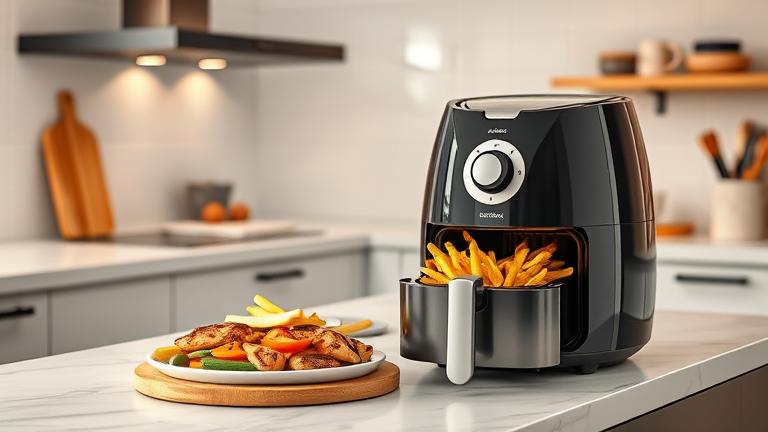
Air Fryer Benefits and Drawbacks
Many home cooks are excited about adding an air fryer to their kitchen. It’s a popular appliance known for cooking delicious, crispy foods with less oil. But like any tool, it has its perks and some limitations. Understanding the benefits and drawbacks can help you decide if an air fryer fits your cooking style and needs.
Benefits of Using an Air Fryer
- Healthier Cooking: Air fryers use hot air circulation to cook food, which means you can enjoy crispy fries, chicken wings, and more with significantly less oil. This makes your favorite comfort foods a bit healthier.
- Quick and Convenient: Air fryers heat up fast and cut down cooking time. You don’t need to preheat for long or wait for the oven. It’s great for busy weeknights or when you need a quick snack.
- Less Mess and Odor: Unlike deep frying, air frying doesn’t splatter hot oil all over the kitchen. Plus, it usually produces less lingering smell compared to traditional frying or baking.
- Easy to Use: Most air fryers have simple dials or touchscreen controls. Cleaning is straightforward, often with removable baskets that are dishwasher safe. This makes tidying up less of a chore.
- Versatile Cooking Options: You can cook a variety of foods, from vegetables and meats to baked goods. Some models even double as toasters or dehydrators, expanding your culinary options.
Drawbacks of Using an Air Fryer
- Limited Capacity: Many air fryers are small compared to traditional ovens. If you’re cooking for a family or entertaining guests, you might need multiple batches, which takes more time.
- Learning Curve: While easy to operate, it can take some experimentation to perfect your recipes. Foods can turn out overcooked or uneven if you don’t adjust time and temperature properly.
- Texture and Taste Limitations: Not all foods turn out as crispy as deep-fried versions. For some dishes, like heavily battered items, an air fryer might not deliver the same crunch.
- Possible Noise: Air fryers can be louder than expected during operation, which might be bothersome in quiet environments or small kitchens.
- Cost and Space: High-quality air fryers can be pricey, and they take up counter space. If your kitchen is small or you’re on a tight budget, this could be a concern.
Tips to Maximize Your Air Fryer Experience
- Don’t overcrowd the basket—give your food space to crisp evenly.
- Use a light coating of oil for extra crunch when needed.
- Experiment with cooking times and temperatures to find what works best for each recipe.
- Clean the basket regularly to prevent residue buildup and maintain performance.
In summary, an air fryer offers many benefits, including healthier meals and quick cooking. However, there are also some limitations, particularly in capacity and texture. Whether it’s right for you depends on your cooking habits and what foods you enjoy preparing. With some practice, it can become a helpful and versatile part of your kitchen arsenal.
Healthy Cooking with an Air Fryer
Using an air fryer is a fantastic way to prepare healthier meals without sacrificing flavor. This kitchen gadget uses hot air circulation to cook food quickly and evenly, often with little to no oil. As a result, you can enjoy crispy favorites like fries, chicken wings, and vegetables with fewer calories and less fat.
When you focus on nutritious frying with an air fryer, you’re making smarter choices for your health. It helps reduce the oil content in your meals, which lowers saturated fat and calorie intake. Plus, it’s easy to incorporate vegetables into your dishes, making your meals more balanced and colorful.
Here are some practical tips to get the most nutritional benefits when cooking in an air fryer:
- Choose healthy oils: Use heart-healthy oils like olive oil or avocado oil sparingly. A light spray or brush is enough to give your food that crispy texture.
- Include plenty of vegetables: Broccoli, zucchini, carrots, and sweet potatoes all turn out delicious in the air fryer. They cook quickly and become tender and flavorful.
- Opt for lean proteins: Skinless chicken breasts, fish fillets, or tofu work well for healthier frying. They add protein without excess saturated fat.
- Limit processed ingredients: Avoid pre-fried or heavily breaded items. Instead, season fresh foods with herbs and spices for flavor without added sodium or preservatives.
An important part of healthy air fryer cooking is understanding the nutritional benefits. Here is a simple comparison between traditional frying and air frying for common foods:
| Food | Calories per Serving (Traditional Frying) | Calories per Serving (Air Fried) | Fat Content | Key Benefits |
|---|---|---|---|---|
| French Fries (1 cup) | 365 | 150 | 17g vs. 7g | Much lower in fat and calories |
| Chicken Wings (4 pieces) | 430 | 200 | 33g vs. 10g | Healthier protein option, less saturated fat |
| Vegetables (roasted, 1 cup) | 150 (with oil) | 100 (with minimal oil) | 8g vs. 3-4g | Higher fiber, more vitamins retained |
Remember, even when air frying, moderation is key. Incorporate a variety of foods, and try to balance your meals with fresh ingredients. Small changes, like using less oil or adding more vegetables, can make a big difference in your overall nutrition.
Lastly, safety is important. Always follow your air fryer’s instructions, especially regarding cooking times and temperatures, to ensure your food is cooked thoroughly. Proper cleaning of your device after cooking helps maintain its efficiency and hygiene.
With a little planning, your air fryer can become a powerful tool for making tasty, nutritious meals that support your healthy lifestyle.
Best Foods to Cook in an Air Fryer
Thinking about trying your air fryer for the first time? You might be surprised by how versatile and easy it is to cook a wide variety of foods. From crispy snacks to hearty mains, the air fryer can handle many ingredients and deliver delicious, golden results. To get started, it helps to know which foods turn out best and some tips to make them crispy and tasty.
One of the most popular and successful foods to cook in an air fryer is chicken. Whether it’s wings, tenders, or drumsticks, the hot air helps create a crispy exterior without deep frying. For extra flavor, toss chicken pieces with your favorite spices or marinade before cooking. Just avoid overcrowding the basket so the hot air can circulate evenly, giving you that crunchy texture.
French fries and potato wedges also work wonders in an air fryer. They become crispy on the outside and tender inside, using less oil than traditional frying. For crispier fries, soak cut potatoes in water for about 30 minutes to remove excess starch, then dry thoroughly before seasoning and air frying. Shake the basket a few times during cooking to get an even crisp.
Vegetables like zucchini, Brussels sprouts, or sweet potatoes are great candidates. You can toss them with a little oil and seasoning for a healthy, crispy snack or side. Try cauliflower florets with a sprinkle of Parmesan cheese for a flavorful touch. Keep in mind that denser vegetables may take a bit longer, so adjust cooking time accordingly.
Frozen foods such as mozzarella sticks, chicken nuggets, or spring rolls are perfect for the air fryer. They turn out crispy without the need for extra oil, making these snacks a quick and satisfying option. Just be sure to space them out on the tray so they crisp evenly and don’t stick together.
Another fantastic food to cook in an air fryer is fish. Fillets like salmon or tilapia cook quickly and develop a nice, flaky texture with a slightly crispy edge. Applying a light coating of oil or lemon juice adds flavor and helps achieve that desirable crispiness. Remember to monitor fish closely so it doesn’t overcook or dry out.
Don’t forget baked goods! Yes, you can bake muffins, cookies, or even small pizzas in your air fryer. For muffins or cookies, use small, oven-safe pans. For pizza, a pre-made crust topped with your favorites will get crispy and heated through in minutes.
- Tip: Always preheat your air fryer for best results.
- Tip: Use a little oil (spray or brush) on foods to boost crispiness.
- Tip: Shake or turn foods halfway through cooking for even browning.
- Tip: Don’t overcrowd the basket; cook in batches if needed.
Whether you’re cooking meats, veggies, or snacks, the air fryer helps you prepare foods that are crispy, delicious, and healthier than traditional frying. With a little practice, you’ll discover your new favorite recipes and enjoy quick, tasty meals anytime.
Safety Tips for Using an Air Fryer
Using an air fryer is a great way to cook healthier meals quickly and easily. However, like any kitchen appliance, it’s important to follow safety guidelines to prevent accidents and keep your cooking experience safe and enjoyable.
First, always read the manufacturer’s instructions before using your air fryer for the first time. Different models may have specific safety features or recommendations. Familiarizing yourself with these will help you operate it correctly and avoid potential hazards.
Place Your Air Fryer Safely
- Set your air fryer on a flat, stable surface away from the edge of the counter. This prevents it from tipping over during use.
- Avoid placing it near water or moist areas to reduce the risk of electrical shock.
- Make sure there is enough space around the air fryer, especially at the back and sides, for proper ventilation. Poor airflow can cause overheating.
Handle with Care
- When the air fryer is in use, parts like the basket and tray become very hot. Always use oven mitts or heat-resistant gloves to handle these components.
- Let the appliance cool down completely before cleaning or removing parts. This minimizes the risk of burns.
Proper Use and Maintenance
- Avoid overfilling the basket. Crowding food can block airflow and cause uneven cooking or overheating.
- Use only cookware and accessories that are oven-safe and compatible with air fryers. Avoid using plastic or glass that isn’t designed for high temperatures.
- Clean your air fryer regularly. Remove food debris and grease to prevent fires or malfunctioning.
Electrical Safety
- Always plug the air fryer directly into a grounded outlet. Avoid using extension cords, as they can cause overheating or electrical shorts.
- Do not operate the air fryer if the cord or plug is damaged. Contact a professional for repair or replacement.
- Never leave the air fryer unattended while it is turned on. A burning smell or smoke indicates a problem and should be addressed immediately.
Common Mistakes to Avoid
- Trying to cook foods that are too greasy or fatty, which can cause smoke or fire. Pat foods dry before adding them to the basket.
- Running the appliance empty or with empty trays. This can lead to overheating and damage.
By following these safety tips, you can enjoy the benefits of your air fryer without worry. Always prioritize safety, stay attentive during cooking, and enjoy delicious, healthy meals!
Cleaning and Maintaining Your Air Fryer
Keeping your air fryer clean is essential for its longevity and for ensuring your food always tastes great. Regular maintenance also helps prevent smells and keeps the appliance working at its best. Luckily, cleaning your air fryer is simple and doesn’t take much time if you do it regularly.
Start by unplugging the air fryer and letting it cool completely if you’ve just finished cooking. This prevents any accidental burns or mishaps. Most parts of your air fryer, like the basket and pan, are removable and dishwasher safe, but always check your user manual for specific cleaning instructions.
Basic Cleaning Routine
- Remove and clean the basket and pan. These are the parts that catch grease and food bits. Wash them with warm, soapy water using a sponge or soft brush. For stubborn grime, soak them for a few minutes before scrubbing. If dishwasher safe, place them in the dishwasher for an easy clean.
- Wipe down the interior. Use a damp cloth or non-abrasive sponge to wipe the inside of the main unit. Avoid using harsh scrubbers or abrasive cleaners that could damage the surface. If you see grease buildup, a little vinegar mixed with water can help break it down.
- Clean the heating element. Carefully check the heating element (usually inside the top of the oven). If you see grease or dust, gently wipe it with a soft cloth or brush. Make sure the appliance is unplugged before doing this.
- Clean the exterior. Wipe the outer surface with a soft damp cloth. For stubborn spots, add a tiny bit of mild soap. Avoid getting water into any vents or controls.
Deep Cleaning Tips
Every few months, give your air fryer a deeper clean to keep it in top shape. Soak removable parts in hot, soapy water overnight if there is built-up grease. Check for any food residue lodged in corners or vents and remove it gently.
To prevent stubborn smells, you can run a short cycle with lemon slices or a mixture of vinegar and water. This helps freshen up the interior without needing to disassemble everything.
Maintenance Tips for Longevity
- Avoid using metal utensils when cleaning or cooking to prevent scratches on non-stick surfaces.
- Regularly inspect the power cord and plug for damage. If you see any fraying or damage, have it repaired or replaced for safety reasons.
- Store the air fryer in a dry, cool place. Keeping it away from humidity and extreme temperatures prevents corrosion and damage.
- Follow manufacturer recommendations for cleaning frequency and care to ensure you don’t void your warranty.
Common Mistakes to Avoid
- Using abrasive cleaners or steel wool that can scratch surfaces.
- Getting the main unit wet or submerging it in water, which can damage electrical components.
- Neglecting to clean the heating element, which can cause smoke and reduced efficiency.
- Ignoring signs of wear and tear, like frayed cords or cracks, which could be safety hazards.
By following these simple cleaning and maintenance steps, you can keep your air fryer running smoothly for many meals to come. Regular upkeep not only prolongs its lifespan but also ensures your food stays tasty and healthy.
Easy and Delicious Air Fryer Recipes
If you’re new to air frying or just looking for quick, tasty meals, you’re in the right place. The air fryer is a fantastic kitchen gadget that makes cooking easier and healthier. With it, you can whip up crispy snacks, tender proteins, and even desserts, all with less oil and mess. Here, you’ll find a collection of simple recipes perfect for all skill levels. No need to be a kitchen expert—these recipes are straightforward and delicious.
Why Use an Air Fryer?
Air fryers cook food by circulating hot air around it. This method creates a crispy texture similar to deep frying but uses much less oil. It’s faster than oven baking and perfect for busy days. Plus, many recipes require minimal prep and clean-up, making them friendly for home cooks of all experience levels.
Loaded Tips for Success
- Preheat your air fryer for a few minutes before adding food for even cooking.
- Cut ingredients into uniform sizes for consistent results.
- Lightly coat foods with oil or cooking spray for crispiness without excess calories.
- Don’t overcrowd the basket; leave space for air to circulate.
- Shake or flip foods halfway through cooking for even browning.
Simple Air Fryer Recipes to Try
Let’s explore some of the easiest recipes that make the most of your air fryer. These dishes highlight the versatility and convenience of this kitchen gadget and can be customized based on your preferences.
Crispy Chicken Wings
This classic favorite is quick to prepare and perfect for game day or weeknights. Start with fresh or thawed chicken wings. Pat them dry to remove excess moisture, which helps them crisp up better.
- Season the wings with salt, pepper, and your favorite spices or marinade.
- Lightly spray the wings with cooking oil.
- Place them in the air fryer basket in a single layer.
- Cook at 380°F (193°C) for about 25-30 minutes, shaking the basket halfway through.
The result is tender, juicy wings with a crunchy outside. Serve with celery sticks and your favorite sauce for a complete meal.
Crispy French Fries
Homemade fries are a healthier alternative to store-bought and super easy to make. Use fresh potatoes or frozen ones for convenience.
- Cut potatoes into even strips, then rinse and dry thoroughly.
- Toss them with a teaspoon of oil, salt, and optional seasonings like paprika or garlic powder.
- Arrange fries in the basket without overlapping.
- Cook at 400°F (204°C) for 15-20 minutes, shaking halfway through.
Enjoy hot, crispy fries with ketchup or a dipping sauce of your choice.
Vegetable Spring Rolls
For a light, vegetarian appetizer or snack, try making spring rolls in the air fryer. Fill rice paper wrappers with chopped veggies like carrots, bell peppers, and lettuce, then roll tightly.
- Brush the spring rolls lightly with oil.
- Place them in the air fryer basket seam-side down.
- Cook at 375°F (190°C) for about 8-10 minutes, turning once.
Serve with sweet chili sauce or soy sauce for dipping. These are crunchy and flavorful with minimal effort.
Sweet Air Fryer Apples
If you want a quick dessert, try air fryer baked apples. Core apples and stuff them with a mixture of cinnamon, nuts, and a touch of honey or brown sugar.
- Place the stuffed apples in the basket.
- Cook at 350°F (177°C) for 15-20 minutes until tender.
Top with a scoop of vanilla ice cream or a drizzle of caramel for a sweet finish.
Final Tips for Perfect Results
- Adjust cooking times based on the size and thickness of ingredients.
- Experiment with different seasonings and coatings—think Parmesan cheese, herbs, or bread crumbs.
- Keep an eye on food during the first few tries to learn your air fryer’s quirks.
These easy and delicious air fryer recipes are just the beginning. With a little practice, you’ll appreciate how quick, healthy, and tasty your homemade meals can be. Whether making crispy chicken wings or roasted vegetables, the air fryer is your new best friend in the kitchen.
Final Tips for Safe and Tasty Air Frying
Air frying is a fantastic way to prepare crispy, flavorful meals with less oil. To get the most out of your air fryer and keep your cooking safe, here are some practical tips to remember.
First, always preheat your air fryer before adding your food. This helps ensure even cooking and crispy results. Many models have a specific preheat setting, but if yours doesn’t, simply run it for about 3-5 minutes at the desired temperature. This small step makes a big difference in how your food turns out.
Next, avoid overcrowding the basket. It might be tempting to fill it up to cook more at once, but crowded food can prevent proper air circulation. For the best results, arrange your items in a single layer, and shake or turn them halfway through cooking. This ensures each piece gets evenly crispy and cooked through.
Safety Tips for Air Frying
- Always place your air fryer on a flat, heat-resistant surface, away from water or clutter. Keep it in a well-ventilated area to prevent overheating.
- Never touch hot surfaces. Use tongs or heat-resistant gloves to handle food and baskets. The exterior gets very hot during cooking.
- Pay attention to cooking times. Overcooking can lead to burning or smoke. Use the recommended time as a guide and check your food periodically.
- Keep the inside of your air fryer clean. Food residue and grease can cause smoking or even fires. Regularly wipe the basket and interior with a non-abrasive cloth or sponge.
- Ensure the cord and plug are undamaged before each use. If you notice any issues, don’t use the appliance until it’s repaired or replaced.
Maximizing Flavor and Texture
For tasty results, lightly coat your food with a thin layer of oil—just enough to help it crisp without making it greasy. Using a spray bottle makes this quick and easy. You can also season your food beforehand with herbs, spices, or marinades for extra flavor.
Think about your ingredients. Different foods may need different temperatures and times. For example, vegetables generally cook faster than meats. Familiarize yourself with the recommended settings for common foods like chicken, fries, or vegetables.
Another tip is to experiment with small batches before committing to large portions. This helps you fine-tune cooking times and seasoning. Keep notes on what worked well for future reference.
Finally, clean your air fryer regularly. A clean machine operates safely and keeps your food tasting fresh. Remove the basket after every use and wash with warm soapy water. Check and clean the heating element as needed to prevent buildup.
- Tip: Avoid using aerosols or sprays that contain additives not meant for high heat, as these can damage your fryer’s coating.
- Tip: Use a food thermometer when cooking meats to ensure they reach a safe internal temperature.
By following these simple safety measures and tips for flavor, your air frying experience will be both safe and delicious. Enjoy experimenting with different recipes and enjoy crispy, healthy meals with confidence!