
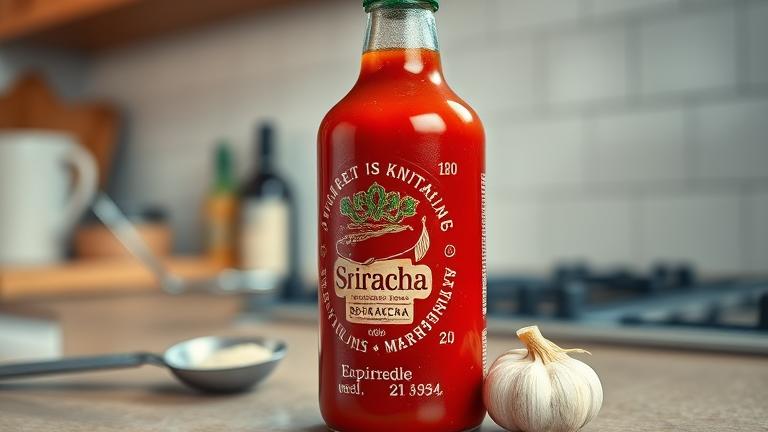
When Is Sriracha Considered Expired?
Sriracha is a popular spicy sauce that many people keep in their kitchens for adding flavor to dishes. Like all condiments, it does have a shelf life, but knowing when it’s gone bad can be confusing. If you’re wondering when sriracha is expired, there are some clear signs to watch for. Checking the date labels and paying attention to visual cues can help you decide if it’s still safe to use or better to toss out.
Most bottles of sriracha come with a “best by” or “use by” date printed on the packaging. This date provides a general guideline for the best quality. Keep in mind that it doesn’t necessarily mean the sriracha is unsafe after that date. Often, sriracha can last quite a while beyond these labels if stored properly. However, it’s good to know what signs indicate it should be discarded.
How to Read the Label
- Check the date: Look for the “best by” or “use by” date on the bottle’s label or cap. If it has passed, examine the sauce carefully before deciding to use it.
- Storage instructions: Proper storage can extend its shelf life. Keep your sriracha in a cool, dark place away from direct sunlight. Once opened, refrigeration is recommended to preserve flavor and prevent spoilage.
Visual Signs of Expiration
Even if the date suggests the sriracha should still be good, you should always check for visual changes. Here are some common clues:
- Color change: Fresh sriracha has a vibrant red-orange hue. If it looks dull, brownish, or has spots of discoloration, it may be past its prime.
- Separation or clumping: Some separation of liquid and solids is normal, but if the sauce is thickened, hardened, or there are large clumps, it could indicate spoilage.
- Crystals or mold: The presence of mold, fuzzy growth, or crystals inside the bottle or around the cap is a clear sign to discard it.
Smell and Taste Test
When in doubt, give your sriracha a sniff. It should have a spicy, tangy aroma. If it smells sour, musty, or off in any way, it is best to throw it away. Similarly, if you taste it and notice a strange, unusual flavor or bitterness, avoid using it in your dishes.
Safety First
Remember that consuming spoiled condiments can cause foodborne illnesses or spoil your dish’s flavor. When you notice any of the signs above, it’s safer to discard the sriracha. Trust your senses — if it looks, smells, or tastes off, it’s time for a new bottle.
Signs Sriracha Goes Bad
Sriracha is a popular hot sauce that adds flavor and spice to many dishes. But like any condiment, it can go bad over time. Knowing the signs of spoilage helps keep your food safe and tasting great. Here are some common indicators that your sriracha might be past its prime.
The first thing to look at is the color. Fresh sriracha typically has a vibrant red hue. If you notice that the sauce has become dull, darkened, or developed a brownish tint, it could be a sign that it’s starting to spoil. Keep in mind, some separation or slight color change can happen over time, but drastic shifts are a red flag.
Next, check the texture of your sriracha. When it’s fresh, it should have a consistent, smooth, and slightly thick consistency. If it becomes watery or develops clumps, this may indicate spoilage or that bacteria are growing. Sediment at the bottom of the bottle is common and usually harmless, but if you see large clumps or floating debris, it’s best to discard it.
Smelling your sriracha is a quick way to tell if it’s gone bad. Fresh sriracha has a balanced smell with notes of chili, garlic, and vinegar. If the sauce has a sour, pungent, or off-putting odor, it’s likely spoiled. A strong, sour smell can mean bacteria or mold are present, especially if it deviates from the usual aroma.
Another important sign is the appearance of mold. Check the top surface and around the lid for any fuzzy, green, white, or black spots. Mold doesn’t belong in your sriracha and should never be ignored. If you see mold, throw out the entire bottle to avoid health risks.
Sometimes, visible signs are subtle. Sediment or discoloration can occur naturally over time but watch for unusual changes. If your sriracha has been stored for a long time or in warm conditions, it’s a good idea to perform a quick smell and visual check before using it.
- If in doubt, don’t taste it. When in doubt, throw it out to stay safe.
- Store sriracha in a cool, dark place like a pantry or refrigerator to extend its shelf life.
- Seal the lid tightly after each use to prevent contamination.
Remember, proper storage and paying attention to these signs can save you from consuming spoiled sauce. When sriracha looks, smells, or feels off, it’s best to discard it and open a fresh bottle for your next spicy meal. Keeping a close eye on your condiments ensures every dish is both delicious and safe to enjoy.
Is Eating Expired Sriracha Safe?
Many people love having a bottle of sriracha on hand to spice up their meals. But what happens if your favorite hot sauce has gone past the expiration date? Is it still safe to enjoy, or should you toss it out? These are common questions, and the good news is that sriracha is known for its long shelf life. However, it’s important to understand what the expiration date really means and how to check if your sauce is still good to eat.
First, it helps to know that sriracha is a fermented chili sauce, which naturally helps preserve it. The ingredients—mainly chili peppers, vinegar, sugar, and salt—create an environment that discourages harmful bacteria growth. Because of this, sriracha can often last well beyond its printed expiration date if stored properly. But this doesn’t mean it will stay fresh forever. Over time, even the best-preserved sauces can undergo changes that affect flavor, texture, and safety.
When considering whether expired sriracha is safe, start by inspecting it carefully. Look for any signs of spoilage such as an off smell, visible mold, or any changes in color or texture. If the sauce smells sourer or funkier than usual, or if you see mold floating on the surface or inside the bottle, it’s best to throw it away. Usually, these are clear signs that the sauce has gone bad and could pose health risks if consumed.
In general, if the sriracha smells normal and looks fine, it’s probably safe to taste a small amount. Keep in mind that the flavor might be slightly diminished or different, but the sauce itself isn’t likely to cause illness. Many home cooks have happily used sriracha well after its expiration date without issues. Still, if you’re ever in doubt, trust your senses—when in doubt, throw it out.
It’s also helpful to understand proper storage practices, which can extend the shelf life of sriracha. Keep the bottle tightly capped and store it in a cool, dark place like a pantry or cupboard. Once opened, many people recommend refrigerating sriracha, which helps maintain flavor and quality longer. Refrigeration can help slow down any further deterioration and keeps the sauce tasting fresh for months longer than storing at room temperature.
| Storage Method | Shelf Life (Unopened) | Shelf Life (Opened) |
|---|---|---|
| Pantry, unopened | Up to 3 years or more | |
| Refrigerated after opening | 6 months to 1 year |
In conclusion, eating sriracha past its expiration date is usually safe if it still looks, smells, and tastes normal. Be diligent about inspecting it before use, and when in doubt, discard it to avoid any health risks. Proper storage can also help preserve its quality for a longer time. Enjoy your spicy meals without worry, just keep an eye on your favorite hot sauce!
Proper Storage for Hot Sauces
Storing hot sauces like sriracha properly is key to keeping their flavor fresh and their quality good for as long as possible. Whether you love to add hot sauce to eggs, noodles, or tacos, knowing how to store it correctly can make a big difference. The good news is, with a few simple tips, you can extend the shelf life of your favorite spicy condiments and enjoy them at their best.
First, temperature is important. Most hot sauces, including sriracha, should be kept in a cool, dark place. A pantry or cupboard away from direct sunlight and heat sources works well. When stored at stable, moderate temperatures—around 70°F or 21°C—hot sauces preserve their flavor and color. If you notice your kitchen tends to get warm or if you keep sauces in a sunny spot, consider storing them in the refrigerator to prevent spoilage.
Speaking of refrigeration, many hot sauces benefit from being kept cool after opening. This not only slows down any potential microbial growth but also helps maintain their vibrant color and taste. Sriracha, for example, can be stored in the fridge after opening, especially if you use it infrequently or want it to last longer. Keep in mind, refrigerating may slightly change the texture, making it thicker, which is a minor trade-off for freshness.
Next, pay attention to the container. Always store hot sauce in a clean, airtight container. If your sauce came in a squeeze bottle, it’s best to keep it that way, as the nozzle minimizes contamination. If you transferred sauce to a different container, make sure it’s clean and sealed tightly. Glass bottles or jars with tight-fitting lids are ideal. Avoid leaving hot sauces in open or poorly sealed containers, as this can introduce bacteria or cause spoilage.
Handling tips are just as important. Always use a clean spoon or pour directly from the bottle instead of dipping utensils back into the jar. This prevents introducing bacteria and other contaminants. After using, wipe the bottle’s opening if necessary, to keep it dry and free from drips that could promote mold.
To clarify, here are some general storage guidelines for popular hot sauces like sriracha:
– Unopened bottles: Store in a cool, dark pantry or cupboard. They can last for months or even years past the expiration date if kept sealed.
– Opened bottles: Keep refrigerated for the best quality. Most sauces remain good for 6 months to a year when refrigerated, but always check for signs of spoilage before use.
– Signs of spoilage include mold growth, an off smell, or a change in appearance or texture.
Finally, labeling your hot sauce bottles with a purchase or opening date can help you keep track. When in doubt, trust your senses. If the hot sauce smells strange, looks unusual, or tastes off, it’s best to discard it.
Regularly inspecting and properly storing your hot sauces, like sriracha, can make a big impact on how fresh they stay. With a simple routine—keeping containers sealed, stored in the right place, and handled hygienically—you’ll enjoy spicy, flavorful sauces for a long time.
Alternatives to Expired Sriracha
If your sriracha has expired or gone bad, don’t worry—there are plenty of other condiments and sauces you can use to add heat and flavor to your dishes. Whether you want something quick and easy or a fun project to make your own hot sauce, there are options suitable for every taste and kitchen setup.
Using Store-Bought Alternatives
Many people keep similar spicy condiments on hand that can stand in for sriracha. Some common options include:
- Hot Sauce: Brands like Tabasco, Frank’s RedHot, or Cholula offer a good amount of spice and flavor. Keep in mind that these sauces tend to be less sweet and vinegary than sriracha, so adjust your recipe as needed.
- Chili Garlic Sauce: This thick, flavorful sauce adds heat and a touch of garlic, making it a great replacement. Brands like Lao Gan Ma or homemade chili garlic sauce work well.
- Sweet Chili Sauce: If you’re looking for a milder, sweeter option, sweet chili sauce can add a nice kick with a hint of sweetness, though it doesn’t have the vinegar tang of sriracha.
- Kimchi or Spicy Pickles: For a natural spicy kick, a small amount of chopped kimchi or spicy pickles can add depth and heat to many dishes.
Remember, each of these has a different flavor profile, so start with small amounts and taste as you go. You can always add more, but it’s hard to fix if you add too much at once.
Making Your Own Hot Sauce
If you enjoy DIY projects in the kitchen, making your own hot sauce can be fun and satisfying. It also allows you to customize the flavors and heat level to your taste. Here’s a simple method to get you started:
- Gather ingredients: You’ll need chili peppers (fresh or dried), vinegar, garlic, salt, and optional sweeteners like honey or sugar. Adjust quantities based on how much hot sauce you want to make.
- Prepare the peppers: Remove stems, and if you prefer a milder sauce, remove seeds. Chop them into smaller pieces.
- Blend everything: Combine peppers, garlic, salt, and a splash of vinegar in a blender. Blend until smooth.
- Cook or age: Pour the mixture into a saucepan and simmer for about 10-15 minutes. Alternatively, let it sit in a jar for a few days to develop flavor.
- Store properly: Transfer your homemade hot sauce into a clean bottle or jar and refrigerate. Use within a month for the best flavor.
This method can be customized with additional ingredients like pineapple, mango, or herbs for unique flavors. Experimenting allows you to create a hot sauce that perfectly complements your favorite dishes.
Tips and Common Mistakes to Avoid
- Don’t use expired condiments: If the substitute sauces or ingredients have signs of spoilage, such as mold or a bad smell, it’s best to discard them.
- Start small: When adding new sauces or homemade hot sauce, start with a small amount and taste before adding more.
- Adjust for flavor: Some hot sauces are more vinegary or sweet. Balance these flavors with other ingredients in your dish.
- Handle peppers carefully: Use gloves when working with hot peppers to avoid skin irritation.