
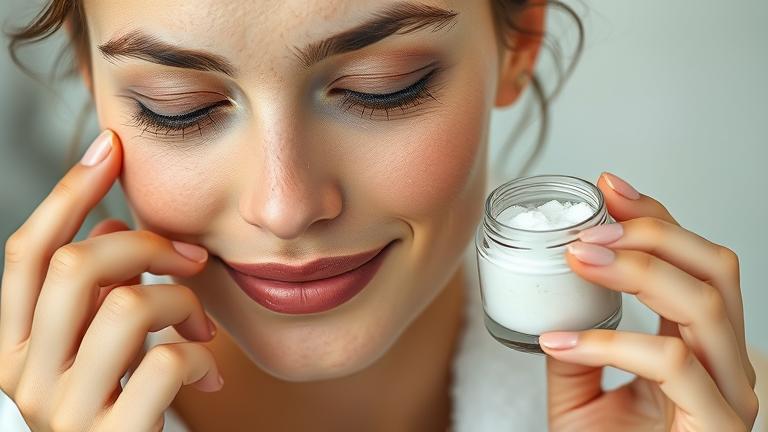
Benefits and Risks of Baking Soda on Skin
Baking soda is a common household ingredient that many people use for various beauty purposes, including skincare. It is known for its gentle exfoliating properties and ability to balance the skin’s pH. However, while some find it helpful, others experience skin irritation or damage. Understanding the benefits and risks of baking soda on skin can help you decide if it is right for you.
One of the main benefits of baking soda is its ability to act as a natural exfoliant. When mixed into a paste, it can help remove dead skin cells, leaving your skin feeling smoother and looking brighter. This is especially useful if you have dry, flaky skin or clogged pores. Baking soda can also be used to reduce body odor or as a quick fix for insect bites, thanks to its anti-inflammatory properties.
Additionally, some people believe that baking soda can help clear up minor skin issues like acne or skin discoloration. Its alkaline nature can neutralize excess acidity on the skin’s surface, making it a go-to remedy for those looking for a simple, affordable treatment. You might also find it useful as a temporary remedy for soothing burnt or itchy skin, though these effects are often short-term.
Despite these potential benefits, using baking soda on your skin also carries risks. Because baking soda is alkaline, frequent or improper use can disrupt your skin’s natural pH balance. This imbalance may cause dryness, redness, or increased irritation. If your skin is sensitive or already prone to conditions like eczema or rosacea, baking soda could make symptoms worse.
Another common issue is skin irritation or burns. Applying a baking soda paste directly and leaving it on too long can lead to redness, burning, or even small cuts. It’s important to test any baking soda mixture on a small area of skin first, especially if you have sensitive skin or allergies. Always avoid using baking soda near your eyes, as the skin there is thinner and more delicate.
In some cases, people experience adverse reactions such as swelling, redness, or itching after applying baking soda. If you notice any of these signs, wash off the product immediately and stop using it. Consulting a dermatologist before trying baking soda for skin issues is a smart move, especially if you have existing skin conditions or are unsure about how your skin will react.
Tips for Safe Use of Baking Soda on Skin
- Do a patch test first—apply a small amount of baking soda paste on your wrist or behind your ear and wait 24 hours to see if there’s any reaction.
- Mix baking soda with gentle ingredients like water or aloe vera to reduce irritation risk.
- Limit use to once or twice a week, and never leave the paste on your skin for more than 10 minutes.
- Rinse thoroughly with cool water and apply moisturizer afterward to soothe your skin.
- If you experience discomfort or signs of irritation, wash it off immediately and avoid further use.
While baking soda can be a useful, inexpensive skincare ingredient, it is not suitable for everyone. Consider your skin type and sensitivities carefully, and seek advice from a skincare professional if you’re unsure. Using it safely and in moderation can help you enjoy potential benefits while minimizing possible risks.
How to Use Baking Soda Safely at Night
Baking soda is a common kitchen ingredient that many people use for various skincare routines, including overnight treatments. If you’re considering applying baking soda on your face overnight, it’s important to do so carefully to avoid irritation or damage. When used correctly and in moderation, baking soda can help with oily skin, acne, and blackheads. But it’s essential to follow some safety tips and best practices to protect your skin’s health.
Before You Start
First, always remember that baking soda is alkaline, which means it can disrupt your skin’s natural pH balance if used too often or in high concentrations. This could lead to dryness, irritation, or redness. Before applying baking soda overnight, do a patch test on a small area of your skin, like your wrist or behind your ear. Wait 24 hours to see if any redness, itching, or burning occurs. If your skin reacts poorly, it’s best to avoid using baking soda on your face.
How to Prepare and Apply Baking Soda safely
- Mix a gentle paste: Combine about a teaspoon of baking soda with two teaspoons of water. Stir until you get a smooth, thick paste. For sensitive skin, you can add a few drops of aloe vera or honey for extra soothing.
- Cleanse your face: Before applying, wash your face with a gentle cleanser to remove dirt and excess oil. Pat your skin dry with a soft towel.
- Apply the paste carefully: Using clean fingers or a soft brush, gently spread the baking soda paste on areas needing treatment—like a pimple or blackhead-prone zones. Avoid the delicate eye area and any broken or irritated skin.
- Limit the time: Do not leave the baking soda on overnight if you’re new to this. Start with 10-15 minutes, then rinse thoroughly with lukewarm water and pat dry. If your skin tolerates it well, you can try leaving it on slightly longer, but never overnight the first few times.
- Moisturize afterward: Follow up with a gentle moisturizer to restore hydration and help balance your skin’s pH.
Precautions and Tips
- Use baking soda treatments only a few times a week at most. Overuse can lead to dryness and irritation.
- Avoid applying baking soda on broken, irritated, or sensitive skin. It can worsen existing skin issues.
- If you notice any burning, excessive dryness, or redness, wash it off immediately and discontinue use.
- For best results, consider consulting with a dermatologist before starting regular baking soda skincare routines.
- Remember, natural doesn’t always mean safe. Always listen to your skin’s reaction and adjust accordingly.
Using baking soda at night can be helpful in managing skin concerns when used safely and in moderation. By following these precautions and best practices, you can incorporate this common ingredient into your skincare routine without risking irritation or damage. Your skin’s health is worth the little extra care!
Which Skin Types Are Suitable for Baking Soda
Baking soda is a popular ingredient in many DIY skincare remedies thanks to its exfoliating and cleansing properties. However, it’s important to understand that not all skin types react the same way to baking soda. Some people may find it gentle and beneficial, while others might experience irritation or dryness.
If you are considering using baking soda on your skin, knowing your skin type can help you decide if it’s a safe choice for you. Let’s explore which skin types are generally more suitable for baking soda and which should be cautious or avoid it altogether.
Oily and Acne-Prone Skin
People with oily or acne-prone skin often find baking soda helpful. Its ability to absorb excess oil and gently exfoliate dead skin cells can reduce the risk of breakouts. Additionally, baking soda’s mild antibacterial properties can help in controlling acne-causing bacteria.
When using baking soda on oily skin, it’s best to mix a small amount with water to create a paste. Apply it gently to the face, avoiding the delicate eye area. Use this treatment only a couple of times a week to prevent over-drying the skin. Always follow up with a light moisturizer.
Normal Skin
For those with normal skin, baking soda can be a safe and effective way to maintain a clean, balanced complexion. Its gentle exfoliation can keep skin smooth and refreshed without causing irritation.
As with any skincare product, it’s advisable to start with a mild application. Mix baking soda with water to make a gentle scrub, and monitor how your skin reacts. If you notice any redness or irritation, rinse immediately and consider other gentler options.
Dry and Sensitive Skin
People with dry or sensitive skin should approach baking soda with caution. Its alkaline nature can disturb the natural pH balance of the skin, leading to further dryness and irritation. Common signs of adverse reactions include redness, itching, or a stinging sensation.
If you have dry or sensitive skin but still want to try baking soda, perform a patch test first. Mix a small amount with water, apply on a small skin area, and wait 24 hours for any reactions. If any irritation appears, it’s best to skip baking soda and opt for gentle, hydrating skincare products instead.
Tips for Safe Use
- If you experience redness, burning, or peeling, wash off immediately and discontinue use.
- Limit the frequency to once a week or less, especially if you have sensitive skin.
- Always follow with a moisturizer to prevent dryness.
- Consider patch testing new DIY treatments before applying to your entire face.
Final Advice
Remember, every skin is unique. What works well for one person may not suit another. If you have doubts or skin conditions like eczema or rosacea, consult a dermatologist before incorporating baking soda into your skincare routine.
Common Mistakes: Overdoing It with Baking Soda
Baking soda is a popular natural remedy for skin care, but using too much or applying it incorrectly can cause irritation or damage. Knowing how to use it properly can help you enjoy its benefits without the risks. Here are some common mistakes people make and tips to prevent skin issues.
1. Using Baking Soda Too Frequently
One common mistake is using baking soda daily or several times a week. While it can help exfoliate dead skin cells and reduce certain skin issues, overdoing it can strip away natural oils. This might lead to dryness, redness, or even worsen skin irritation.
To avoid this, limit your baking soda treatments to once a week or less. Pay attention to how your skin reacts and adjust the frequency accordingly. If you notice increased dryness or sensitivity, reduce use and switch to gentler alternatives.
2. Applying Undiluted Baking Soda Directly to Skin
Many people try to make quick fixes by applying baking soda straight from the box. This concentrated form can be harsh, especially for sensitive skin. It may cause burning, redness, or peeling if left on too long.
Always dilute baking soda with water or other soothing ingredients before applying. A common mix is one part baking soda to three parts water. Test this on a small patch of skin first to see how your skin reacts before wider use.
3. Leaving Baking Soda on Skin Too Long
Leaving baking soda on your skin longer than recommended can cause irritation. It might feel uncomfortable, cause itching, or create a burning sensation.
Limit contact time to 10 to 15 minutes. Rinse thoroughly with lukewarm water, and avoid scrubbing vigorously. If you feel any discomfort, wash it off immediately.
4. Not Doing a Patch Test First
Everyone’s skin reacts differently. Some people can use baking soda on their skin without problems, but others may develop redness or allergic reactions.
Always do a patch test before trying a new treatment. Apply a small amount of mixed baking soda solution to your inner wrist or behind your ear. Wait 24 hours to see if any irritation occurs. If you notice redness, itchiness, or swelling, avoid using baking soda on your face or other sensitive areas.
5. Using Baking Soda on Broken or Damaged Skin
If your skin has cuts, scrapes, or other damage, avoid using baking soda. Its alkalinity can irritate open wounds and delay healing. It may also increase the risk of infection.
Stick to gentle, skin-friendly products until your skin heals completely.
Tips to Use Baking Soda Safely on Skin
- Always dilute baking soda properly before applying.
- Limit use to once a week or less depending on your skin’s sensitivity.
- Perform a patch test before full application.
- Use short contact times and rinse thoroughly.
- Stop using if you notice irritation or discomfort.
Alternatives to Baking Soda for Clear Skin
If you’re looking for safer or more gentle options to help achieve clear skin, there are plenty of alternatives to baking soda. While baking soda can sometimes be effective at exfoliating, it can also cause irritation, especially for sensitive skin. Luckily, many ingredients can help cleanse, exfoliate, and soothe your skin without the risks.
One popular option is sugar. Sugar acts as a natural scrub that gently exfoliates dead skin cells. You can mix it with honey or coconut oil to create a simple, effective mask or scrub. Just remember to be gentle when rubbing it onto your skin to avoid irritation.
Another effective alternative is oatmeal. Oatmeal has soothing properties that calm redness and irritation. You can make a calming mask by blending oatmeal with water or yogurt. It also gently exfoliates, making it great for sensitive or inflamed skin.
For those who prefer natural acids, lemon juice is a common choice. It contains citric acid, which helps brighten skin and fight bacteria. But it’s important to use it diluted, as straight lemon juice can cause irritation or photosensitivity. Always apply sunscreen when using lemon on your skin.
Clay masks are another safe option. Types like bentonite or kaolin clay absorb excess oil and dirt without stripping your skin’s natural moisture. You can mix clay with water or apple cider vinegar for a deep clean, but be sure to rinse thoroughly and moisturize afterward.
Some people find that honey helps clear skin thanks to its antibacterial and moisturizing properties. Use raw honey as a face mask by applying a thin layer and leaving it on for 15–20 minutes before rinsing. It’s gentle and suitable for most skin types.
When choosing alternatives, keep these tips in mind:
- Test new ingredients on a small patch of skin first to check for allergies.
- Use gentle, circular motions when exfoliating – overdoing it can cause irritation.
- Follow up with a moisturizer suitable for your skin type.
Remember, everyone’s skin reacts differently. It’s a good idea to consult a dermatologist if you have persistent skin issues or sensitive skin. With the right ingredient, you can maintain clear, healthy skin without the risks linked to baking soda.
Should You Leave Baking Soda on Your Face Overnight?
Many people wonder if leaving baking soda on their face overnight is a good idea. Baking soda is a common household item known for its cleaning and deodorizing properties. Some believe it can help with acne, oil control, or skin brightening. However, it is important to understand whether this practice is safe and effective.
While baking soda can temporarily make your skin feel smooth or dry out a pimple, leaving it on your face overnight can cause problems. Baking soda has a high pH level, which means it is quite alkaline. Our skin’s natural pH is usually slightly acidic, around 4.5 to 5.5. When you apply a product with a high pH like baking soda, it can disturb your skin’s delicate balance.
This disturbance may lead to dryness, irritation, or even a burn if left on for too long. If you have sensitive skin, the risk is even higher. Experts generally recommend avoiding leaving baking soda on your face for extended periods, especially overnight. It is best used as a spot treatment or in small amounts as part of a face mask, not as a daily or overnight remedy.
What Do Skin Care Experts Say?
Many dermatologists warn against using baking soda on the skin. They cite its potential to cause irritation, redness, or breakouts if used improperly or for too long. Some studies and skin care professionals note that the alkalinity of baking soda can strip away the natural oils that protect your skin, leading to increased sensitivity and dryness.
However, some people report short-term benefits when using baking soda carefully. For example, a light, diluted paste applied as a brief spot treatment might reduce a pimple. But leaving that same mixture on overnight is likely to cause more harm than good for most skin types.
Practical Tips and Safe Alternatives
- Always dilute baking soda well before applying to your skin. Mix one teaspoon of baking soda with a small amount of water to make a paste.
- Test a small area first to see how your skin reacts. Wait 24 hours to check for irritation.
- If you experience redness, burning, or dryness, wash off immediately with water and discontinue use.
- Limit baking soda treatments to 10-15 minutes tops. Do not leave on overnight.
- Consider safer alternatives for skin exfoliation or acne treatment, such as salicylic acid or gentle scrubs designed for facial skin.
Summary
In general, leaving baking soda on your face overnight is not advisable. The risks of irritation and skin damage outweigh any potential benefits. Use baking soda carefully and sparingly, and always prioritize your skin’s health. If you want an effective skincare routine, consult a dermatologist for personalized advice and safe product options.
Tips for Healthy Skin with Safe Ingredients
Taking care of your skin is important for feeling good and looking fresh every day. Using gentle and safe ingredients in your skincare routine can help maintain healthy, glowing skin. Whether you have dry, oily, or sensitive skin, choosing the right products makes a big difference.
First, focus on keeping your skin hydrated. Drinking plenty of water throughout the day helps lock in moisture and flush out toxins. Additionally, look for natural ingredients like aloe vera, which soothes and hydrates the skin without causing irritation. Avoid harsh chemicals or artificial fragrances, as they can strip your skin of natural oils and cause dryness or redness.
Choose Gentle Cleansers
Start your skincare routine with a mild, safe cleanser. Look for products labeled as gentle, hypoallergenic, or suitable for sensitive skin. Ingredients like chamomile or cucumber extract can clean your skin without disrupting its natural balance. Avoid strong soaps or scrubbing too harshly, as this can damage the skin barrier and lead to irritation.
Incorporate Natural Moisturizers
Moisturizing is key to healthy skin. Use a gentle moisturizer that contains ingredients like glycerin, honey, or plant oils such as jojoba or sunflower oil. These help lock moisture in and create a protective barrier against environmental stressors. Apply moisturizer twice daily after cleansing to keep your skin soft and resilient.
Protect Your Skin from Sun Damage
Sun protection is vital for maintaining healthy skin with safe ingredients. Choose a broad-spectrum sunscreen with at least SPF 30. Ingredients like zinc oxide or titanium dioxide are mineral options that are gentle and effective. Wear protective clothing and avoid prolonged sun exposure during peak hours to prevent sunburn and premature aging.
Use Soothing and Natural Ingredients
Look for skincare products with calming ingredients such as chamomile, calendula, or oat extract. These can help reduce redness, itching, and irritation. For example, applying a cooled oatmeal mask can soothe sensitive skin. Avoid products with alcohol or artificial dyes, which can worsen skin discomfort.
Be Mindful of Your Lifestyle
- Eat a balanced diet rich in fruits, vegetables, and healthy fats to nourish your skin from the inside out.
- Get enough sleep to help your skin repair and regenerate overnight.
- Manage stress through relaxation techniques like yoga or deep breathing, as stress can affect your skin’s health.
- Limit exposure to environmental pollutants whenever possible, and wash your face after being outdoors.
Remember, consistency is the key to healthy skin. Use safe, gentle ingredients regularly, and avoid trying too many new products at once. If you notice persistent irritation or skin issues, consult a dermatologist for personalized advice.