
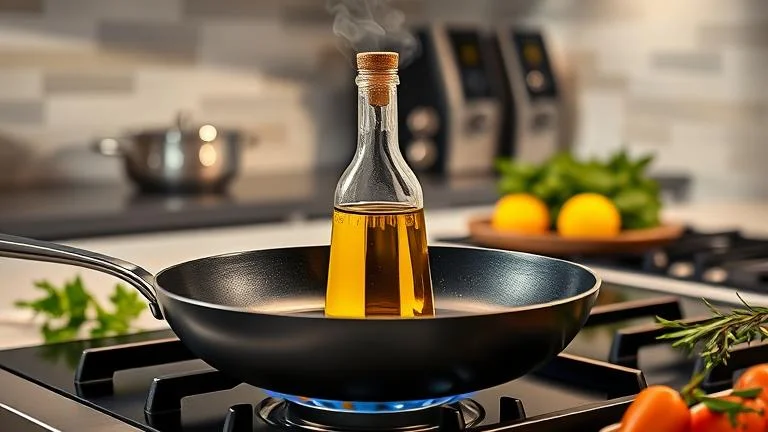
Understanding Olive Oil and Its Uses
Olive oil is a staple ingredient in many kitchens around the world. Known for its rich flavor and health benefits, it is made by pressing olives to extract their oil. There are different types of olive oil, each suited for specific culinary purposes.
Knowing the differences between these types helps you choose the right olive oil for your dishes. The main types include extra virgin, virgin, refined, and pure olive oil. Extra virgin olive oil is the highest quality, made from the first cold pressing of olives. It has a robust flavor and superior aroma, making it ideal for salads, dips, and finishing touches. Virgin olive oil is similar but slightly less intense. Refined olive oil undergoes processing to remove impurities and has a milder flavor. Pure or regular olive oil is often a blend of virgin and refined oils, suitable for cooking at higher temperatures.
Olive oil is incredibly versatile in the kitchen. Its uses include drizzling over salads, roasting vegetables, sautéing, and even as a base for marinades. When using olive oil for cooking, it’s important to consider its smoke point, which is the temperature at which the oil begins to burn and smoke. Extra virgin olive oil typically has a lower smoke point—around 375-410°F (190-210°C)—so it’s best for low to medium heat cooking or finishing dishes. Refined olive oil has a higher smoke point, making it more suitable for high-heat applications like frying.
Here are some common ways to use olive oil in your culinary adventures:
- Salads: Use extra virgin olive oil as a salad dressing base, often combined with vinegar or lemon juice.
- Cooking vegetables: Drizzle olive oil over vegetables before roasting or sautéing to enhance flavor.
- Sautéing and frying: Use refined olive oil for high-heat cooking to prevent smoke and flavor changes.
- Marinades: Mix olive oil with herbs and spices to create flavorful marinades for meats and vegetables.
- Baking: Incorporate olive oil into bread or muffin recipes for moisture and a subtle fruity flavor.
One helpful tip is to store olive oil properly—keep it in a cool, dark place to preserve its flavor and prevent it from going rancid. Also, use it within a year of opening for the best taste. Be mindful of the quality; investing in good extra virgin olive oil makes a noticeable difference in your cooking experience.
In summary, understanding the different types of olive oil and their ideal uses helps you make smarter choices in your kitchen. Whether drizzling it over a fresh salad or using it for sautéing, olive oil can enhance the flavor and nutritional value of your dishes. Exploring its uses ensures you get the most out of this versatile ingredient.
Smoke Point of Olive Oil Explained
The smoke point of olive oil is an important factor to consider when cooking. It tells you the temperature at which the oil begins to break down and produce smoke. Knowing this helps prevent burning the oil, which can affect both flavor and safety.
Different types of olive oil have different smoke points. Extra virgin olive oil, which is made from the first cold pressing of olives, tends to have a lower smoke point, usually between 375°F (190°C) and 405°F (207°C). On the other hand, refined olive oils have higher smoke points, often around 465°F (240°C). This makes them better suited for high-heat cooking methods like frying or searing.
It’s important to understand why smoke point matters. When oil reaches its smoke point, it starts to produce smoke and release potentially harmful compounds. Plus, the flavor of the oil can change, turning bitter or burnt-tasting. For gentle cooking like salad dressing or low-temperature sautéing, extra virgin olive oil is ideal. But for high-heat cooking, choosing a more refined olive oil is a smarter move.
How Smoke Point Affects Your Cooking
- Lower smoke point oils: Better for salad dressings or light sautéing at low temperatures.
- Higher smoke point oils: Better for frying, searing, or roasting at higher temperatures.
Using olive oil above its smoke point can cause it to degrade quickly, creating a burnt taste in your dish. It can also produce smoke that might set off your smoke alarms, especially if you’re cooking indoors. So, choosing the right olive oil for your cooking method helps keep your dishes tasty and safe.
Tips for Using Olive Oil Wisely
- Always check the label to see if the olive oil is extra virgin or refined. This gives clues about its smoke point.
- If you’re frying or doing high-temperature roasting, opt for refined olive oil or other oils with higher smoke points like avocado or grapeseed oil.
- Save extra virgin olive oil for drizzling over salads, bread, or light sautéing at lower temperatures.
- Keep your olive oil stored in a cool, dark place to maintain its quality, regardless of its smoke point.
Quick Summary
The smoke point of olive oil varies based on its type. Extra virgin olive oil usually smokes around 375°F to 405°F, while refined varieties can tolerate up to 465°F. Choosing the right olive oil for your cooking method helps prevent burning and keeps your food tasting great. Remember to store your olive oil properly and never heat it beyond its smoke point to ensure safe, delicious meals.
Is Olive Oil Suitable for High Heat?
Many home cooks wonder if olive oil can handle high-temperature cooking like frying or sautéing. The short answer is that it depends on the type of olive oil and how hot your stove gets.
Olive oil has a smoke point, which is the temperature where it starts to burn and break down, producing smoke and potentially harmful compounds. Extra virgin olive oil generally has a smoke point around 375 to 410 degrees Fahrenheit (190 to 210 degrees Celsius). This might seem lower than some other oils, but it’s usually enough for most cooking tasks.
One thing to remember is that regular or refined olive oil has a higher smoke point, often about 465 to 470 degrees Fahrenheit (240 to 245 degrees Celsius). Because of that, refined olive oil can be a better choice for very high-heat methods like deep frying.
Pros of Using Olive Oil for High-Heat Cooking
- It adds a rich, fruity flavor to your dishes that many people love.
- Olive oil contains healthy monounsaturated fats, which are good for your heart.
- Refined olive oil can withstand higher temperatures without smoking or breaking down.
Cons to Keep in Mind
- Extra virgin olive oil can start to smoke if heated too high, which might create unpleasant tastes and harmful compounds.
- Heating beyond the smoke point reduces the nutritional benefits of olive oil, especially its antioxidants and vitamins.
- Repeated heating can degrade any olive oil, affecting flavor and quality over time.
Practical Tips for Cooking with Olive Oil at High Heat
- If you want to sauté or fry, consider using refined olive oil because of its higher smoke point.
- Keep the heat moderate and avoid letting the oil smoke, to preserve both flavor and nutrients.
- If you’re cooking with extra virgin olive oil, use it for lower-temperature dishes like salad dressings, dips, or light sautéing.
- Always pay attention to smoke; once the oil starts to smoke, it’s time to lower the heat or switch to a more suitable oil.
- Store olive oil in a cool, dark place to maintain quality and prevent it from going rancid.
Common Mistake to Avoid
One common mistake is heating extra virgin olive oil past its smoke point. This can cause a burnt flavor in your food and produce harmful substances. To avoid this, use a reliable thermometer or watch for smoke and bubbling signs.
In Summary
Olive oil can be used at high temperatures, but it depends on the type. Refined olive oil is better suited for very hot cooking, while extra virgin olive oil shines in lower-heat applications. By managing the heat and choosing the right oil, you can enjoy the delicious flavor and health benefits of olive oil without worries.
Benefits of Cooking with Olive Oil
Cooking with olive oil offers many benefits, both for your health and for the flavor of your dishes. This natural oil, especially extra virgin olive oil, is rich in healthy fats and antioxidants. These nutrients can help support heart health, reduce inflammation, and boost your immune system.
One of the main advantages of using olive oil in cooking is its ability to enhance flavors. It adds a delicious, slightly fruity taste that can make simple ingredients taste extraordinary. Whether drizzling it over salads, dipping bread, or cooking vegetables, olive oil elevates the overall flavor profile of your meal.
Another benefit is its versatility. Olive oil can be used in various cooking methods, from sautéing and roasting to baking. It is especially good for low to medium heat cooking because it maintains its nutritional properties at these temperatures. However, it is important to consider how heat affects olive oil’s health benefits.
How Cooking Temperatures Affect Olive Oil Benefits
Olive oil is composed mainly of monounsaturated fats, which are stable at low to medium temperatures. When used for sautéing or light frying, olive oil retains most of its antioxidants and healthy fats. This means you still get many of its health benefits without any significant loss.
However, at high temperatures—such as deep frying or prolonged heating—olive oil can break down and produce compounds that are less healthy. Extra virgin olive oil has a smoke point around 375-410°F (190-210°C), which is suitable for most cooking needs. To preserve its benefits, avoid overheating beyond this point.
If you need to cook at higher temperatures, consider using refined olive oil, which has a higher smoke point. But for most daily cooking, extra virgin olive oil provides the best flavor and nutritional advantages.
- Tip: Use olive oil for salad dressings and finishing dishes to maximize flavor and health benefits.
- Tip: When sautéing veggies, keep the heat below the smoke point for the best nutritional retention.
- Tip: Store olive oil in a cool, dark place to maintain its quality and flavor over time.
In summary, cooking with olive oil can boost the taste and healthfulness of your meals. Choosing the right type and temperature can help you get the most out of this nutritious gift from nature. Enjoy experimenting with it to add flavor and wellness to your everyday cooking.
Best Cooking Oils for High Temperatures
When you’re frying, roasting, or stir-frying at high heat, it’s important to choose the right cooking oil. Not all oils behave well under high temperatures. Some break down, smoke, or even develop harmful compounds when heated beyond their smoke points. Knowing which oils are best for high-temperature cooking helps you keep your food tasty and safe.
The key is to pick oils with high smoke points. The smoke point is the temperature at which oil starts to smoke and break down, releasing smoke and potentially harmful fumes. Oils with higher smoke points are more stable at high heat and work well for frying and searing. Let’s look at some top options and what makes them suitable.
Common Oils Suitable for High-Temperature Cooking
| Oil Type | Smoke Point (°F) | Best Uses | Notes |
|---|---|---|---|
| Refined Avocado Oil | 520 | Searing, frying, roasting | Very stable with a mild flavor. Good for high-heat cooking and salads. |
| Refined Canola Oil | 450 | Frying, stir-frying | Neutral flavor, affordable, widely available. |
| Grapeseed Oil | 420 | Sautéing, frying, baking | Light taste, excellent for frying and dressings. |
| Refined Peanut Oil | 450 | Deep frying, stir-frying | Rich flavor, good for Asian dishes, stable at high heat. |
| Safflower Oil | 450 | Frying, roasting | Neutral flavor, good for crispy cooking. |
| Sunflower Oil | 440 | Frying, sautéing | Light flavor, healthy fats, good for high heat. |
| Refined Sesame Oil | 410 | Stir-frying, sautés | Nutty flavor, use in moderation for high heat. |
Choosing the Right Oil for Your Cooking Method
If you’re deep-frying chicken or French fries, opt for oils with smoke points above 450°F, like refined avocado or peanut oil. These oils let you cook at high temperatures without breaking down.
For stir-fries or quick sautés, oils such as grapeseed or sunflower are practical options. They handle the heat well and keep flavors light. Be mindful that unrefined oils, like extra virgin or unrefined olive oil, usually have lower smoke points and are better suited for lower-temperature cooking or finishing dishes.
Safety Tips and Practical Advice
- Always heat the oil gradually, especially if you’re trying a new type. Avoid adding food immediately if the oil is very hot to prevent splatters.
- Never leave hot oil unattended. Overheated oil can catch fire quickly.
- Use a thermometer to monitor oil temperature if you’re serious about high-heat cooking—especially for deep frying.
- Store oils in a cool, dark place to prolong their freshness and prevent rancidity.
Choosing the right cooking oil for high temperatures makes a big difference in your cooking results. By understanding smoke points and selecting stable oils, you can fry, sear, or roast with confidence. Remember, using the proper oil not only improves flavor but also keeps your kitchen safer.
Common Questions About Olive Oil and Heating
Olive oil is a staple in many kitchens, loved for its flavor and health benefits. But when it comes to cooking with olive oil, especially heating it, questions often come up. Many home cooks wonder whether it’s safe to use olive oil for frying or how heat affects its quality. Here, we’ll clear up some common misconceptions and share practical tips for cooking confidently with olive oil.
Can I cook with olive oil at high temperatures?
Many people worry that heating olive oil too much will ruin it or make it unhealthy. The key thing to remember is that different types of olive oil have different smoke points. The smoke point is the temperature at which oil begins to smoke and break down, potentially releasing harmful compounds and giving food an unpleasant flavor. Extra virgin olive oil generally has a smoke point between 375°F (190°C) and 410°F (210°C), while lighter or refined olive oils often have higher smoke points, around 465°F (240°C).
This means that extra virgin olive oil is suitable for most cooking methods, including sautéing and light frying. However, it’s best to avoid using it for very high-heat cooking like deep frying when temperatures exceed its smoke point. Instead, choose a more refined olive oil or another oil with a higher smoke point for such tasks.
Is heating olive oil bad for its health benefits?
Some believe that heating destroys olive oil’s health perks. While it’s true that very high heat can reduce some antioxidants, moderate cooking actually makes the oil’s nutrients more available. For example, heating can release phenols and antioxidants, making them easier for your body to absorb.
To maximize health benefits, use good quality extra virgin olive oil for raw preparations like dressings and drizzling, and cook with it at moderate temperatures. Avoid overheating it until it smokes, as this can create compounds that are less healthy and impart a burnt flavor to your dishes.
What are common mistakes to avoid when heating olive oil?
- Heating olive oil past its smoke point, which can cause it to break down and produce harmful compounds.
- Reusing olive oil multiple times for frying, as repeated heating speeds up spoilage and oxidation.
- Pouring cold olive oil into very hot pans, which can cause splattering. Add oil to a preheated pan instead.
- Using low-quality or blended oils for high-temperature cooking, because they may have lower smoke points or less health benefit.
Practical tips for cooking with olive oil and heat
- Use extra virgin olive oil for dressings, dips, and low to medium heat cooking.
- Choose more refined olive oils for high-heat frying or searing.
- Keep the heat moderate to avoid smoking and preserve nutrients.
- Store olive oil in a cool, dark place to maintain its quality, especially if you use it frequently for cooking.
- Look for the smoke point on the label if available, especially when buying for specific cooking needs.
How to Choose the Right Cooking Oil
Picking the right cooking oil is an important step in making your meals turn out delicious and healthy. With so many options available, it can feel overwhelming to choose the best one for your needs. The key factors to consider are the cooking temperature, health benefits, and flavor profile.
First, think about the type of cooking you’ll be doing. Different oils have different smoke points, which is the temperature at which they start to smoke and break down. Using an oil beyond its smoke point can result in a bitter taste and possibly harmful compounds. For high-heat cooking, like frying or searing, choose oils with a high smoke point.
Understanding Smoke Points
| Oil Type | Smoke Point (°F) | Best Uses |
|---|---|---|
| Refined Avocado Oil | 520 | High-heat frying, searing |
| Canola Oil | 400 | Sautéing, baking |
| Olive Oil (Extra Virgin) | 375 | Salad dressings, low-heat cooking |
| Coconut Oil | 350 | Baking, medium-heat cooking |
| Unrefined Oils | Most under 375 | Dressings, finishing touches |
For frying or searing, opt for oils like refined avocado, canola, or peanut oil. For dressings and dipping, extra virgin olive oil adds great flavor without worrying about heat. Medium-heat applications like simmering or baking can use coconut oil or regular olive oil.
Health Considerations
- Fat composition: Look for oils rich in monounsaturated fats, such as olive oil or avocado oil, which are good for your heart.
- Processing: Less processed oils, like extra virgin olive oil and unrefined oils, retain more nutrients and natural flavors.
- Avoid trans fats: Check labels and avoid oils with partially hydrogenated fats, which are not healthy.
Some oils, like flaxseed or walnut oil, contain omega-3 fatty acids, which are great for health but are not suitable for high-heat cooking because they can become rancid quickly. They are best used raw, in salad dressings or drizzled over cooked dishes.
Flavor Preferences
Choose an oil that complements your dish. Olive oil provides a fruity, peppery flavor perfect for Mediterranean dishes. Coconut oil adds a subtle sweetness, suitable for baking or tropical-themed recipes. Neutral oils like canola or vegetable oil won’t interfere with the taste of your food.
It’s also fine to have a few different oils in your pantry. Use the flavorful ones for salads and finishing, and the high smoke point oils for frying or roasting. This way, your food will taste great and stay healthy.