
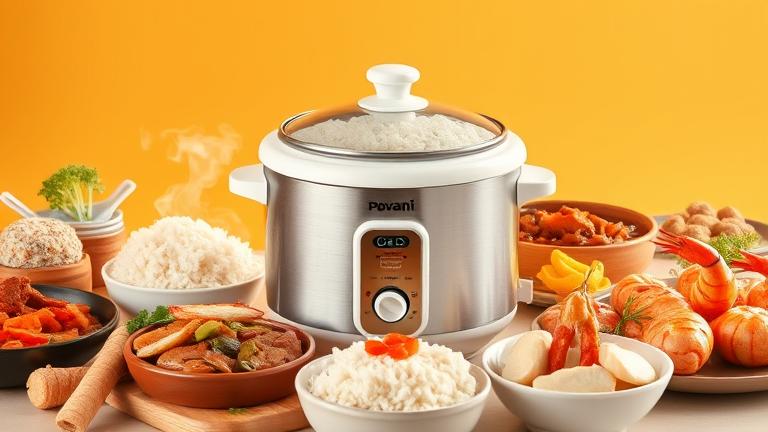
Surprising Rice Cooker Recipes
Your rice cooker isn’t just for boiling rice anymore. It’s a versatile kitchen gadget that can whip up a variety of tasty dishes that go way beyond plain rice. With a little creativity, you can turn your rice cooker into a mini oven, a stew-maker, or even a dessert station. Let’s explore some surprising and practical recipes that will inspire your culinary adventures.
One-Pot Breakfasts
Start your day with a warm, hearty breakfast cooked right in your rice cooker. You can make oatmeal by adding rolled oats, milk, a pinch of salt, and your favorite toppings like sliced fruit or nuts. Just turn it on and let it simmer until the oats are tender. Alternatively, try a rice cooker frittata: whisk eggs, add chopped vegetables, cheese, and cooked meats if you like. Pour the mixture into the cooker, close the lid, and cook on the “keep warm” setting until the eggs are set. It’s a simple way to enjoy eggs without dirtying multiple pans.
Creative Stews and Soups
A rice cooker is perfect for making flavorful stews and hearty soups. Load it up with diced vegetables, meats, beans, broth, and your favorite seasonings. Set it to cook on the “slow cook” or “steam” setting if available, and let it simmer gently. The even heat helps develop rich flavors, and you can leave it to cook while you do other chores. For example, a basic chicken and vegetable stew can be prepared in under an hour, making it a quick, nutritious meal.
Steamed Desserts
Yes, you can even make desserts in a rice cooker! Think beyond rice pudding—try steaming cakes, fruit crumbles, or custards. For a simple steamed sponge cake, prepare your batter and pour it into a heat-safe dish that fits into your cooker. Set the rice cooker to the “steam” function and let it cook until a toothpick inserted in the center comes out clean. Or try steaming sliced apples with cinnamon for a warm fruit dessert. These desserts are surprisingly easy and require minimal clean-up.
Homemade Bread and Dumplings
Believe it or not, a rice cooker can handle bread dough and dumplings. Mix your dough ingredients, set it to “cook” or “dough” if your model has this setting, and let it rise. Once ready, switch to the heat setting to bake or steam dumplings. These homemade treats can be customized with herbs, spices, and your favorite fillings. It’s a fun way to make fresh bread or dumplings without turning on your oven.
Here are some quick tips for success:
- Read your rice cooker’s manual for specific functions like “steam” or “slow cook,” as features vary.
- Use heatproof containers or dishes that fit comfortably inside your cooker.
- Experiment with timing—different recipes may need more or less cooking time.
- Keep an eye on the first attempt to avoid overcooking or burning.
With these surprising rice cooker recipes, you can turn one simple appliance into a full-fledged kitchen helper. Whether you’re looking for quick breakfast ideas, comforting stews, or sweet desserts, your rice cooker is ready to impress. Get creative and have fun exploring new dishes that fit perfectly into your busy schedule!
Cooking Vegetables and Steamed Dishes
Using your rice cooker to prepare vegetables and steamed dishes is a quick, healthy, and easy way to enjoy nutritious meals. With just a little practice, you can create flavorful steamed vegetables that retain their vitamins and natural taste.
Steaming is a gentle cooking method that preserves the nutrients and vibrant colors of vegetables. It requires minimal oil or seasoning, making it an ideal choice for a light, healthy meal or side dish. Plus, your rice cooker makes the process even simpler since it automates the steaming process.
Getting Started with Steaming Vegetables
First, select fresh vegetables—popular choices include broccoli, carrots, green beans, cauliflower, and zucchini. Wash them thoroughly under cold water to remove any dirt or pesticides. Cut the vegetables into uniform pieces for even cooking. Thinner slices or small florets will steam faster, so plan accordingly.
Next, prepare your rice cooker for steaming. Most rice cookers have a steaming tray or basket. Fill the rice cooker with a couple of inches of water—just enough to reach the bottom of the steaming tray without touching the food. Turn on the rice cooker and wait for it to heat the water. When the water starts boiling, you can place your vegetables in the steaming basket.
Steaming Techniques and Tips
- Layer the vegetables properly. Harder vegetables like carrots and broccoli should go on the bottom or in the middle, while delicate ones like zucchini can go on top.
- For even cooking, spread the vegetables out in a single layer. Don’t overcrowd the basket, as this can lead to uneven steaming.
- Cover the rice cooker with its lid. This traps the steam and helps cook the vegetables evenly.
- Check the vegetables after 3–5 minutes. The exact time depends on the type and cut size, but generally, most vegetables are ready when they are tender yet still bright in color.
- Use tongs or a fork to test a piece. If it slides in easily, it’s done.
Quick Steamed Recipes
Here are some simple ideas to get you started:
- Steamed Broccoli with Lemon: Steam broccoli florets for about 4 minutes, then drizzle with fresh lemon juice and a sprinkle of salt.
- Carrots and Green Beans: Steam sliced carrots and green beans for around 5 minutes for a bright, crunchy side.
- Zucchini and Cauliflower Medley: Steam zucchini slices and cauliflower florets for 3–4 minutes and toss with a little olive oil and herbs.
Extra Tips for Steaming Success
- If you want softer vegetables, steam them a little longer, but keep an eye to prevent overcooking. Overcooked vegetables lose texture and nutrients.
- Add herbs, garlic, or a splash of soy sauce to the steaming water for subtle flavor enhancement.
- Always be cautious when opening the lid; steam can burn you. Do so carefully and away from your face.
- If you plan to store leftovers, let steamed vegetables cool completely. Store them in airtight containers in the fridge for up to 3 days.
Mastering simple steaming techniques in your rice cooker makes healthy eating easy and quick. With practice, you’ll enjoy perfectly cooked vegetables every time, enhancing your meals with minimal effort and maximum flavor.
Easy One-Pot Meals and Soups
Making hearty one-pot meals and comforting soups is a great way to save time and effort in the kitchen. Using your rice cooker, you can prepare delicious, filling dishes without dirtying multiple pots. This method is especially helpful on busy days or when you want a simple, minimal-cleanup meal.
One-pot cooking combines all ingredients in a single device, which means the flavors meld together beautifully. Plus, rice cookers are versatile—they’re not just for rice. You can cook grains, vegetables, meats, and more to create complete dishes or soups with minimal fuss.
Getting Started with One-Pot Meals
Choose ingredients that cook at similar times for best results. For example, chunks of chicken and firm vegetables work well, while delicate greens might become overdone if cooked too long. Start with a good base of broth or water, season to taste, and layer your ingredients.
Here are some simple ideas: a rice and vegetable stir-fry, chicken and rice casserole, or a bean chili. Feel free to experiment with different combinations based on what you have in your pantry and fridge.
Making Soup in Your Rice Cooker
Soups are perfect for the rice cooker because you can mix all ingredients, set it, and forget it until it’s ready. Use plenty of broth and add your favorite vegetables, proteins, and spices. Since rice cookers often have a “cook” setting, they automatically switch to “keep warm” when done. You can let the soup simmer gently during this phase for deeper flavor.
Common ingredients for rice cooker soups include lentils, split peas, canned tomatoes, carrots, potatoes, and leftover cooked meats. You can also make vegetable soups by blending cooked vegetables for a creamy texture, or leave them chunky for a hearty feel.
Tips for Perfect One-Pot Meals and Soups
- Chop ingredients into similar sizes for even cooking.
- Add ingredients that need long cooking time early, like root vegetables and beans.
- Reserve delicate greens or herbs to stir in at the end for freshness.
- Use enough liquid, usually about 1.5 to 2 times the volume of dry ingredients, for soups and grains.
- Adjust seasonings at the end to suit your taste—soup flavors can deepen after sitting.
Safety and Cleanup
Always follow your rice cooker’s capacity limits to prevent spills or uneven cooking. Avoid overfilling by leaving some space at the top. After cooking, unplug the device and let it cool before cleaning.
Cleaning is easy since most parts are dishwasher safe or can be wiped with a damp cloth. Some rice cookers have removable trays or bowls that make cleanup even simpler.
Baking and Desserts in a Rice Cooker
Believe it or not, your rice cooker can do more than just cook rice. It can also be a handy tool for baking delicious desserts and baked goods. Using a rice cooker for baking is simple, convenient, and perfect for small batches or when you don’t want to turn on the oven. Plus, it’s a great way to get creative in the kitchen without extra appliances.
Before you start, make sure your rice cooker has a non-stick inner bowl or that you can easily clean it afterward. Most models work well, but check your owner’s manual for any specific instructions. Now, let’s explore how to turn your rice cooker into a mini baking station.
Preparing the Batter
Choose your favorite recipes, such as muffins, quick bread, or even small cakes. Prepare the batter as you normally would, paying attention to the consistency. Usually, a thick batter works best because it holds together during cooking and won’t spill out of the cooker.
Line the bottom of the rice cooker bowl with parchment paper or lightly grease it with oil or butter. This prevents sticking and makes cleanup easier. Afterward, pour your batter into the bowl, spreading it evenly.
Setting the Rice Cooker
Place the inner bowl into the rice cooker and close the lid. Turn on the cooker using its normal “cook” setting. Many rice cookers will automatically switch to “keep warm” when the cooking is done, so you might need to restart the “cook” cycle if the baking isn’t finished. Monitor the baking process and check for doneness periodically.
Cooking times vary depending on what you’re baking. For things like muffins or small cakes, start with around 40-50 minutes. If your dessert isn’t baked through after that, repeat the “cook” cycle, checking every 10-15 minutes. Insert a toothpick or cake tester into the center; if it comes out clean, your baked good is ready.
Tips for Perfect Baked Goods
- Use a spatula or spoon to check the batter before starting. If it’s very runny, it might not bake well in the rice cooker.
- Keep an eye on the process to prevent over- or under-cooking. Since rice cookers heat unevenly sometimes, rotating the bowl halfway through can help.
- For extra flavor, add chocolate chips, nuts, or fruit into your batter.
- Don’t open the lid too often during baking. It can lower the temperature and extend cooking time.
Cleaning and Finishing Up
After baking, turn off the rice cooker and let your creation cool for a few minutes. Carefully remove it using a spatula or take out the bowl, especially if you used parchment paper. Clean the rice cooker bowl with warm, soapy water, and avoid abrasive scrubbers that might scratch the non-stick surface.
That’s it! With a little practice, your rice cooker can be your go-to for quick, tasty desserts whenever a craving strikes or you need an easy-bake option. Enjoy experimenting and delight in your homemade treats!
Preparing Eggs and Breakfast Items
Making eggs and breakfast items in your rice cooker is a fun and easy way to start the day. It turns your rice cooker into a versatile breakfast station, perfect for busy mornings when you need a quick, satisfying meal. With just a few simple steps, you can whip up everything from scrambled eggs to steamed veggies, all in one convenient appliance.
First, let’s talk about eggs. They cook quickly and can be prepared in many ways using your rice cooker. For scrambled eggs, lightly beat the eggs in a bowl, adding a pinch of salt and pepper. Pour the mixture into the rice cooker bowl, then turn it on. Stir gently as the eggs start to set, and cook until they are fluffy and cooked through. Keep in mind, it’s best to use a non-stick or lightly greased bowl to prevent sticking.
If you prefer poached eggs, fill the rice cooker with enough water to cover the eggs slightly. Carefully place the eggs in a heatproof basket or a small bowl, then set it inside the rice cooker. Turn on the cooker and steam the eggs for about 6–8 minutes. You’ll get soft or hard yolks, depending on your cooking time. Always use fresh eggs and handle them carefully to avoid cracking.
For breakfast sandwiches or wraps, you can cook eggs in the rice cooker and then assemble your meal. For instance, make an egg omelet by pouring beaten eggs into a greased container, adding cheese or vegetables if you like, and steaming until set. Once cooked, slice and serve with toast, bread, or a tortilla.
Besides eggs, your rice cooker can handle other breakfast favorites. For example, oatmeal is super simple: add rolled oats, water or milk, and a pinch of salt. Turn on the cooker and let it cook until thick and creamy. You can stir in fruits, nuts, or honey after cooking for extra flavor.
If you want to make breakfast potatoes or veggies, chop them into small pieces, toss with a little oil and seasoning, then steam or sauté in the rice cooker until tender and golden. It’s a healthy and filling side dish that cooks alongside your eggs.
Tips for success:
- Always check your rice cooker’s manual for specific cooking times and safety tips.
- Use heatproof bowls or steaming trays to avoid damage.
- Don’t overload the rice cooker; leave some space for steam to circulate.
- Experiment with ingredients and seasonings to customize your breakfast.
Remember, practice makes perfect. It might take a few tries to get everything just right, but once you do, your rice cooker will become your new breakfast buddy. Whether you’re in a rush or just looking for an easy way to cook multiple ingredients at once, it’s a handy trick that saves time and cleanup. Enjoy your hassle-free mornings with delicious eggs and breakfast items cooked right in your rice cooker!
Making Stews and Curries
Cooking stews and curries in your rice cooker is a simple way to get delicious, hearty meals with minimal effort. The gentle, even heat of a rice cooker helps develop rich flavors over time, making your dishes taste amazing. Plus, it frees up your stove for other cooking tasks, which is especially handy when preparing multiple dishes at once.
Start by gathering your ingredients. For stews, you’ll need meat like beef, chicken, or pork, along with vegetables such as carrots, potatoes, onions, and celery. For curries, choose your favorite protein—chicken, tofu, or shrimp work well—and a variety of vegetables or legumes. Spices are crucial for flavor; common curry spices include turmeric, cumin, coriander, and garam masala. Don’t be afraid to experiment with your favorite seasonings to create your signature dish.
Before cooking, it’s a good idea to prepare your ingredients properly. Cut meats and vegetables into bite-sized pieces so they cook evenly. If you’re using meat, consider browning it briefly in a pan first to deepen the flavor. This step is optional but adds richness to the stew or curry. Always rinse and drain vegetables to remove excess dirt or starch before adding them to the cooker.
Step-by-step process
- Sauté aromatics (optional): If your rice cooker has a sauté or “cook” setting, start by heating some oil and cooking onions, garlic, and ginger until fragrant. This builds a flavor base for your stew or curry.
- Add main ingredients: Toss in your prepared meat or protein, along with vegetables and spices. Give everything a good stir so the flavors begin to mingle.
- Pour in liquids: Add broth, water, or coconut milk, enough to cover the ingredients. The amount depends on the recipe, but generally, you’ll want enough liquid to create a sauce or gravy.
- Set your rice cooker: Close the lid, select the “simmer,” “stew,” or “slow cook” function if available. Alternatively, just use the regular cooking cycle and check periodically.
Cooking time varies depending on the ingredients. Hearty stews with tough meats may take 1.5 to 2 hours, while quicker curries with chicken or seafood can be ready in 30 to 45 minutes. If your rice cooker has a timer or keep-warm function, you can set it and let the dish simmer slowly without worry. Always check for doneness—meat should be tender, and vegetables cooked through.
Tips for perfect stews and curries
- Adjust seasoning: Taste the dish before serving. You might want to add a little salt, sugar, or acidity (like lime or vinegar) to balance flavors.
- Prevent overfilling: Don’t fill your rice cooker beyond the maximum level marked inside to avoid spilling or uneven cooking.
- Use thickening agents: If your stew or curry is too watery, stir in a slurry of cornstarch or add a splash of coconut milk to thicken.
- Be cautious with sensitive ingredients: Seafood and fresh herbs are best added towards the end of cooking so their flavors stay vibrant.
- Enjoy leftovers: Stews and curries often taste even better the next day as flavors meld together. Store leftovers in airtight containers in the fridge for up to 3 days.
With these simple steps and tips, you’ll be able to make flavorful stews and curries in your rice cooker anytime. It’s an easy way to prepare hearty meals that taste like they’ve cooked all day, without the fuss of traditional methods.
Tips for Using Your Rice Cooker Creatively
Your rice cooker is more than just a machine for making plain rice. With a little creativity, it can help you prepare a variety of delicious dishes and snacks. Whether you want to try new flavors or make mealtime easier, these tips will encourage you to get the most out of your rice cooker.
Start by thinking of your rice cooker as a versatile kitchen helper. It can cook grains, steam vegetables, prepare soups, and even make desserts. Here are some practical ideas to inspire your culinary experiments.
1. Use Different Types of Rice and Grains
Experiment with more than white rice. Brown rice, jasmine, basmati, or wild rice each have unique flavors and textures. You can also try grains like quinoa, bulgur, or barley. Keep in mind that cooking times vary, so adjust the water and settings accordingly.
For example, quinoa cooks faster than brown rice and results in a fluffy texture. Mixing grains—like rice and lentils—can create nutritious one-pot meals quickly. Just make sure to add enough water and check the texture during cooking to prevent burning or undercooking.
2. Add Flavors and Seasonings
Boost taste by adding herbs, spices, or broths directly into the cooking water. For a savory dish, try adding garlic, ginger, soy sauce, or curry powder. For a more aromatic rice, include bay leaves or cinnamon sticks. Experimenting with flavor combinations can turn basic rice into a tasty side or main course.
You can also add ingredients like chopped tomatoes, peas, corn, or even small pieces of meat or sausages. Just ensure that added ingredients are cut small and cook at roughly the same rate as the rice to prevent uneven cooking.
3. Steam Vegetables and Proteins
Many rice cookers come with a steaming tray or basket. Use it to prepare vegetables, seafood, dumplings, or even eggs while your rice cooks below. This is a time-saving tip that creates complete meals in one device.
Simply add water to the main bowl, place your vegetables or proteins in the steaming tray, and start cooking. For steamed broccoli or fish, a few minutes are enough. Adjust cooking times depending on the ingredient to prevent over or undercooking.
4. Make Soups, Stews, and One-Pot Meals
Your rice cooker can handle more than grains. Combine broth, chopped vegetables, beans, or small pieces of meat directly in the cooker for hearty soups or stews. Just remember to add enough liquid and set it to the “cook” mode until ingredients are tender.
For example, a simple vegetable soup can be assembled by adding diced tomatoes, carrots, celery, and rice or lentils. Let it cook until everything is tender and enjoy a warm, nutritious meal without extra pots.
5. Try Sweet Recipes
Beyond savory dishes, rice cookers are perfect for making desserts. Try cooking rice pudding by combining rice, milk, sugar, and a touch of vanilla. You can also steam fruits like apples or pears for a simple fruit compote.
Sweet rice puddings tend to be creamy and comforting. Just watch the cooking time, as sweet ingredients can sometimes stick or burn if not stirred or checked periodically.
Summary of Tips
- Use a variety of grains and rice types for different textures and flavors.
- Incorporate herbs, spices, and flavorings for added taste.
- Take advantage of steaming trays for vegetables and proteins.
- Prepare soups and stews for complete, one-pot meals.
- Get creative with sweet recipes like rice pudding and steamed fruits.
Don’t be afraid to experiment. Sometimes, trying new ingredients or techniques can lead to delicious surprises. Remember, the key is to keep an eye on cooking times and liquid levels. Happy cooking with your rice cooker!