
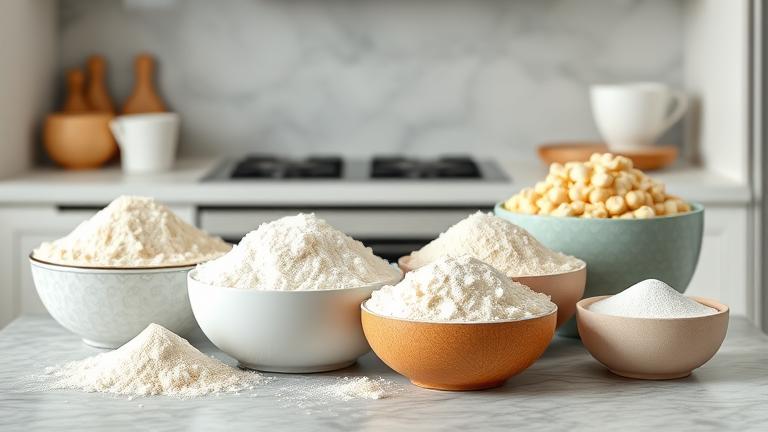
Almond Flour
Almond flour is made from finely ground almonds, giving it a light, nutty flavor that adds a delicious touch to many recipes. It is a popular choice for gluten-free baking and for those looking to add a bit of extra nutrition to their dishes. Because it contains healthy fats and protein, almond flour not only enhances the flavor but also improves the moistness of baked goods.
When using almond flour, it’s important to understand how it behaves differently from traditional wheat flour. It tends to make baked goods more tender and moist, which is great for cookies, muffins, and cakes. However, since almond flour lacks gluten, it doesn’t give the same rise or structure as regular flour. To help with this, many recipes include binders such as eggs or xanthan gum.
How to Use Almond Flour in Baking
Adding almond flour to your recipes is simple, but it’s good to follow a few tips. First, measure carefully. Because almond flour is denser and more moist than wheat flour, using too much can make baked goods heavy or crumbly. Usually, you can substitute almond flour for about 25-30% of the total flour in a recipe, but for the best results, follow specific recipes designed for almond flour.
If a recipe calls for regular flour, you can swap in almond flour, but consider adjusting other ingredients. For instance, since almond flour is richer in fat, you might want to reduce the amount of added fat or oil slightly. Also, because almond flour can brown faster, keep an eye on your baked goods in the oven to prevent burning.
Tips for Baking with Almond Flour
- Use finely ground almond flour for the best texture.
- Combine almond flour with other flours like coconut or tapioca for better structure.
- Keep baked goods refrigerated when storing to maintain freshness and prevent spoilage.
- If your batter is too thick or crumbly, try adding an extra egg or a splash of milk to loosen it up.
Common Mistakes to Avoid
- Using too much almond flour in a recipe, which can lead to dense, heavy baked goods.
- Not adjusting other ingredients to account for its higher fat content.
- Ignoring the need for binders, especially in recipes that require rising or structure.
- Overbaking, which can cause almond flour baked items to dry out quickly.
Storage Tips
Almond flour should be stored in an airtight container in a cool, dark place. For longer shelf life, especially in warm or humid climates, keep it in the refrigerator or freezer. Proper storage helps prevent it from becoming rancid due to the natural oils in almonds.
By following these simple tips, you can make the most of almond flour’s unique qualities and enjoy tasty, moist baked goods that cater to special diets or simply add a nutty flavor to your cooking adventures.
Coconut Flour
Coconut flour is a popular gluten-free, grain-free alternative made from dried coconut meat. It is known for being high in fiber, which makes it a nutritious addition to many recipes. If you’re looking to add more fiber to your diet or want to experiment with coconut-based baking, coconut flour is a great choice.
When using coconut flour, one key thing to remember is its ability to absorb a lot of liquid. Because of this, recipes that call for traditional flours like rice flour or wheat flour often need some adjustments. Don’t be discouraged if your batter seems thicker than expected. It’s normal, and you can easily fix it with a little extra liquid.
How to Use Coconut Flour in Recipes
- Start small: Because coconut flour is so absorbent, replace only part of the flour in your recipe at first. Usually, start with replacing up to 25% of the total flour with coconut flour.
- Adjust liquids: Expect to add more liquids, like eggs, milk, or water. A good rule of thumb is to double the amount of eggs or liquids for every ¼ cup of coconut flour used.
- Combine with other flours: Coconut flour works best when mixed with other flours like almond flour or tapioca starch. This helps improve the texture and taste of your baked goods.
- Allow batter to rest: Letting your batter sit for a few minutes can help the coconut flour absorb more liquid. This step improves the consistency and overall outcome.
Tips for Baking with Coconut Flour
- Use eggs: Eggs provide structure and moisture, which are especially important with coconut flour since it lacks gluten. If you’re avoiding eggs, consider adding flaxseed or chia seeds as substitutes.
- Be patient with textures: Baked goods made with coconut flour may be denser or crumbly compared to those made with wheat flour. Adding a bit more moisture can help achieve a better texture.
- Experiment: Don’t be afraid to try different recipes. Coconut flour is excellent in pancakes, muffins, brownies, and even bread. Just remember to adjust liquids as you go.
Storage Tips
| Storage Method | Duration |
|---|---|
| In an airtight container at room temperature | Up to 1 month |
| In the refrigerator | Up to 6 months |
| In the freezer | Up to 1 year |
Coconut flour is a versatile and healthful ingredient once you get the hang of how it absorbs liquids. Start with small adjustments, add extra moisture, and blend it with other flours for the best baking results. Happy baking!
Tapioca Flour
Tapioca flour, also called tapioca starch, is made from the cassava root. It’s a popular ingredient in many kitchens because of its ability to add a chewy texture and thicken up recipes easily. Whether you’re baking, making sauces, or creating gluten-free dishes, tapioca flour is a versatile tool to keep on hand.
One of the biggest benefits of tapioca flour is that it works well as a thickener. It’s commonly used in puddings, pie fillings, and soups. When heated, it forms a clear, smooth consistency that makes your dishes look appealing and taste great. Plus, it’s gluten-free, making it a good option for those with gluten sensitivities or allergies.
How to Use Tapioca Flour in Recipes
- As a thickener: To thicken liquids like gravy or fruit fillings, mix tapioca flour with a small amount of cold water to make a slurry. Stir it into the hot liquid and cook until it thickens. Usually, a couple of tablespoons of flour per cup of liquid is enough, but you can adjust based on your texture preference.
- In baking: Tapioca flour adds chewiness to baked goods like bread, cookies, and pancakes. It’s often combined with other flours such as rice or almond flour. When baking, measure carefully because too much can make products gummy or dense.
- For crispy coatings: Tapioca flour can be used as a coating for frying food. It creates a crispy crust on chicken, fish, or vegetables if you dip them in an egg wash and then coat with the flour before frying.
Tips for Cooking with Tapioca Flour
- Mix it properly: Always dissolve tapioca flour in cold water before adding to hot liquids to prevent clumping.
- Adjust quantities: If your dish becomes too thick or gummy, try reducing the amount of flour in your next batch.
- Beware of overcooking: Tapioca flour thickens quickly. Remove your dish from heat once it reaches the desired consistency to avoid a gluey texture.
Storage and Substitutes
Store tapioca flour in an airtight container in a cool, dry place. It keeps well for several months if kept away from moisture. If you don’t have tapioca flour, cornstarch can be used as a substitute in some recipes, though it may alter the finish slightly. Keep in mind that tapioca flour provides a unique chewy texture that other thickeners might not replicate exactly.
Common Mistakes to Avoid
- Adding directly to hot liquids: It can cause clumps. Always mix with cold water first.
- Using too much: Excessive tapioca flour can make baked goods overly chewy or gummy.
- Overcooking: Too much heat can break down the thickening power, leading to thin or runny sauces.
Cornstarch
Cornstarch is a fine, powdery substance made from corn. It is commonly found in most kitchens because it is such a versatile ingredient. One of its main uses is as a thickening agent for soups, sauces, and gravies. When added correctly, it helps create a smooth, glossy texture that looks appealing and tastes good.
Using cornstarch is simple once you get the hang of it. To prevent lumps, it’s best to make a slurry first. A slurry is a mixture of cornstarch and cold water. Typically, you use about one tablespoon of cornstarch for every one cup of liquid you want to thicken. Mix the cornstarch with an equal amount of cold water until it’s smooth and no lumps remain.
Once your slurry is ready, add it gradually to your hot liquid. Stir constantly to evenly distribute the thickener. Continue cooking and stirring until the mixture thickens and reaches the desired consistency. Usually, it thickens quickly, in a minute or two. Be careful not to add too much cornstarch at once, as it can make the dish overly starchy or gummy.
Substituting cornstarch in recipes
If you don’t have cornstarch, flour can sometimes be used as a substitute. Use about twice as much flour as cornstarch because flour is less potent as a thickener. Keep in mind that flour may create a slightly opaque, cloudy appearance and a different texture. Arrowroot powder is another option that works well, especially for dishes that need to be clear or shiny.
Tips for cooking with cornstarch
- Always mix cornstarch with cold water before adding to hot liquids to avoid lumps.
- Cook the mixture long enough to fully activate the thickening power, usually a minute or two after it starts to thicken.
- Avoid boiling beyond this point, as it can break down the thickening agent and weaken the thickening effect.
- If your sauce becomes too thick, thin it out with a splash of water or broth.
Storing cornstarch
Store cornstarch in a cool, dry place in an airtight container. It stays good for a long time, often for several years if kept away from moisture. Be sure to label your container clearly so you don’t mistake it for something else.
Common mistakes to avoid
- Adding cornstarch directly to hot liquids without mixing it first can cause lumps.
- Over-thickening by using too much cornstarch can result in a gummy texture.
- Cooking the thickened sauce too long can break down the starch and thin the sauce again.
Potato Starch
Potato starch is a popular ingredient in many kitchens because of its ability to thicken soups, sauces, and stews easily. It is made by extracting the starch from potatoes, which results in a fine, white powder with a neutral flavor. This makes it a versatile thickener that won’t alter the taste of your dishes.
Using potato starch is simple once you get the hang of it. Its fine texture allows it to dissolve quickly and evenly, creating a smooth, glossy finish. Whether you’re preparing a hearty stew or a delicate sauce, potato starch can be your go-to thickening agent.
How to Use Potato Starch
To use potato starch effectively, it’s best to create a slurry first. A slurry is a mixture of potato starch with a cold liquid, such as water or broth. This step prevents clumping when added to hot dishes.
- Measure out your potato starch. Usually, about 1 to 2 teaspoons per cup of liquid is enough for a good thickening.
- Mix the starch with an equal amount of cold water in a small bowl. Stir well until the mixture is smooth and free of lumps.
- Gradually pour the slurry into your simmering dish while stirring constantly. This helps the starch distribute evenly.
- Continue to cook for another 1-2 minutes until the sauce or soup thickens and becomes glossy.
Remember, potato starch thickens quickly. It’s best to add it gradually and keep stirring to avoid over-thickening or lumps.
Tips for Best Results
- Always dissolve potato starch in cold liquid first. Adding it directly to hot liquids can cause lumps.
- Don’t add too much at once. Start with small amounts and increase only if needed.
- If your sauce gets too thick, you can thin it out with a bit more broth or water.
- For a glossy, smooth finish, cook the thickened sauce for another minute after adding the starch.
- Keep in mind that potato starch loses its thickening power if cooked for too long. Add it near the end of cooking for best results.
Storage and Safety Tips
Store potato starch in a cool, dry place in a tightly sealed container. It has a long shelf life, often up to a year or more.
Always handle with dry utensils to keep it free from moisture, which can cause clumping or spoilage. Avoid using metal utensils for storage, as they may cause oxidation over time.
Additional Uses
Besides thickening, potato starch can be used as a coating for frying foods, giving a crispy texture. It’s also a natural gluten-free flour alternative for baking. Just replace some or all of your regular flour with potato starch in recipes.
With its neutral flavor and fine texture, potato starch is a handy ingredient to keep in your pantry. It helps create smooth sauces, tenderizes dumplings, and adds a glossy finish to your favorite dishes. Once you master its use, you’ll find countless ways to incorporate this simple yet effective ingredient into your cooking routine.
Oat Flour
Oat flour is made from ground oats, and it offers a mild, slightly sweet flavor that works well in many recipes. It’s a popular choice for baking because it adds a soft, tender crumb to muffins, cookies, and bread. Plus, oat flour is naturally gluten-free, making it a good option for those with gluten sensitivities, but always check labels to ensure it’s processed in a gluten-free facility if needed.
Getting started with oat flour is simple. You can buy it ready-made at the store, or make your own at home by grinding rolled oats or quick oats in a blender or food processor. Just be sure to process until the oats reach a fine, powdery consistency. This homemade approach is budget-friendly and lets you make fresh oat flour whenever you need it.
How to Make Oat Flour at Home
- Measure the amount of oats you want to turn into flour.
- Place the oats into a blender or food processor. For about one cup of oats, use a small batch to ensure they grind evenly.
- Pulse or blend until the oats become a fine powder. This usually takes 30 seconds to a minute. Stop and check the texture periodically.
- Sift the oat flour through a fine-mesh strainer to remove larger particles. You can re-blend any remaining bits.
- Store the flour in an airtight container in a cool, dry place. Use within a month for the best freshness.
Here are a few tips for working with oat flour:
- Oat flour tends to absorb more liquid than traditional wheat flour. When baking, you might need to slightly reduce the added liquids or increase the wet ingredients.
- It works well in recipes that also include other flours like almond or coconut flour. Combining flours can improve texture and flavor.
- If you notice your baked goods are crumbly or dry, try adding a little extra moisture, like applesauce, yogurt, or eggs.
- Oat flour can sometimes make baked goods spread more during baking. Chilling the dough for 30 minutes before baking can help maintain shape.
- Because oat flour has a mild, slightly sweet flavor, it pairs nicely with spices like cinnamon or nutmeg, or with ingredients like blueberries or bananas.
While oat flour is a fantastic ingredient, avoid using it as your sole flour in recipes that require strong gluten structure, such as bread. It’s best used in combination with other gluten-containing flours or in recipes like pancakes, muffins, and cookies.
Chickpea Flour
Chickpea flour, also called garbanzo bean flour, is made by grinding dried chickpeas into a fine powder. It has a warm, nutty flavor that adds depth to many recipes. Because it is naturally gluten-free, chickpea flour is a great choice for those avoiding wheat or gluten-containing grains.
In the kitchen, chickpea flour is quite versatile. You can use it to make pancakes, fritters, or flatbreads. It’s also a popular ingredient in Middle Eastern and Indian dishes, such as socca or besan chilla. Its high protein content makes it a nutritious addition to vegetarian and vegan meals.
When shopping, look for chickpea flour in health food stores or the baking aisle of your supermarket. It’s usually stored in a sealed bag or jar, and it’s best to keep it in an airtight container to maintain freshness. If you’re buying in bulk, store it in a cool, dark place and check the expiration date.
How to Use Chickpea Flour
If you’re new to cooking with chickpea flour, start with simple recipes. For example, you can replace a small portion of regular flour in bread or muffin recipes with chickpea flour to boost the protein content. It also works well to thicken soups or stews, giving them a richer texture.
When baking with chickpea flour, keep in mind that it doesn’t contain gluten. This means baked goods made with just chickpea flour may be denser or crumbly. To improve the texture, consider combining it with other gluten-free flours like rice flour or tapioca starch.
Tips for Cooking with Chickpea Flour
- Wash your hands and utensils well to prevent cross-contamination, especially if you have food allergies.
- Start with small batches when experimenting with new recipes to find the right balance of flavors and textures.
- Allow batter to rest for 10-15 minutes before cooking, as this helps improve texture and reduces crumbling.
Common Mistakes to Avoid
- Using too much chickpea flour in a recipe can make baked goods dense and grainy. Follow the recipe measurements closely.
- Not seasoning well because chickpea flour has a strong nutty flavor. Add herbs, spices, or a bit of salt to enhance the taste.
- Not storing properly. Keep chickpea flour in a cool, dark place in an airtight container to prevent it from going rancid.
Nutritional Benefits
| Nutrient | Amount per 1/4 cup |
|---|---|
| Calories | 110 |
| Protein | 6 grams |
| Carbohydrates | 18 grams |
| Fat | 2 grams |
| Fiber | 4 grams |
Adding chickpea flour to your cooking is a simple way to boost nutrition and explore new flavors. Whether you’re making a quick batter or baking bread, it’s a handy ingredient to keep on hand.