
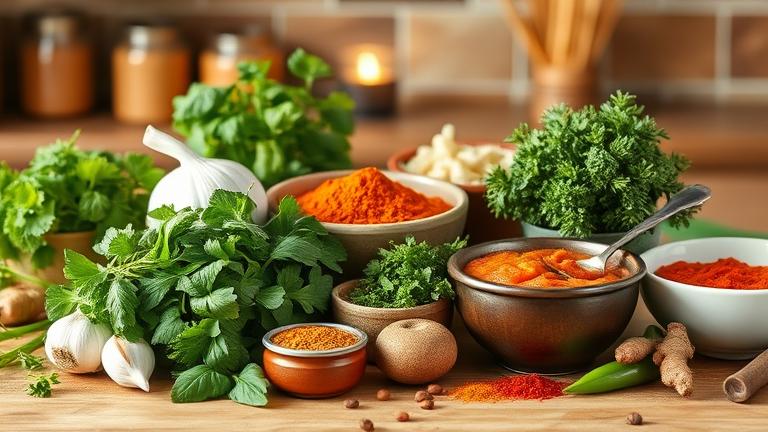
Common substitutes for curry paste
If you run out of curry paste while cooking a dish that needs that warm, spicy flavor, don’t worry. There are several easy substitutes you can use to bring a similar taste to your meal. These options range from homemade mixes to store-bought ingredients, making it simple to adapt your recipe.
One of the quickest ways to mimic curry paste is to combine individual spices and herbs. A common homemade substitute can include a mix of turmeric, cumin, coriander, garam masala, chili powder, garlic, and ginger. You can adjust the amounts depending on your taste and what’s available in your spice cabinet. For example, a tablespoon of turmeric, a teaspoon of cumin, and a teaspoon of coriander, combined with half a teaspoon of chili powder and minced garlic and ginger, can create a flavorful aromatic base. This blend won’t be exactly the same as store-bought curry paste, but it offers a similar spiciness and complexity.
Another handy substitute is to use curry powder. Although it is a dry spice blend rather than a paste, you can turn it into a quick paste by mixing it with a bit of oil, water, or coconut milk. Start with a tablespoon of curry powder mixed with a tablespoon of oil, then add liquid gradually until you reach your desired consistency. This makes a good stand-in, especially when simmered with vegetables and protein. Keep in mind that curry powder varies widely between brands and regions, so taste and adjust the amounts as needed.
For a fresher, more vibrant flavor, try blending sautéed garlic, ginger, onion, and chili into a paste. Add a spoonful of tomato paste or coconut milk for richness and moisture. This mixture works well in curries and stir-fries, offering a bright, aromatic punch similar to curry paste. If you have fresh herbs like lemongrass or cilantro, include them for extra depth.
Some cooks like to use pre-made ingredients like Thai red or green chili paste, which can be used as a direct substitute. These pastes are concentrated and flavorful, so use a smaller amount than you would of curry paste. Start with a teaspoon and add more to taste. You can also blend these chili pastes with coconut milk or stock to mellow their heat and develop a rich flavor.
Finally, for those looking for a quick store-bought option, many grocery stores sell curry spice blends or Asian ingredient mixes. Check the international aisle for jars of curry paste or flavored pastes that can replace homemade or traditional recipes. Always read the label, as some may contain added salt, preservatives, or sugar.
Ingredients to create a curry flavor
If you want to bring the warm, aromatic taste of curry to your home cooking without using pre-made paste, understanding the key ingredients is essential. Many of these spices and seasonings are common in most kitchen cupboards, making it easy to whip up a flavorful curry from scratch or enhance your dishes with authentic notes.
The core of any curry flavor comes from a blend of spices that create depth and complexity. To start, you’ll want to gather some essential ingredients like turmeric, cumin, coriander, and chili powder. These spices form the backbone of many curry recipes. Turmeric adds a bright yellow color and earthy flavor, while cumin gives a warm, nutty aroma. Coriander provides a citrusy note, and chili powder brings heat and spice.
In addition to the basic spices, there are several seasonings that can elevate your curry. Garam masala is a popular Indian spice blend that combines cinnamon, cloves, cardamom, and other spices. It adds a fragrant, sweet, and spicy touch. You can buy it pre-made or create your own mix at home. A dash of cinnamon or a few cloves can also add a comforting warmth, especially in richer curries.
To mimic the complex flavors of curry paste, consider adding aromatics like garlic and ginger. Fresh garlic and ginger root can be minced or grated directly into your dish. They give a punch of freshness and depth that powder cannot fully replicate. For more flavor, add a splash of lime juice or some chopped fresh cilantro at the end of cooking to brighten the dish.
Other useful ingredients for enhancing curry flavor include fenugreek (for a slightly sweet, nutty flavor), bay leaves, and a touch of fennel seeds. These are often found in traditional curry blends and can be added during cooking to develop richer flavors.
- Tip: Toast your spices in a dry skillet before adding them to your dish. This process releases their oils and enhances their aroma.
- Tip: Use whole spices like cumin seeds or coriander seeds and grind them fresh for a more vibrant flavor.
- Tip: Adjust the spice amounts to suit your heat tolerance and taste preferences. You can always add more, but it’s hard to tone down once it’s too spicy.
For a quick shortcut, a teaspoon of curry powder (a pre-made spice blend) can help you achieve a tasty curry flavor. But for more depth, building your own spice mixture with individual ingredients tends to produce a richer and more authentic taste. Remember, the key to a flavorful curry is balancing the spices and aromatics. Start with small amounts, taste as you go, and adjust until you reach your ideal flavor profile.
Easy homemade curry paste recipes
Making your own curry paste at home is easier than you might think, and it allows you to customize the flavors to suit your taste. Fresh curry paste made from scratch often tastes better and has more vibrant flavors than store-bought options. Plus, you can control the ingredients, avoiding unnecessary preservatives and additives.
Actually, the process is quite straightforward. It mainly involves blending or grinding aromatics, spices, and herbs until smooth. Once you get the hang of it, you’ll find that different recipes can give you a wide variety of delicious curry bases for your dishes.
Basic ingredients for homemade curry paste
- Fresh aromatics: garlic, ginger, shallots or onions
- Spices: coriander seeds, cumin, turmeric, chili powder or fresh chilies
- Herbs: fresh cilantro or basil (optional)
- Acid: lime juice or tamarind paste
- Oil: vegetable or coconut oil for blending
Depending on the type of curry you want to make, you can add extra ingredients like lemongrass, kefir lime leaves, or cinnamon. The key is balancing flavors to match your preferred spice level and taste profile.
Simple curry paste recipes to try
Basic Thai red curry paste
This paste is versatile and great for chicken, shrimp, or vegetable curries. Here’s what you’ll need:
- 4 dried red chilies (or fresh if needed)
- 3 cloves garlic
- 1 thumb-sized piece of fresh ginger
- 1 shallot
- 1 teaspoon coriander seeds
- 1 teaspoon cumin seeds
- 1 stalk lemongrass (white part only)
- 1 tablespoon lime juice
- 2 tablespoons oil
To make it:
- Soak dried chilies in warm water for about 10 minutes if they are very dry or tough.
- Toast coriander and cumin seeds in a dry pan for a minute until fragrant. Then grind them with a mortar and pestle or spice grinder.
- Combine all ingredients chilies, garlic, ginger, shallot, toasted spices, lemongrass, lime juice, and oil in a blender or food processor.
- Blend until smooth, stopping to scrape down the sides as needed. Add more oil if it’s too thick.
Indian-style turmeric curry paste
This recipe produces a warm, earthy paste perfect for hearty vegetable and meat curries.
- 2 cloves garlic
- 1-inch piece of fresh ginger
- 1 teaspoon turmeric powder
- 1 teaspoon cumin seeds or powder
- 1 small onion, chopped
- 1 green chili (optional)
- 1 tablespoon fresh cilantro stems
- 2 tablespoons oil
To prepare:
- Combine all ingredients in a blender or food processor.
- Pulse until you get a smooth, fragrant paste. Add a little water or more oil to help blend if necessary.
Tips for success
- Start with small amounts of spices and adjust to taste you can always add more later.
- If you love a more intense flavor, toast your spices lightly before blending.
- Store unused paste in an airtight container in the fridge for up to a week, or freeze for longer keeping.
- Experiment by adding herbs like cilantro, basil, or kaffir lime leaves to create your own signature curry paste.
With a little practice, making your own curry paste becomes quick and rewarding. Not only does it enhance your dishes, but it also gives you the freedom to get creative with flavors and spice levels. Enjoy crafting delicious, fresh curry bases right in your kitchen!
Tips for cooking without curry paste
Running out of curry paste doesn’t mean you have to give up on making a tasty, flavorful dish. With a few simple substitutions and techniques, you can create a delicious meal that still captures the warmth and hum of traditional curries. Whether you’re missing that special blend or just looking for a quick fix, these tips will help you cook without curry paste with confidence.
1. Use Ground Spices as a Base
One of the easiest ways to compensate for the absence of curry paste is to use a mixture of ground spices. Common options include turmeric, cumin, coriander, paprika, and chili powder. These spices are the building blocks of many curry recipes. Start with one teaspoon of each and adjust to taste. For extra depth, add a pinch of ground cinnamon or cloves. Toast the spices in a dry pan for a minute or two before adding liquids, as this releases their aroma and enhances flavor.
2. Make Your Own Curry ‘Paste’ from Pantry Staples
If you have ingredients like garlic, ginger, onion, and fresh chili, you can blend them into a quick paste. Combine garlic, ginger, and chili with a splash of oil and a pinch of salt in a food processor or blender. Pulse until smooth. If you prefer, add a squeeze of lime or lemon juice for brightness. This homemade paste offers a fresh, vibrant flavor and can be tailored to your taste and spice level.
3. Incorporate Aromatics and Flavor Boosters
Boost flavor by adding ingredients like lemongrass, kaffir lime leaves, or galangal if you have them. They add authentic notes similar to curry paste. If fresh ingredients are unavailable, dried versions work well. Additionally, a splash of coconut milk or cream can bring richness and help blend flavors smoothly. Use these aromatics and liquids to mimic the complex taste profile of curry paste.
4. Adjust Cooking Techniques
Cook your spices and aromatics longer to release their flavors. Sauté garlic, ginger, and chili first in a little oil until fragrant. Then, add your ground spices or homemade paste and cook gently for another minute or two. This helps develop a deeper flavor. Afterward, add your main ingredients like vegetables, meat, and liquids.
5. Taste and Tweak as You Cook
Since substitutes may not perfectly match the intensity of curry paste, taste your dish as it cooks. Add salt, sugar, or acid like lime juice to balance flavors. Sometimes a splash of soy sauce or fish sauce can add umami depth. Adjust spices gradually to reach the flavor profile you want. Remember, it’s easier to add more than to neutralize over-seasoning.
6. Keep It Simple But Flavorful
If you want a straightforward approach, focus on a few key ingredients. For example, coconut milk, garlic, ginger, and a handful of spices can produce a comforting, flavorful curry without much fuss. Don’t forget to season well and taste often.
Tips to Remember:
- Experiment with different spice combinations to find what you like best.
- Dry roast spices for added flavor before adding liquids.
- Be patient during cooking to develop layered flavors.
- Keep some pantry staples like turmeric, cumin, and chili powder ready for quick substitutions.
Best store-bought alternatives
If you’re craving the bold flavors of curry paste but don’t have it on hand, there are many store-bought options that can quickly elevate your dishes. These ready-made substitutes are convenient and often just as flavorful, making them perfect for busy weeknights or when you want to experiment with different tastes.
When choosing a store-bought alternative, look for products that match the flavor profile you want. Some curry pastes are spicy, while others are milder and more aromatic. Reading the label can help you pick the right one for your recipe.
Common Types of Ready-Made Curry Pastes
- Red Curry Paste: Made with red chili, garlic, lemongrass, and spices, this paste is great for dishes with a spicy and vibrant flavor. Brands like Mae Ploy and Maesri are popular.
- Green Curry Paste: Typically featuring green chilies, cilantro, and basil, green curry paste adds fresh, herbaceous notes. It’s perfect for lighter, fresher curries.
- Massaman Curry Paste: Rich and slightly sweet, with flavors of cinnamon, cumin, and peanuts. It pairs well with beef or potatoes for a comforting meal.
- Yellow Curry Paste: Made with turmeric and coriander, yellow curry paste offers a milder, warmer flavor ideal for chicken and vegetable curries.
Tips for Choosing and Using Store-Bought Curry Paste
- Read the ingredients: Choose options with natural ingredients and minimal preservatives for a fresher taste.
- Adjust the heat: Store-bought pastes can vary in spice level. Add chili flakes or fresh chilies if you prefer more heat.
- Mix with coconut milk or broth: To balance the intensity of the paste, combine it with coconut milk, stock, or water. This creates a flavorful sauce base.
- Start small: When experimenting with a new brand, use a small amount first. You can always add more if needed.
Storage Tips
| Product | Shelf Life | Storage Tips |
|---|---|---|
| Unopened Curry Paste | Up to 1 year | Store in a cool, dark place. Keep away from direct sunlight. |
| Opened Curry Paste | 2-3 weeks in the refrigerator | Seal tightly, and consider transferring to an airtight container for longer freshness. |
With these store-bought alternatives, you can enjoy the complex flavors of curry anytime, without the need to make paste from scratch. Just remember to taste and adjust the seasoning, and you’ll have a delicious meal in no time.