
Exploring Fruit Substitutes for Bananas in Smoothies
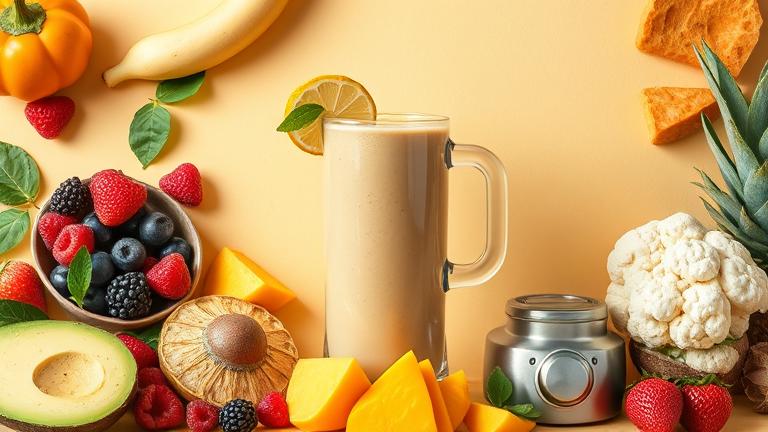
Fruits such as berries, mango, pineapple, and avocado serve as flavorful and nutritious substitutes for bananas in smoothies. These options not only add vibrant flavors but also provide essential nutrients that support overall health. For instance, berries like strawberries, blueberries, and raspberries deliver a tart taste along with antioxidants, vitamin C, and fiber. These nutrients help to support immune health and promote healthy skin, making berries a popular choice as a banana alternative [Source](https://www.healthline.com/nutrition/berries-benefits).
Mango offers a sweet, tropical flavor and is rich in vitamins A and C, which are essential for maintaining good eyesight and boosting the immune system. Adding mango to your smoothies infuses them with a natural sweetness and nutritional benefits that keep you energized throughout the day [Source](https://www.medicalnewstoday.com/articles/mango-nutrition-benefits). Pineapple, with its bright tang, supplies an ample amount of vitamin C and manganese, vital for strengthening bones and supporting immune function. Incorporating pineapple adds a refreshing note and boosts the nutritional profile of your beverage [Source](https://www.nutrition.org/our-science/nutrition-action/overview/).
In addition, avocado contributes a creamy texture and is packed with dietary fats, fiber, and potassium that support heart health and aid digestion. Its subtle flavor complements other ingredients without overpowering the smoothie, making it an excellent substitute for banana’s creaminess [Source](https://www.hsph.harvard.edu/nutrition-source/food-features/avocado/).
Adding Nutritional Greens and Vegetables to Your Smoothie
Leafy greens such as spinach and kale are excellent ingredients to enhance the nutritional value of smoothies. These vegetables are densely packed with essential vitamins like A, C, and K. Vitamin A supports skin health and vision, while vitamin K plays a crucial role in blood clotting [Source](https://www.webmd.com/diet/obesity/ss/slideshow-leafy-greens). Kale and spinach also contain minerals like magnesium and iron, which boost energy levels and overall wellness. Including greens in your smoothies is a simple way to increase your daily intake of vital nutrients [Source](https://www.wellandgood.com/nutrition/dark-leafy-greens-benefits/).
Cucumbers are another great vegetable to incorporate due to their high water content, which enhances hydration. They offer a subtle, refreshing flavor without overpowering the blend. Additionally, cucumbers provide small amounts of vitamins and fiber that promote digestion and create a feeling of fullness [Source](https://www.healthline.com/nutrition/cucumbers-benefits).
Integrating these vegetables into smoothies creates a creamy texture and boosts nutritional value without relying on bananas. This approach makes smoothies suitable for various dietary preferences, including vegan and low-sugar diets. The addition of greens and cucumbers results in a healthful beverage that is both delicious and nourishing [Source](https://www.eatingwell.com/article/7871052/benefits-of-eating-greens/).
How to Achieve Creamy Textures with Dairy and Plant-Based Alternatives
Dairy options such as heavy cream, sour cream, and Greek yogurt are excellent for adding richness and creating a smooth, creamy texture in smoothies. These ingredients deliver a luxurious mouthfeel similar to what bananas typically provide [Source](https://www.cookinglight.com/ingredients/adding-creamy-dairy-to-smoothies). For those who prefer plant-based options, almond milk, soy milk, coconut cream, and cashew cream serve as excellent alternatives. They help achieve a velvety consistency that makes smoothies more satisfying and enjoyable [Source](https://www.healthline.com/nutrition/plant-based-milks).
Coconut cream, in particular, adds a rich, tropical flavor while maintaining a creamy texture. Incorporating full-fat Greek yogurt can enhance thickness and protein content, making your smoothie more filling. For vegans or individuals with dairy restrictions, blending silken tofu or coconut-based products provides a comparable creaminess and added nutritional benefits. These substitutes can elevate the overall quality of your smoothie and ensure a luscious, satisfying drink [Source](https://www.organicauthority.com/food/plant-based-yogurt-alternatives).
Incorporating internal links from our website’s guides on dairy substitutes and healthy smoothie tips can help you explore further options and techniques for crafting the perfect creamy beverage [Source](https://www.healthyrecipes.com/smoothie-ideas-and-tips).
Alternatives to Bananas for Thickness and Smooth Texture
Ingredients such as oats, avocado, and silken tofu are effective in mimicking the thick, creamy texture of bananas in smoothies. These ingredients help create a velvety mouthfeel that enhances the drinking experience without compromising flavor [Source](https://testfoodkitchen.com/what-ingredients-mimic-banana-texture-in-smoothies/).
Oats, when blended smoothly, provide a natural thickness similar to banana puree. They also add fiber, which promotes satiety and digestive health [Source](https://www.webmd.com/diet/ss/slideshow-oats-health-benefits). Avocado contributes a buttery, rich texture that complements other ingredients while maintaining a balanced flavor profile. Its healthy fats support cardiovascular health and can help make smoothies more satisfying [Source](https://www.hsph.harvard.edu/nutrition-source/food-features/avocado/).
Silken tofu offers a soft, custard-like consistency that blends seamlessly into smoothies. It is a popular dairy-free alternative that boosts protein content and provides a smooth, luscious mouthfeel [Source](https://www.fatsecret.com/Blog/Silken-Tofu-Your-New-Secret-Weapon-for-Creamy-Smoothies).
Utilizing these ingredients allows you to craft smoothies with a thick, creamy texture, even without bananas. These options are particularly useful for those with dietary restrictions or preferences [Source](https://testfoodkitchen.com/what-ingredients-mimic-banana-texture-in-smoothies/).
To enhance the texture further, flavored extracts like vanilla or nut flavors can be added. Natural sweeteners such as honey or maple syrup also help balance flavors and compensate for the sweetness lost without bananas [Source](https://www.medicalnewstoday.com/articles/natural-sweeteners).
Blending frozen fruits early and using high-powered blenders can also improve smoothness and creaminess. For additional natural sweetness and fiber, cooked sweet potatoes or pumpkin puree can be incorporated, maintaining a satisfying texture [Source](https://www.webmd.com/diet/obesity/ss/slideshow-sweet-potatoes-benefits).
Implementing these tips allows you to maintain the luscious, enjoyable texture of your smoothies while exploring various healthy alternatives to bananas [Source](https://www.healthline.com/nutrition/banana-substitutes).
Sources
- Healthline – Benefits of Berries
- Medical News Today – Mango Nutrition and Benefits
- Nutritional Benefits of Pineapple
- Harvard T.H. Chan School of Public Health – Avocado
- WebMD – Leafy Greens Benefits
- Well+Good – Dark Leafy Greens
- Healthline – Cucumber Benefits
- Cooking Light – Dairy in Smoothies
- Healthline – Plant-Based Milk Options
- Organic Authority – Dairy-Free Yogurt Alternatives
- TestFoodKitchen – Ingredients that Mimic Banana Texture
- WebMD – Benefits of Oats
- Harvard T.H. Chan School of Public Health – Avocado Benefits
- FatSecret – Silken Tofu in Smoothies
- Medical News Today – Natural Sweeteners
- WebMD – Sweet Potatoes Benefits
- Healthline – Banana Substitutes for Smoothies